Shattuck Labs, Inc., Durham, NC, United States.
Front Immunol. 2023 Sep 19;14:1236332. doi: 10.3389/fimmu.2023.1236332. eCollection 2023.
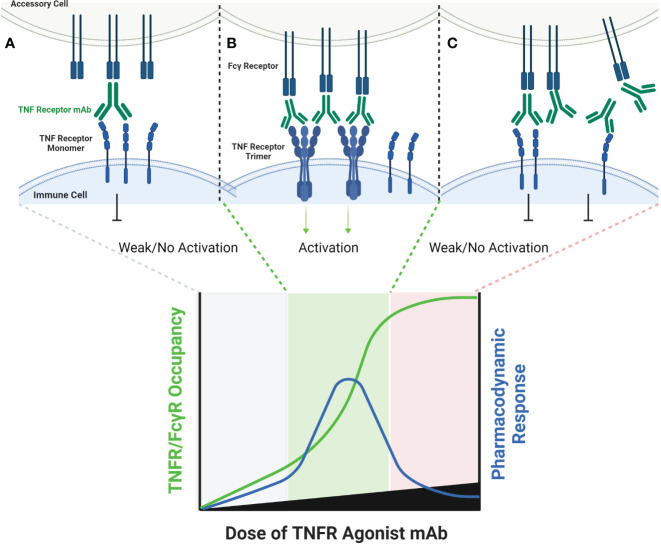
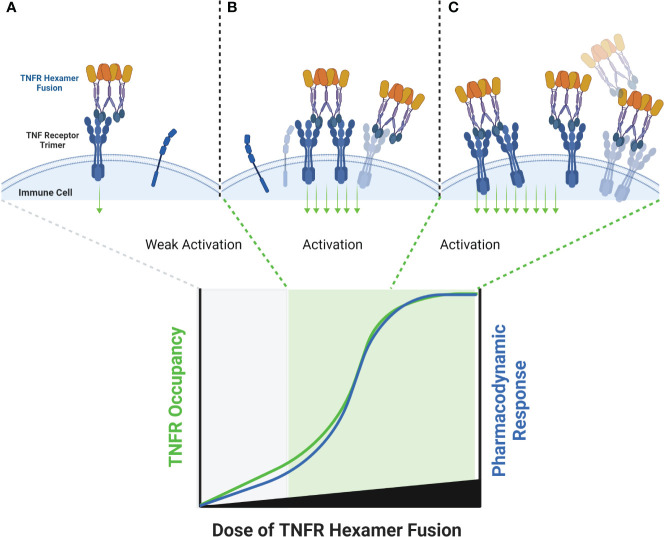
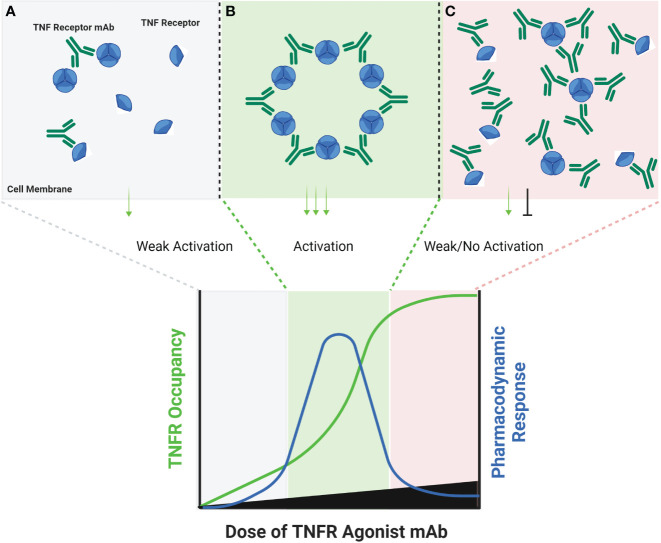
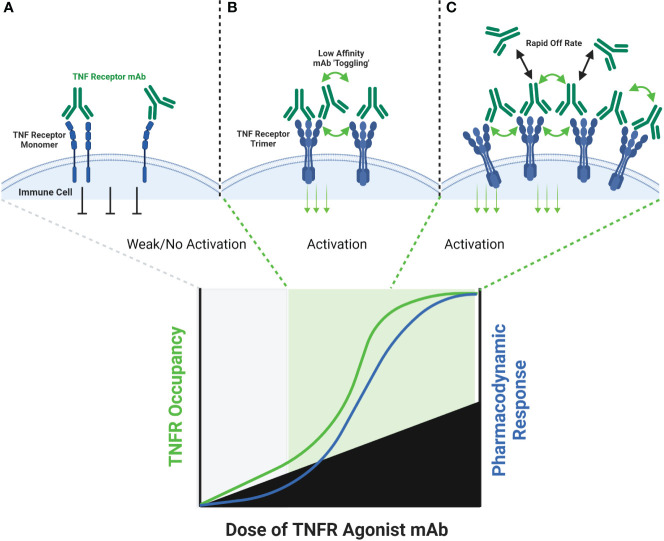
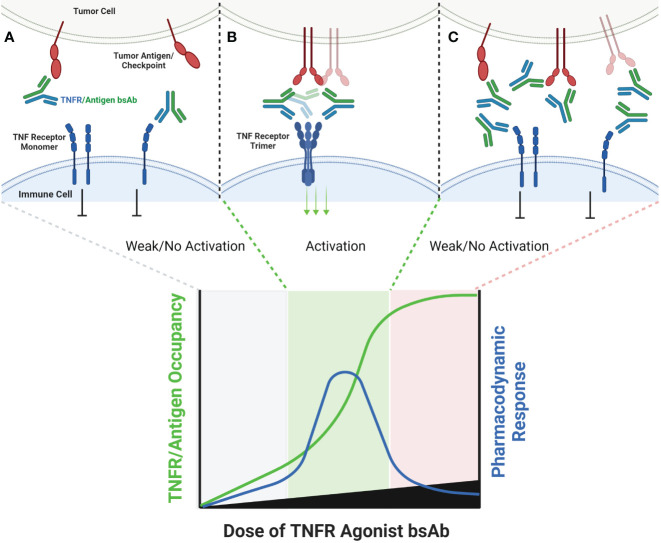
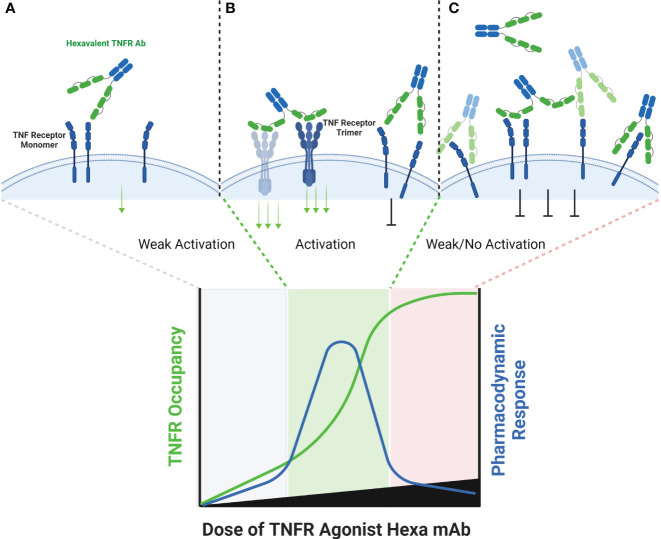
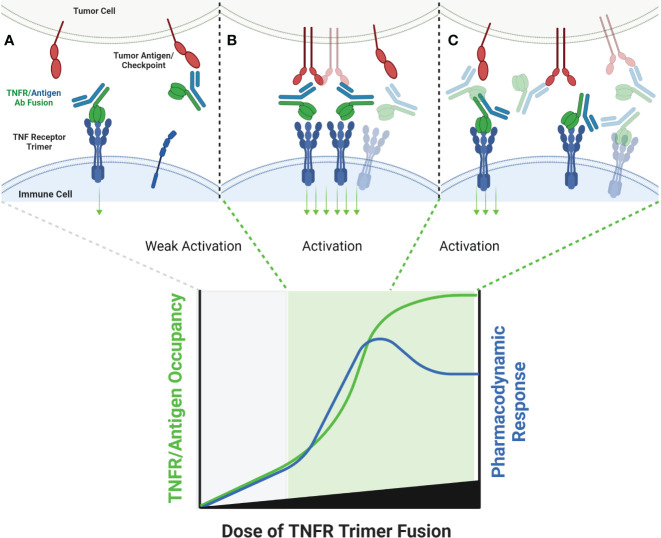
The extracellular domain of tumor necrosis factor receptors (TNFR) generally require assembly into a homotrimeric quaternary structure as a prerequisite for initiation of signaling via the cytoplasmic domains. TNF receptor homotrimers are natively activated by similarly homo-trimerized TNF ligands, but can also be activated by synthetic agonists including engineered antibodies and Fc-ligand fusion proteins. A large body of literature from pre-clinical models supports the hypothesis that synthetic agonists targeting a diverse range of TNF receptors (including 4-1BB, CD40, OX40, GITR, DR5, TNFRSF25, HVEM, LTβR, CD27, and CD30) could amplify immune responses to provide clinical benefit in patients with infectious diseases or cancer. Unfortunately, however, the pre-clinical attributes of synthetic TNF receptor agonists have not translated well in human clinical studies, and have instead raised fundamental questions regarding the intrinsic biology of TNF receptors. Clinical observations of bell-shaped dose response curves have led some to hypothesize that TNF receptor overstimulation is possible and can lead to anergy and/or activation induced cell death of target cells. Safety issues including liver toxicity and cytokine release syndrome have also been observed in humans, raising questions as to whether those toxicities are driven by overstimulation of the targeted TNF receptor, a non-TNF receptor related attribute of the synthetic agonist, or both. Together, these clinical findings have limited the development of many TNF receptor agonists, and may have prevented generation of clinical data which reflects the full potential of TNF receptor agonism. A number of recent studies have provided structural insights into how different TNF receptor agonists bind and cluster TNF receptors, and these insights aid in deconvoluting the intrinsic biology of TNF receptors with the mechanistic underpinnings of synthetic TNF receptor agonist therapeutics.
肿瘤坏死因子受体(TNFR)的细胞外结构域通常需要组装成同源三聚体四级结构,作为通过细胞质结构域启动信号的前提。TNF 受体同源三聚体被类似的同三聚体 TNF 配体天然激活,但也可以被合成激动剂激活,包括工程抗体和 Fc 配体融合蛋白。大量来自临床前模型的文献支持这样一种假设,即针对多种 TNF 受体(包括 4-1BB、CD40、OX40、GITR、DR5、TNFRSF25、HVEM、LTβR、CD27 和 CD30)的合成 TNF 受体激动剂可以增强免疫反应,为传染病或癌症患者提供临床益处。然而,不幸的是,合成 TNF 受体激动剂的临床前特性在人体临床研究中并没有很好地转化,反而对 TNF 受体的内在生物学提出了基本问题。临床观察到钟形剂量反应曲线,导致一些人假设 TNF 受体过度刺激是可能的,并可能导致靶细胞失能和/或激活诱导的细胞死亡。在人类中也观察到了包括肝毒性和细胞因子释放综合征在内的安全问题,这引发了一个问题,即这些毒性是由靶向 TNF 受体的过度刺激、合成激动剂的非 TNF 受体相关属性还是两者共同驱动的。这些临床发现共同限制了许多 TNF 受体激动剂的发展,并可能阻止了反映 TNF 受体激动作用全部潜力的临床数据的产生。最近的一些研究提供了关于不同的 TNF 受体激动剂如何结合和聚集 TNF 受体的结构见解,这些见解有助于将 TNF 受体的内在生物学与合成 TNF 受体激动剂治疗的机制基础分离开来。