Department of Pharmacology, Faculty of Dentistry, Mahidol University, Bangkok, Thailand.
Dental Implant Center, Faculty of Dentistry, Mahidol University, Bangkok, Thailand.
BMC Oral Health. 2023 Oct 5;23(1):718. doi: 10.1186/s12903-023-03468-z.
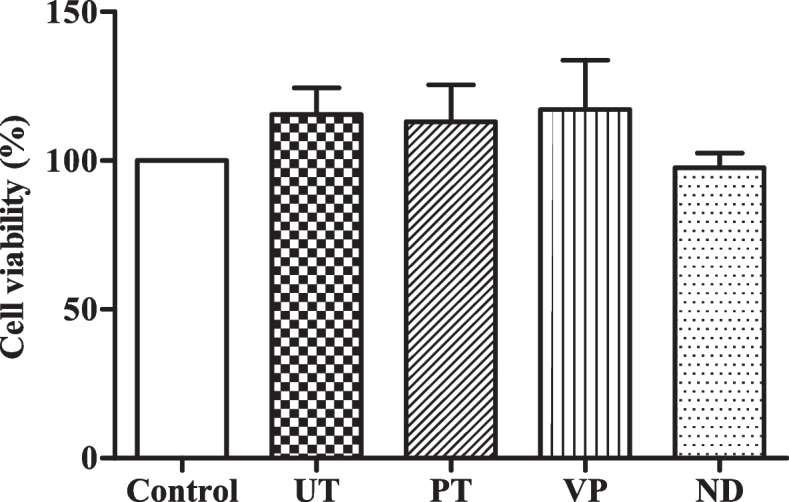
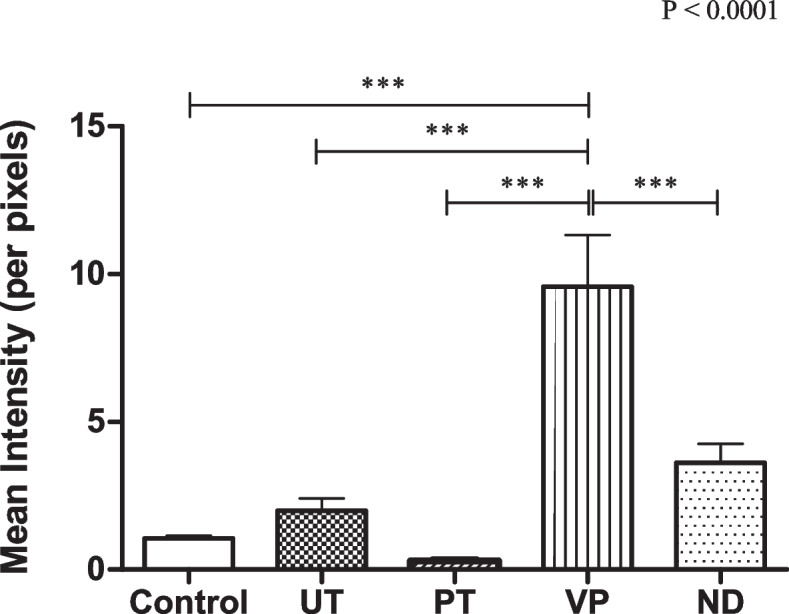
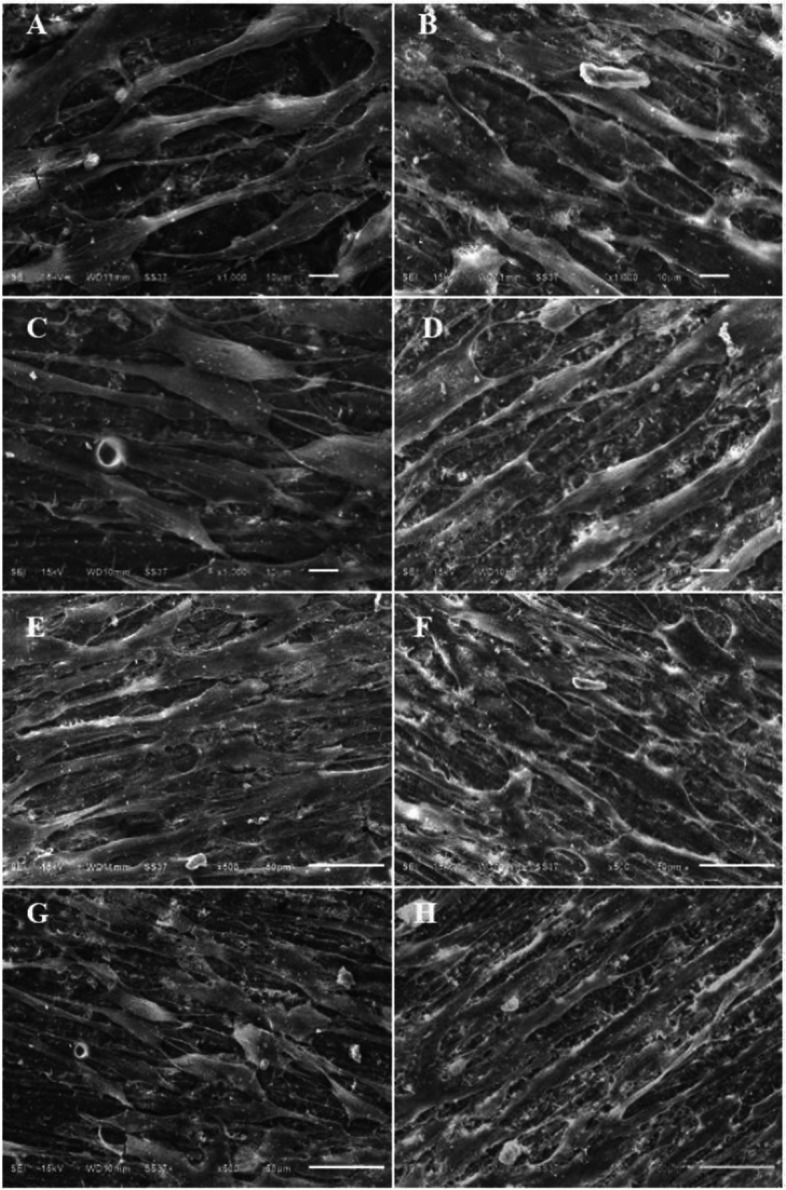
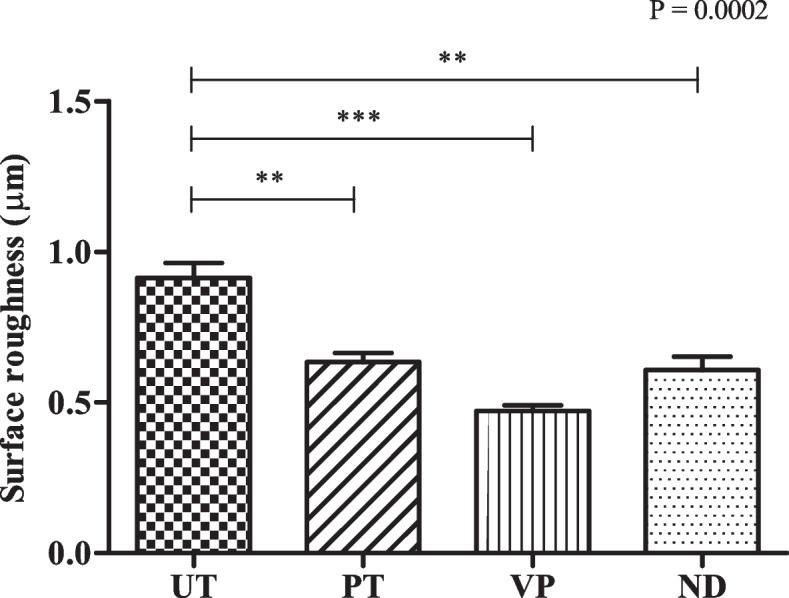
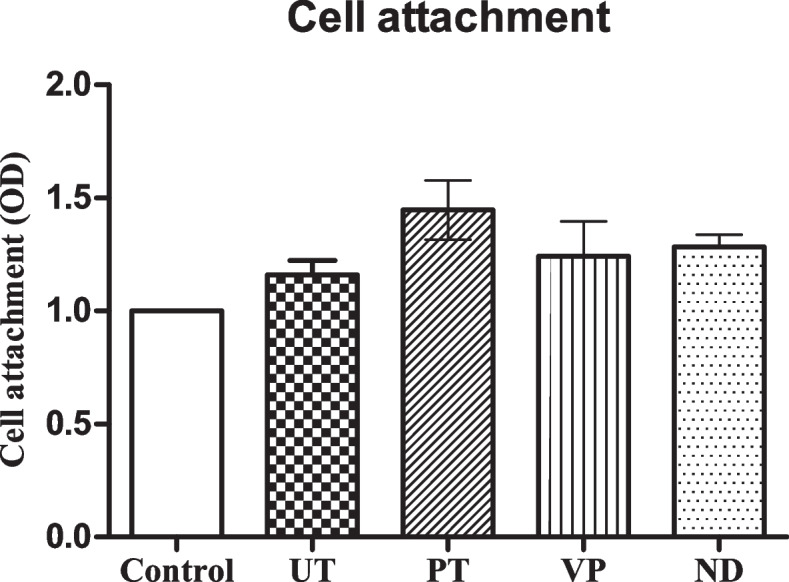
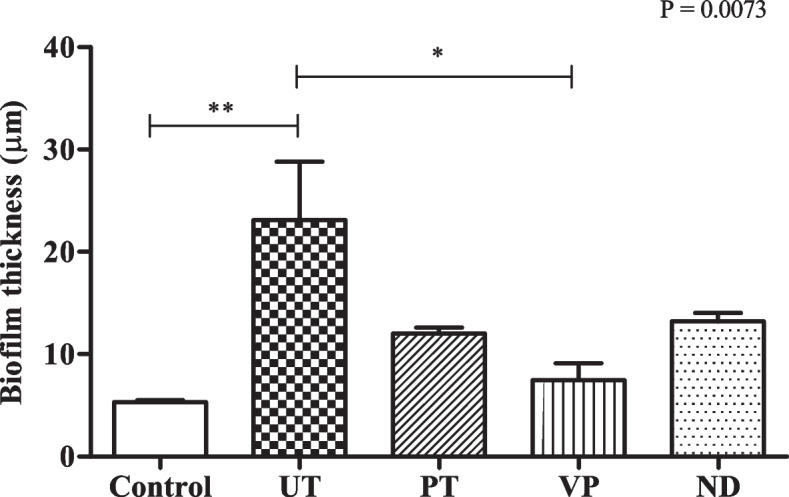
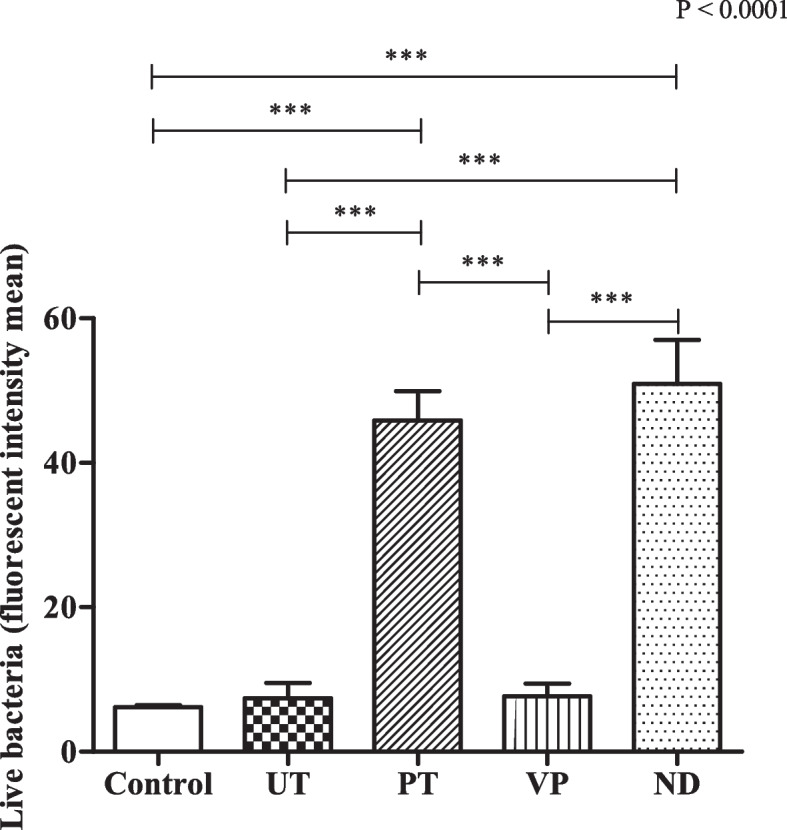
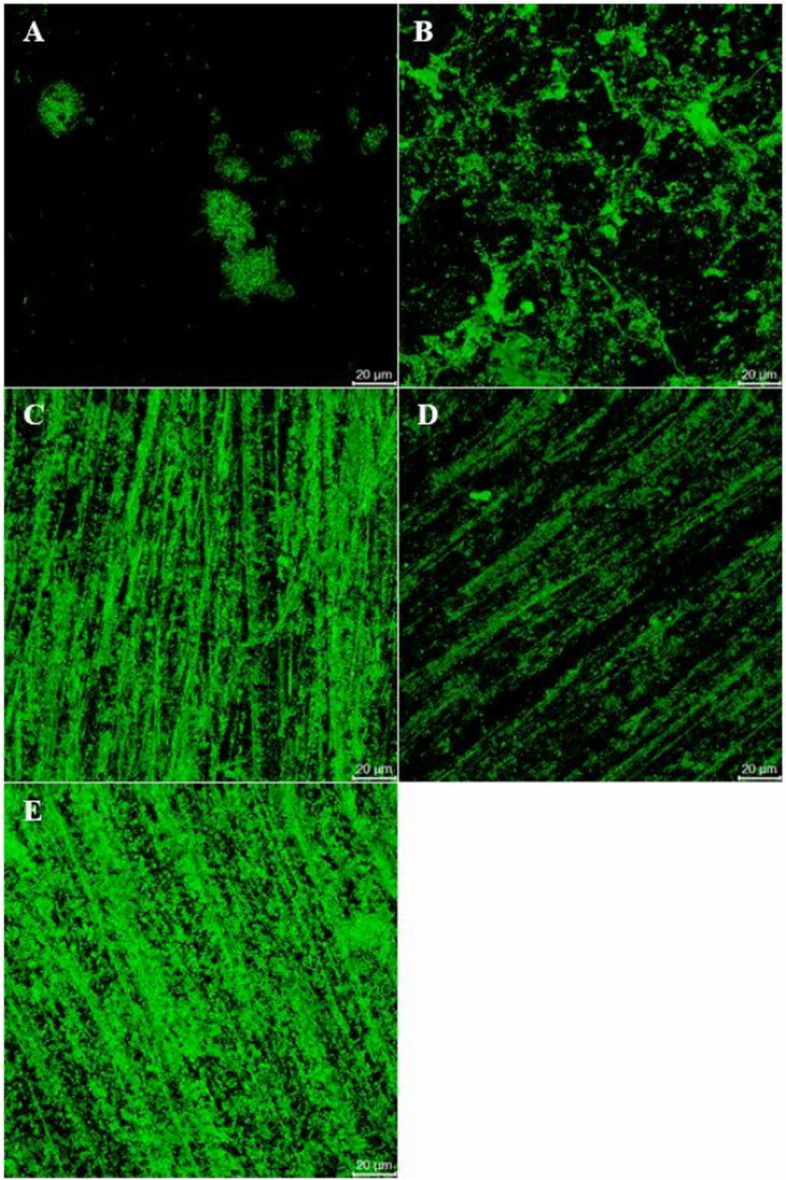
Dental implant treatment is a complex and sophisticated process, and implant provisional restorations play a vital role in ensuring its success. The advent of computer-aided design and computer-aided manufacturing (CAD/CAM) technology has revolutionized the field of implant restorations by providing improved precision leading to a reduction in chair time and more predictable treatment outcomes. This technology offers a promising solution to the drawbacks of conventional methods and has the potential to transform the way implant procedures are approached. Despite the clear advantages of CAD/CAM over conventional provisional implant restorations including higher accuracy of fit and superior mechanical properties, little research has been conducted on the biological aspect of these novel restorations. This study aims to fill that gap, comprehensively assessing the biocompatibility, gingival tissue attachment and biofilm formation of a range of provisional implant restorations using CAD/CAM technology through milling and 3-D printing processes compared to conventional fabrication. The biocompatibility of the tested restorations was assessed by MTT assay, Calcein-AM assay as well as SEM analysis. The surface roughness of the tested samples was evaluated, alongside the attachment of Human Gingival Fibroblasts (HGF) cells as well as biofilm formation, and estimated Porphyromonas gingivalis (P. gingivalis) cell count from DNA detection.The results showed all tested provisional implant restorations were non-toxic and good HGF cell attachment but differed in their quantity of biofilm formation, with surface texture influenced by the material and fabrication technique, playing a role. Within the limitation of this study, the findings suggest that CAD/CAM-fabricated provisional implant restorations using a milling technique may be the most favourable among tested groups in terms of biocompatibility and periodontal-related biofilm formation.
牙种植体治疗是一个复杂而精细的过程,种植体临时修复体在确保其成功方面起着至关重要的作用。计算机辅助设计和计算机辅助制造(CAD/CAM)技术的出现彻底改变了种植体修复领域,通过提高精度,减少椅旁时间,实现更可预测的治疗效果。这项技术为克服传统方法的缺点提供了一个有前途的解决方案,并有可能改变人们对种植体手术的处理方式。尽管 CAD/CAM 相对于传统的种植体临时修复体具有明显的优势,包括更高的拟合精度和更好的机械性能,但关于这些新型修复体的生物学方面的研究很少。本研究旨在填补这一空白,通过使用 CAD/CAM 技术的铣削和 3D 打印工艺,与传统制造工艺相比,全面评估一系列临时种植体修复体的生物相容性、牙龈组织附着和生物膜形成,旨在全面评估一系列临时种植体修复体的生物相容性、牙龈组织附着和生物膜形成。通过 MTT 测定、Calcein-AM 测定和 SEM 分析评估了测试修复体的生物相容性。评估了测试样品的表面粗糙度,以及人牙龈成纤维细胞(HGF)的附着和生物膜形成情况,并通过 DNA 检测估计了牙龈卟啉单胞菌(P. gingivalis)细胞数。结果表明,所有测试的临时种植体修复体均无毒且 HGF 细胞附着良好,但生物膜形成量不同,表面纹理受材料和制造技术的影响。在本研究的限制范围内,研究结果表明,使用铣削技术制造的 CAD/CAM 临时种植体修复体在生物相容性和牙周相关生物膜形成方面可能是所有测试组中最有利的。