Department of Microbiology and Molecular Biology, Institute of Health Sciences, Collegium Medicum, University of Zielona Góra, Zielona Góra, Poland.
Dental Clinic Diamante, Lubin, Poland.
BMC Oral Health. 2022 Oct 13;22(1):442. doi: 10.1186/s12903-022-02488-5.
Temporary implant-retained restorations are required to support function and esthetics of the masticatory system until the final restoration is completed and delivered. Acrylic resins are commonly used in prosthetic dentistry and lately they have been used in three-dimensional (3D) printing technology. Since this technology it is fairly new, the number of studies on their susceptibility to microbial adhesion is low. Restorations placed even for a short period of time may become the reservoir for microorganisms that may affect the peri-implant tissues and trigger inflammation endangering further procedures. The aim of the study was to test the biofilm formation on acrylamide resins used to fabricate temporary restorations in 3D printing technology and to assess if the post-processing impacts microbial adhesion.
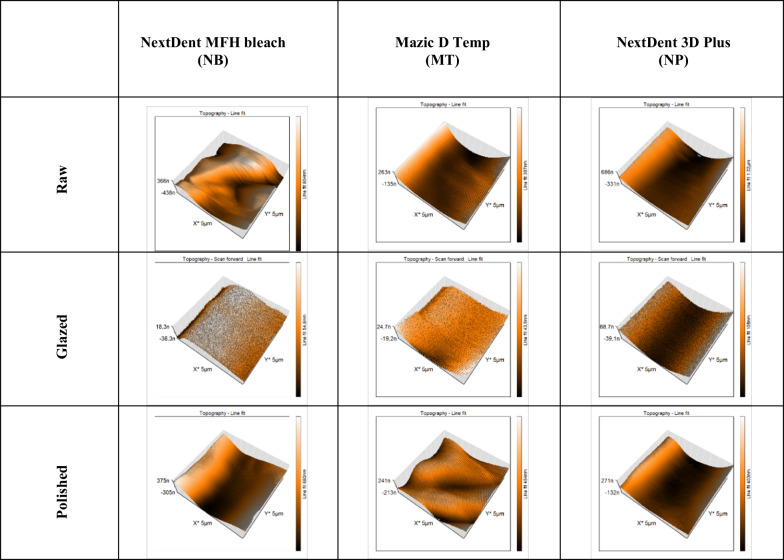
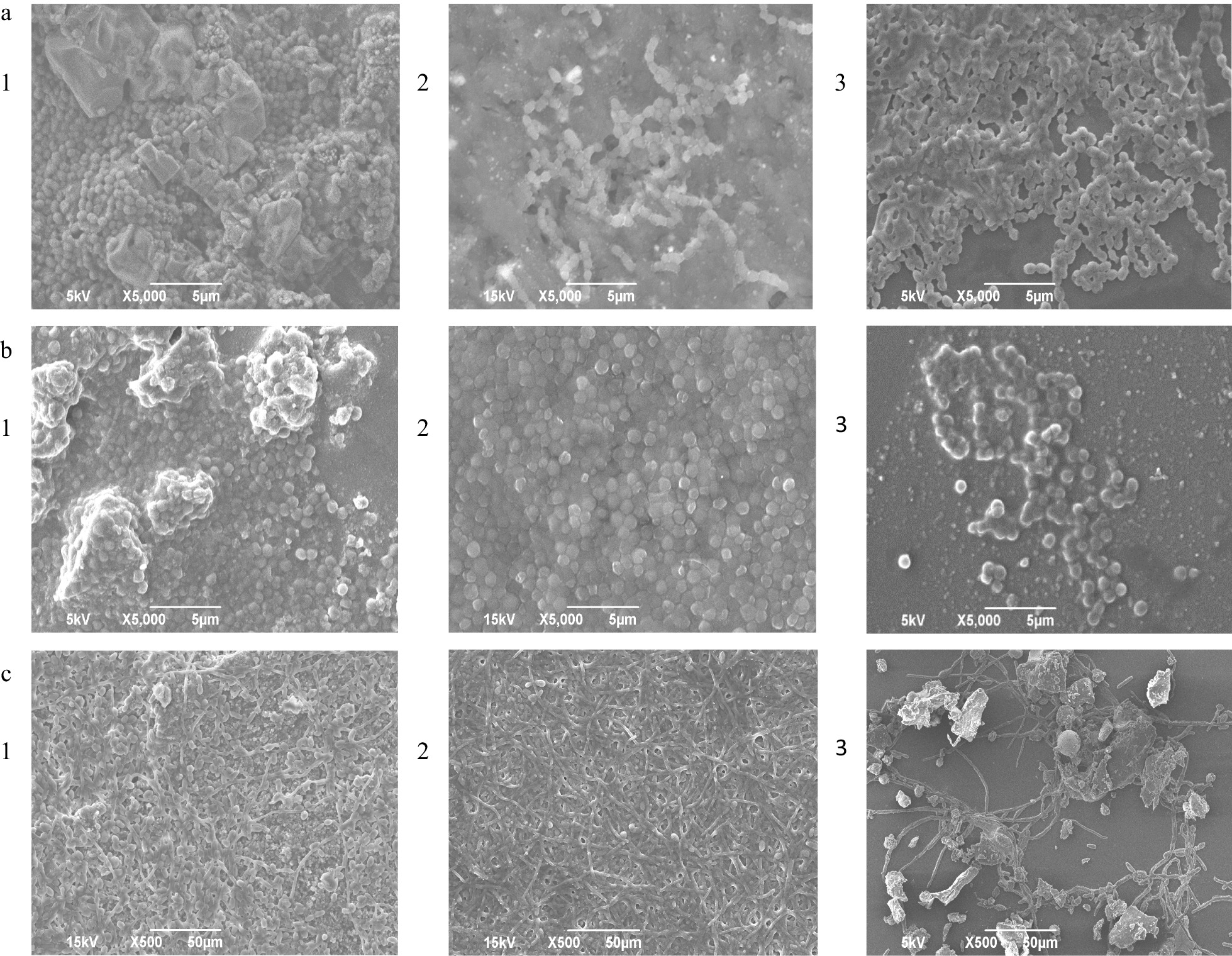
Disk-shaped samples were manufactured using the 3D printing technique from three commercially available UV-curable resins consisting of acrylate and methacrylate oligomers with various time and inhibitors of polymerization (NextDent MFH bleach, NextDent 3D Plus, MazicD Temp). The tested samples were raw, polished and glazed. The ability to create biofilm by oral streptococci (S. mutans, S. sanguinis, S. oralis, S. mitis) was tested, as well as species with higher pathogenic potential: Staphylococcus aureus, Staphylococcus epidermidis and Candida albicans. The roughness of the materials was measured by an atomic force microscope. Biofilm formation was assessed after 72 h of incubation by crystal violet staining with absorbance measurement, quantification of viable microorganisms, and imaging with a scanning electron microscope (SEM).
Each tested species formed the biofilm on the samples of all three resins. Post-production processing resulted in reduced roughness parameters and biofilm abundance. Polishing and glazing reduced roughness parameters significantly in the NextDent resin group, while glazing alone caused significant surface smoothing in Mazic Temp. A thin layer of microbial biofilm covered glazed resin surfaces with a small number of microorganisms for all tested strains except S. oralis and S. epidermidis, while raw and polished surfaces were covered with a dense biofilm, rich in microorganisms.
UV-curing acrylic resins used for fabricating temporary restorations in the 3D technology are the interim solution, but are susceptible to adhesion and biofilm formation by oral streptococci, staphylococci and Candida. Post-processing and particularly glazing process significantly reduce bacterial biofilm formation and the risk of failure of final restoration.
在最终修复体完成并交付之前,需要临时植入物保留修复体来维持咀嚼系统的功能和美观。丙烯酸树脂在修复体中被广泛应用,最近也被应用于三维(3D)打印技术。由于这项技术相对较新,研究其对微生物附着的敏感性的研究较少。即使放置时间很短的修复体也可能成为微生物的储存库,这些微生物可能会影响种植体周围组织并引发炎症,从而危及进一步的治疗过程。本研究的目的是测试用于 3D 打印技术制造临时修复体的丙烯酰胺树脂的生物膜形成情况,并评估后处理是否会影响微生物附着。
使用 3D 打印技术,从三种市售的紫外线可固化树脂中制造圆盘状样本,这些树脂由含有丙烯酰胺和甲基丙烯酰胺的低聚物组成,具有不同的聚合时间和抑制剂(NextDent MFH 漂白剂、NextDent 3D Plus、MazicD Temp)。测试样本包括原始样本、抛光样本和上釉样本。通过对口腔链球菌(变形链球菌、血链球菌、口腔链球菌、米勒链球菌)以及具有更高致病性的物种(金黄色葡萄球菌、表皮葡萄球菌和白色念珠菌)进行测试,来评估它们形成生物膜的能力。通过原子力显微镜测量材料的粗糙度。通过结晶紫染色和吸光度测量、活菌定量和扫描电子显微镜(SEM)成像来评估生物膜形成情况,孵育 72 小时后进行检测。
每种测试的物种都在三种树脂的样本上形成了生物膜。生产后处理会降低粗糙度参数和生物膜丰度。抛光和上釉显著降低了 NextDent 树脂组的粗糙度参数,而上釉单独处理会使 MazicTemp 树脂的表面显著变平滑。除了口腔链球菌和表皮葡萄球菌外,涂釉树脂表面覆盖着一层薄薄的微生物生物膜,膜上的微生物数量较少,而原始和抛光表面则覆盖着一层密集的生物膜,富含微生物。
用于 3D 技术制造临时修复体的紫外线固化丙烯酸树脂是一种临时解决方案,但易受口腔链球菌、葡萄球菌和白色念珠菌的附着和生物膜形成的影响。后处理,特别是上釉处理,可显著减少细菌生物膜的形成和最终修复体失败的风险。