Amini Hassan, Namjoo Atieh Rezaei, Narmi Maryam Taghavi, Mardi Narges, Narimani Samaneh, Naturi Ozra, Khosrowshahi Nafiseh Didar, Rahbarghazi Reza, Saghebasl Solmaz, Hashemzadeh Shahriar, Nouri Mohammad
Stem Cell Research Center, Tabriz University of Medical Sciences, Tabriz, Iran.
Department of General and Vascular Surgery, Tabriz University of Medical Sciences, Tabriz, 51548/53431, Iran.
Biomater Res. 2023 Oct 6;27(1):99. doi: 10.1186/s40824-023-00433-3.
In recent years, cardiovascular disease in particular myocardial infarction (MI) has become the predominant cause of human disability and mortality in the clinical setting. The restricted capacity of adult cardiomyocytes to proliferate and restore the function of infarcted sites is a challenging issue after the occurrence of MI. The application of stem cells and byproducts such as exosomes (Exos) has paved the way for the alleviation of cardiac tissue injury along with conventional medications in clinics. However, the short lifespan and activation of alloreactive immune cells in response to Exos and stem cells are the main issues in patients with MI. Therefore, there is an urgent demand to develop therapeutic approaches with minimum invasion for the restoration of cardiac function.
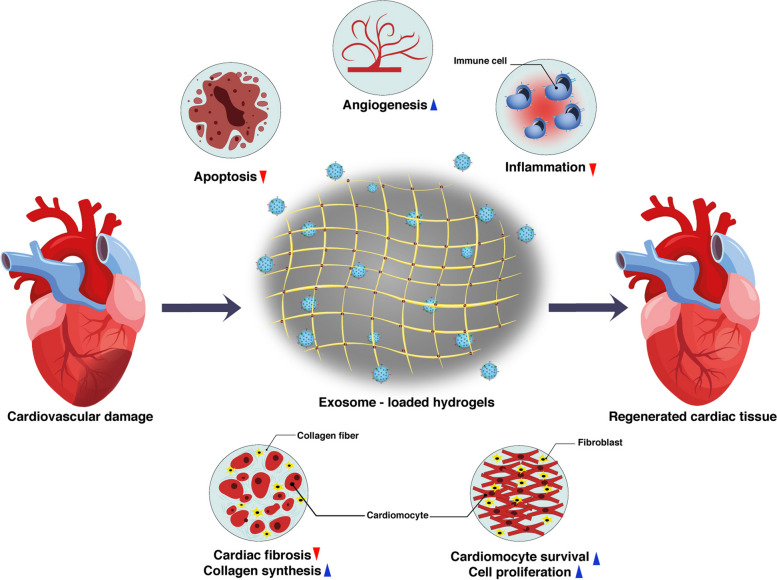
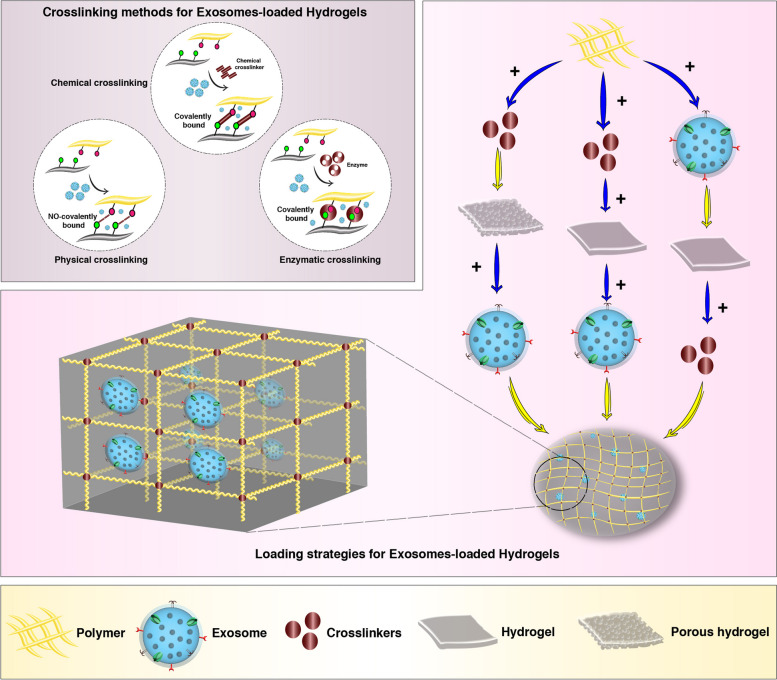
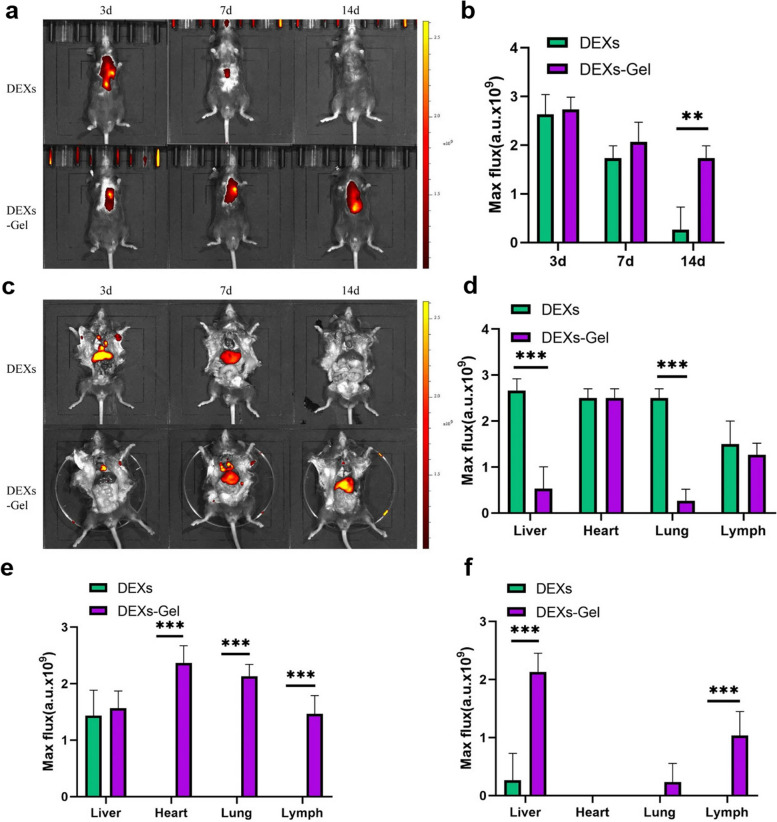
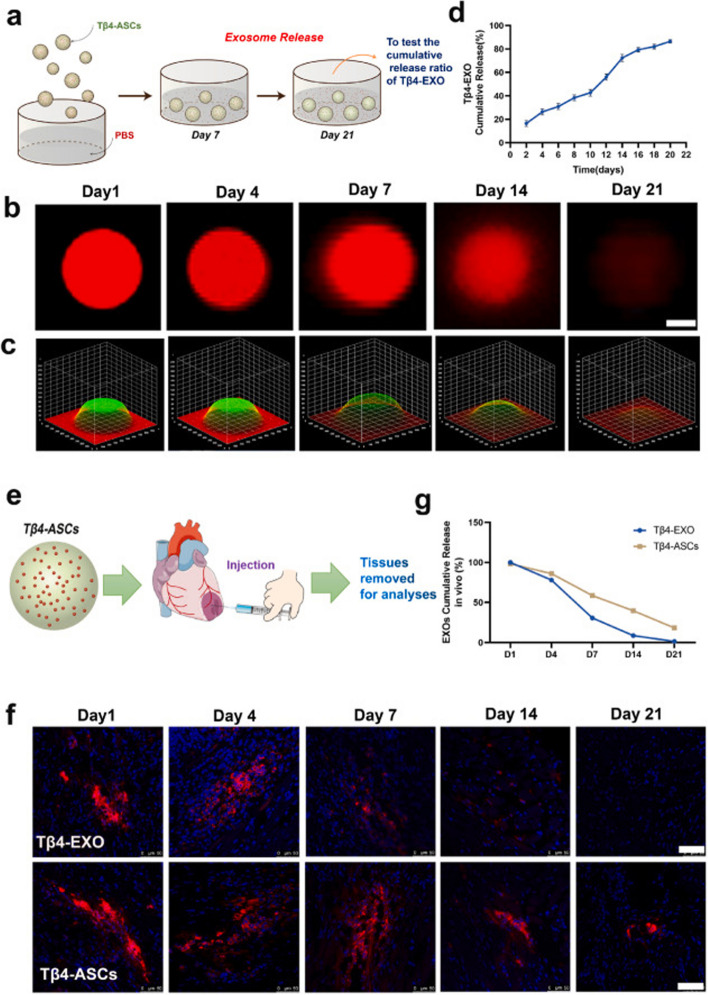
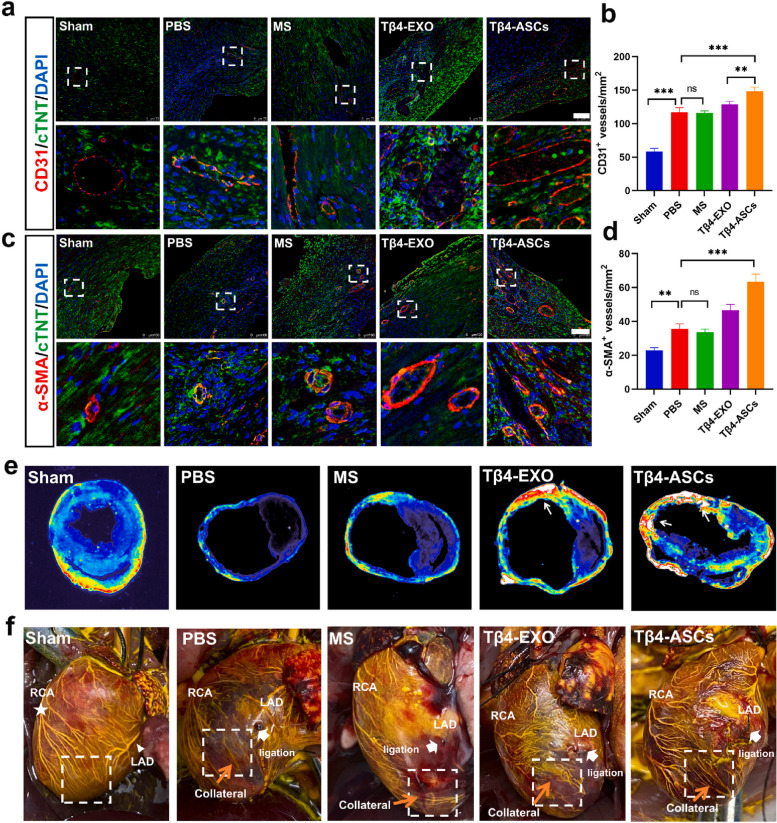
Here, we focused on recent data associated with the application of Exo-loaded hydrogels in ischemic cardiac tissue. Whether and how the advances in tissue engineering modalities have increased the efficiency of whole-based and byproducts (Exos) therapies under ischemic conditions. The integration of nanotechnology and nanobiology for designing novel smart biomaterials with therapeutic outcomes was highlighted.
Hydrogels can provide suitable platforms for the transfer of Exos, small molecules, drugs, and other bioactive factors for direct injection into the damaged myocardium. Future studies should focus on the improvement of physicochemical properties of Exo-bearing hydrogel to translate for the standard treatment options.
近年来,心血管疾病尤其是心肌梗死(MI)已成为临床环境中人类残疾和死亡的主要原因。心肌梗死后,成年心肌细胞增殖和恢复梗死部位功能的能力受限是一个具有挑战性的问题。干细胞及其衍生物如外泌体(Exos)的应用,与临床常规药物一起,为减轻心脏组织损伤铺平了道路。然而,外泌体和干细胞的短寿命以及同种异体反应性免疫细胞的激活是心肌梗死患者的主要问题。因此,迫切需要开发微创治疗方法来恢复心脏功能。
在此,我们关注了与负载外泌体水凝胶在缺血性心脏组织中的应用相关的最新数据。组织工程模式的进展是否以及如何提高了缺血条件下基于整体和衍生物(外泌体)疗法的效率。强调了纳米技术和纳米生物学在设计具有治疗效果的新型智能生物材料方面的整合。
水凝胶可为外泌体、小分子、药物和其他生物活性因子的传递提供合适的平台,以便直接注射到受损心肌中。未来的研究应专注于改善负载外泌体水凝胶的物理化学性质,以转化为标准治疗选择。