CAS Key Laboratory of Insect Developmental and Evolutionary Biology, CAS Center for Excellence in Molecular Plant Sciences (CEMPS), Institute of Plant Physiology and Ecology (SIPPE), Chinese Academy of Sciences (CAS), Shanghai, China.
University of CAS, Shanghai, China.
Nat Commun. 2023 Oct 17;14(1):6551. doi: 10.1038/s41467-023-42226-1.
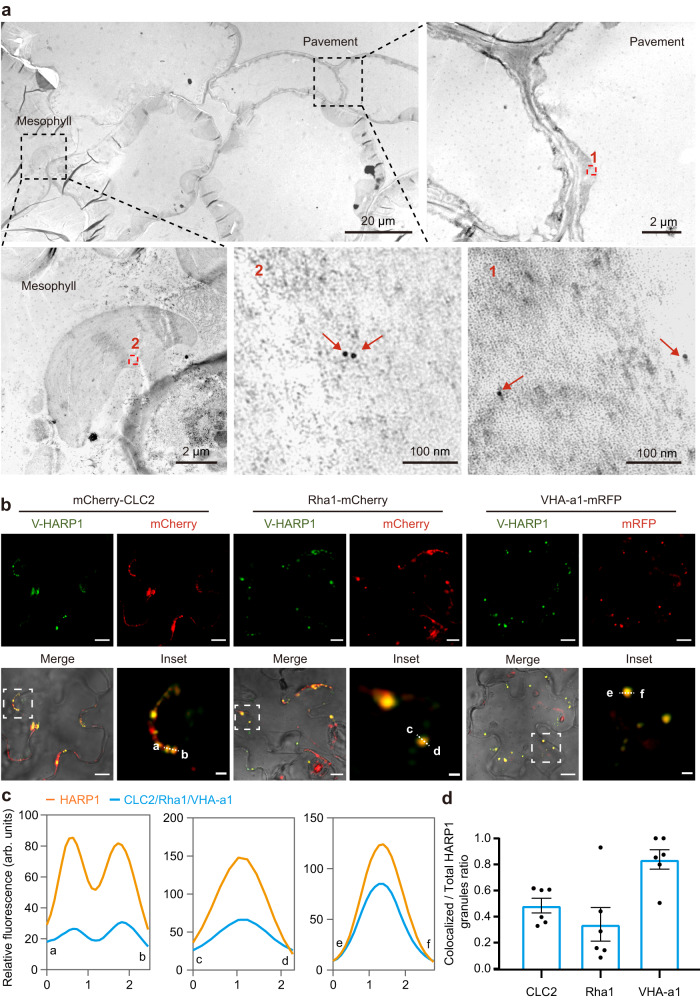
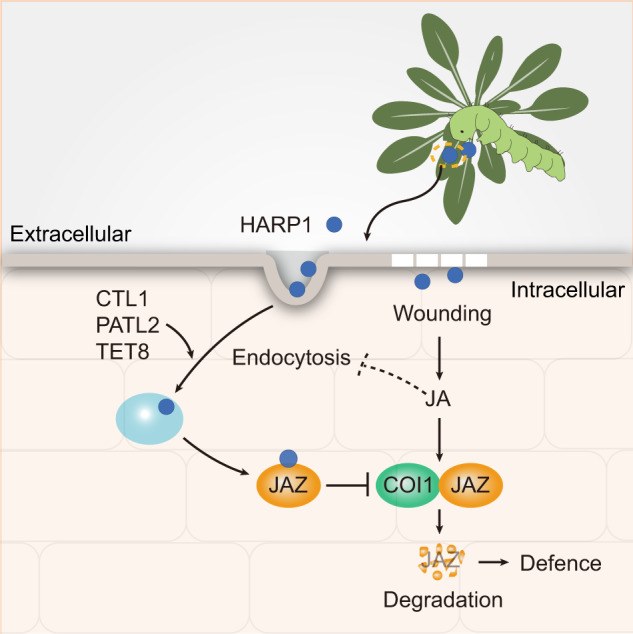
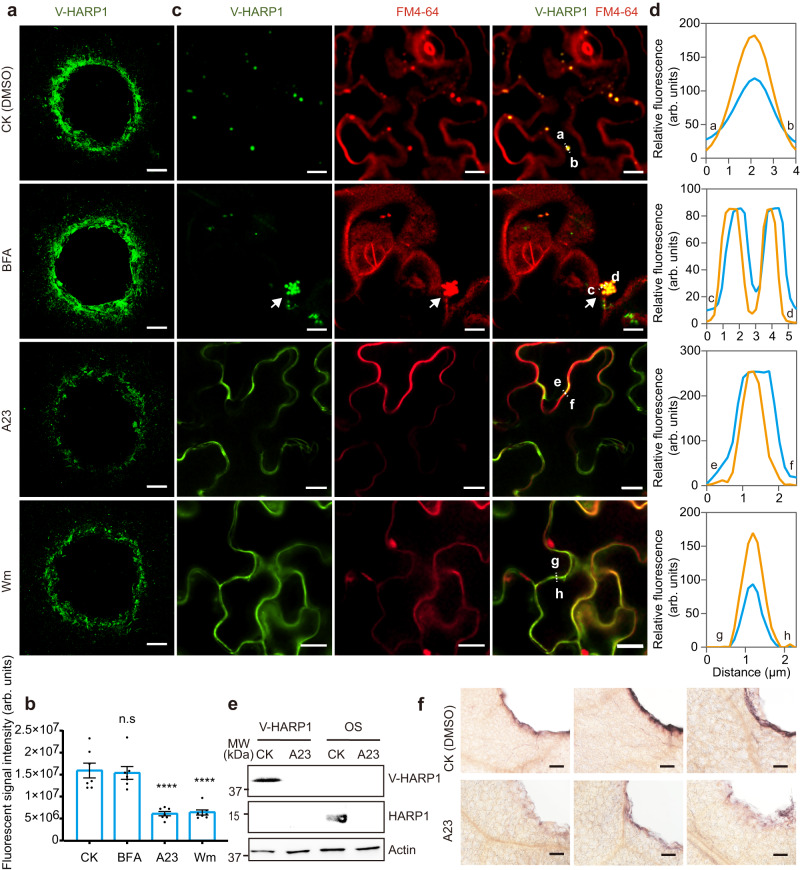
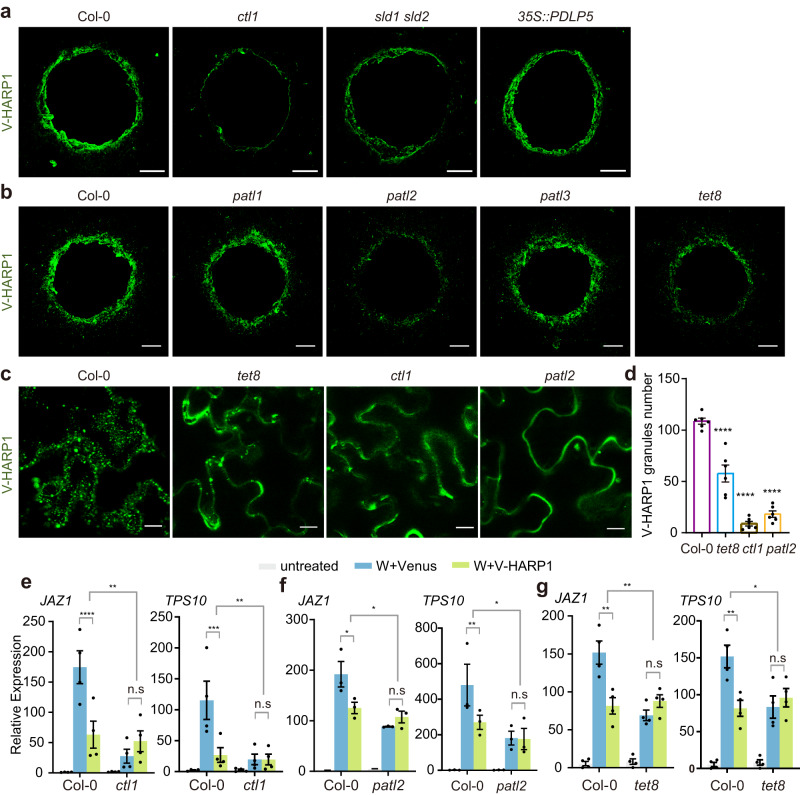
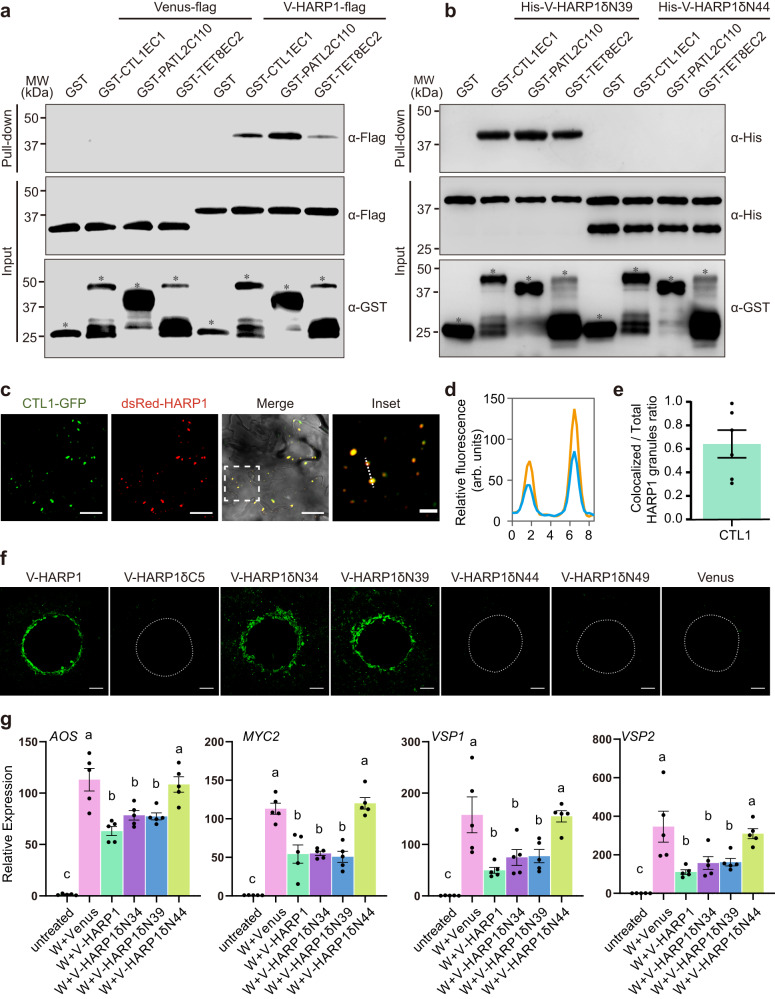
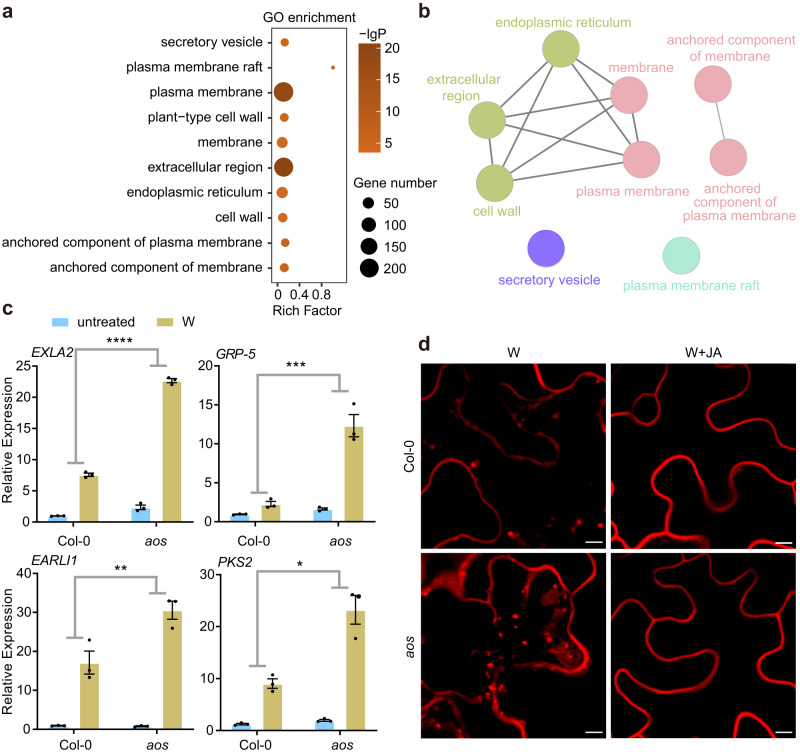
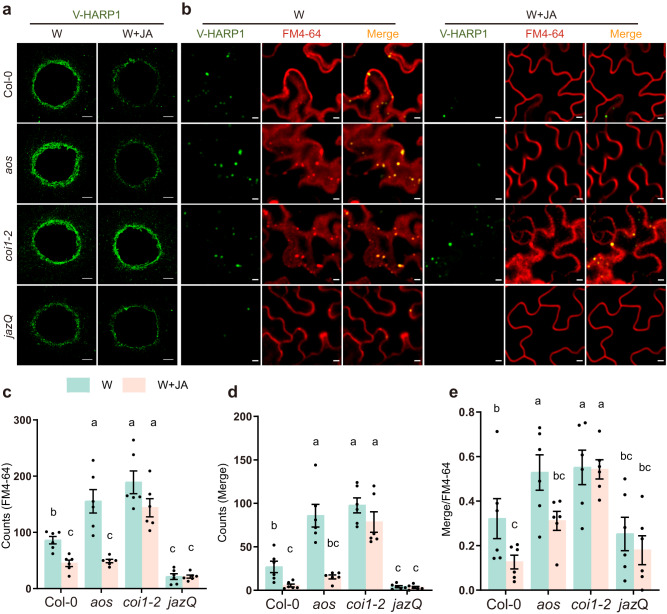
Insects and pathogens release effectors into plant cells to weaken the host defense or immune response. While the imports of some bacterial and fungal effectors into plants have been previously characterized, the mechanisms of how caterpillar effectors enter plant cells remain a mystery. Using live cell imaging and real-time protein tracking, we show that HARP1, an effector from the oral secretions of cotton bollworm (Helicoverpa armigera), enters plant cells via protein-mediated endocytosis. The entry of HARP1 into a plant cell depends on its interaction with vesicle trafficking components including CTL1, PATL2, and TET8. The plant defense hormone jasmonate (JA) restricts HARP1 import by inhibiting endocytosis and HARP1 loading into endosomes. Combined with the previous report that HARP1 inhibits JA signaling output in host plants, it unveils that the effector and JA establish a defense and counter-defense loop reflecting the robust arms race between plants and insects.
昆虫和病原体将效应物释放到植物细胞中,以削弱宿主防御或免疫反应。虽然先前已经对一些细菌和真菌效应物进入植物的机制进行了描述,但毛毛虫效应物进入植物细胞的机制仍然是一个谜。本研究通过活细胞成像和实时蛋白质追踪,显示了来自棉铃虫(Helicoverpa armigera)口腔分泌物的效应物 HARP1 通过蛋白介导的内吞作用进入植物细胞。HARP1 进入植物细胞的过程依赖于其与囊泡运输成分的相互作用,包括 CTL1、PATL2 和 TET8。植物防御激素茉莉酸(JA)通过抑制内吞作用和 HARP1 加载到内体中来限制 HARP1 的导入。结合之前的报道,HARP1 抑制了宿主植物中 JA 信号输出,揭示了效应物和 JA 之间建立了一个防御和反防御的循环,反映了植物和昆虫之间激烈的军备竞赛。