Department of Environmental Sciences and Engineering, Faculty of Agriculture and Environment, Arak University, Arak, 38156-8-8349, Iran.
Department of Medicinal Plants, Faculty of Agriculture and Natural Resources, Arak University, Arak, 38156-8-8349, Iran.
Sci Rep. 2023 Oct 18;13(1):17761. doi: 10.1038/s41598-023-45120-4.
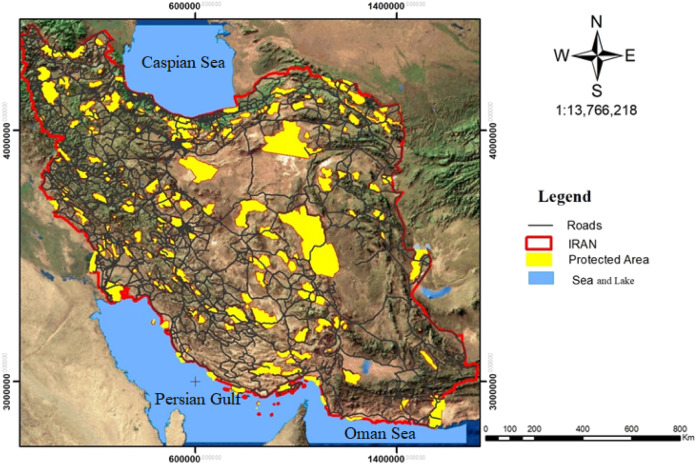
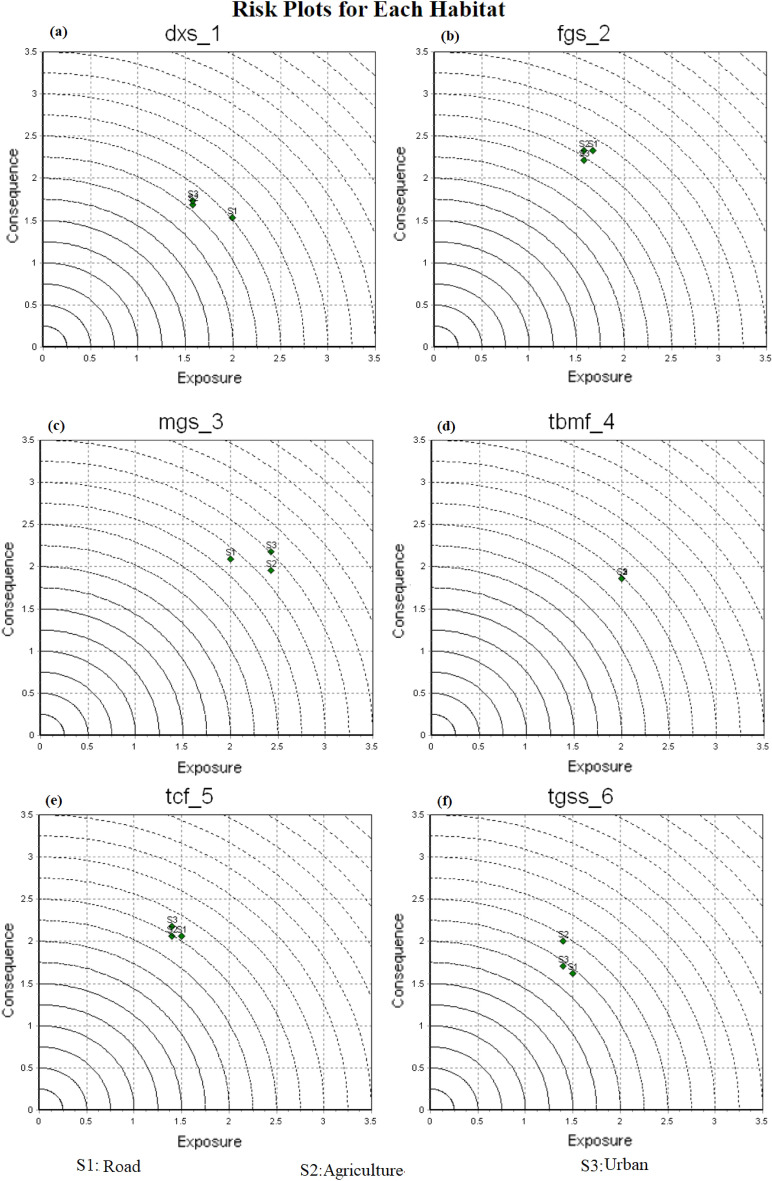
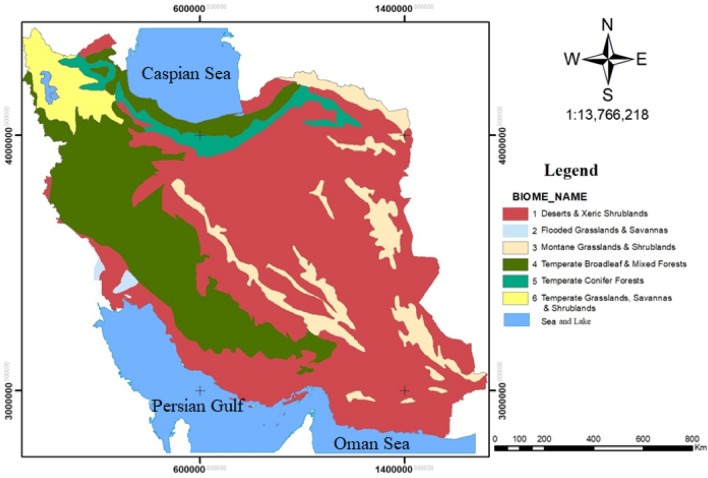
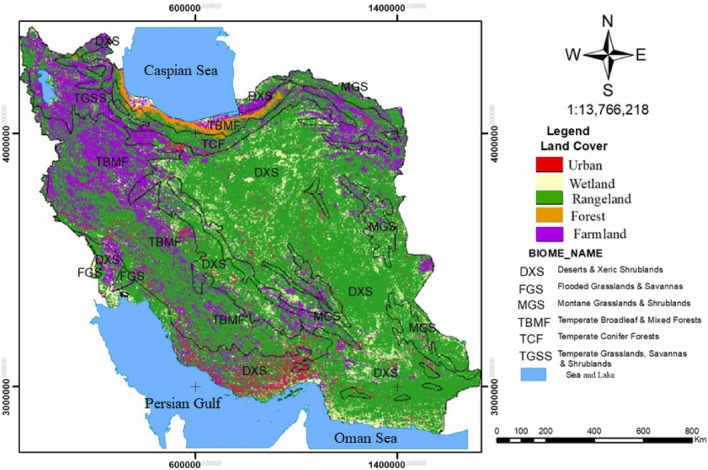
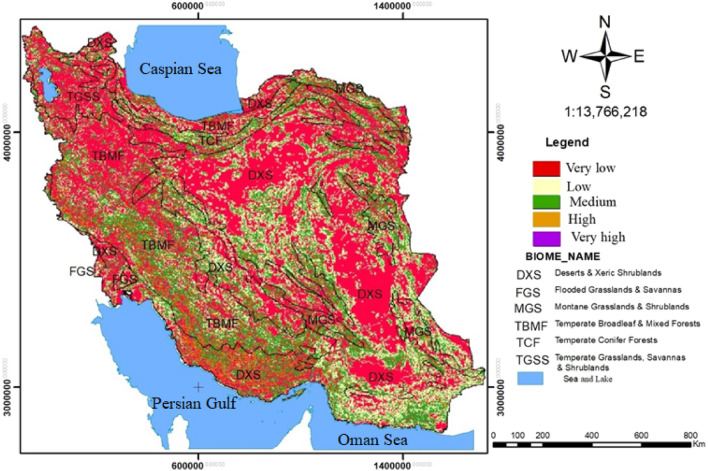
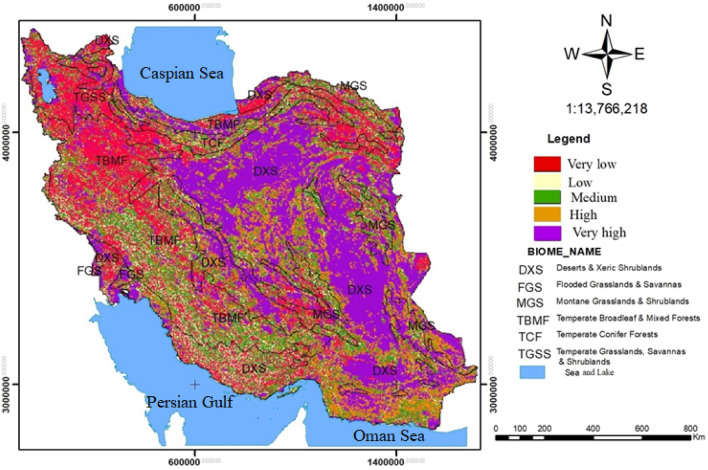
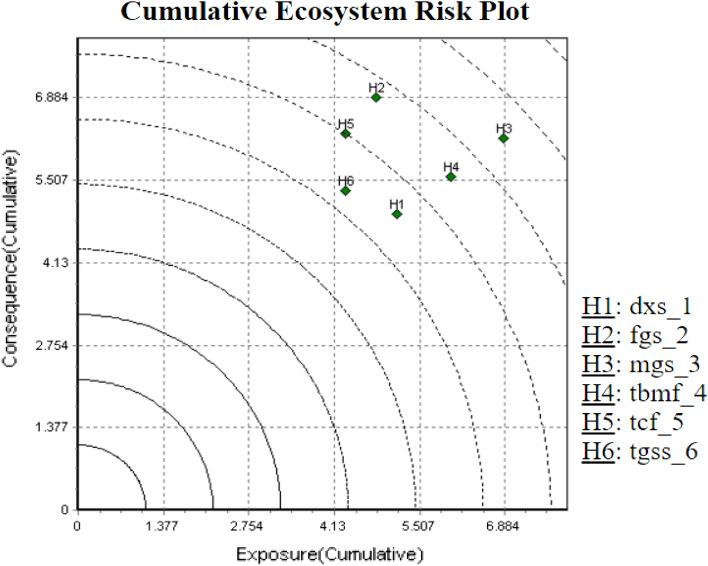
Man-made activities pose the greatest threats to wildlife in Iran's terrestrial biomes, causing significant habitat damage and fragmentation in recent years. To fully understand these threats, the present study was conducted to identify and map the Iran's terrestrial biomes using the IDRISI TerrSet 18.31 Software, the Terrestrial Biomes Ecosystem Service Modeler on the InVEST toolkit (TBESMI), and comprehensive data sources including maps of roads, protected areas, terrestrial biomes, and country-wide land cover maps of 2017. The results showed that the largest terrestrial biome in Iran is deserts and xeric shrublands (DXS), while flooded grasslands and savannas (FGS) is the smallest biome. Roads, along with urban and agricultural developments are among the biggest threats and most destructive stressors in Iran's terrestrial biomes. The results also revealed that there was a growth in destruction of habitats located in the temperate broadleaf and mixed forest (TBMF), temperate coniferous forest (TCF), and FGS, alongside a decrease in the DXS biome. Furthermore, we detected an increase in habitat landscape quality in the DXS, FGS and montane grasslands and shrub lands (MGS), and a decrease in the temperate grasslands, savannas and shrublands (TGSS) and TBMF biomes. Finally, the cumulative risk of habitat degradation increased in the FGS, TCF, TGSS, and TBMF biomes, whereas it decreased in the DXS biome. The FGS biome with the highest consequence cumulative score, and the MGS biome with the highest cumulative risk exposure score were found to be at the highest risk from man-made activities. Stressors associated with agriculture and urbanization had the highest cumulative exposure scores in the MGS, while roads had the highest exposure scores in the TBMF and DXS biomes. Our study underscores the critical importance of conserving Iran's terrestrial biomes and wildlife, especially in high-risk biomes like FGS and MGS, given the substantial threats posed by human activities.
人为活动对伊朗陆地生物群系中的野生动物构成了最大威胁,近年来造成了重大的栖息地破坏和破碎化。为了全面了解这些威胁,本研究使用 IDRISI TerrSet 18.31 软件、InVEST 工具包中的陆地生物群系生态系统服务模型器(TBESMI)以及包括道路、保护区、陆地生物群系和 2017 年全国土地覆盖图在内的综合数据源,对伊朗的陆地生物群系进行了识别和制图。结果表明,伊朗最大的陆地生物群系是沙漠和干旱灌木群落(DXS),而湿地草原和热带稀树草原(FGS)是最小的生物群系。道路以及城市和农业发展是伊朗陆地生物群系中最大的威胁和最具破坏性的压力源。结果还表明,温带阔叶林和混合林(TBMF)、温带针叶林(TCF)和 FGS 中栖息地的破坏呈增长趋势,而 DXS 生物群系的面积则有所减少。此外,我们还发现 DXS、FGS 和山地草原和灌丛(MGS)的栖息地景观质量增加,而 TBMF、TGSS 和 TBMF 生物群系的温带草原、热带稀树草原和灌丛(TGSS)的栖息地减少。最后,FGS、TCF、TGSS 和 TBMF 生物群系的栖息地退化累积风险增加,而 DXS 生物群系的栖息地退化累积风险则减少。FGS 生物群系具有最高的累积后果评分,MGS 生物群系具有最高的累积风险暴露评分,因此最容易受到人为活动的影响。与农业和城市化相关的压力源在 MGS 中具有最高的累积暴露评分,而道路在 TBMF 和 DXS 生物群系中具有最高的暴露评分。我们的研究强调了保护伊朗陆地生物群系和野生动物的重要性,特别是在像 FGS 和 MGS 这样高风险的生物群系中,因为人类活动带来了巨大的威胁。