Lin Miao, Xie Weixi, Xiong Dayan, Tang Siyuan, Huang Xiaoting, Deng Lang, Huang Lei, Zhang Xiaohua, Zhou Tingting, Qian Rui, Zeng Qian, Sang Xiaoxue, Luo Yuyang, Hua Qingzhong, Ren Lu, Liu Wei
Department of Community Nursing, Xiangya Nursing School, Central South University, Changsha, 410013, China.
Occupational Disease Department, Hunan Prevention and Treatment Institute for Occupational Diseases, Changsha, 410013, China.
Chin Med. 2023 Oct 19;18(1):136. doi: 10.1186/s13020-023-00837-2.
Acute lung injury (ALI) is a severe disease that can lead to acute respiratory distress syndrome (ARDS), characterized by intractable hypoxemia, poor lung compliance, and respiratory failure, severely affecting patients' quality of life. The pathogenesis of ALI has not been fully elucidated yet, and sepsis is an important cause of ALI. Among the organ injuries caused by sepsis, the lungs are the earliest damaged ones. Radix cyathulae is reported to have analgesic, anti-inflammatory, and anti-aging effects. Cyasterone is extracted from Radix cyathulae. However, it is not known whether cyasterone has protective effects for ALI. This study aims to investigate the effect of cyasterone on sepsis-related ALI and its mechanism.
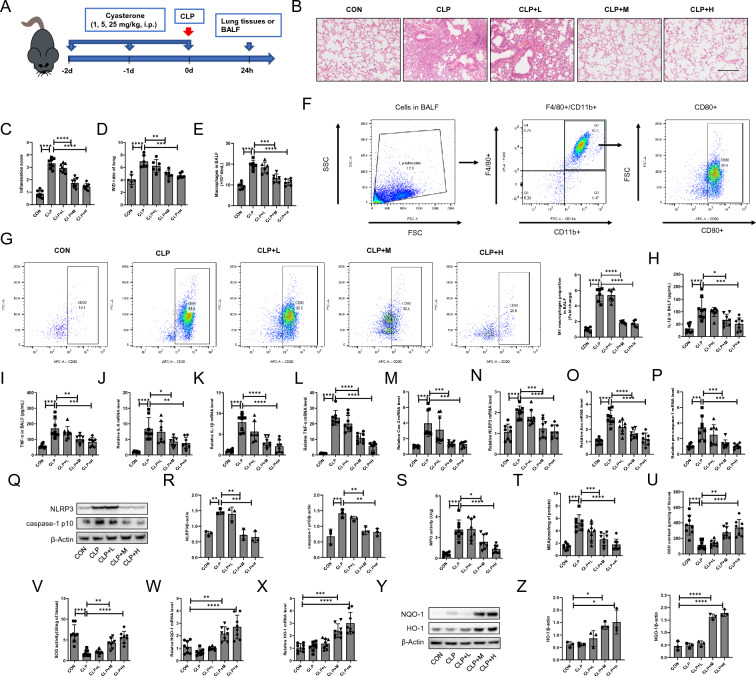
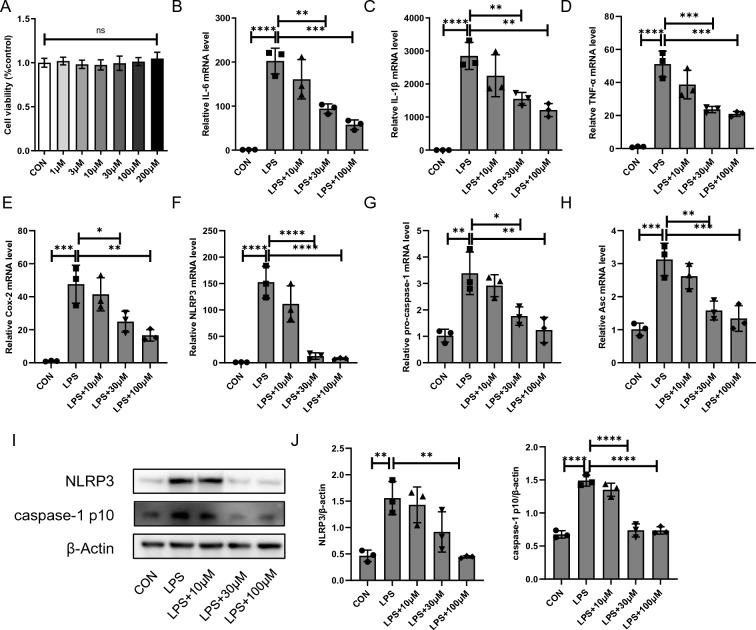
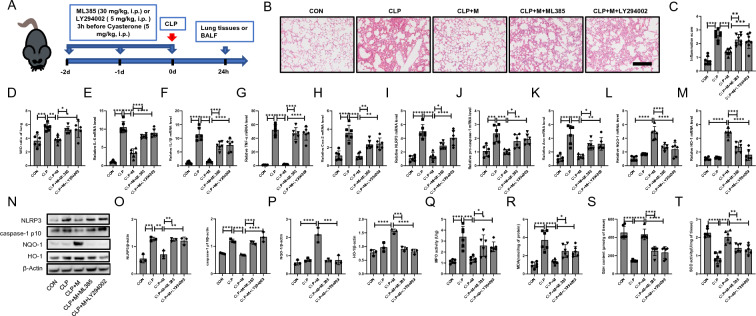
We used the cecal ligation peferation (CLP) method to establish a mouse sepsis model, and cyasterone was given intraperitoneally on days 1-3 to observe its preventive effect on sepsis-related acute lung injury. Primary murine peritoneal macrophages were used to investigate the molecular mechanism of cyasterone in vitro.
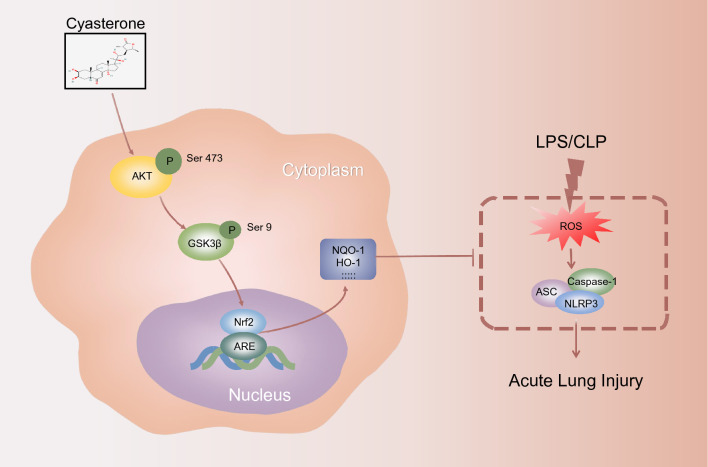
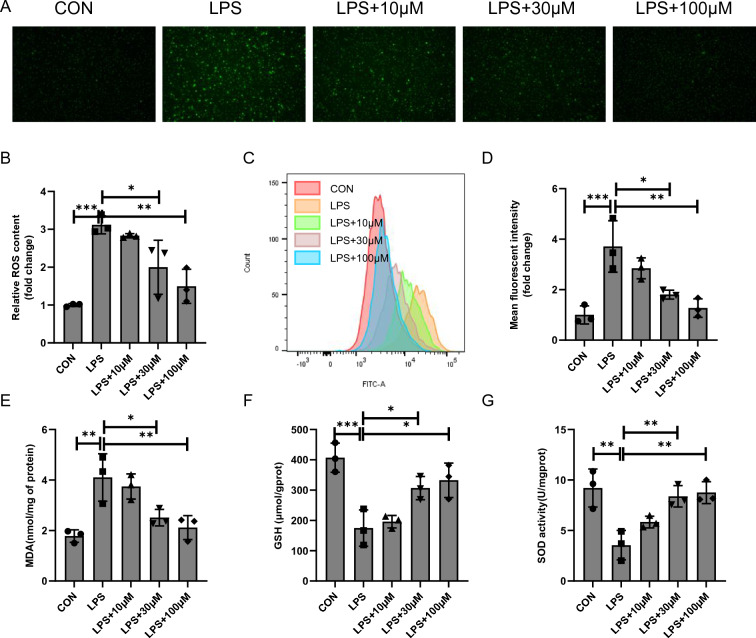
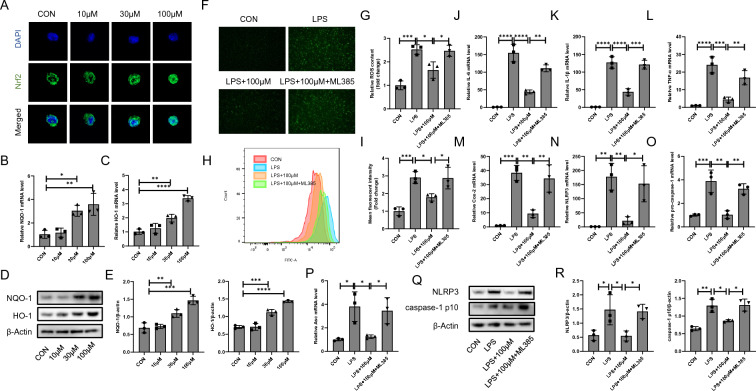
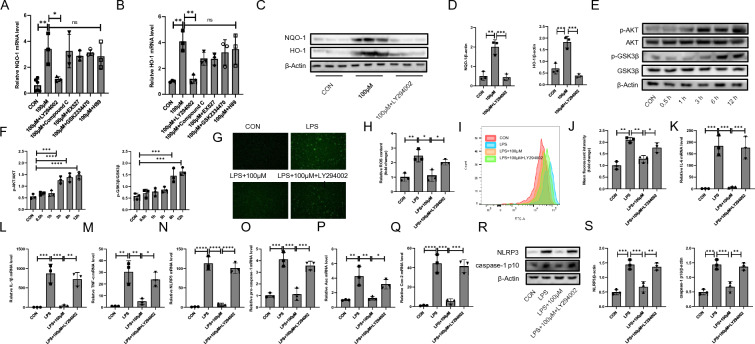
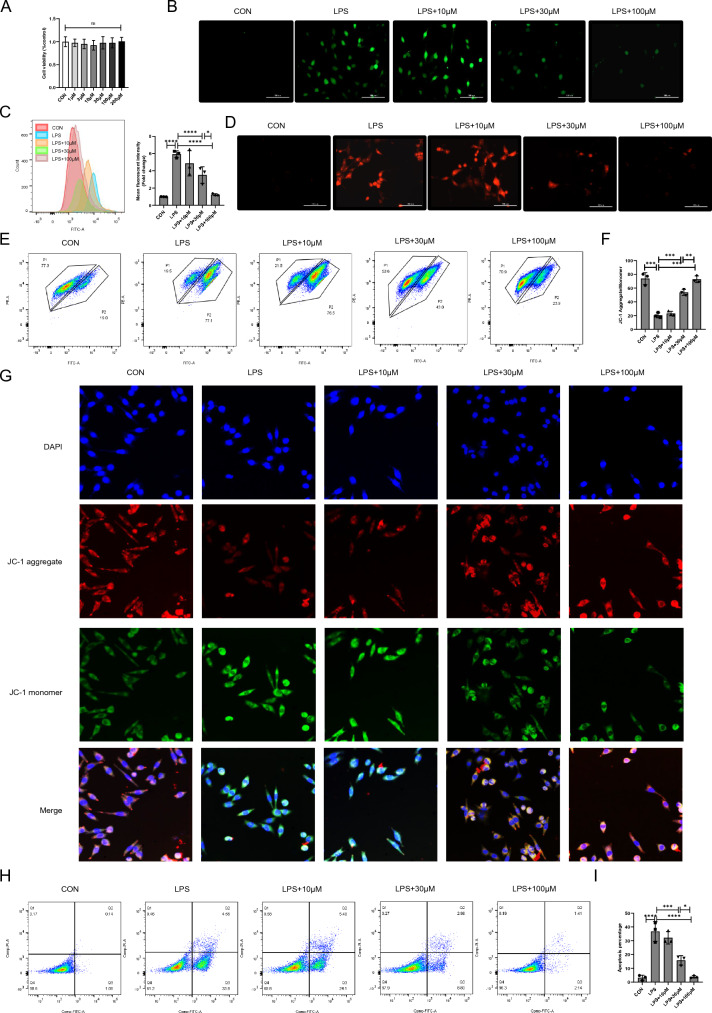
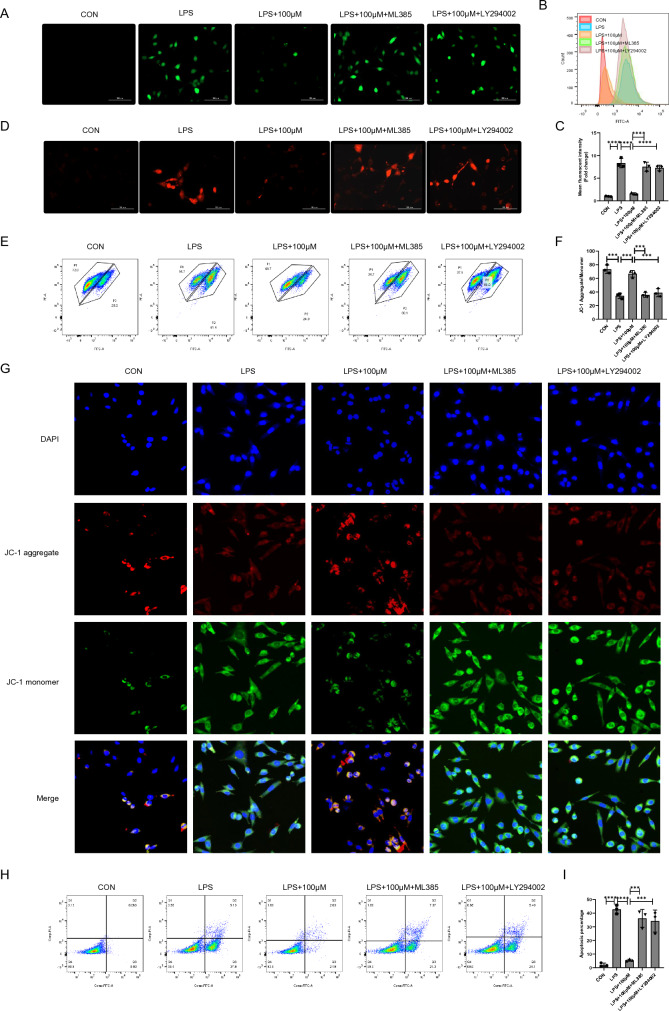
Cyasterone pretreatment inhibits pro-inflammatory cytokine production, NLRP3 inflammasome activation, and oxidative stress in vivo and in vitro. In addition, cyasterone attenuates sepsis-induced ALI by activating nuclear factor erythroid2-related factor (Nrf2), which may be associated with AKT(Ser473)/GSK3β(Ser9) pathway activation.
Cyasterone defends against sepsis-induced ALI by inhibiting inflammatory responses and oxidative stress, which depends heavily on the upregulation of the Nrf2 pathway through phosphorylation of AKT(Ser473)/GSK3β(Ser9). These results suggest cyasterone may be a valuable drug candidate for preventing sepsis-related ALI.
急性肺损伤(ALI)是一种严重疾病,可导致急性呼吸窘迫综合征(ARDS),其特征为顽固性低氧血症、肺顺应性差及呼吸衰竭,严重影响患者生活质量。ALI的发病机制尚未完全阐明,脓毒症是ALI的重要病因。在脓毒症所致的器官损伤中,肺是最早受损的器官。据报道,川牛膝具有镇痛、抗炎和抗衰老作用。牛膝甾酮是从川牛膝中提取的。然而,尚不清楚牛膝甾酮对ALI是否具有保护作用。本研究旨在探讨牛膝甾酮对脓毒症相关ALI的影响及其机制。
我们采用盲肠结扎穿孔(CLP)法建立小鼠脓毒症模型,并于第1至3天腹腔注射牛膝甾酮,观察其对脓毒症相关急性肺损伤的预防作用。采用原代小鼠腹腔巨噬细胞在体外研究牛膝甾酮的分子机制。
牛膝甾酮预处理在体内和体外均能抑制促炎细胞因子的产生、NLRP3炎性小体的激活及氧化应激。此外,牛膝甾酮通过激活核因子E2相关因子(Nrf2)减轻脓毒症诱导的ALI,这可能与AKT(Ser⁴⁷³)/GSK3β(Ser⁹)信号通路的激活有关。
牛膝甾酮通过抑制炎症反应和氧化应激来抵御脓毒症诱导的ALI,这在很大程度上依赖于通过AKT(Ser⁴⁷³)/GSK3β(Ser⁹)磷酸化上调Nrf2信号通路。这些结果表明,牛膝甾酮可能是预防脓毒症相关ALI的一种有价值的候选药物。