Isdaner Andrew J, Levis Nicholas A, Pfennig David W
Department of Biology University of North Carolina Chapel Hill North Carolina USA.
Department of Biology Indiana University Bloomington Indiana USA.
Ecol Evol. 2023 Oct 20;13(10):e10646. doi: 10.1002/ece3.10646. eCollection 2023 Oct.
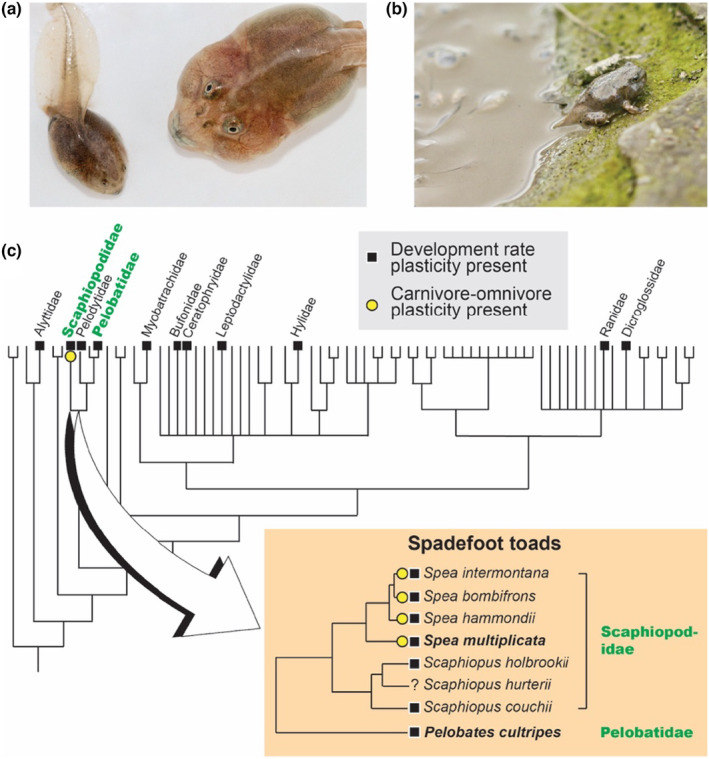
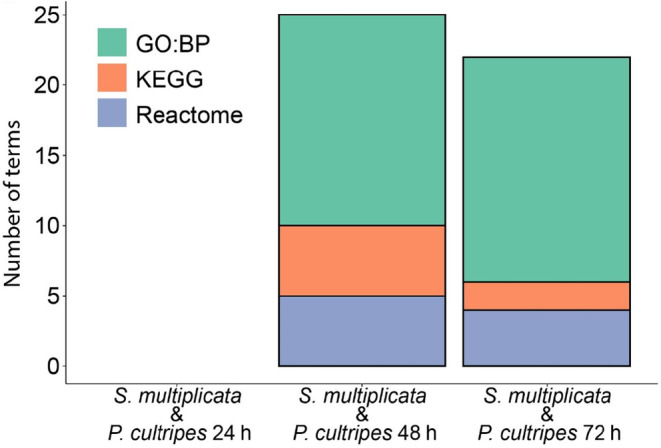
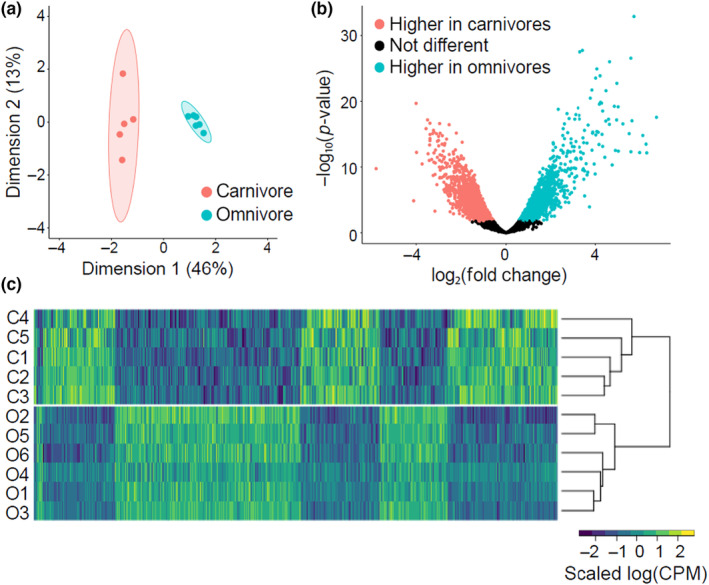
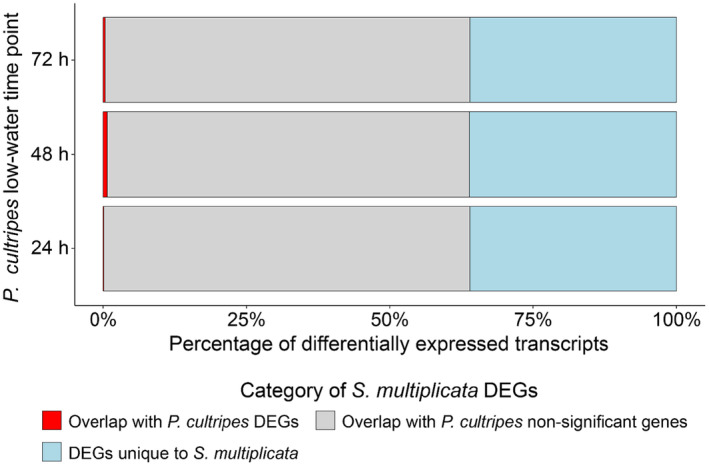
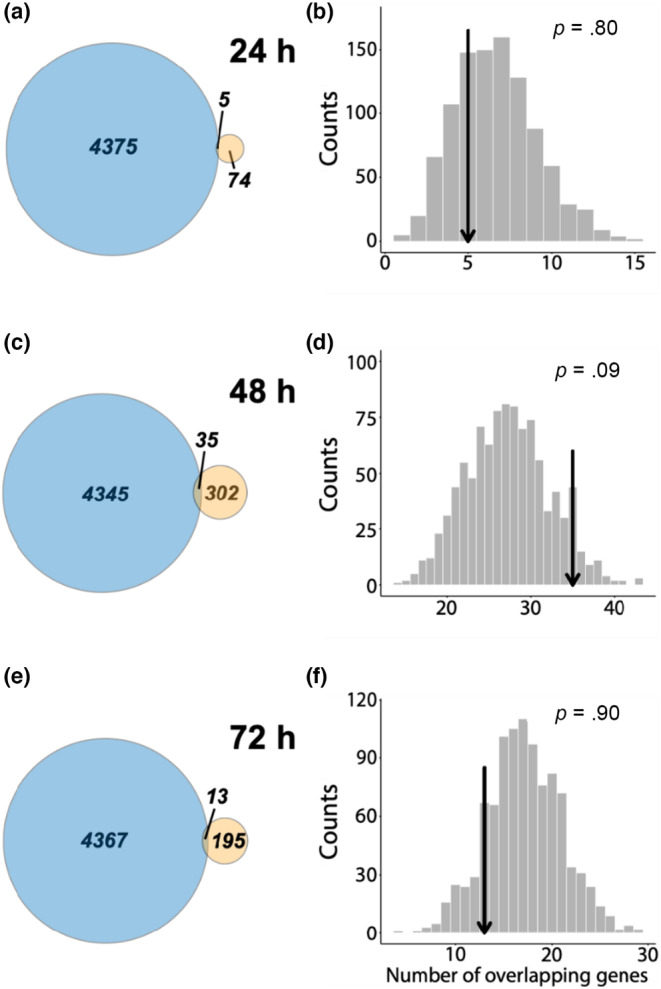
Novel forms of phenotypic plasticity may evolve by lineage-specific changes or by co-opting mechanisms from more general forms of plasticity. Here, we evaluated whether a novel resource polyphenism in New World spadefoot toads (genus ) evolved by co-opting mechanisms from an ancestral form of plasticity common in anurans-accelerating larval development rate in response to pond drying. We compared overlap in differentially expressed genes between alternative trophic morphs constituting the polyphenism in versus those found between tadpoles of Old World spadefoot toads (genus ) when experiencing different pond-drying regimes. Specifically, we (1) generated a de novo transcriptome and conducted differential gene expression analysis in , (2) utilized existing gene expression data and a recently published transcriptome for when exposed to different drying regimes, and (3) identified unique and overlapping differentially expressed transcripts. We found thousands of differentially expressed genes between . morphs that were involved in major developmental reorganization, but the vast majority of these were not differentially expressed in . . Thus, . 's novel polyphenism appears to have arisen primarily through lineage-specific changes in gene expression and not by co-opting existing patterns of gene expression involved in pond-drying plasticity. Therefore, although ancestral stress responses might jump-start evolutionary innovation, substantial lineage-specific modification might be needed to refine these responses into more complex forms of plasticity.
新的表型可塑性形式可能通过谱系特异性变化或通过采用更一般可塑性形式的机制而进化。在这里,我们评估了新大陆锄足蟾(属)的一种新的资源多型现象是否通过采用无尾类动物中常见的祖先可塑性形式的机制而进化——即响应池塘干涸而加速幼体发育速度。我们比较了构成该多型现象的不同营养形态之间差异表达基因的重叠情况,以及旧大陆锄足蟾(属)蝌蚪在经历不同池塘干涸状态时差异表达基因的重叠情况。具体而言,我们(1)从头生成了一个转录组,并在中进行了差异基因表达分析,(2)利用现有的基因表达数据和最近发表的关于暴露于不同干涸状态下的转录组,以及(3)鉴定了独特的和重叠的差异表达转录本。我们在的不同形态之间发现了数千个参与主要发育重组的差异表达基因,但其中绝大多数在中并非差异表达。因此,的新多型现象似乎主要是通过基因表达的谱系特异性变化产生的,而不是通过采用参与池塘干涸可塑性的现有基因表达模式。所以,尽管祖先的应激反应可能启动进化创新,但可能需要大量的谱系特异性修饰才能将这些反应完善为更复杂的可塑性形式。