García Miguel Turrero, Tran Diana N, Peterson Ralph E, Stegmann Sarah K, Hanson Sarah M, Reid Christopher M, Xie Yajun, Vu Steve, Harwell Corey C
Department of Neurology, University of California, San Francisco; San Francisco, CA.
The Eli and Edythe Broad Center of Regeneration Medicine and Stem Cell Research; San Francisco, CA.
bioRxiv. 2023 Oct 9:2023.09.24.559205. doi: 10.1101/2023.09.24.559205.
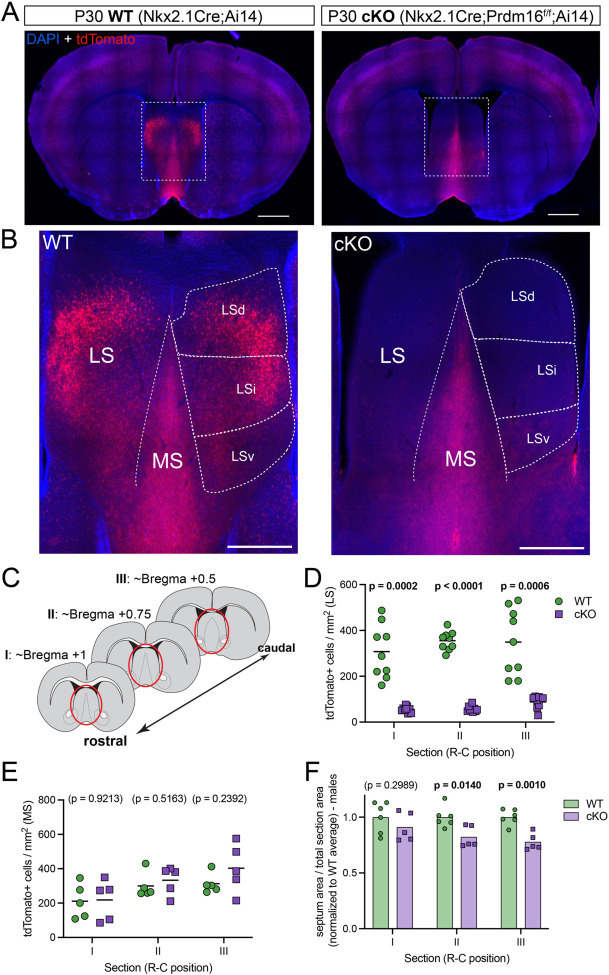
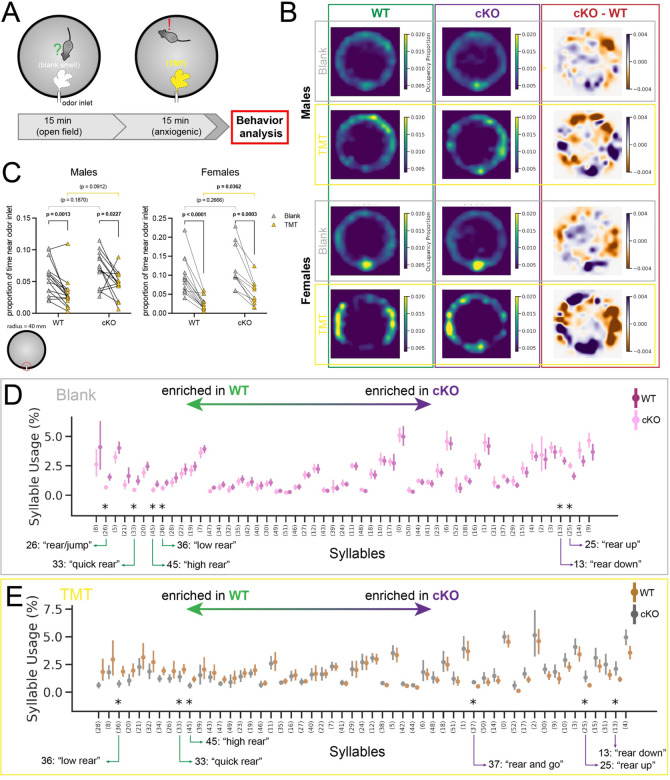
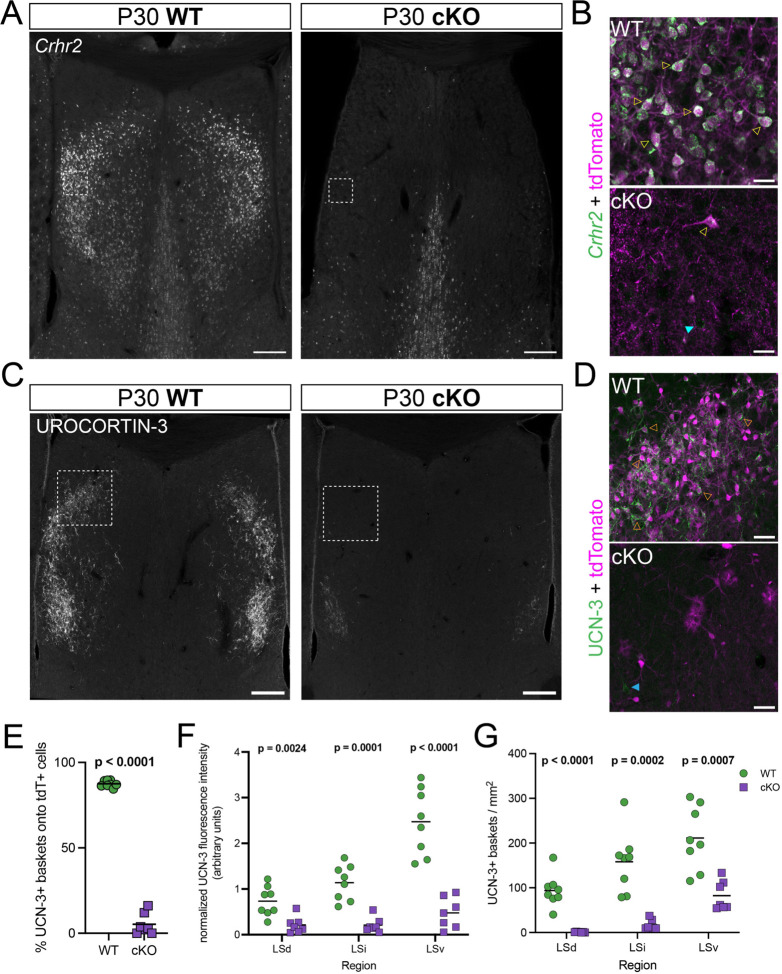
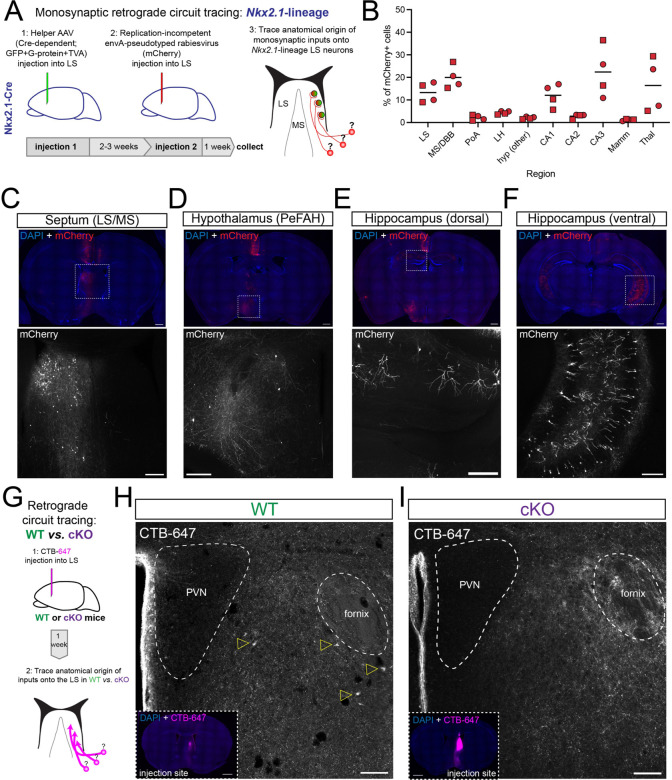
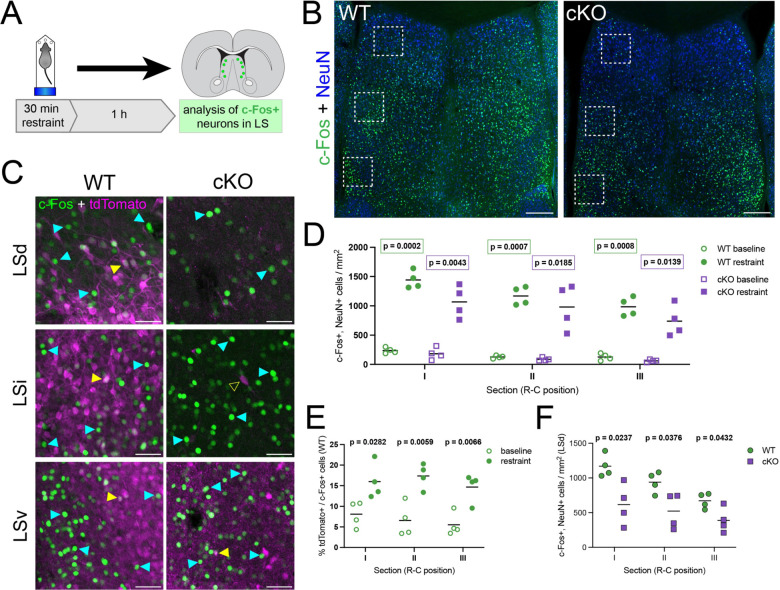
When interacting with their environment, animals must balance exploratory and defensive behavior to evaluate and respond to potential threats. The lateral septum (LS) is a structure in the ventral forebrain that calibrates the magnitude of behavioral responses to stress-related external stimuli, including the regulation of threat avoidance. The complex connectivity between the LS and other parts of the brain, together with its largely unexplored neuronal diversity, makes it difficult to understand how defined LS circuits control specific behaviors. Here, we describe a mouse model in which a population of neurons with a common developmental origin (-lineage neurons) are absent from the LS. Using a combination of circuit tracing and behavioral analyses, we found that these neurons receive inputs from the perifornical area of the anterior hypothalamus (PeFAH) and are specifically activated in stressful contexts. Mice lacking -lineage LS neurons display increased exploratory behavior even under stressful conditions. Our study extends the current knowledge about how defined neuronal populations within the LS can evaluate contextual information to select appropriate behavioral responses. This is a necessary step towards understanding the crucial role that the LS plays in neuropsychiatric conditions where defensive behavior is dysregulated, such as anxiety and aggression disorders.
在与环境互动时,动物必须平衡探索行为和防御行为,以评估并应对潜在威胁。外侧隔区(LS)是腹侧前脑的一个结构,它会校准对应激相关外部刺激的行为反应强度,包括对威胁回避的调节。LS与大脑其他部分之间复杂的连接,以及其在很大程度上尚未被探索的神经元多样性,使得理解特定的LS回路如何控制特定行为变得困难。在这里,我们描述了一种小鼠模型,其中LS中缺少一群具有共同发育起源的神经元(-谱系神经元)。通过结合回路追踪和行为分析,我们发现这些神经元从前下丘脑的穹窿周区(PeFAH)接收输入,并在应激环境中被特异性激活。缺乏-谱系LS神经元的小鼠即使在应激条件下也表现出增加的探索行为。我们的研究扩展了当前关于LS内特定神经元群体如何评估情境信息以选择适当行为反应的知识。这是理解LS在防御行为失调的神经精神疾病(如焦虑症和攻击障碍)中所起关键作用的必要一步。