Department of Human Genetics, David Geffen School of Medicine, University of California, Los Angeles, CA, USA.
Department of Biostatistics, Fielding School of Public Health, University of California, Los Angeles, CA, USA.
Geroscience. 2024 Feb;46(1):367-394. doi: 10.1007/s11357-023-00980-6. Epub 2023 Oct 24.
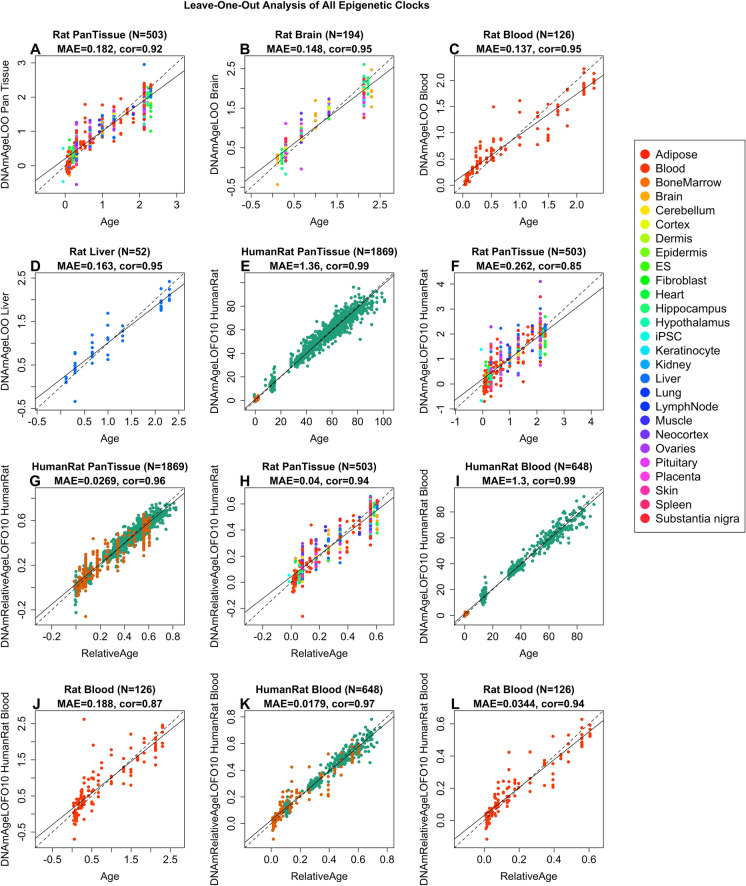
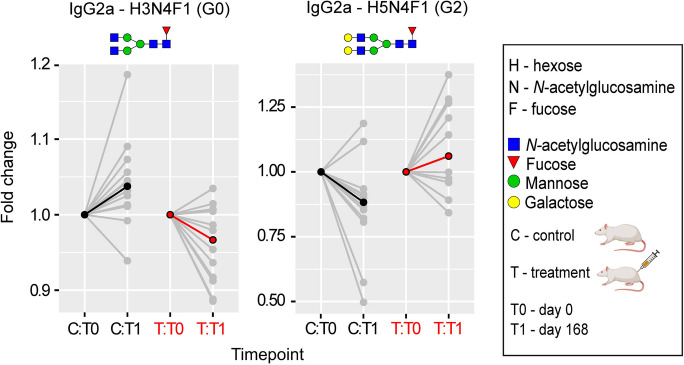
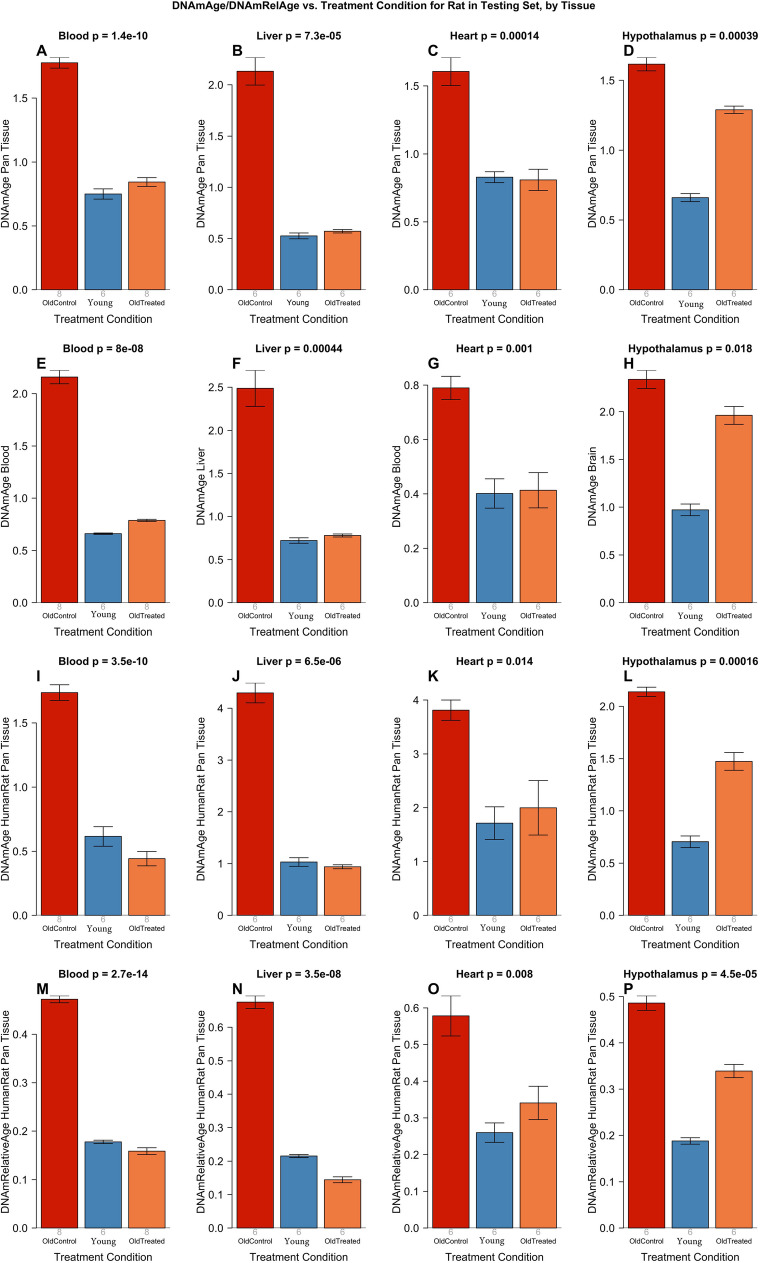
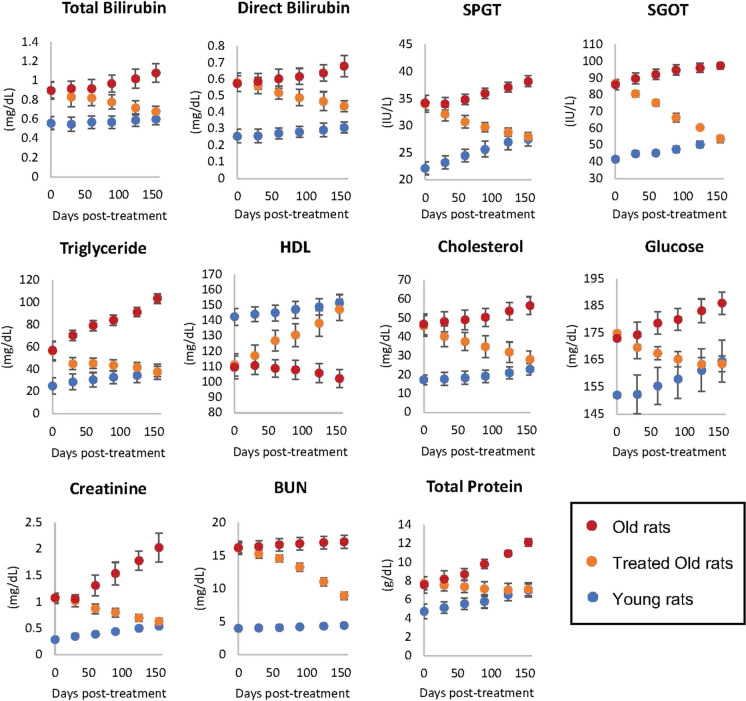
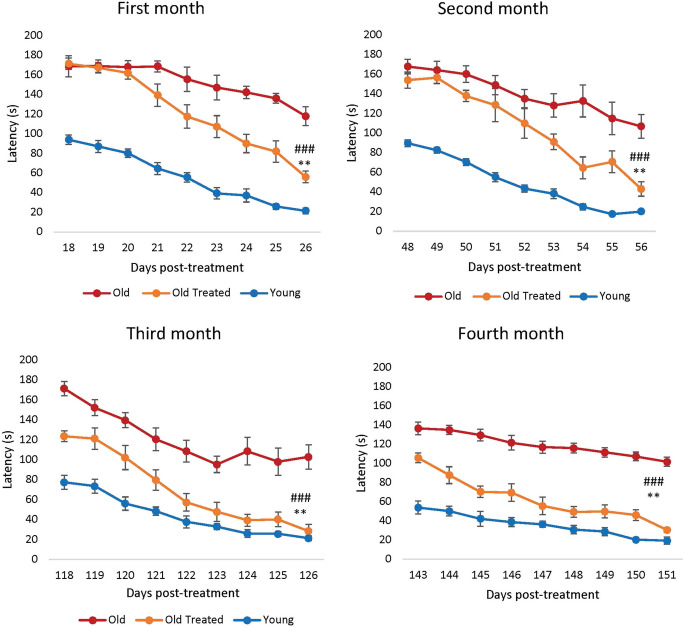
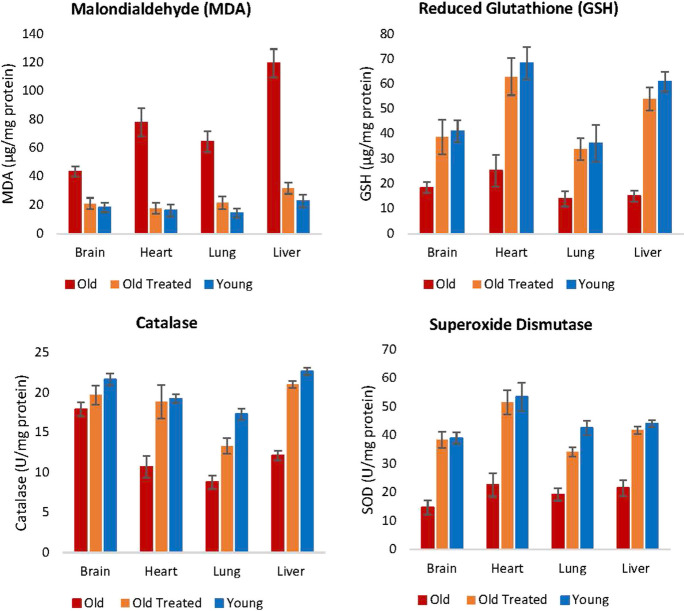
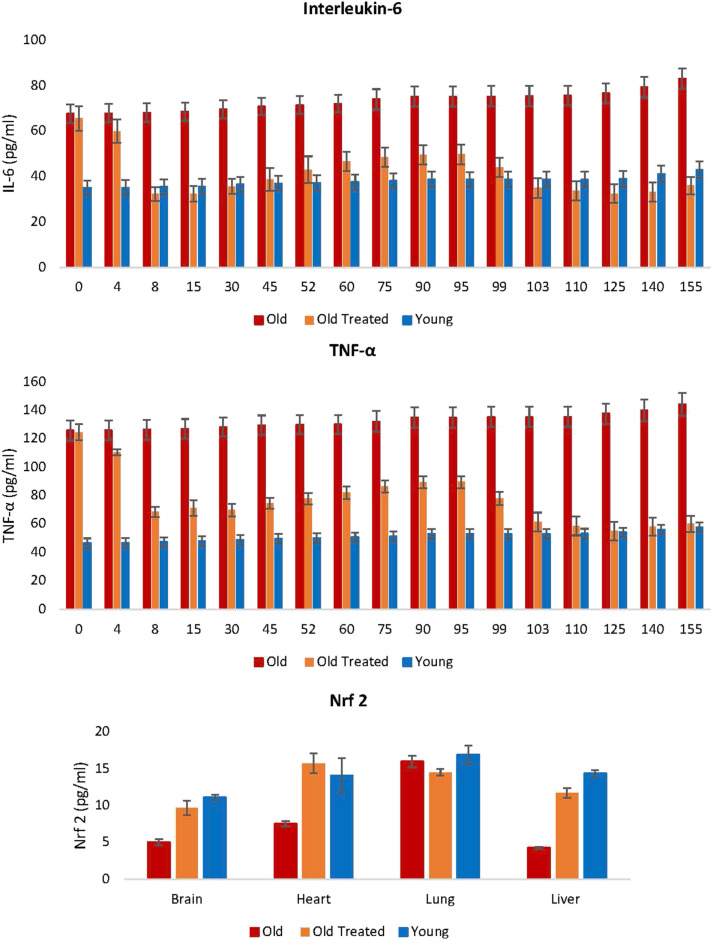
Young blood plasma is known to confer beneficial effects on various organs in mice and rats. However, it was not known whether plasma from young adult pigs rejuvenates old rat tissues at the epigenetic level; whether it alters the epigenetic clock, which is a highly accurate molecular biomarker of aging. To address this question, we developed and validated six different epigenetic clocks for rat tissues that are based on DNA methylation values derived from n = 613 tissue samples. As indicated by their respective names, the rat pan-tissue clock can be applied to DNA methylation profiles from all rat tissues, while the rat brain, liver, and blood clocks apply to the corresponding tissue types. We also developed two epigenetic clocks that apply to both human and rat tissues by adding n = 1366 human tissue samples to the training data. We employed these six rat clocks to investigate the rejuvenation effects of a porcine plasma fraction treatment in different rat tissues. The treatment more than halved the epigenetic ages of blood, heart, and liver tissue. A less pronounced, but statistically significant, rejuvenation effect could be observed in the hypothalamus. The treatment was accompanied by progressive improvement in the function of these organs as ascertained through numerous biochemical/physiological biomarkers, behavioral responses encompassing cognitive functions. An immunoglobulin G (IgG) N-glycosylation pattern shift from pro- to anti-inflammatory also indicated reversal of glycan aging. Overall, this study demonstrates that a young porcine plasma-derived treatment markedly reverses aging in rats according to epigenetic clocks, IgG glycans, and other biomarkers of aging.
年轻的血浆被认为对老鼠和老鼠的各种器官有有益的影响。然而,人们并不知道来自年轻成年猪的血浆是否能在表观遗传水平上使老年大鼠组织恢复活力;它是否改变了表观遗传钟,这是衰老的高度准确的分子生物标志物。为了解决这个问题,我们开发并验证了六种不同的基于 n = 613 个组织样本的 DNA 甲基化值的大鼠组织表观遗传钟。正如它们各自的名称所示,大鼠泛组织钟可应用于所有大鼠组织的 DNA 甲基化图谱,而大鼠大脑、肝脏和血液钟则适用于相应的组织类型。我们还通过向训练数据中添加 n = 1366 个人类组织样本,开发了适用于人类和大鼠组织的两种表观遗传钟。我们使用这六种大鼠时钟来研究猪血浆成分处理在不同大鼠组织中的恢复活力效果。该处理使血液、心脏和肝脏组织的表观遗传年龄减少了一半以上。在下丘脑可以观察到一个不那么明显但具有统计学意义的恢复活力效应。随着许多生化/生理生物标志物、认知功能等行为反应的确定,该治疗伴随着这些器官功能的逐步改善。免疫球蛋白 G(IgG)N-聚糖模式从促炎向抗炎的转变也表明聚糖衰老的逆转。总的来说,这项研究表明,年轻的猪血浆衍生疗法根据表观遗传钟、IgG 聚糖和其他衰老生物标志物,显著逆转了大鼠的衰老。