Department of Neurology, Nanfang Hospital, Southern Medical University, Guangzhou, Guangdong, China.
Microbiome Medicine Center, Department of Laboratory Medicine, Zhujiang Hospital, Southern Medical University, Guangzhou, Guangdong, China.
BMC Microbiol. 2023 Oct 24;23(1):305. doi: 10.1186/s12866-023-03057-8.
Despite advances in our understanding of the critical role of the microbiota in stroke patients, the oral microbiome has rarely been reported to be associated with stroke-associated pneumonia (SAP). We sought to profile the oral microbial composition of SAP patients and to determine whether microbiome temporal instability and special taxa are associated with pneumonia progression and functional outcomes.
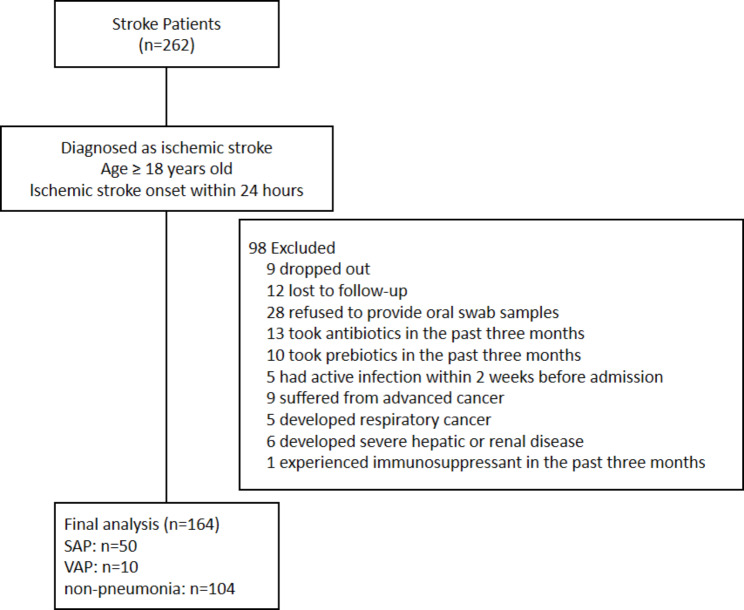
This is a prospective, observational, single-center cohort study that examined patients with acute ischemic stroke (AIS) who were admitted within 24 h of experiencing a stroke event. The patients were divided into three groups based on the occurrence of pneumonia and the use of mechanical ventilation: nonpneumonia group, SAP group, and ventilator-associated pneumonia (VAP) group. We collected oral swabs at different time points post-admission and analyzed the microbiota using 16 S rRNA high-throughput sequencing. The microbiota was then compared among the three groups.
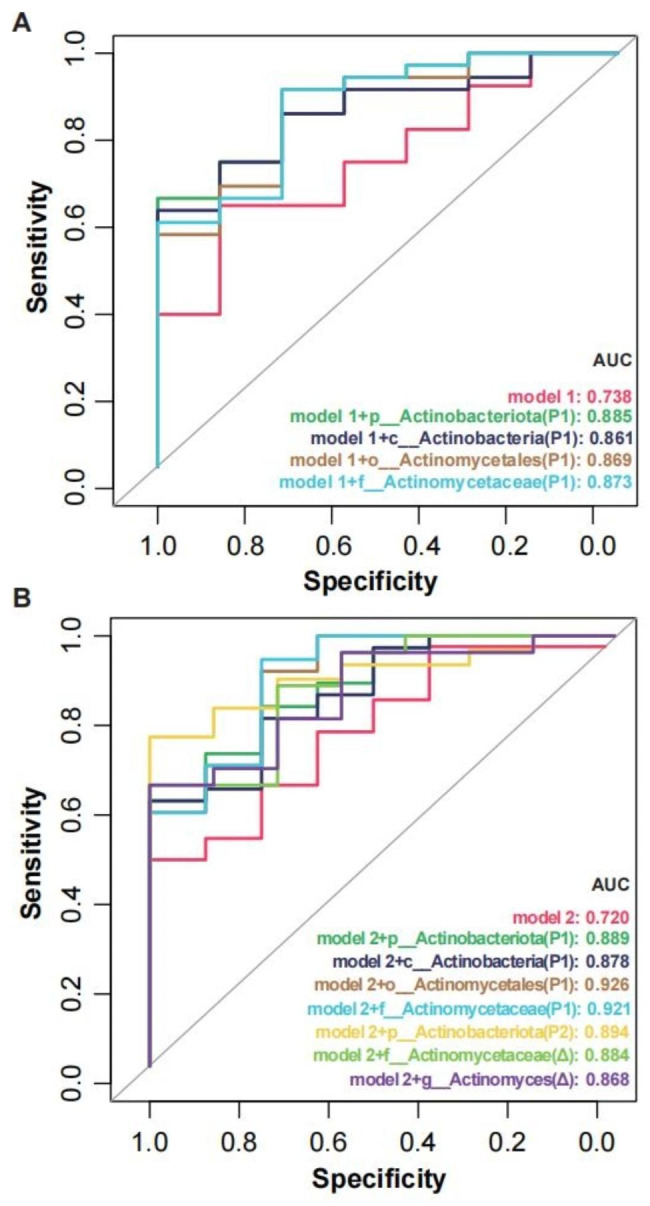
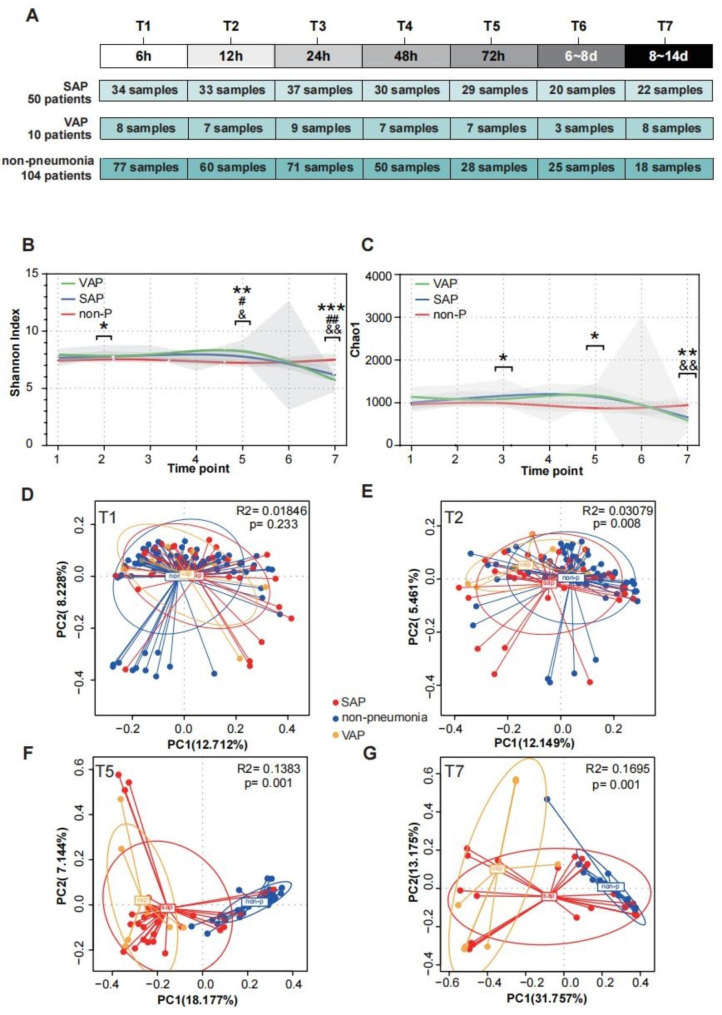
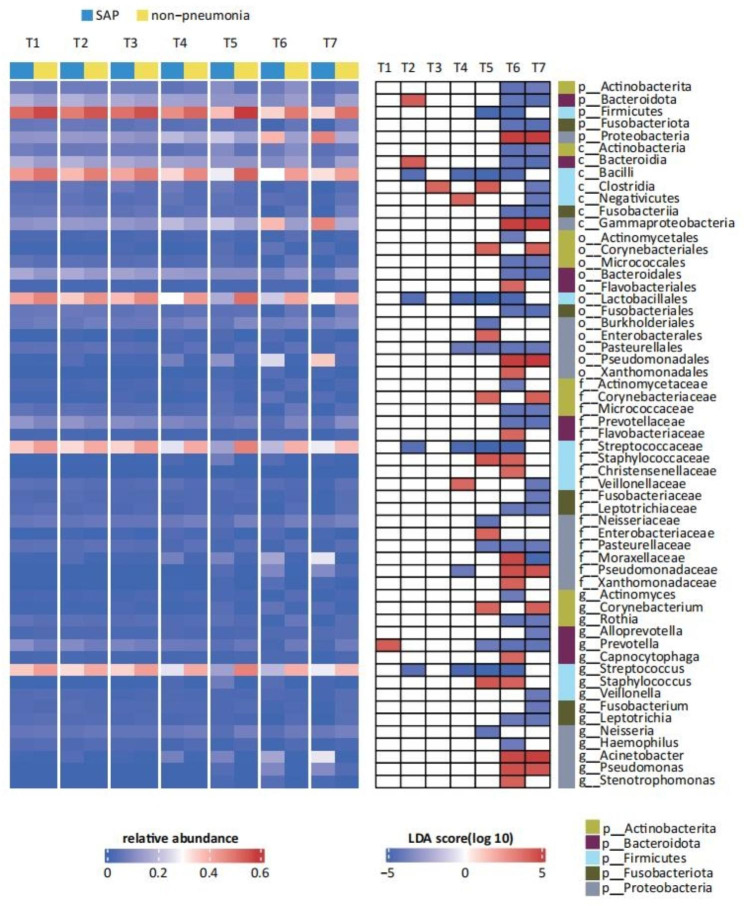
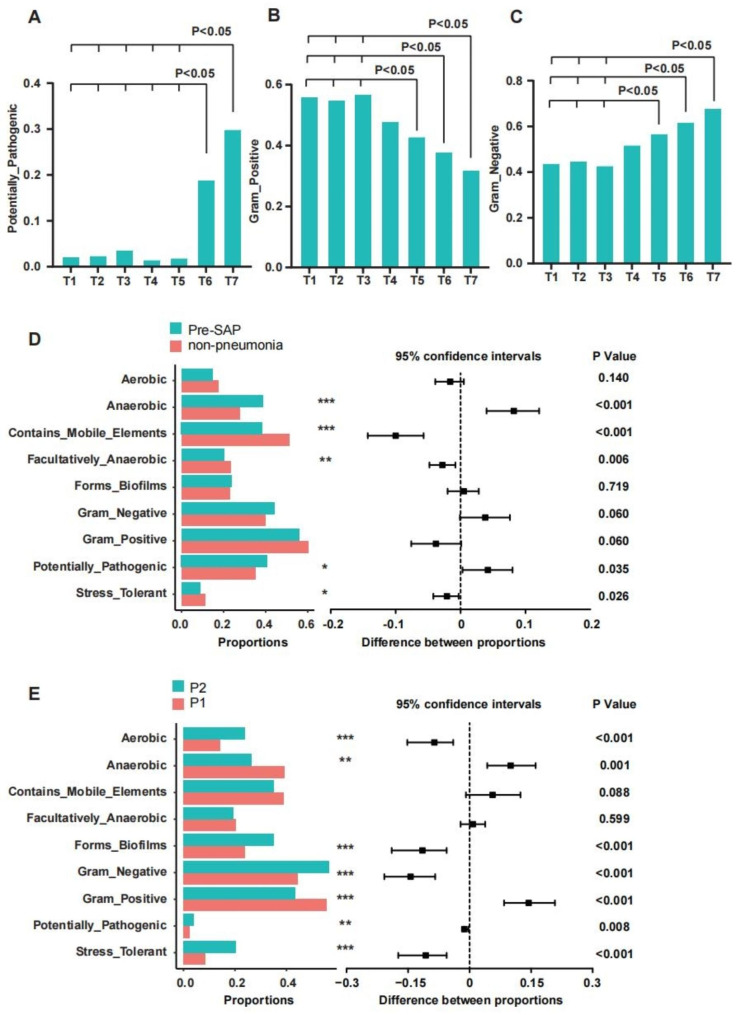
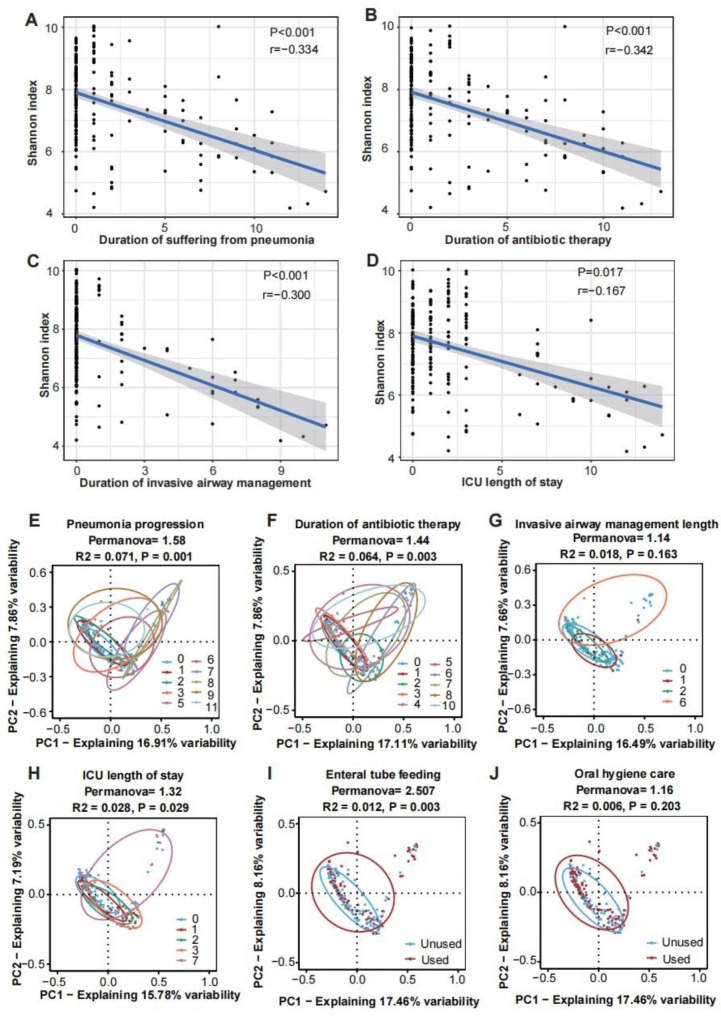
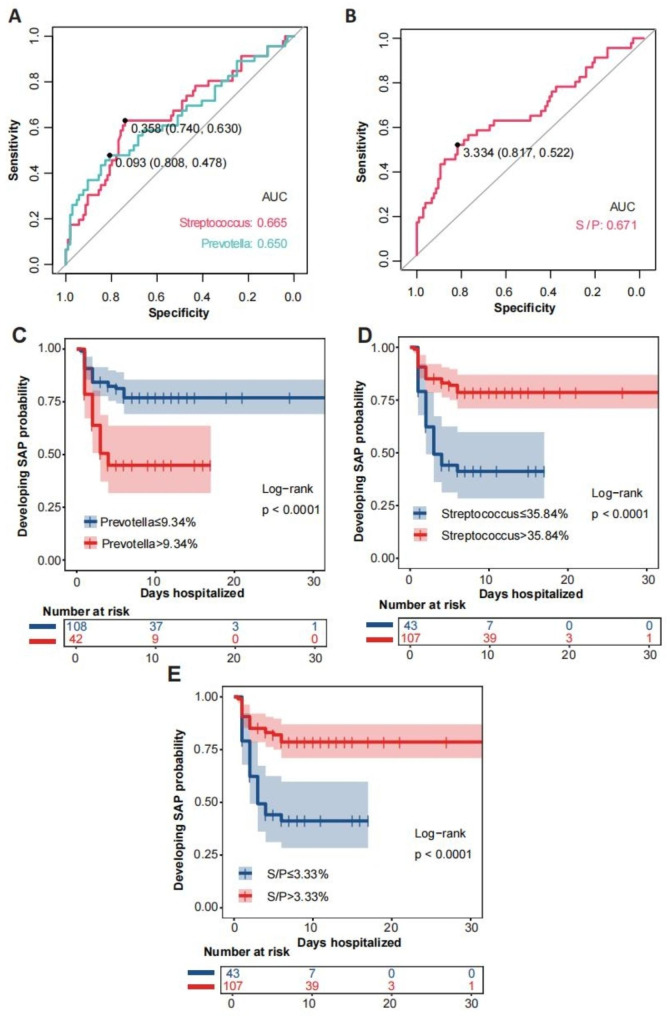
In total, 104 nonpneumonia, 50 SAP and 10 VAP patients were included in the analysis. We found that SAP and VAP patients exhibited significant dynamic differences in the diversity and composition of the oral microbiota and that the magnitude of this dysbiosis and instability increased during hospitalization. Then, by controlling the potential effect of all latent confounding variables, we assessed the changes associated with pneumonia after stroke and explored patients with a lower abundance of Streptococcus were more likely to suffer from SAP. The logistic regression analysis revealed that an increase in specific taxa in the phylum Actinobacteriota was linked to a higher risk of poor outcomes. A model for SAP patients based on oral microbiota could accurately predict 30-day clinical outcomes after stroke onset.
We concluded that specific oral microbiota signatures could be used to predict illness development and clinical outcomes in SAP patients. We proposed the potential of the oral microbiota as a non-invasive diagnostic biomarker in the clinical management of SAP patients.
NCT04688138. Registered 29/12/2020, https://clinicaltrials.gov/ct2/show/NCT04688138 .
尽管我们对微生物群在中风患者中的关键作用的理解有所进展,但口腔微生物组很少与中风相关性肺炎(SAP)有关。我们试图描绘 SAP 患者的口腔微生物组成,并确定微生物组的时间不稳定性和特殊分类群是否与肺炎进展和功能结局有关。
这是一项前瞻性、观察性、单中心队列研究,检查了在中风事件发生后 24 小时内入院的急性缺血性中风(AIS)患者。根据肺炎的发生和机械通气的使用,患者分为三组:非肺炎组、SAP 组和呼吸机相关性肺炎(VAP)组。我们在入院后不同时间点采集口腔拭子,并使用 16S rRNA 高通量测序分析微生物群。然后比较了三组之间的微生物群。
共纳入 104 例非肺炎、50 例 SAP 和 10 例 VAP 患者进行分析。我们发现 SAP 和 VAP 患者的口腔微生物多样性和组成存在显著的动态差异,并且这种失调和不稳定性在住院期间增加。然后,通过控制所有潜在混杂变量的潜在影响,我们评估了中风后与肺炎相关的变化,并探索了链球菌丰度较低的患者更有可能患 SAP。逻辑回归分析表明,厚壁菌门中特定分类群的增加与较差结局的风险增加相关。基于口腔微生物组的 SAP 患者模型可以准确预测中风发病后 30 天的临床结局。
我们得出结论,特定的口腔微生物特征可用于预测 SAP 患者的疾病发展和临床结局。我们提出了口腔微生物组作为 SAP 患者临床管理中一种非侵入性诊断生物标志物的潜力。
NCT04688138。注册日期:2020 年 12 月 29 日,https://clinicaltrials.gov/ct2/show/NCT04688138。