• 文献检索
  • 文档翻译
  • 深度研究
  • 学术资讯
  • Suppr Zotero 插件Zotero 插件
  • 邀请有礼
  • 套餐&价格
  • 历史记录
应用&插件
Suppr Zotero 插件Zotero 插件浏览器插件Mac 客户端Windows 客户端微信小程序
定价
高级版会员购买积分包购买API积分包
服务
文献检索文档翻译深度研究API 文档MCP 服务
关于我们
关于 Suppr公司介绍联系我们用户协议隐私条款
关注我们

Suppr 超能文献

核心技术专利:CN118964589B侵权必究
粤ICP备2023148730 号-1Suppr @ 2026

文献检索

告别复杂PubMed语法,用中文像聊天一样搜索,搜遍4000万医学文献。AI智能推荐,让科研检索更轻松。

立即免费搜索

文件翻译

保留排版,准确专业,支持PDF/Word/PPT等文件格式,支持 12+语言互译。

免费翻译文档

深度研究

AI帮你快速写综述,25分钟生成高质量综述,智能提取关键信息,辅助科研写作。

立即免费体验

基于肺滞后响应的典型人机不同步的自动评估。

Automated evaluation of typical patient-ventilator asynchronies based on lung hysteretic responses.

机构信息

Intensive Care Unit, The Fourth Hospital of Hebei Medical University, Shijiazhuang, China.

Department of Mechanical Engineering & Centre for Bio-Engineering, University of Canterbury, Christchurch, New Zealand.

出版信息

Biomed Eng Online. 2023 Oct 24;22(1):102. doi: 10.1186/s12938-023-01165-0.

DOI:10.1186/s12938-023-01165-0
PMID:37875890
原文链接:https://pmc.ncbi.nlm.nih.gov/articles/PMC10598979/
Abstract

BACKGROUND

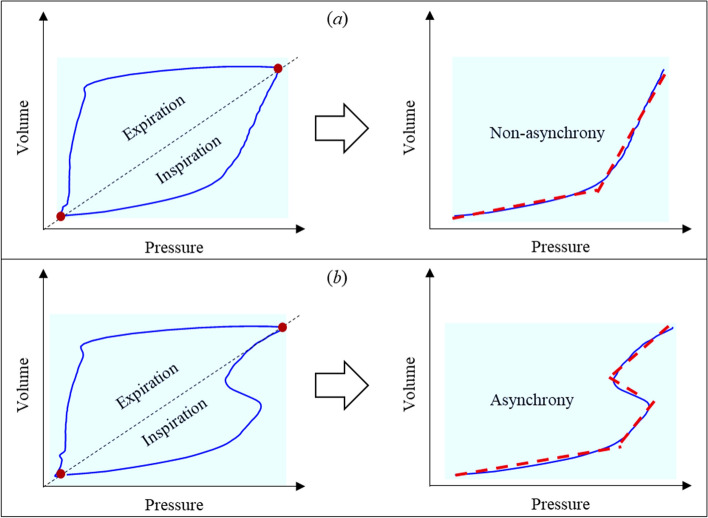
Patient-ventilator asynchrony is common during mechanical ventilation (MV) in intensive care unit (ICU), leading to worse MV care outcome. Identification of asynchrony is critical for optimizing MV settings to reduce or eliminate asynchrony, whilst current clinical visual inspection of all typical types of asynchronous breaths is difficult and inefficient. Patient asynchronies create a unique pattern of distortions in hysteresis respiratory behaviours presented in pressure-volume (PV) loop.

METHODS

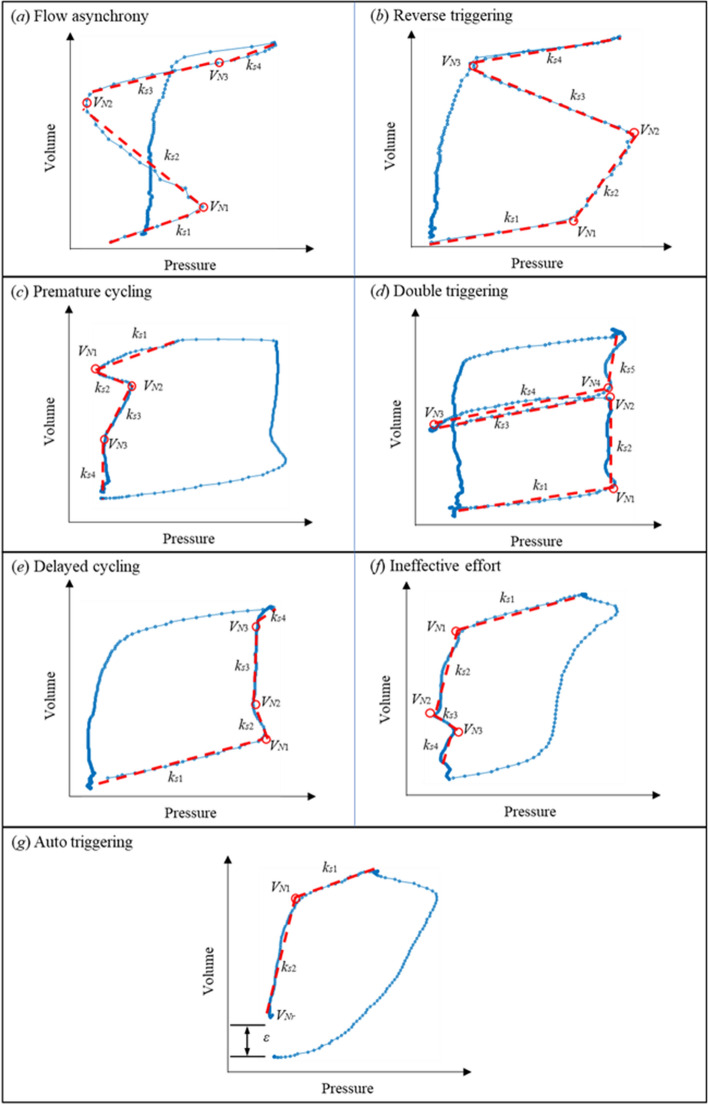
Identification method based on hysteretic lung mechanics and hysteresis loop analysis is proposed to delineate the resulted changes of lung mechanics in PV loop during asynchronous breathing, offering detection of both its incidence and 7 major types. Performance is tested against clinical patient data with comparison to visual inspection conducted by clinical doctors.

RESULTS

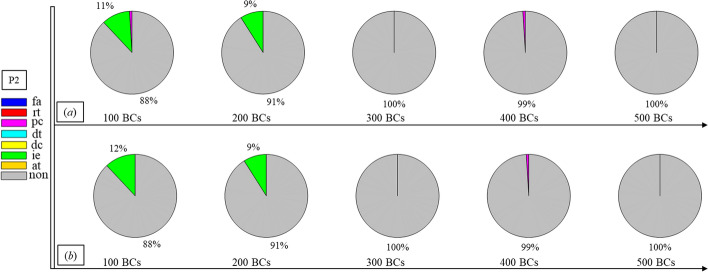
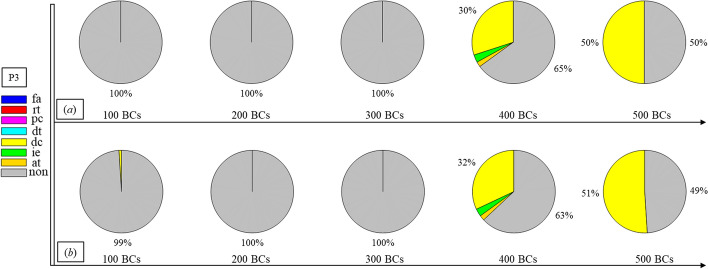
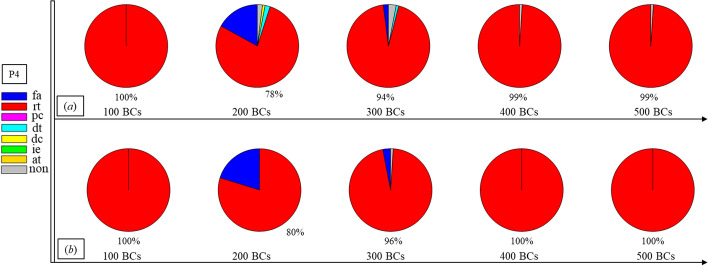
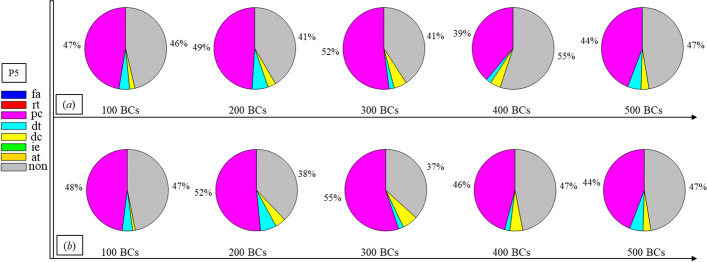
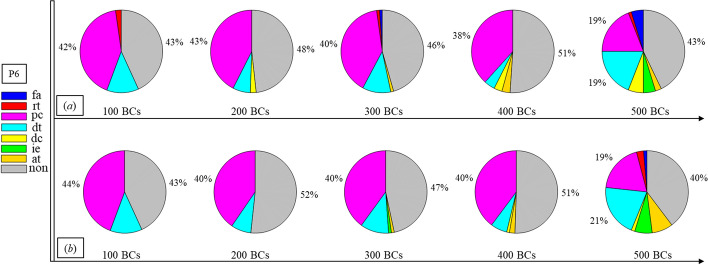
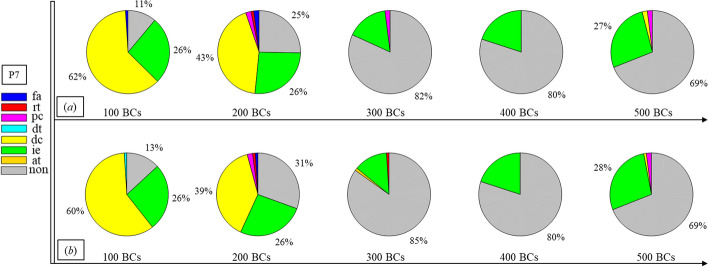
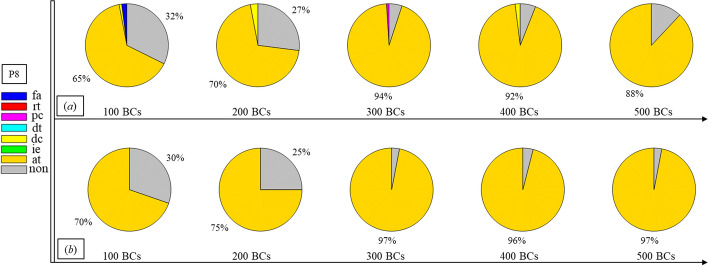
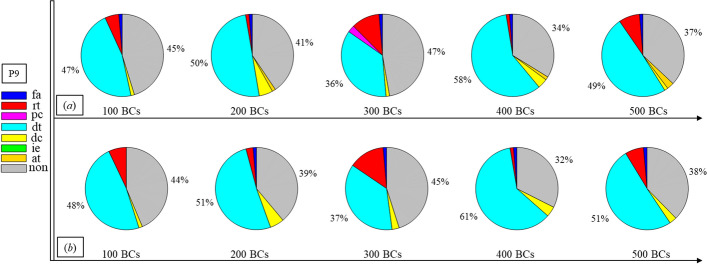
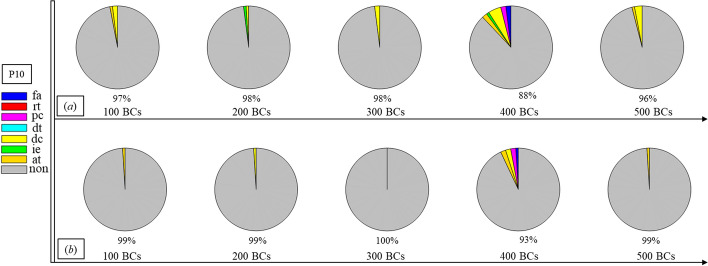
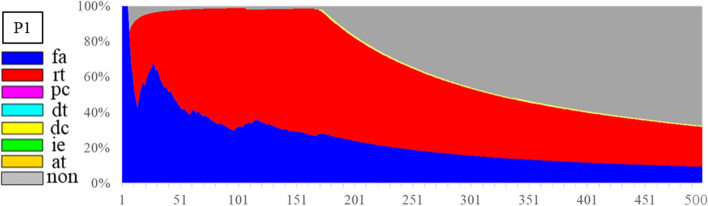
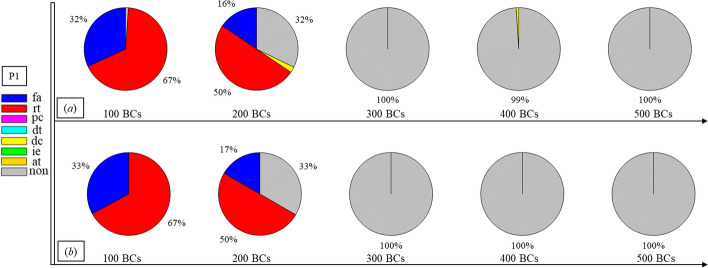
The identification sensitivity and specificity of 11 patients with 500 breaths for each patient are above 89.5% and 96.8% for all 7 types, respectively. The average sensitivity and specificity across all cases are 94.6% and 99.3%, indicating a very good accuracy. The comparison of statistical analysis between identification and human inspection yields the essential same clinical judgement on patient asynchrony status for each patient, potentially leading to the same clinical decision for setting adjustment.

CONCLUSIONS

The overall results validate the accuracy and robustness of the identification method for a bedside monitoring, as well as its ability to provide a quantified metric for clinical decision of ventilator setting. Hence, the method shows its potential to assist a more consistent and objective assessment of asynchrony without undermining the efficacy of the current clinical practice.

摘要

背景

在重症监护病房(ICU)进行机械通气(MV)时,患者-呼吸机失同步很常见,导致 MV 治疗结果更差。识别失同步对于优化 MV 设置以减少或消除失同步至关重要,而目前对所有典型类型的异步呼吸进行临床视觉检查既困难又低效。患者失步会在压力-容积(PV)环中呈现出滞后呼吸行为的独特扭曲模式。

方法

提出了一种基于滞后肺力学和滞后环分析的识别方法,以描绘 PV 环中滞后呼吸期间肺力学的变化,从而检测其发生率和 7 种主要类型。将性能与临床患者数据进行测试,并与临床医生进行的视觉检查进行比较。

结果

针对 11 名患者的 500 次呼吸,每种患者的 7 种类型的识别灵敏度和特异性均高于 89.5%和 96.8%。所有病例的平均灵敏度和特异性分别为 94.6%和 99.3%,表明准确性非常高。识别和人工检查之间的统计分析比较表明,对每位患者的患者失步状态的临床判断基本相同,这可能会导致对设置调整的相同临床决策。

结论

总体结果验证了该识别方法用于床边监测的准确性和稳健性,以及为呼吸机设置的临床决策提供量化指标的能力。因此,该方法显示出在不影响当前临床实践效果的情况下,辅助更一致和客观评估失步的潜力。
https://cdn.ncbi.nlm.nih.gov/pmc/blobs/06f2/10598979/8456df6693eb/12938_2023_1165_Fig14_HTML.jpg
https://cdn.ncbi.nlm.nih.gov/pmc/blobs/06f2/10598979/fa14a5086925/12938_2023_1165_Fig1_HTML.jpg
https://cdn.ncbi.nlm.nih.gov/pmc/blobs/06f2/10598979/101d6be615a2/12938_2023_1165_Fig2_HTML.jpg
https://cdn.ncbi.nlm.nih.gov/pmc/blobs/06f2/10598979/dee01968ed1f/12938_2023_1165_Fig3_HTML.jpg
https://cdn.ncbi.nlm.nih.gov/pmc/blobs/06f2/10598979/142f2e54f1b8/12938_2023_1165_Fig4_HTML.jpg
https://cdn.ncbi.nlm.nih.gov/pmc/blobs/06f2/10598979/ec09da9ff4c7/12938_2023_1165_Fig5_HTML.jpg
https://cdn.ncbi.nlm.nih.gov/pmc/blobs/06f2/10598979/94e7632362cd/12938_2023_1165_Fig6_HTML.jpg
https://cdn.ncbi.nlm.nih.gov/pmc/blobs/06f2/10598979/6ab5ba1f6663/12938_2023_1165_Fig7_HTML.jpg
https://cdn.ncbi.nlm.nih.gov/pmc/blobs/06f2/10598979/5f88a68c40f1/12938_2023_1165_Fig8_HTML.jpg
https://cdn.ncbi.nlm.nih.gov/pmc/blobs/06f2/10598979/0ccfafd4d727/12938_2023_1165_Fig9_HTML.jpg
https://cdn.ncbi.nlm.nih.gov/pmc/blobs/06f2/10598979/20977c951bd6/12938_2023_1165_Fig10_HTML.jpg
https://cdn.ncbi.nlm.nih.gov/pmc/blobs/06f2/10598979/12490dcb08b5/12938_2023_1165_Fig11_HTML.jpg
https://cdn.ncbi.nlm.nih.gov/pmc/blobs/06f2/10598979/4e691d68242b/12938_2023_1165_Fig12_HTML.jpg
https://cdn.ncbi.nlm.nih.gov/pmc/blobs/06f2/10598979/6b2f4b0b05d7/12938_2023_1165_Fig13_HTML.jpg
https://cdn.ncbi.nlm.nih.gov/pmc/blobs/06f2/10598979/8456df6693eb/12938_2023_1165_Fig14_HTML.jpg
https://cdn.ncbi.nlm.nih.gov/pmc/blobs/06f2/10598979/fa14a5086925/12938_2023_1165_Fig1_HTML.jpg
https://cdn.ncbi.nlm.nih.gov/pmc/blobs/06f2/10598979/101d6be615a2/12938_2023_1165_Fig2_HTML.jpg
https://cdn.ncbi.nlm.nih.gov/pmc/blobs/06f2/10598979/dee01968ed1f/12938_2023_1165_Fig3_HTML.jpg
https://cdn.ncbi.nlm.nih.gov/pmc/blobs/06f2/10598979/142f2e54f1b8/12938_2023_1165_Fig4_HTML.jpg
https://cdn.ncbi.nlm.nih.gov/pmc/blobs/06f2/10598979/ec09da9ff4c7/12938_2023_1165_Fig5_HTML.jpg
https://cdn.ncbi.nlm.nih.gov/pmc/blobs/06f2/10598979/94e7632362cd/12938_2023_1165_Fig6_HTML.jpg
https://cdn.ncbi.nlm.nih.gov/pmc/blobs/06f2/10598979/6ab5ba1f6663/12938_2023_1165_Fig7_HTML.jpg
https://cdn.ncbi.nlm.nih.gov/pmc/blobs/06f2/10598979/5f88a68c40f1/12938_2023_1165_Fig8_HTML.jpg
https://cdn.ncbi.nlm.nih.gov/pmc/blobs/06f2/10598979/0ccfafd4d727/12938_2023_1165_Fig9_HTML.jpg
https://cdn.ncbi.nlm.nih.gov/pmc/blobs/06f2/10598979/20977c951bd6/12938_2023_1165_Fig10_HTML.jpg
https://cdn.ncbi.nlm.nih.gov/pmc/blobs/06f2/10598979/12490dcb08b5/12938_2023_1165_Fig11_HTML.jpg
https://cdn.ncbi.nlm.nih.gov/pmc/blobs/06f2/10598979/4e691d68242b/12938_2023_1165_Fig12_HTML.jpg
https://cdn.ncbi.nlm.nih.gov/pmc/blobs/06f2/10598979/6b2f4b0b05d7/12938_2023_1165_Fig13_HTML.jpg
https://cdn.ncbi.nlm.nih.gov/pmc/blobs/06f2/10598979/8456df6693eb/12938_2023_1165_Fig14_HTML.jpg

相似文献

1
Automated evaluation of typical patient-ventilator asynchronies based on lung hysteretic responses.基于肺滞后响应的典型人机不同步的自动评估。
Biomed Eng Online. 2023 Oct 24;22(1):102. doi: 10.1186/s12938-023-01165-0.
2
Reconstructing asynchrony for mechanical ventilation using a hysteresis loop virtual patient model.使用滞后环虚拟患者模型重建机械通气中的失同步。
Biomed Eng Online. 2022 Mar 7;21(1):16. doi: 10.1186/s12938-022-00986-9.
3
Ability of ICU Health-Care Professionals to Identify Patient-Ventilator Asynchrony Using Waveform Analysis.重症监护病房医护人员使用波形分析识别患者-呼吸机不同步的能力。
Respir Care. 2017 Feb;62(2):144-149. doi: 10.4187/respcare.04750. Epub 2016 Oct 25.
4
A Nonlinear Hysteretic Model for Automated Prediction of Lung Mechanics during Mechanical Ventilation.一种用于机械通气期间肺力学自动预测的非线性滞后模型。
IFAC Pap OnLine. 2020;53(5):817-822. doi: 10.1016/j.ifacol.2021.04.177. Epub 2021 May 26.
5
Effect of patient-ventilator asynchrony on lung and diaphragmatic injury in experimental acute respiratory distress syndrome in a porcine model.实验性猪急性呼吸窘迫综合征模型中患者-呼吸机不同步对肺和膈肌损伤的影响。
Br J Anaesth. 2023 Jan;130(1):e169-e178. doi: 10.1016/j.bja.2021.10.037. Epub 2021 Nov 10.
6
Patient-ventilator asynchrony classification in mechanically ventilated patients: Model-based or machine learning method?机械通气患者的人机不同步分类:基于模型还是机器学习方法?
Comput Methods Programs Biomed. 2024 Oct;255:108323. doi: 10.1016/j.cmpb.2024.108323. Epub 2024 Jul 11.
7
Patient-Ventilator Asynchronies: Clinical Implications and Practical Solutions.患者-呼吸机不同步:临床意义与实用解决方案。
Respir Care. 2020 Nov;65(11):1751-1766. doi: 10.4187/respcare.07284. Epub 2020 Jul 14.
8
Predictors of asynchronies during assisted ventilation and its impact on clinical outcomes: The EPISYNC cohort study.辅助通气期间的失同步预测因素及其对临床结局的影响:EPISYNC 队列研究。
J Crit Care. 2020 Jun;57:30-35. doi: 10.1016/j.jcrc.2020.01.023. Epub 2020 Jan 21.
9
Pediatric Simulation of Intrinsic PEEP and Patient-Ventilator Trigger Asynchrony During Mechanical Ventilation.小儿机械通气时内源性 PEEP 和患者-呼吸机触发不同步的模拟。
Respir Care. 2022 Nov;67(11):1405-1412. doi: 10.4187/respcare.09484. Epub 2022 Sep 20.
10
[Study on patient-ventilator synchrony of neurally adjusted ventilatory assist ventilation in severe neurological diseases patients with tracheotomy].[神经调节通气辅助通气在重度神经系统疾病气管切开患者中的患者-呼吸机同步性研究]
Zhonghua Wei Zhong Bing Ji Jiu Yi Xue. 2020 May;32(5):575-580. doi: 10.3760/cma.j.cn121430-20200427-00341.

引用本文的文献

1
Let's get in sync: current standing and future of AI-based detection of patient-ventilator asynchrony.让我们达成共识:基于人工智能的患者-呼吸机不同步检测的现状与未来。
Intensive Care Med Exp. 2025 Mar 21;13(1):39. doi: 10.1186/s40635-025-00746-8.
2
Empirical phenotyping in coupled patient+care systems: Generating low-dimensional categories for hypothesis-driven investigation of mechanically-ventilated patients.耦合患者+护理系统中的经验性表型分析:为机械通气患者的假设驱动研究生成低维类别。
medRxiv. 2025 Jan 16:2023.12.14.23299978. doi: 10.1101/2023.12.14.23299978.

本文引用的文献

1
A Nonlinear Hysteretic Model for Automated Prediction of Lung Mechanics during Mechanical Ventilation.一种用于机械通气期间肺力学自动预测的非线性滞后模型。
IFAC Pap OnLine. 2020;53(5):817-822. doi: 10.1016/j.ifacol.2021.04.177. Epub 2021 May 26.
2
Optimising mechanical ventilation through model-based methods and automation.通过基于模型的方法和自动化优化机械通气。
Annu Rev Control. 2019;48:369-382. doi: 10.1016/j.arcontrol.2019.05.001. Epub 2019 May 7.
3
Over-distension prediction via hysteresis loop analysis and patient-specific basis functions in a virtual patient model.
通过迟滞回线分析和虚拟患者模型中的患者特异性基函数进行过度扩张预测。
Comput Biol Med. 2022 Feb;141:105022. doi: 10.1016/j.compbiomed.2021.105022. Epub 2021 Nov 11.
4
Stochastic Modelling of Respiratory System Elastance for Mechanically Ventilated Respiratory Failure Patients.机械通气呼吸衰竭患者呼吸系统顺应性的随机建模。
Ann Biomed Eng. 2021 Dec;49(12):3280-3295. doi: 10.1007/s10439-021-02854-4. Epub 2021 Aug 25.
5
Patient-ventilator asynchrony, impact on clinical outcomes and effectiveness of interventions: a systematic review and meta-analysis.患者-呼吸机不同步、对临床结局的影响及干预措施的有效性:一项系统评价和荟萃分析
J Intensive Care. 2021 Aug 16;9(1):50. doi: 10.1186/s40560-021-00565-5.
6
Early individualized positive end-expiratory pressure guided by electrical impedance tomography in acute respiratory distress syndrome: a randomized controlled clinical trial.早期应用电阻抗断层成像指导急性呼吸窘迫综合征患者个体化呼气末正压通气:一项随机对照临床试验。
Crit Care. 2021 Jun 30;25(1):230. doi: 10.1186/s13054-021-03645-y.
7
Outcome Improvement Between the First Two Waves of the Coronavirus Disease 2019 Pandemic in a Single Tertiary-Care Hospital in Belgium.比利时一家三级护理医院在2019年冠状病毒病大流行的前两波期间的结果改善情况。
Crit Care Explor. 2021 May 19;3(5):e0438. doi: 10.1097/CCE.0000000000000438. eCollection 2021 May.
8
An interpretable 1D convolutional neural network for detecting patient-ventilator asynchrony in mechanical ventilation.一种用于检测机械通气中患者-呼吸机不同步的可解释一维卷积神经网络。
Comput Methods Programs Biomed. 2021 Jun;204:106057. doi: 10.1016/j.cmpb.2021.106057. Epub 2021 Mar 19.
9
Management of Patient-Ventilator Asynchrony.患者-呼吸机不同步的管理。
Anesthesiology. 2021 Apr 1;134(4):629-636. doi: 10.1097/ALN.0000000000003704.
10
Automated detection and quantification of reverse triggering effort under mechanical ventilation.机械通气下反向触发努力的自动检测和定量。
Crit Care. 2021 Feb 15;25(1):60. doi: 10.1186/s13054-020-03387-3.