
用于水生和陆地应用的3D热成型流体聚合物温度传感器的制备与性能分析
Preparation and Performance Analysis of 3D Thermoformed Fluidic Polymer Temperature Sensors for Aquatic and Terrestrial Applications.
作者信息
Gul Jahan Zeb, Khan Maryam, Rehman Muhammad Muqeet, Mohy Ud Din Zia, Kim Woo Young
机构信息
Department of Mechatronics and Biomedical Engineering, AIR University, Islamabad 44000, Pakistan.
Department of Electronic Engineering, Faculty of Applied Energy System, Jeju National University, Jeju 63241, Republic of Korea.
出版信息
Sensors (Basel). 2023 Oct 17;23(20):8506. doi: 10.3390/s23208506.
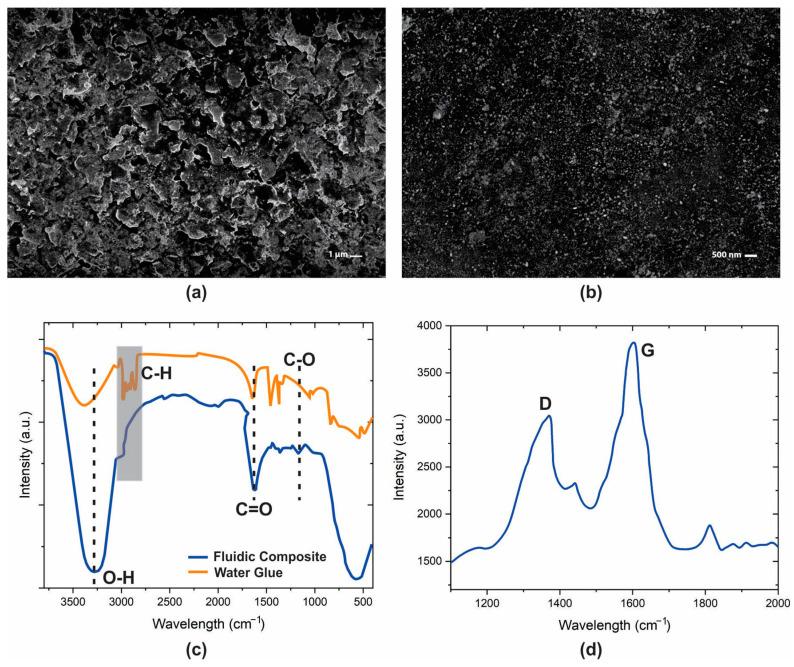
Employing a combination of Polyethylene terephthalate (PET) thermoforming and 3D-printed cylindrical patterns, we carefully engineer a linear resistive temperature sensor. This intricate process involves initial PET thermoforming, yielding a hollow cylindrical chamber. This chamber is then precisely infused with a composite fluid of graphite and water glue. Ensuring electrical connectivity, both ends are affixed with metal wires and securely sealed using a hot gun. This cost-effective, versatile sensor adeptly gauges temperature shifts by assessing composite fluid resistance alterations. Its PET outer surface grants immunity to water and solubility concerns, enabling application in aquatic and aerial settings without extra encapsulation. Rigorous testing reveals the sensor's linearity and stability within a 10 °C to 60 °C range, whether submerged or airborne. Beyond 65 °C, plastic deformation arises. To mitigate hysteresis, a 58 °C operational limit is recommended. Examining fluidic composite width and length effects, we ascertain a 12 Ω/°C sensitivity for these linear sensors, a hallmark of their precision. Impressive response and recovery times of 4 and 8 s, respectively, highlight their efficiency. These findings endorse thermoforming's potential for fabricating advanced temperature sensors. This cost-effective approach's adaptability underscores its viability for diverse applications.
我们采用聚对苯二甲酸乙二酯(PET)热成型和3D打印圆柱图案相结合的方法,精心设计了一种线性电阻温度传感器。这个复杂的过程包括最初的PET热成型,形成一个中空的圆柱形腔室。然后,这个腔室被精确地注入石墨和水胶的复合流体。为确保电气连接,两端都固定有金属线,并使用热枪进行牢固密封。这种经济高效、用途广泛的传感器通过评估复合流体电阻变化来巧妙地测量温度变化。其PET外表面不受水和溶解性问题的影响,无需额外封装即可应用于水生和空中环境。严格的测试表明,无论传感器是浸没还是在空中,在10°C至60°C范围内都具有线性度和稳定性。超过65°C会出现塑性变形。为减轻滞后现象,建议操作温度限制为58°C。通过研究流体复合材料宽度和长度的影响,我们确定这些线性传感器的灵敏度为12Ω/°C,这是其精度的一个标志。令人印象深刻的响应时间和恢复时间分别为4秒和8秒,突出了它们的效率。这些发现证实了热成型在制造先进温度传感器方面的潜力。这种经济高效方法的适应性强调了其在各种应用中的可行性。



 Zotero 插件