Szűcsová Jaroslava, Zeleňáková Adriana, Beňová Eva, Nagy Ľuboš, Orendáč Martin, Huntošová Veronika, Šoltésová Mária, Kohout Jaroslav, Herynek Vít, Zeleňák Vladimír
Institute of Physics, P. J. Šafárik University, Park Angelinum 9, 040 01 Kosice, Slovakia.
Institute of Chemistry, P. J. Šafárik University, Moyzesova 11, 040 01 Kosice, Slovakia.
Heliyon. 2023 Oct 14;9(11):e20975. doi: 10.1016/j.heliyon.2023.e20975. eCollection 2023 Nov.
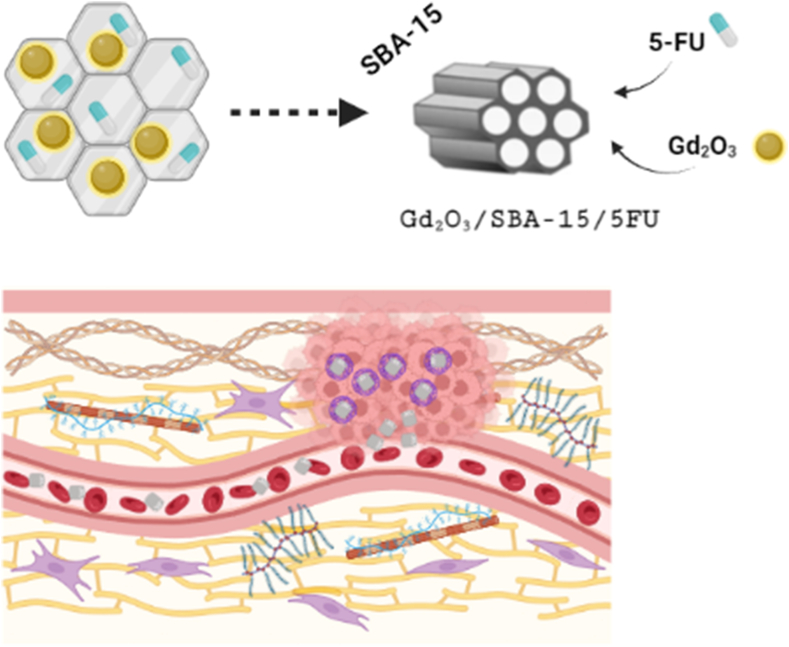
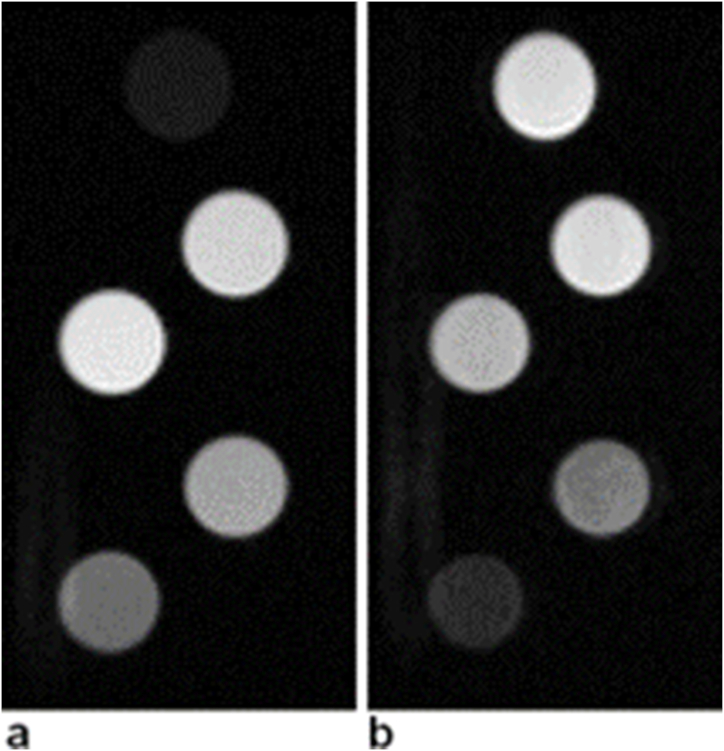
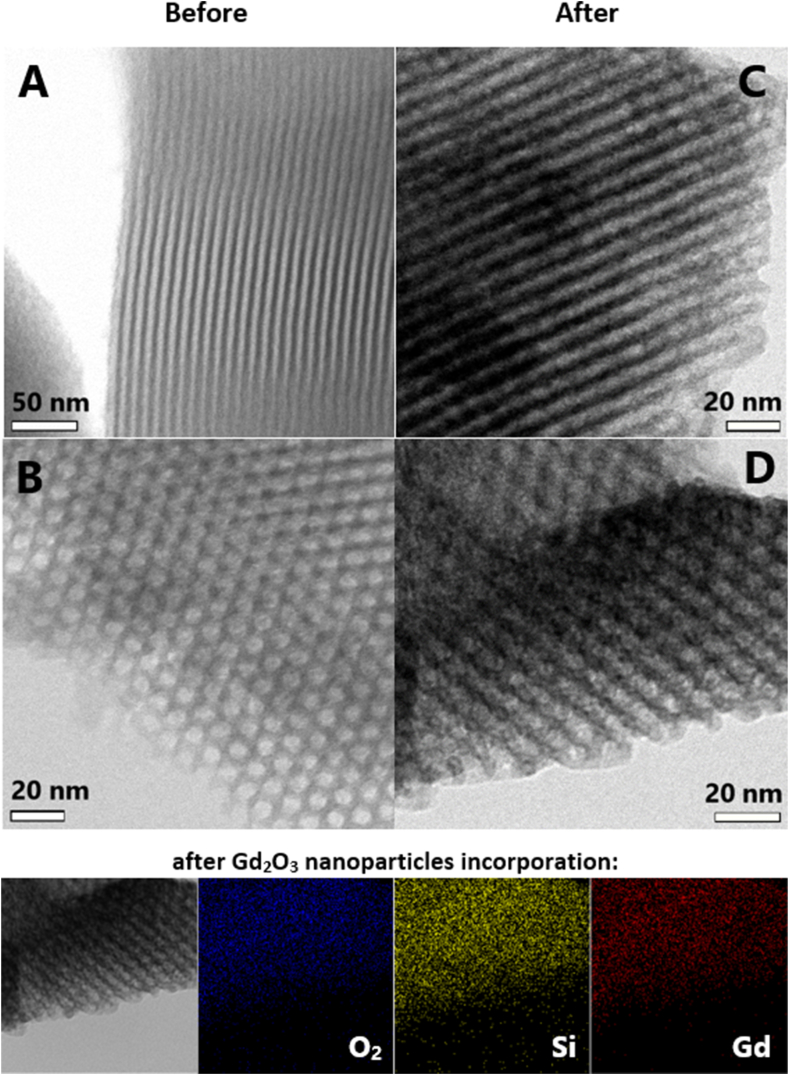
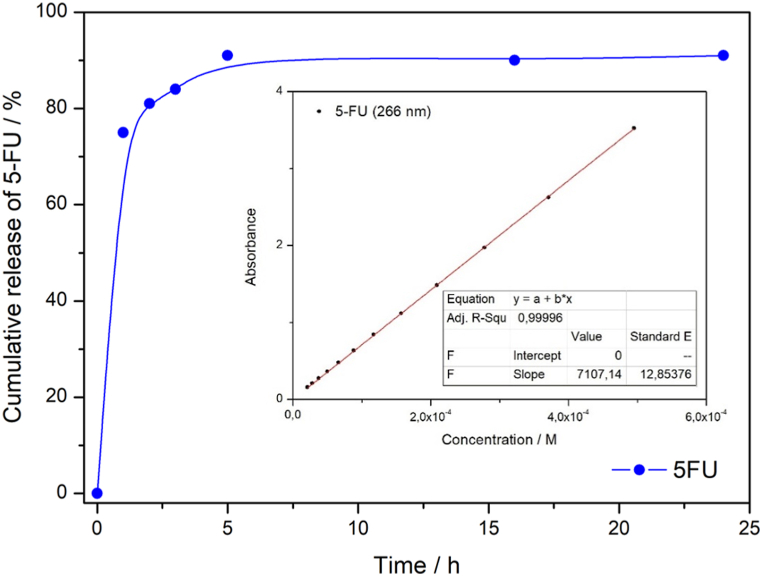
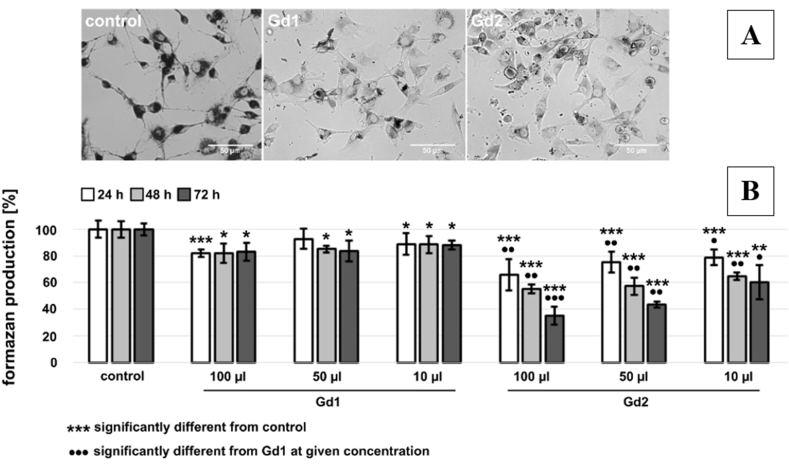
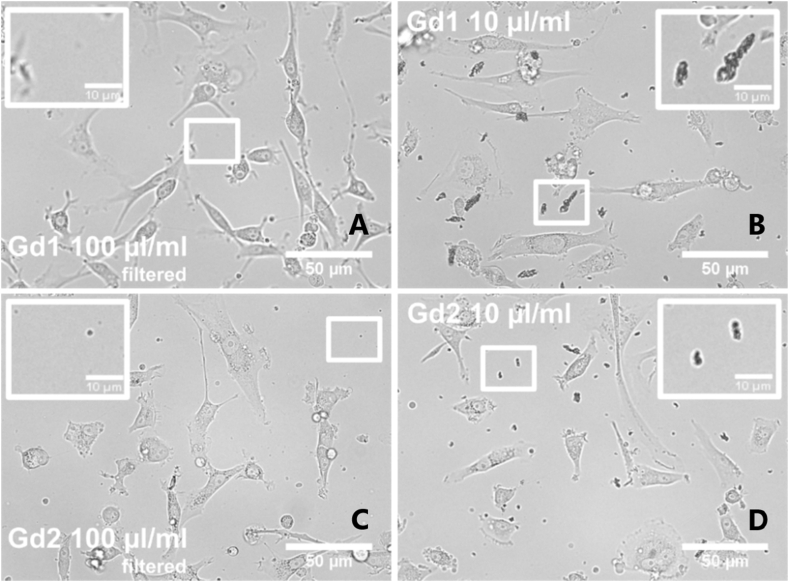
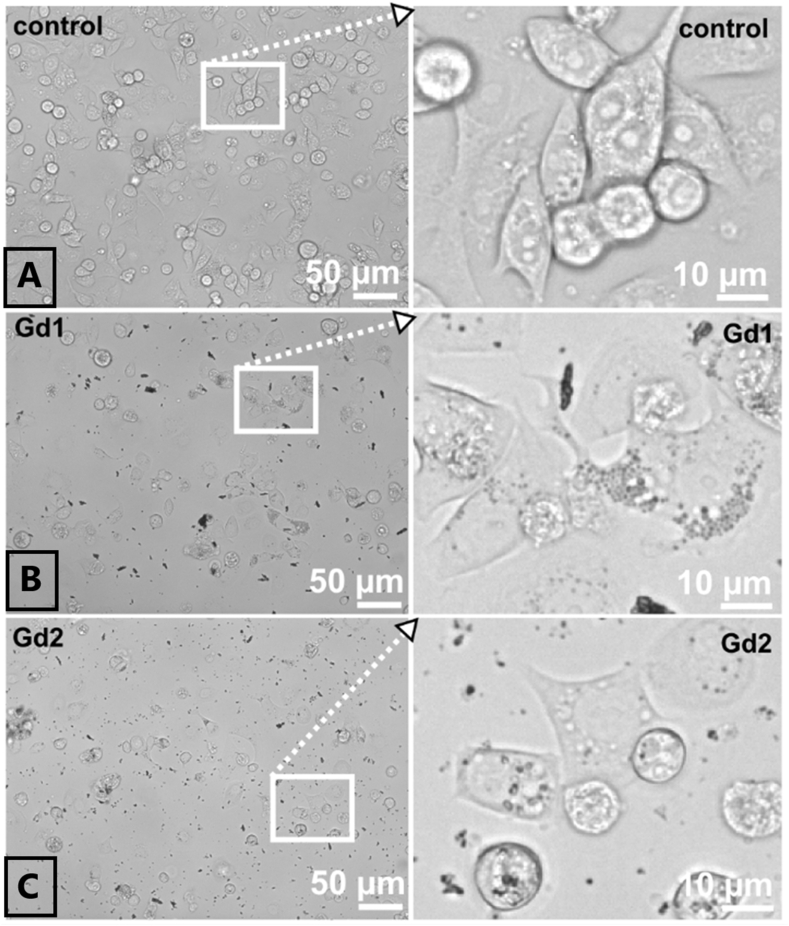
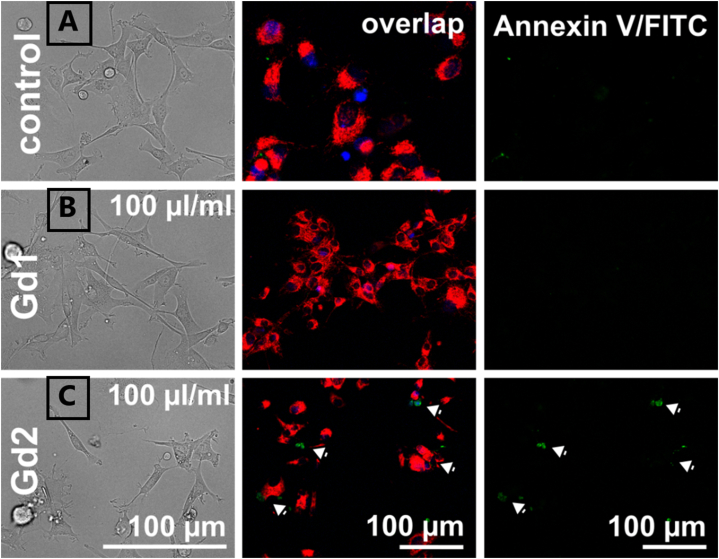
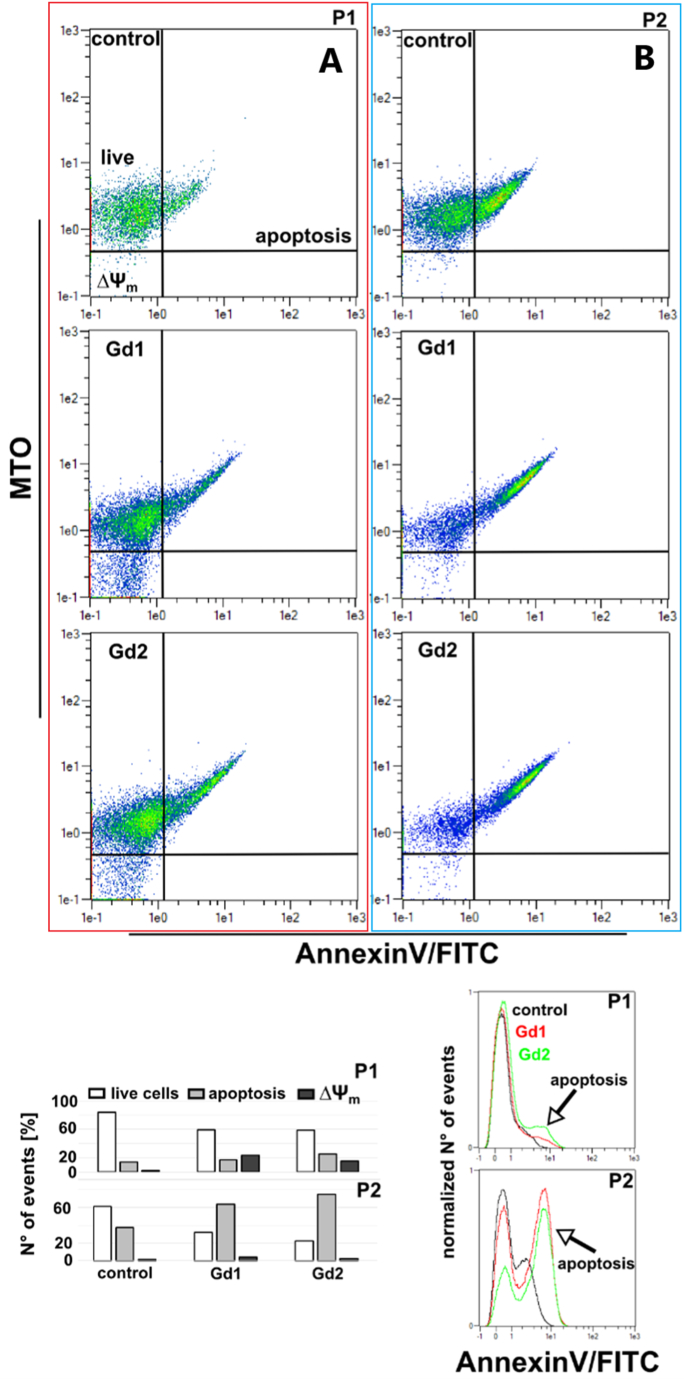
We have prepared silica matrix with hexagonal symmetry of pores (SBA-15) and loaded it with anticancer drug 5-Fluorouracil (5-FU) to promote it as a drug delivery system. GdO nanoparticles were incorporated into the matrix to enhance nanosystems applicability as contrast agent for MRI, thus enabled this nanocomposite to be used as multifunctional nano-based therapeutic agent. Drug release profile was obtained by UV-VIS spectroscopy, and it indicates the prolongated release of 5-FU during the first hours and the total release after 5 h. The cytotoxicity tests using MTT-assay, fluorescent microscopy, bright-field microscopy, and flow cytometry were carried out using human glioma U87 MG cells and SK BR 3 cells. The nanocomposite with anticancer drug (GdO/SBA-15/5FU) showed toxic behaviour towards studied cells, unlike nanocomposite without drug (GdO/SBA-15) that was non-toxic. Our drug delivery system was designed to minimalize negative effect of Gd ions at magnetic resonance imaging and drug 5-FU on healthy cells due to their encapsulation into biocompatible silica matrix, so the Gd ions are more stable (in comparison to chelates), lower therapeutic dose of 5-FU is needed and its prolongated release from silica pores was confirmed. Very good T1 contrast in MR images was observed even at low concentrations, thus this nanosystem can be potentially used as contrast imaging agent.
我们制备了具有六边形孔对称结构的二氧化硅基质(SBA-15),并将抗癌药物5-氟尿嘧啶(5-FU)负载到其中,以促进其作为药物递送系统。将氧化钆纳米颗粒掺入基质中,以增强纳米系统作为磁共振成像造影剂的适用性,从而使这种纳米复合材料可用作多功能纳米基治疗剂。通过紫外-可见光谱法获得药物释放曲线,结果表明5-FU在最初几小时内持续释放,并在5小时后完全释放。使用人胶质瘤U87 MG细胞和SK BR 3细胞,通过MTT法、荧光显微镜、明场显微镜和流式细胞术进行细胞毒性测试。与不含药物的纳米复合材料(GdO/SBA-15)无毒不同,含抗癌药物的纳米复合材料(GdO/SBA-15/5FU)对所研究的细胞表现出毒性行为。我们的药物递送系统旨在将钆离子在磁共振成像和药物5-FU对健康细胞的负面影响降至最低,因为它们被封装在生物相容性二氧化硅基质中,所以钆离子更稳定(与螯合物相比),所需的5-FU治疗剂量更低,并且证实了其从二氧化硅孔中的持续释放。即使在低浓度下,在磁共振图像中也观察到了非常好的T1对比度,因此这种纳米系统有可能用作造影成像剂。