College of Pharmacy, Liaoning University of Traditional Chinese Medicine, Dalian, 116600, People's Republic of China.
College of Integrated Chinese and Western Medicine, Liaoning University of Traditional Chinese Medicine, Shenyang, 110847, Liaoning, China.
BMC Complement Med Ther. 2023 Nov 7;23(1):400. doi: 10.1186/s12906-023-04217-z.
Hepatocellular carcinoma (HCC), abbreviated as liver cancer, is one of the most common cancers in clinics. HCC has a wider spread and higher incidence due to its high malignancy and metastasis. In HCC, effective strategies to block cancer cell migration, invasion, and neovascularization need to be further studied. Consumption of flavonoid-rich Oroxylum indicum (OI) has been associated with multiple beneficial effects, including anti-inflammatory and anticancer properties, but the potential effects on HCC have not been thoroughly investigated.
In this study, we aimed to reveal the effect of OI on HCC and its potential mechanism through microfluidic technology.
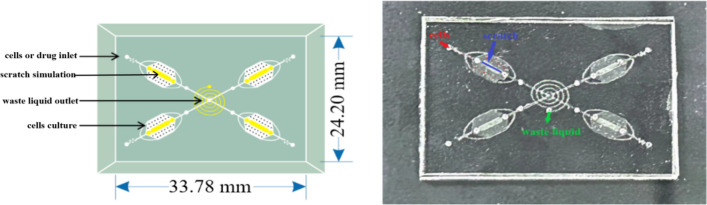
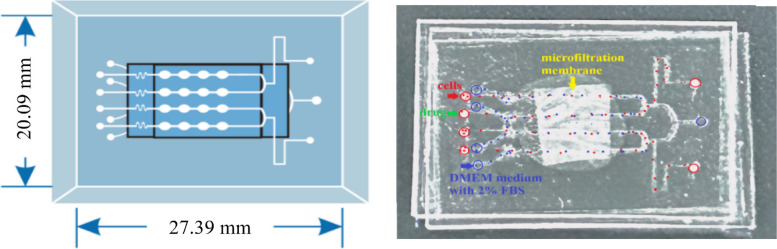
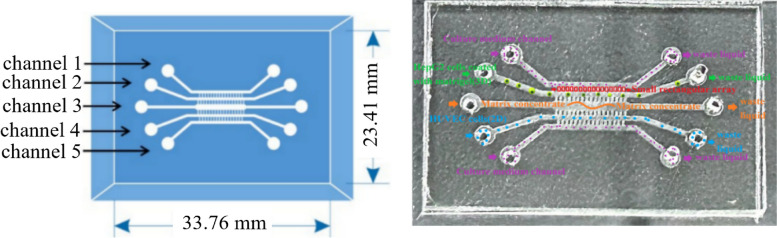
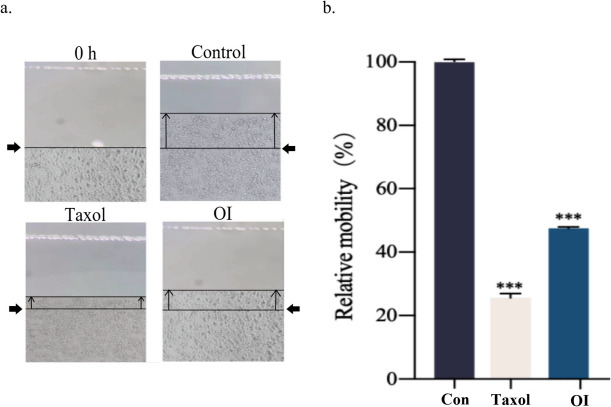
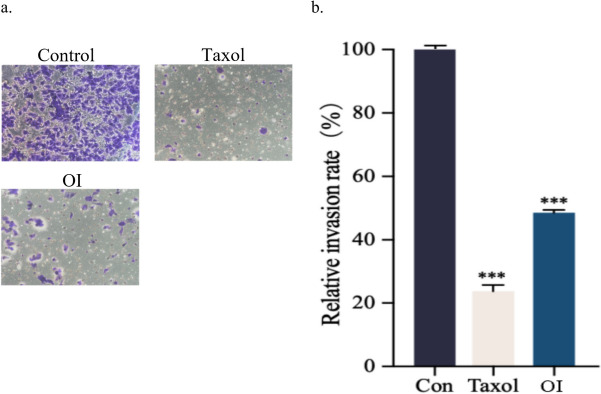
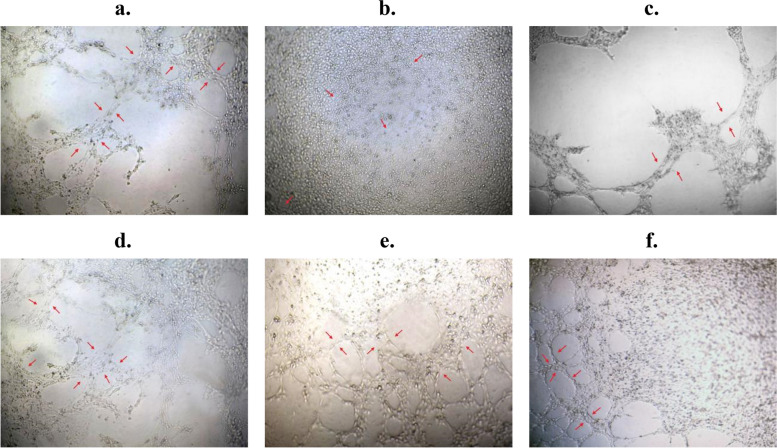
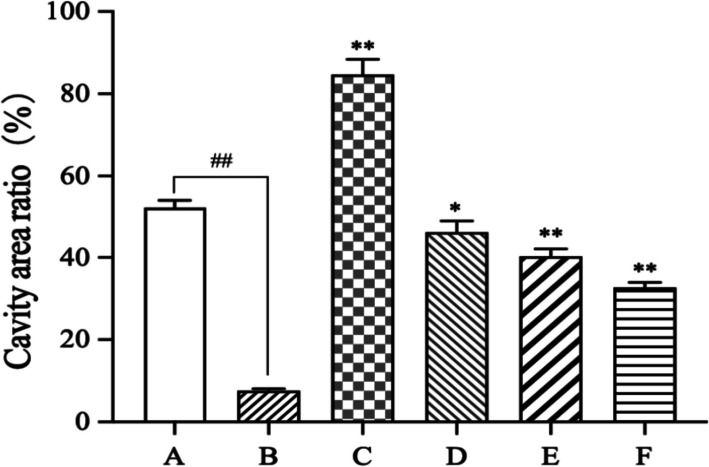
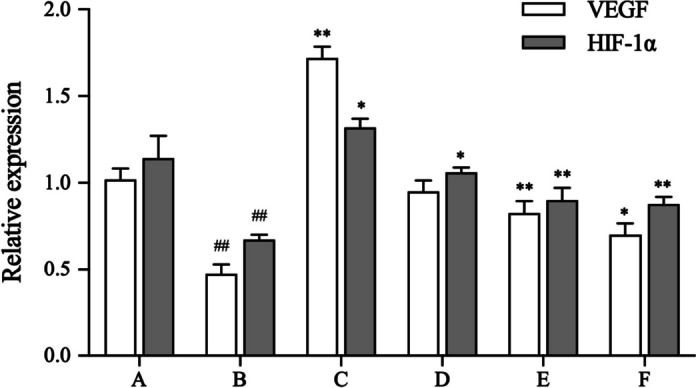
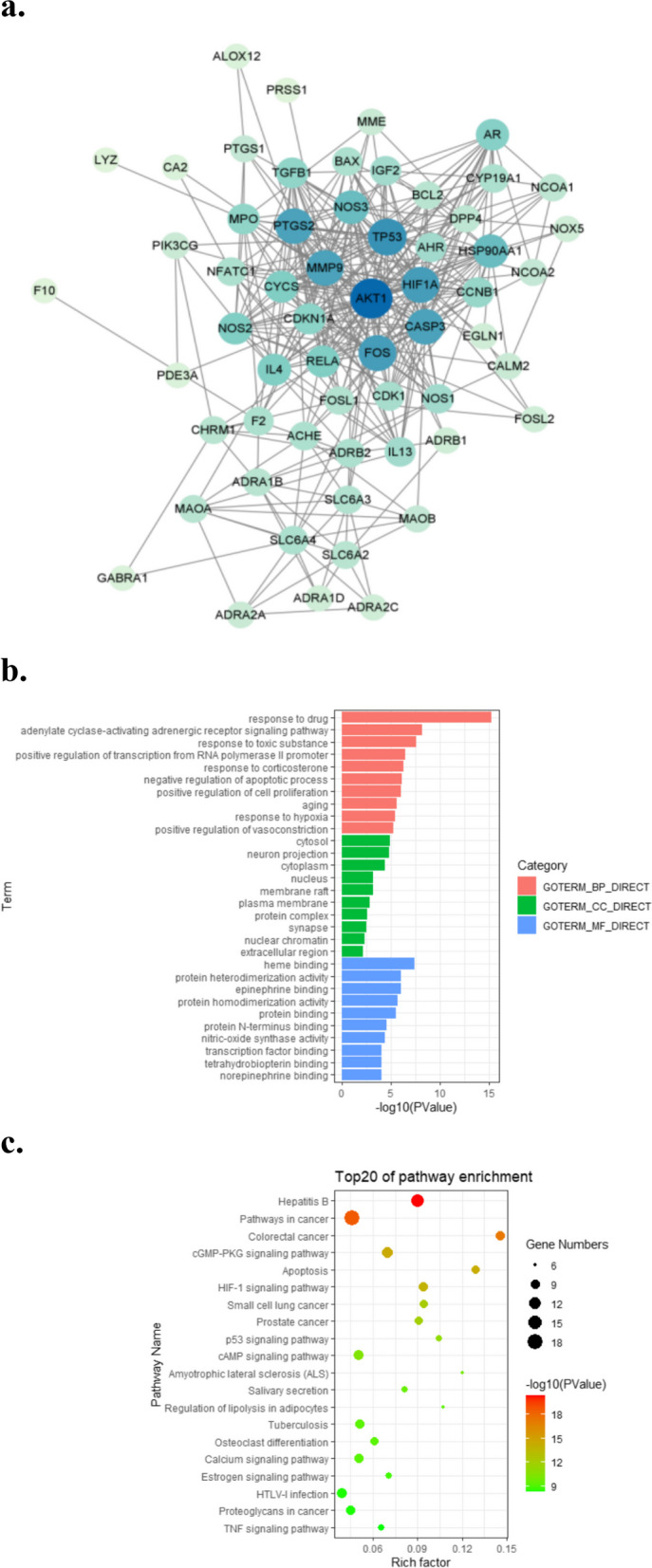
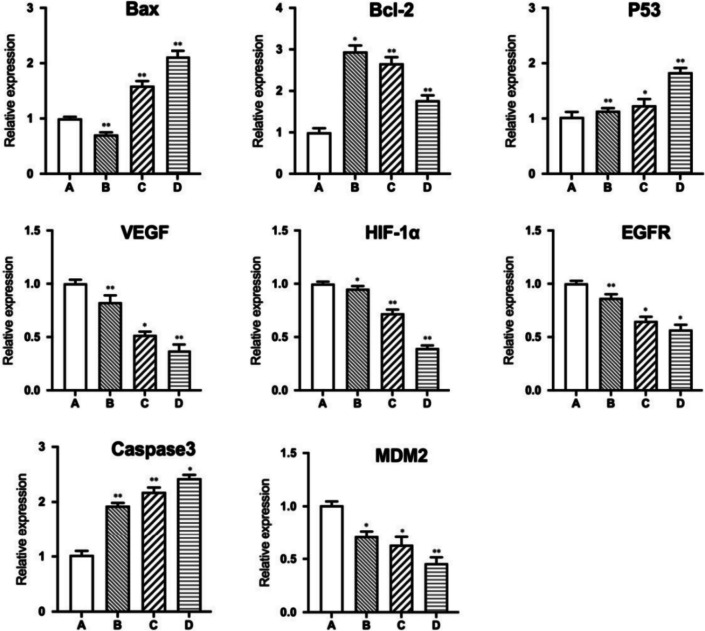
We designed microfluidic chips for cell migration, invasion, and neovascularization to evaluate the effect of OI on HepG2 cells. To further explore the mechanism of its anti-liver cancer action, the relevant signaling pathways were studied by microfluidic chips, RT‒qPCR and immunofluorescence techniques. Compared to the control group, cell migration, invasion, and angiogenesis were significantly reduced in each administration group. According to the P53 and VEGF pathways predicted by network pharmacology, RT‒qPCR and immunofluorescence staining experiments were conducted.
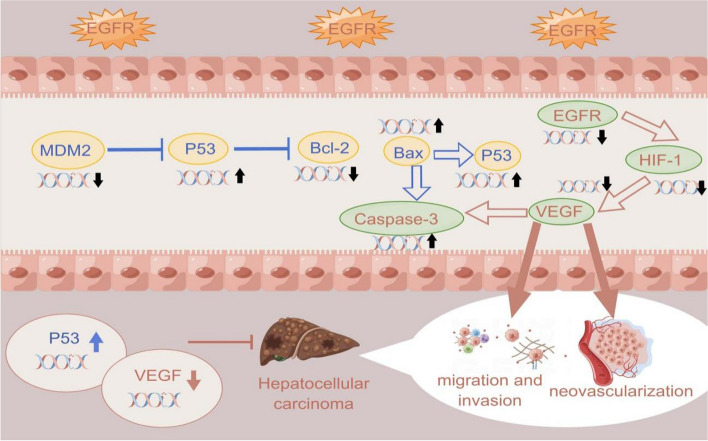
The results showed that OI upregulated the expression of Bax, P53 and Caspase-3 and downregulated the expression of Bcl-2 and MDM2. It has been speculated that OI may directly or indirectly induce apoptosis of HepG2 cells by regulating apoptosis-related genes. OI blocks the VEGF signaling pathway by downregulating the expression levels of VEGF, HIF-1α and EGFR and inhibits the migration and invasion of HepG2 cells and the formation of new blood vessels.
Our findings suggest that OI may inhibit the migration, invasion, and neovascularization of HepG2 cells, and its regulatory mechanism may be related to the regulation of the P53 and VEGF pathways.
肝细胞癌(HCC)简称肝癌,是临床最常见的恶性肿瘤之一。由于 HCC 恶性程度高、易转移,其发生范围较广、发病率较高。在 HCC 中,需要进一步研究有效阻断癌细胞迁移、侵袭和新生血管形成的策略。黄酮类化合物丰富的 Oroxylum indicum(OI)的消费与多种有益作用有关,包括抗炎和抗癌特性,但对 HCC 的潜在影响尚未得到彻底研究。
本研究旨在通过微流控技术揭示 OI 对 HCC 的影响及其潜在机制。
我们设计了用于细胞迁移、侵袭和新生血管形成的微流控芯片,以评估 OI 对 HepG2 细胞的影响。为了进一步探讨其抗肝癌作用的机制,我们通过微流控芯片、RT‒qPCR 和免疫荧光技术研究了相关信号通路。与对照组相比,每个给药组的细胞迁移、侵袭和血管生成均显著减少。根据网络药理学预测的 P53 和 VEGF 通路,进行了 RT‒qPCR 和免疫荧光染色实验。
结果表明,OI 上调了 Bax、P53 和 Caspase-3 的表达,下调了 Bcl-2 和 MDM2 的表达。OI 可能通过调节凋亡相关基因直接或间接诱导 HepG2 细胞凋亡。OI 通过下调 VEGF、HIF-1α 和 EGFR 的表达水平阻断 VEGF 信号通路,抑制 HepG2 细胞的迁移、侵袭和新血管形成。
我们的研究结果表明,OI 可能抑制 HepG2 细胞的迁移、侵袭和新生血管形成,其调节机制可能与调节 P53 和 VEGF 通路有关。