Department of Integrative Structural and Computational Biology and Skaggs Institute of Chemical Biology, The Scripps Research Institute, La Jolla, CA 92037.
Proc Natl Acad Sci U S A. 2023 Nov 21;120(47):e2313835120. doi: 10.1073/pnas.2313835120. Epub 2023 Nov 14.
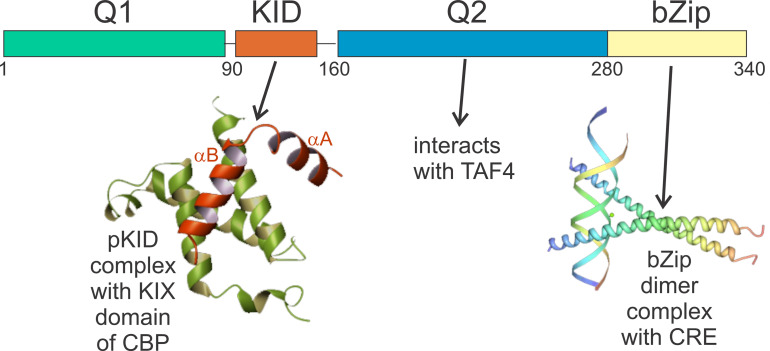
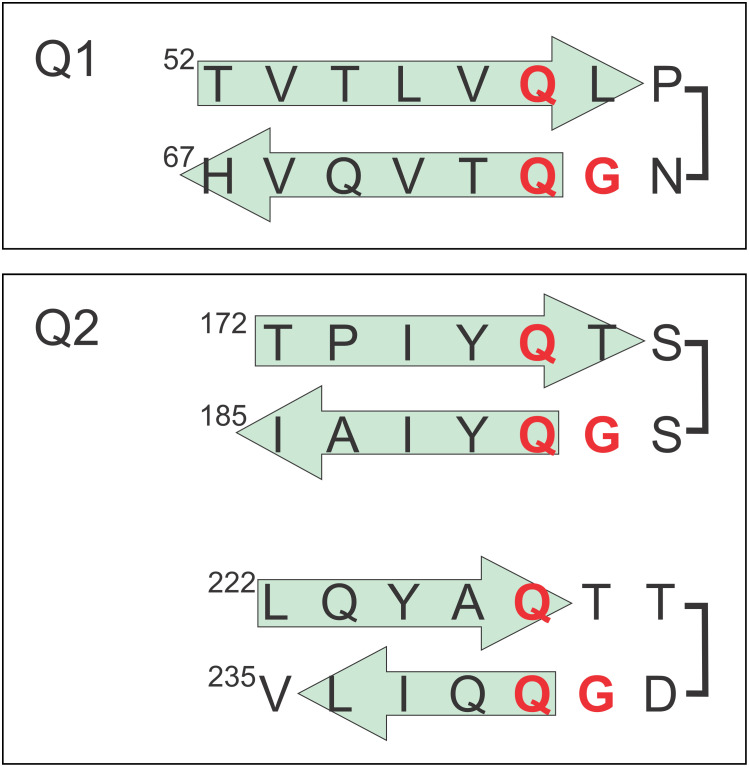
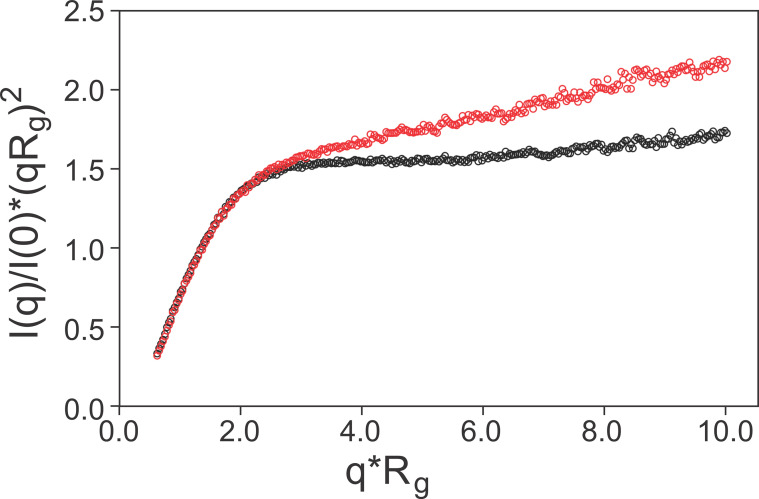
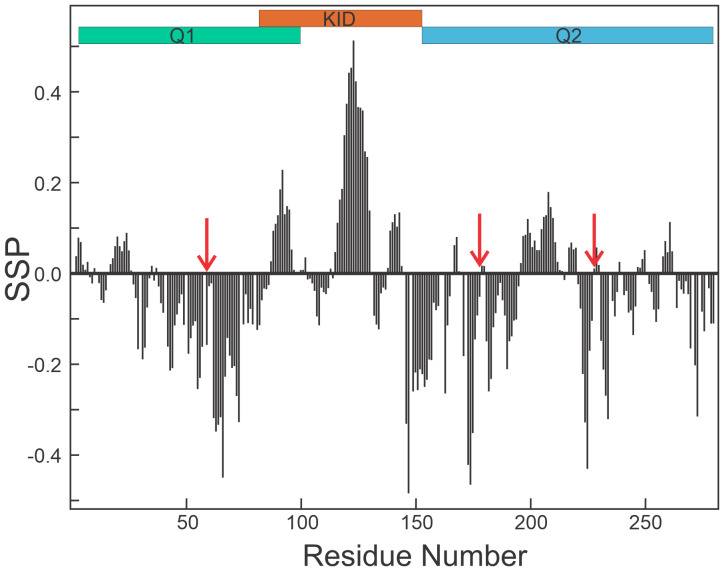
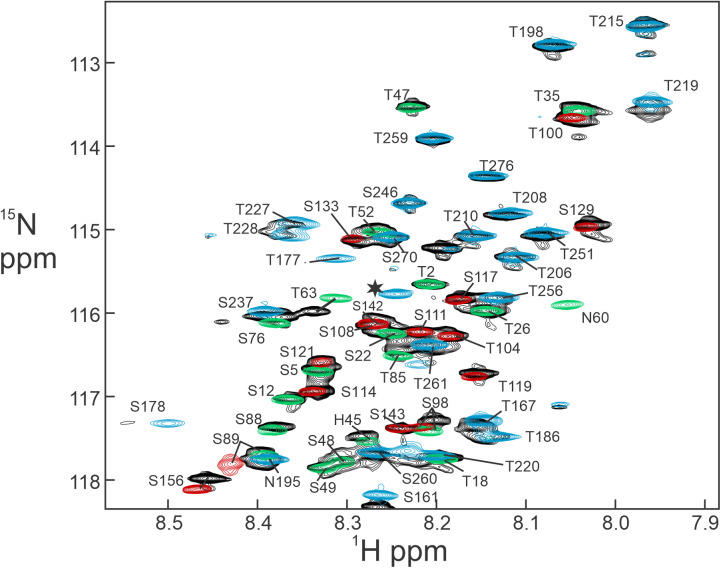
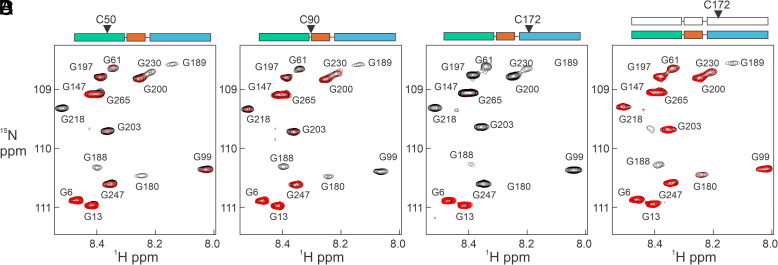
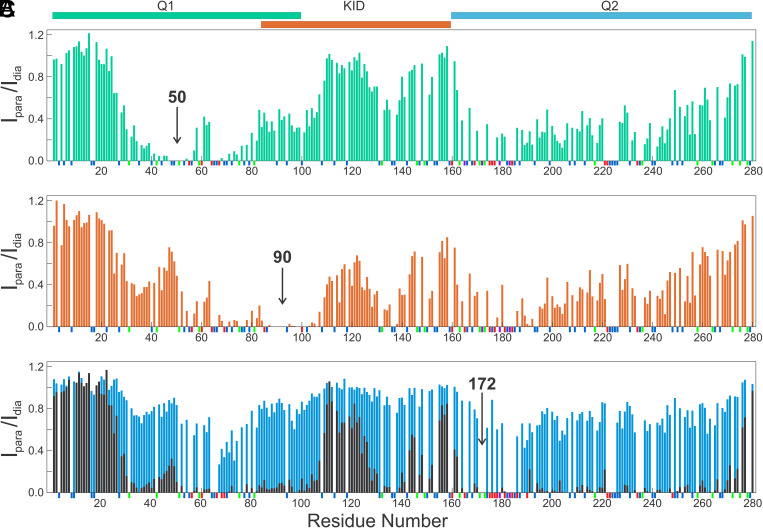
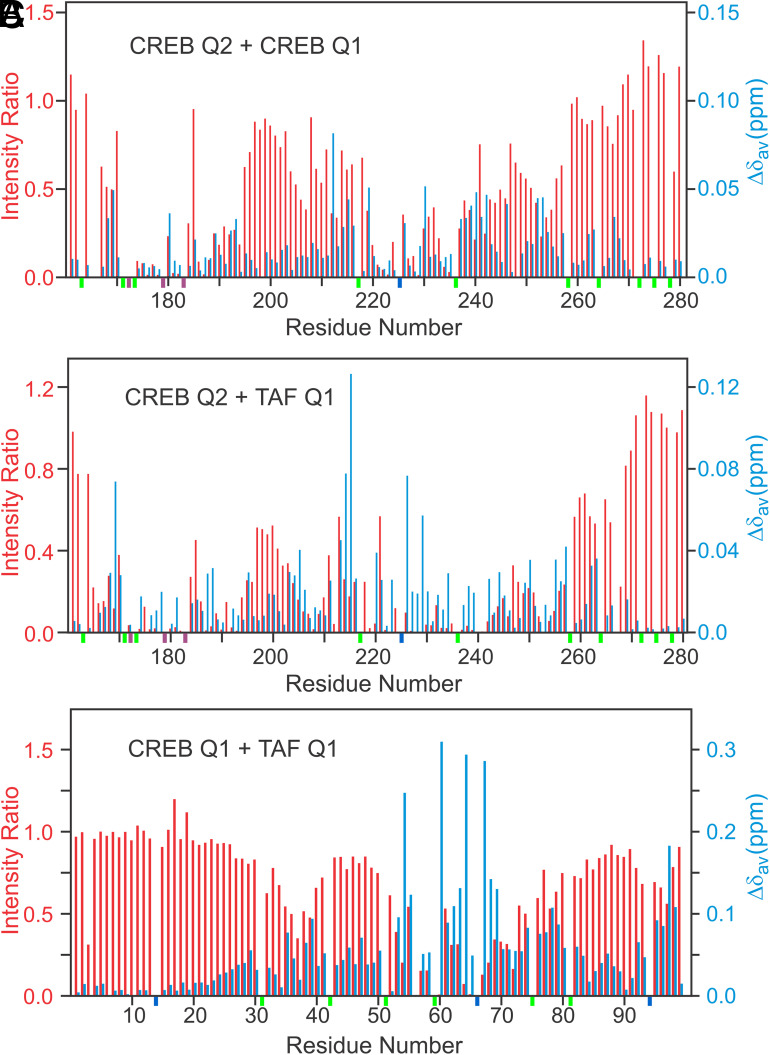
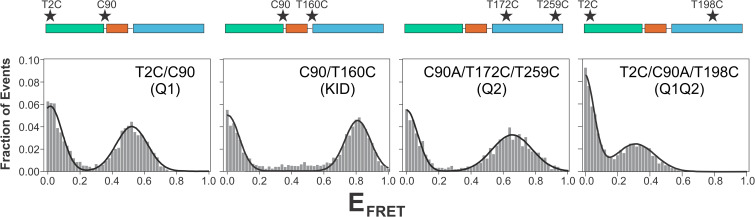
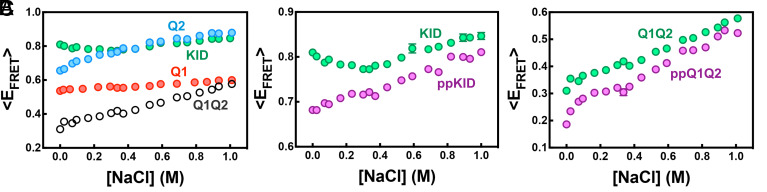
The cyclic AMP response element (CRE) binding protein (CREB) is a transcription factor that contains a 280-residue N-terminal transactivation domain and a basic leucine zipper that mediates interaction with DNA. The transactivation domain comprises three subdomains, the glutamine-rich domains Q1 and Q2 and the kinase inducible activation domain (KID). NMR chemical shifts show that the isolated subdomains are intrinsically disordered but have a propensity to populate local elements of secondary structure. The Q1 and Q2 domains exhibit a propensity for formation of short β-hairpin motifs that function as binding sites for glutamine-rich sequences. These motifs mediate intramolecular interactions between the CREB Q1 and Q2 domains as well as intermolecular interactions with the glutamine-rich Q1 domain of the TATA-box binding protein associated factor 4 (TAF4) subunit of transcription factor IID (TFIID). Using small-angle X-ray scattering, NMR, and single-molecule Förster resonance energy transfer, we show that the Q1, Q2, and KID regions remain dynamically disordered in a full-length CREB transactivation domain (CREB) construct. The CREB polypeptide chain is largely extended although some compaction is evident in the KID and Q2 domains. Paramagnetic relaxation enhancement reveals transient long-range contacts both within and between the Q1 and Q2 domains while the intervening KID domain is largely devoid of intramolecular interactions. Phosphorylation results in expansion of the KID domain, presumably making it more accessible for binding the CBP/p300 transcriptional coactivators. Our study reveals the complex nature of the interactions within the intrinsically disordered transactivation domain of CREB and provides molecular-level insights into dynamic and transient interactions mediated by the glutamine-rich domains.
环腺苷酸反应元件 (CRE) 结合蛋白 (CREB) 是一种转录因子,包含 280 个残基的 N 端转录激活结构域和碱性亮氨酸拉链,介导与 DNA 的相互作用。转录激活结构域包含三个亚结构域,富含谷氨酰胺的 Q1 和 Q2 结构域以及激酶诱导的激活结构域(KID)。NMR 化学位移表明,分离的亚结构域是固有无序的,但具有形成局部二级结构元素的倾向。Q1 和 Q2 结构域表现出形成短 β-发夹模体的倾向,这些模体作为富含谷氨酰胺序列的结合位点。这些模体介导 CREB Q1 和 Q2 结构域之间的分子内相互作用以及与 TATA 框结合蛋白相关因子 4(TAF4)亚基转录因子 IID(TFIID)的富含谷氨酰胺的 Q1 结构域的分子间相互作用。使用小角度 X 射线散射、NMR 和单分子Förster 共振能量转移,我们表明全长 CREB 转录激活结构域(CREB)构建体中的 Q1、Q2 和 KID 区域仍然保持动态无序。CREB 多肽链在很大程度上是伸展的,尽管 KID 和 Q2 结构域中存在一些紧凑。顺磁松弛增强揭示了 Q1 和 Q2 结构域之间以及结构域内的瞬态长程接触,而 intervening 的 KID 结构域基本上没有分子内相互作用。磷酸化导致 KID 结构域扩张,推测使其更容易与 CBP/p300 转录共激活因子结合。我们的研究揭示了 CREB 固有无序转录激活结构域内相互作用的复杂性质,并提供了分子水平上对富含谷氨酰胺结构域介导的动态和瞬态相互作用的深入了解。