Department of Dermatology, Seoul National University College of Medicine, Seoul 03080, South Korea; Laboratory of Cutaneous Aging and Hair Research, Biomedical Research Institute, Seoul National University Hospital, Seoul 03080, South Korea; Institute of Human-Environment Interface Biology, Medical Research Center, Seoul National University, Seoul 03080, South Korea; Department of Biomedical Sciences, Seoul National University College of Medicine, Seoul 03080, South Korea.
Department of Dermatology, Seoul National University College of Medicine, Seoul 03080, South Korea; Laboratory of Cutaneous Aging and Hair Research, Biomedical Research Institute, Seoul National University Hospital, Seoul 03080, South Korea; Institute of Human-Environment Interface Biology, Medical Research Center, Seoul National University, Seoul 03080, South Korea.
J Adv Res. 2024 Oct;64:237-247. doi: 10.1016/j.jare.2023.11.014. Epub 2023 Nov 14.
Hair loss is a common phenomenon associated with various environmental and genetic factors. Mitochondrial dysfunction-induced oxidative stress has been recognized as a crucial determinant of hair follicle (HF) biology. Aldehyde dehydrogenase 2 (ALDH2) mitigates oxidative stress by detoxifying acetaldehyde. This study investigated the potential role of ALDH2 modulation in HF function and hair growth promotion.
To evaluate the effects of ALDH2 activation on oxidative stress in HFs and hair growth promotion.
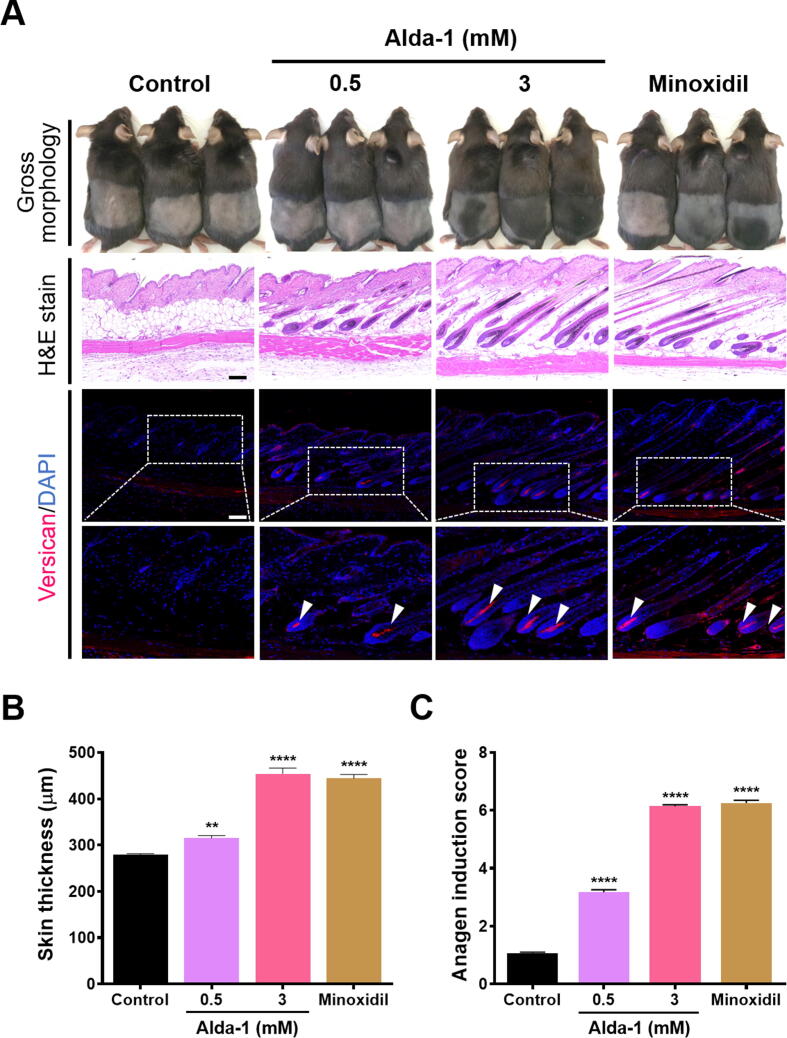
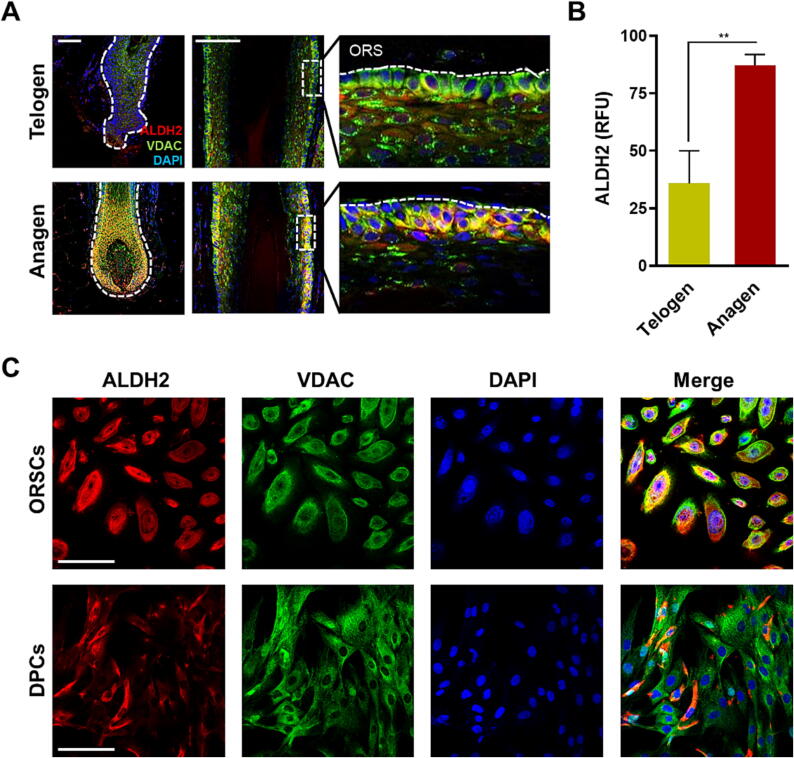
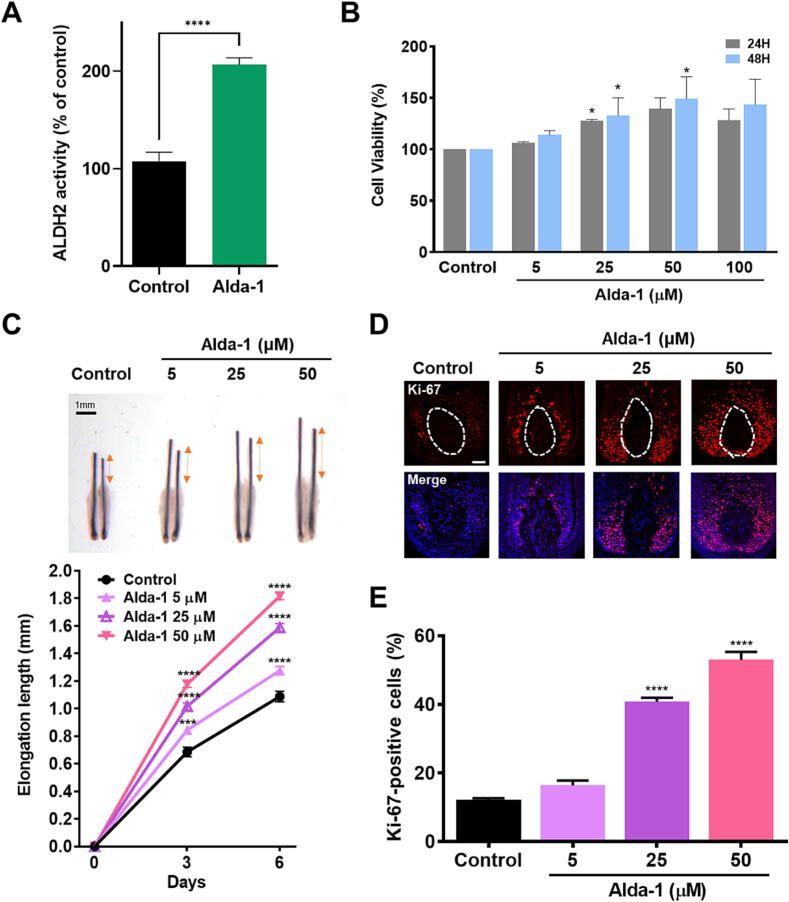
The modulatory role of ALDH2 on HFs was investigated using an ALDH2 activator. ALDH2 expression in human HFs was evaluated through in vitro immunofluorescence staining. Ex vivo HF organ culture was employed to assess hair shaft elongation, while the fluorescence probe 2',7'- dichlorodihydrofluorescein diacetate was utilized to detect reactive oxygen species (ROS). An in vivo mouse model was used to determine whether ALDH2 activation induces anagen.
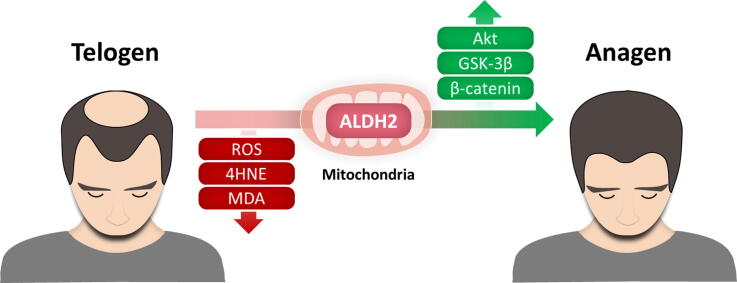
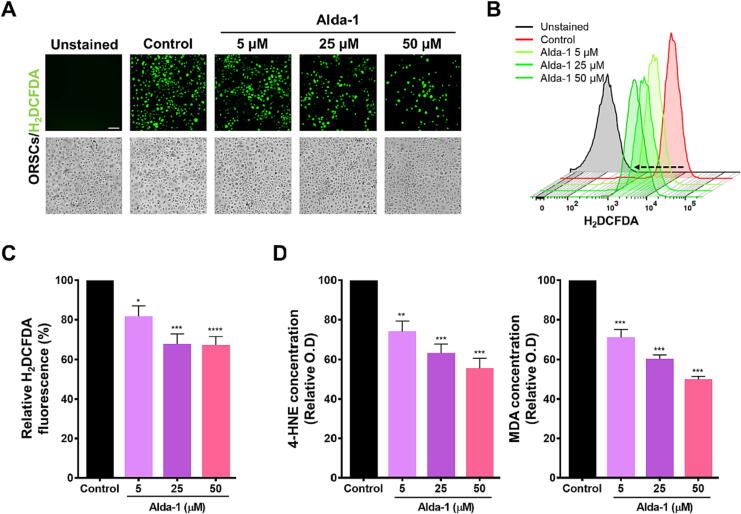
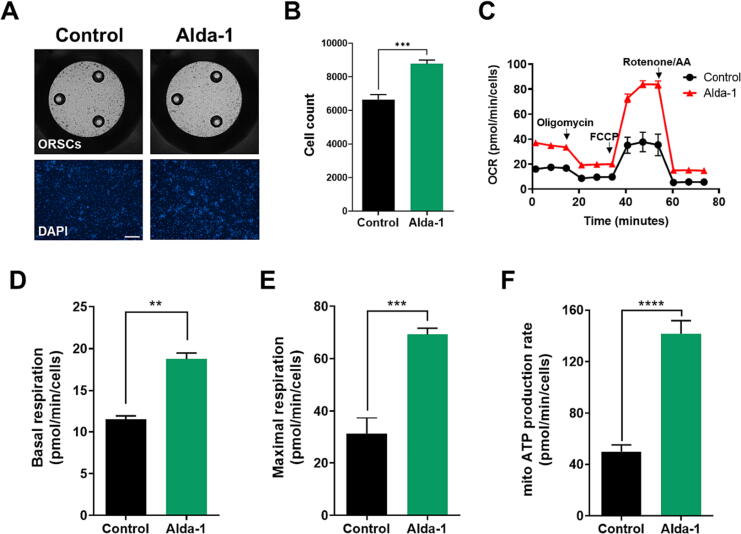
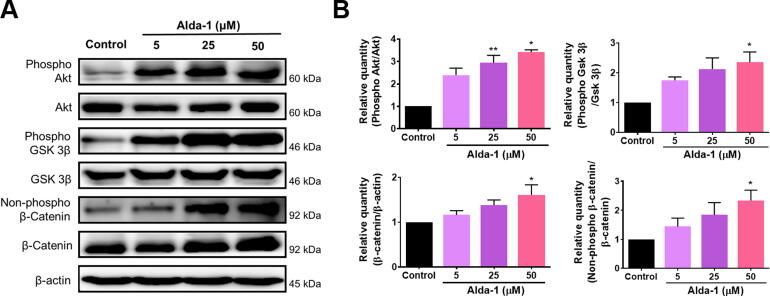
During the anagen phase, ALDH2 showed significantly higher intensity than that in the telogen phase, and its expression was primarily localized along the outer layer of HFs. ALDH2 activation promoted anagen phase induction by reducing ROS levels and enhancing reactive aldehyde clearance, which indicated that ALDH2 functions as a ROS scavenger within HFs. Moreover, ALDH2 activation upregulated Akt/GSK 3β/β-catenin signaling in HFs.
Our findings highlight the hair growth promotion effects of ALDH2 activation in HFs and its potential as a promising therapeutic approach for promoting anagen induction.
脱发是一种与各种环境和遗传因素相关的常见现象。线粒体功能障碍引起的氧化应激已被认为是毛囊(HF)生物学的关键决定因素。乙醛脱氢酶 2(ALDH2)通过解毒乙醛来减轻氧化应激。本研究旨在探讨 ALDH2 调节在 HF 功能和促进头发生长中的潜在作用。
评估 ALDH2 激活对 HF 中的氧化应激和促进头发生长的影响。
使用 ALDH2 激活剂研究 ALDH2 对 HF 的调节作用。通过体外免疫荧光染色评估 ALDH2 在人 HF 中的表达。采用体外 HF 器官培养来评估毛干伸长,同时使用荧光探针 2',7'-二氯二氢荧光素二乙酸酯来检测活性氧(ROS)。使用体内小鼠模型来确定 ALDH2 激活是否诱导生长期。
在生长期,ALDH2 的强度明显高于休止期,其表达主要定位于 HF 的外层。ALDH2 激活通过降低 ROS 水平和增强反应性醛清除来促进生长期诱导,这表明 ALDH2 在 HF 中作为 ROS 清除剂发挥作用。此外,ALDH2 激活上调了 HF 中的 Akt/GSK 3β/β-连环蛋白信号通路。
我们的研究结果强调了 ALDH2 激活在 HF 中对头发生长的促进作用,以及其作为促进生长期诱导的有前途的治疗方法的潜力。