European Bioinformatics Institute, Wellcome Trust Genome Campus, Hinxton, Cambridge CB10 1SD, U.K.
Biochem J. 2023 Nov 29;480(22):1845-1863. doi: 10.1042/BCJ20220405.
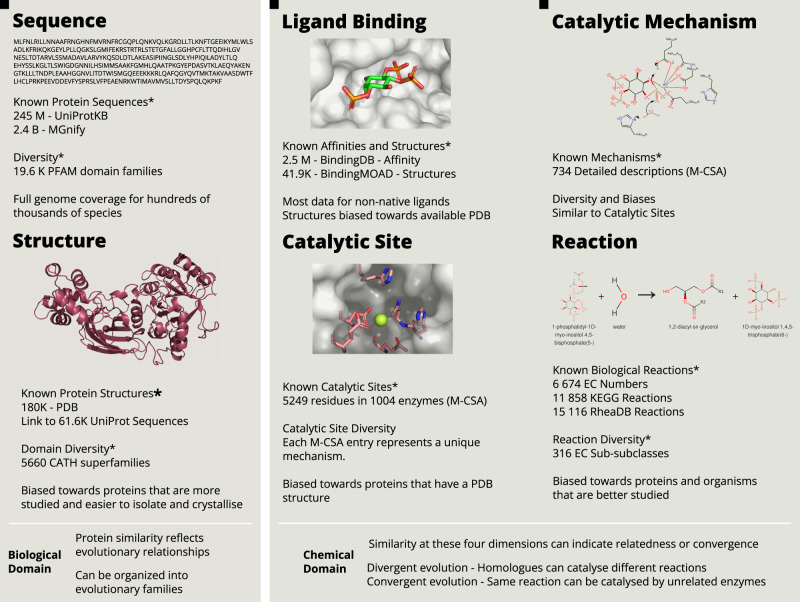
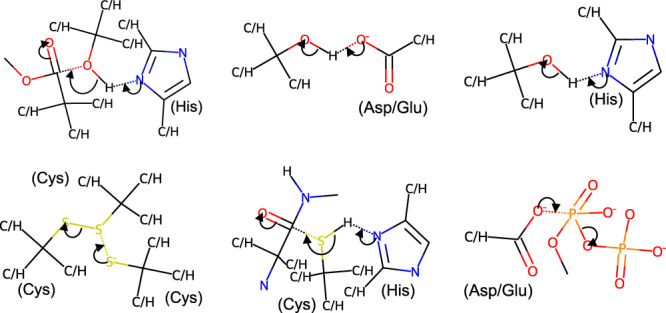
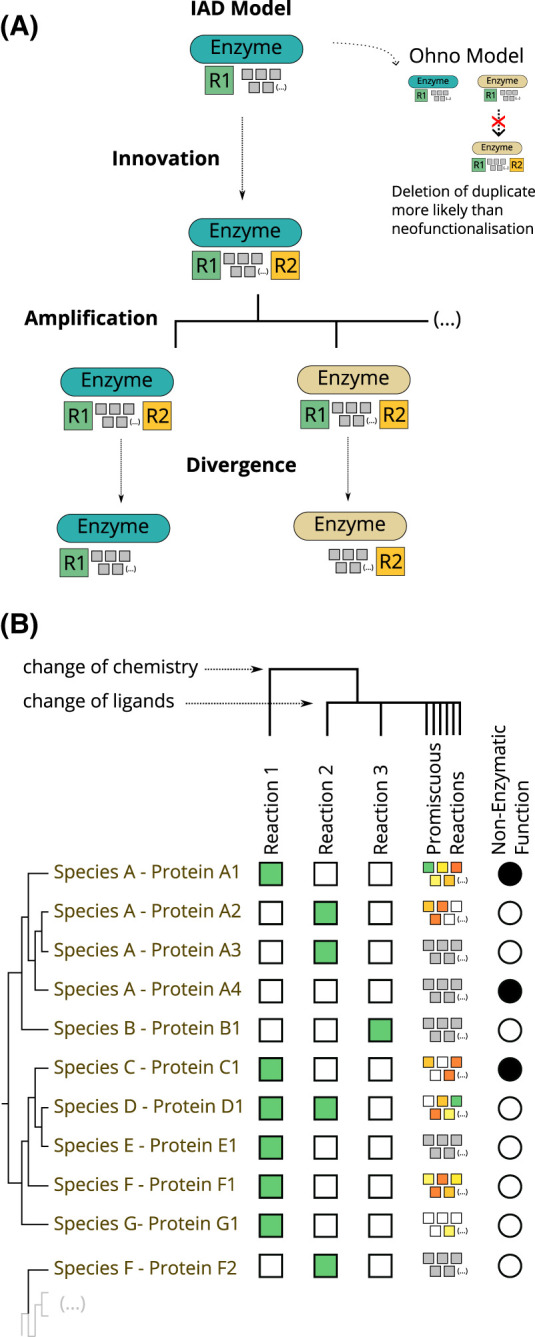
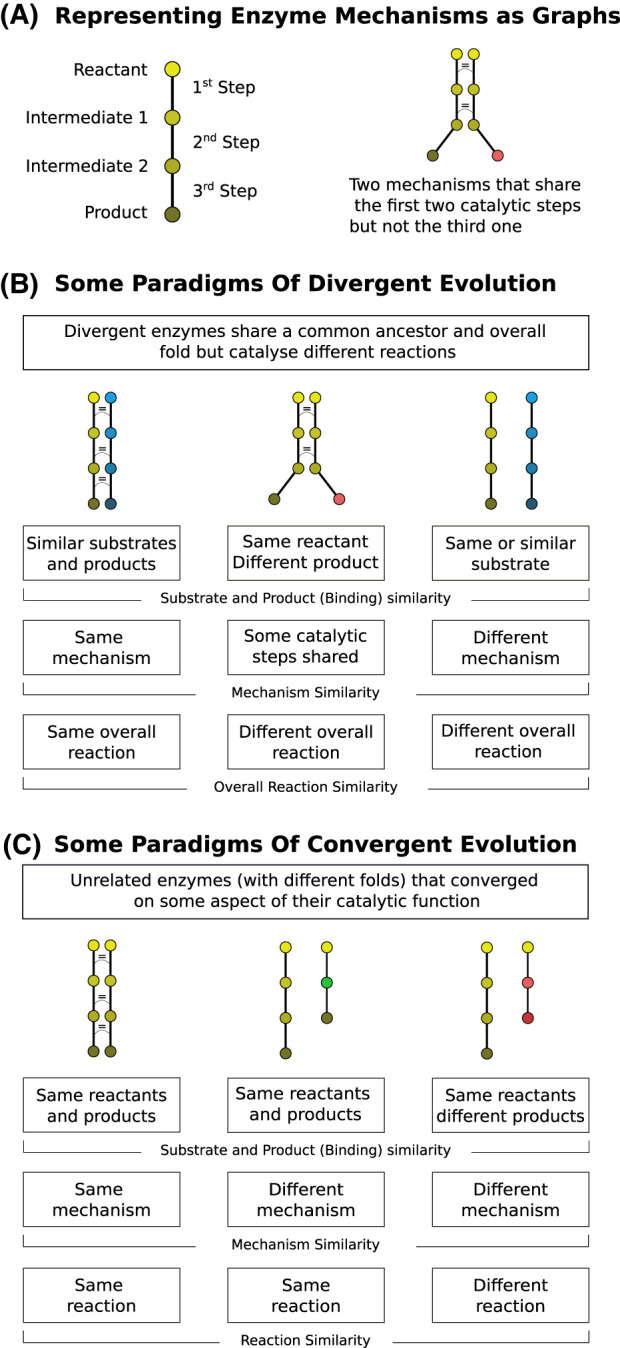
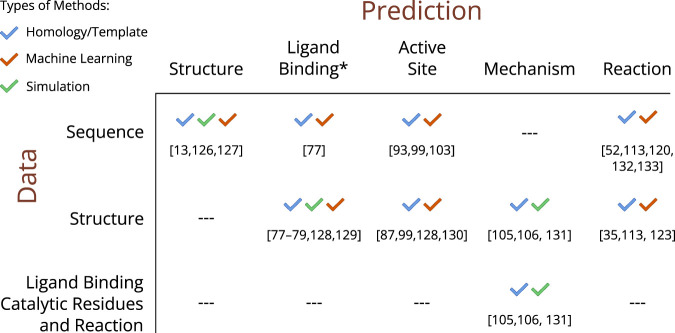
Enzymes have been shaped by evolution over billions of years to catalyse the chemical reactions that support life on earth. Dispersed in the literature, or organised in online databases, knowledge about enzymes can be structured in distinct dimensions, either related to their quality as biological macromolecules, such as their sequence and structure, or related to their chemical functions, such as the catalytic site, kinetics, mechanism, and overall reaction. The evolution of enzymes can only be understood when each of these dimensions is considered. In addition, many of the properties of enzymes only make sense in the light of evolution. We start this review by outlining the main paradigms of enzyme evolution, including gene duplication and divergence, convergent evolution, and evolution by recombination of domains. In the second part, we overview the current collective knowledge about enzymes, as organised by different types of data and collected in several databases. We also highlight some increasingly powerful computational tools that can be used to close gaps in understanding, in particular for types of data that require laborious experimental protocols. We believe that recent advances in protein structure prediction will be a powerful catalyst for the prediction of binding, mechanism, and ultimately, chemical reactions. A comprehensive mapping of enzyme function and evolution may be attainable in the near future.
酶在数十亿年的进化过程中被塑造,以催化支持地球上生命的化学反应。酶的知识分散在文献中,或者组织在在线数据库中,可以按照不同的维度进行结构化,这些维度既与它们作为生物大分子的质量有关,如序列和结构,也与它们的化学功能有关,如催化位点、动力学、机制和整体反应。只有考虑到这些维度中的每一个,才能理解酶的进化。此外,许多酶的特性只有在进化的背景下才有意义。我们首先概述了酶进化的主要范式,包括基因复制和分歧、趋同进化以及结构域重组进化。在第二部分,我们概述了目前以不同类型的数据组织并收集在几个数据库中的关于酶的集体知识。我们还强调了一些越来越强大的计算工具,这些工具可以用来缩小理解上的差距,特别是对于需要繁琐实验方案的类型的数据。我们相信,蛋白质结构预测的最新进展将成为预测结合、机制,最终预测化学反应的强大催化剂。酶功能和进化的全面映射可能在不久的将来实现。