Skórka Patryk, Kargul Michał, Seemannová Diana, Gajek Bartosz, Gutowski Piotr, Kazimierczak Arkadiusz, Rynio Paweł
Department of Vascular Surgery and Angiology, Pomeranian Medical University in Szczecin, Al. Powstańców Wielkopolskich 72, 70-111 Szczecin, Poland.
J Cardiovasc Dev Dis. 2023 Nov 15;10(11):464. doi: 10.3390/jcdd10110464.
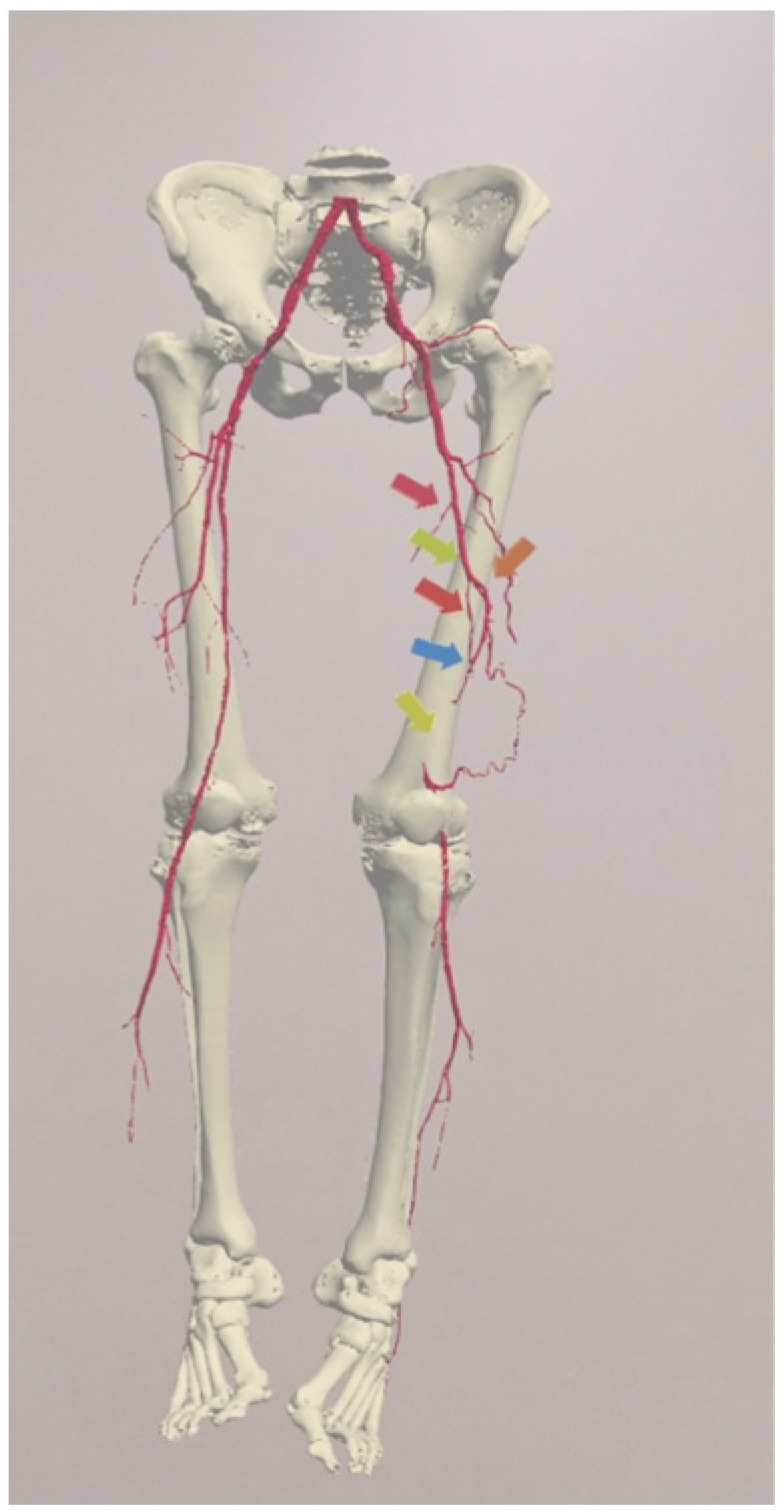
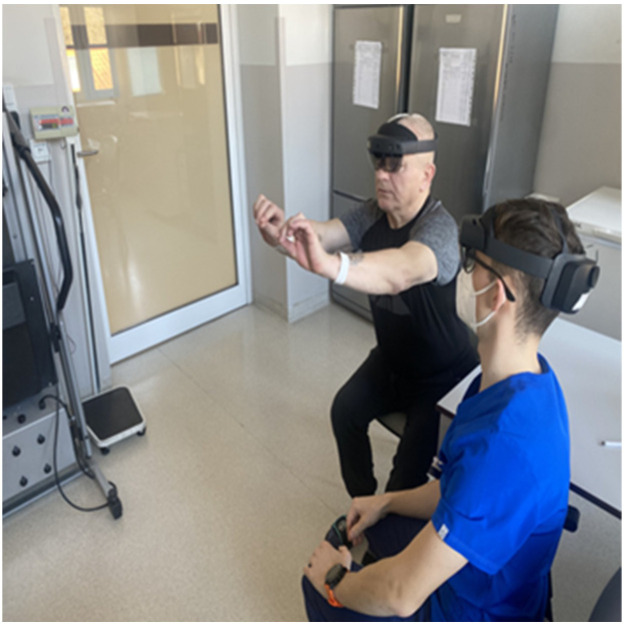
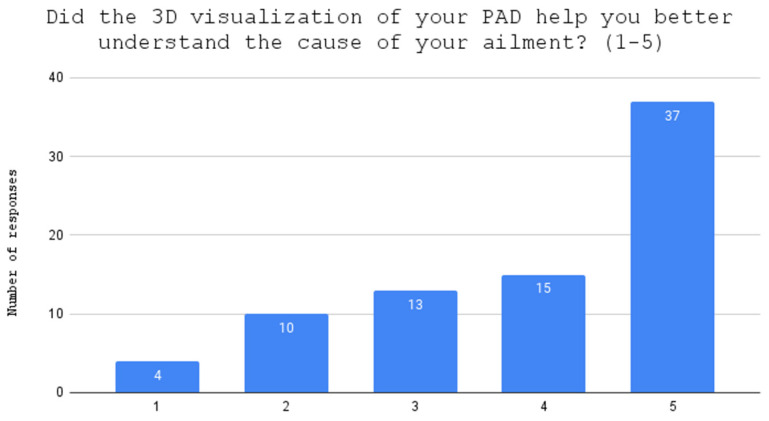
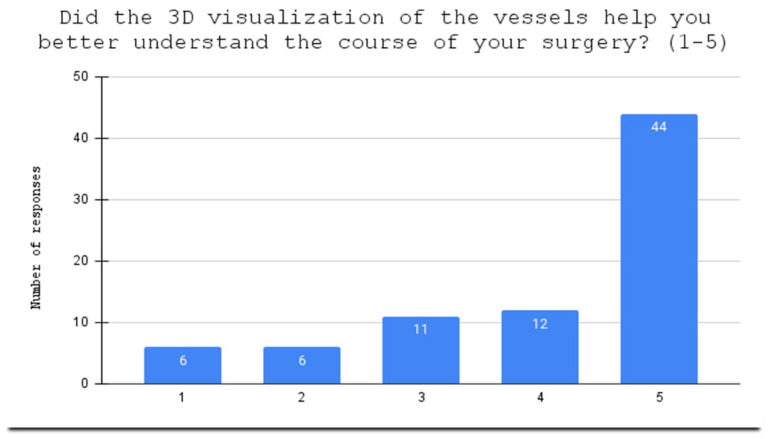
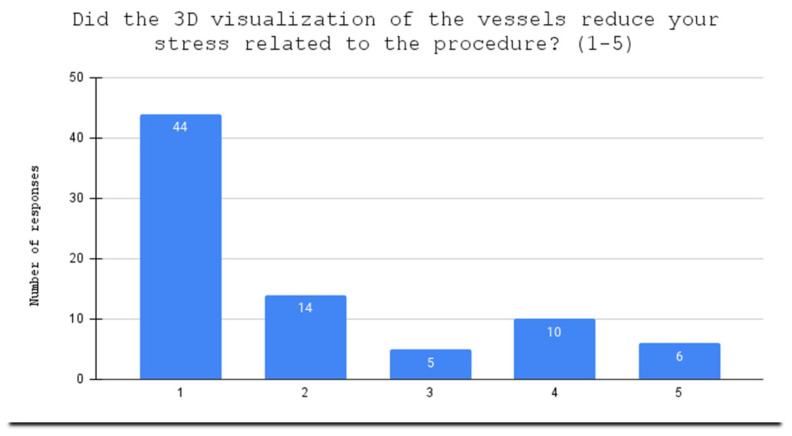
We sought to determine the role of the patient-specific, three-dimensional (3D) holographic vascular model in patient medical knowledge and its influence on obtaining a more conscious informed consent process for percutaneous balloon angioplasty (PTA). Patients with peripheral arterial disease who had been scheduled for PTA were enrolled in the study. Information regarding the primary disease, planned procedure, and informed consent was recorded in typical fashion. Subsequently, the disease and procedure details were presented to the patient, showing the patients their individual model. A patient and medical supervisor equipped with mixed reality headsets could both simultaneously manipulate the hologram using gestures. The holographic 3D model had been created on a scale of 1:1 based on computed tomography scans. The patient's knowledge was tested by the completion of a questionnaire before and after the interaction in a mixed reality environment. Seventy-nine patients manipulated arterial holograms in mixed reality head-mounted devices. Before the 3D holographic artery model interaction, the mean ± standard deviation score of the knowledge test was 2.95 ± 1.21 points. After the presentation, the score had increased to 4.39 ± 0.82, with a statistically significant difference ( = 0.0000) between the two scores. Using a Likert scale from 1 to 5, the patients had scored the use of the 3D holographic model at 3.90 points regarding its usefulness in comprehending their medical condition; at 4.04 points regarding the evaluation of the holograms as helpful in understanding the course of surgery; and rated the model at 1.99 points in reducing procedure-related stress. Using a nominal scale (know or don't know), the patients had self-assessed their knowledge of the procedure before and after the 3D model presentation, with a score of 6.29 ± 2.01 and 8.39 ± 1.54, respectively. The study group tolerated the use of head-mounted devices. Only one patient had nausea and dizziness, while four patients experienced transient eye pain. The 3D holographic arterial model aided in the understanding of patients' knowledge regarding the disease and procedure, making the informed consent process more conscious. The holograms improved the patient's self-consciousness. Mixed reality headset-related complications were rare and within acceptable rates.
我们试图确定患者特异性三维(3D)全息血管模型在患者医学知识方面的作用,及其对经皮球囊血管成形术(PTA)获得更有意识的知情同意过程的影响。计划接受PTA的外周动脉疾病患者被纳入该研究。以典型方式记录有关原发性疾病、计划手术和知情同意的信息。随后,向患者展示疾病和手术细节,并向他们展示其个人模型。配备混合现实头显的患者和医学主管可以同时使用手势操作全息图。该全息3D模型是基于计算机断层扫描以1:1的比例创建的。在混合现实环境中进行交互前后,通过完成问卷对患者的知识进行测试。79名患者在混合现实头戴式设备中操作动脉全息图。在3D全息动脉模型交互之前,知识测试的平均±标准差分数为2.95±1.21分。展示后,分数提高到4.39±0.82,两个分数之间存在统计学显著差异(=0.0000)。使用1至5的李克特量表,患者对3D全息模型在理解其病情方面的有用性评分为3.90分;对全息图在理解手术过程方面的帮助评分为4.04分;对该模型在减轻手术相关压力方面的评分为1.99分。使用名义量表(知道或不知道),患者在3D模型展示前后对手术知识进行了自我评估,分数分别为6.29±2.01和8.39±1.54。研究组耐受头戴式设备的使用。只有1名患者出现恶心和头晕,4名患者经历短暂性眼痛。3D全息动脉模型有助于患者理解疾病和手术知识,使知情同意过程更具意识。全息图提高了患者的自我意识。与混合现实头显相关的并发症很少,且在可接受范围内。