Food Chemistry Laboratory, Department of Chemistry, National and Kapodistrian University of Athens, Panepistimiopolis Zographou, 15771 Athens, Greece.
School of Health Science and Education, Department of Nutrition and Dietetics, Harokopio University, 17671 Athens, Greece.
Molecules. 2023 Nov 15;28(22):7616. doi: 10.3390/molecules28227616.
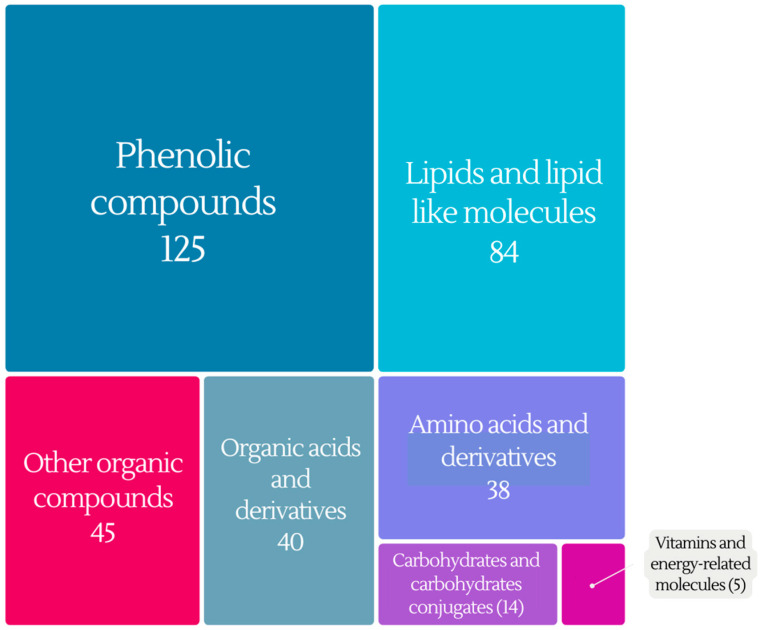
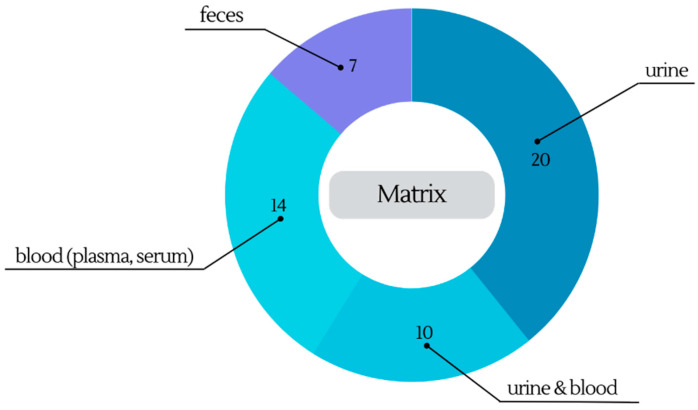
Wine has a rich history dating back to 2200 BC, originally recognized for its medicinal properties. Today, with the aid of advanced technologies like metabolomics and sophisticated analytical techniques, we have gained remarkable insights into the molecular-level changes induced by wine consumption in the human organism. This review embarks on a comprehensive exploration of the alterations in human metabolome associated with wine consumption. A great number of 51 studies from the last 25 years were reviewed; these studies systematically investigated shifts in metabolic profiles within blood, urine, and feces samples, encompassing both short-term and long-term studies of the consumption of wine and wine derivatives. Significant metabolic alterations were observed in a wide variety of metabolites belonging to different compound classes, such as phenolic compounds, lipids, organic acids, and amino acids, among others. Within these classes, both endogenous metabolites as well as diet-related metabolites that exhibited up-regulation or down-regulation following wine consumption were included. The up-regulation of short-chain fatty acids and the down-regulation of sphingomyelins after wine intake, as well as the up-regulation of gut microbial fermentation metabolites like vanillic and syringic acid are some of the most important findings reported in the reviewed literature. Our results confirm the intact passage of certain wine compounds, such as tartaric acid and other wine acids, to the human organism. In an era where the health effects of wine consumption are of growing interest, this review offers a holistic perspective on the metabolic underpinnings of this centuries-old tradition.
葡萄酒的历史可以追溯到公元前 2200 年,最初因其药用价值而闻名。如今,借助代谢组学和复杂分析技术等先进技术,我们对葡萄酒摄入对人体引起的分子水平变化有了显著的认识。这篇综述全面探讨了与葡萄酒摄入相关的人体代谢组的变化。综述回顾了过去 25 年的 51 项研究,这些研究系统地调查了血液、尿液和粪便样本中代谢谱的变化,包括葡萄酒和葡萄酒衍生物的短期和长期摄入研究。观察到了来自不同化合物类别的大量代谢物发生了显著变化,如酚类化合物、脂质、有机酸和氨基酸等。在这些类别中,包括内源性代谢物和与饮食相关的代谢物,这些代谢物在葡萄酒摄入后表现出上调或下调。葡萄酒摄入后短链脂肪酸的上调和鞘磷脂的下调,以及肠道微生物发酵代谢物如香草酸和丁香酸的上调,是综述文献中报道的一些最重要的发现。我们的结果证实了某些葡萄酒化合物,如酒石酸和其他葡萄酒酸,完整地传递到人体。在葡萄酒摄入的健康影响日益受到关注的时代,这篇综述提供了对这一具有几个世纪历史的传统的代谢基础的全面视角。