• 文献检索
  • 文档翻译
  • 深度研究
  • 学术资讯
  • Suppr Zotero 插件Zotero 插件
  • 邀请有礼
  • 套餐&价格
  • 历史记录
应用&插件
Suppr Zotero 插件Zotero 插件浏览器插件Mac 客户端Windows 客户端微信小程序
定价
高级版会员购买积分包购买API积分包
服务
文献检索文档翻译深度研究API 文档MCP 服务
关于我们
关于 Suppr公司介绍联系我们用户协议隐私条款
关注我们

Suppr 超能文献

核心技术专利:CN118964589B侵权必究
粤ICP备2023148730 号-1Suppr @ 2026

文献检索

告别复杂PubMed语法,用中文像聊天一样搜索,搜遍4000万医学文献。AI智能推荐,让科研检索更轻松。

立即免费搜索

文件翻译

保留排版,准确专业,支持PDF/Word/PPT等文件格式,支持 12+语言互译。

免费翻译文档

深度研究

AI帮你快速写综述,25分钟生成高质量综述,智能提取关键信息,辅助科研写作。

立即免费体验

胰岛素和 TGF-β 信号通路的汇聚通过促进果蝇肿瘤模型中脂肪体细胞外基质的异常积累来驱动癌症恶病质。

Convergent insulin and TGF-β signalling drives cancer cachexia by promoting aberrant fat body ECM accumulation in a Drosophila tumour model.

机构信息

Peter MacCallum Cancer Centre, Melbourne, Vic, Australia.

Sir Peter MacCallum Department of Oncology, The University of Melbourne, Melbourne, Vic, Australia.

出版信息

EMBO Rep. 2023 Dec 6;24(12):e57695. doi: 10.15252/embr.202357695. Epub 2023 Nov 28.

DOI:10.15252/embr.202357695
PMID:38014610
原文链接:https://pmc.ncbi.nlm.nih.gov/articles/PMC10702797/
Abstract

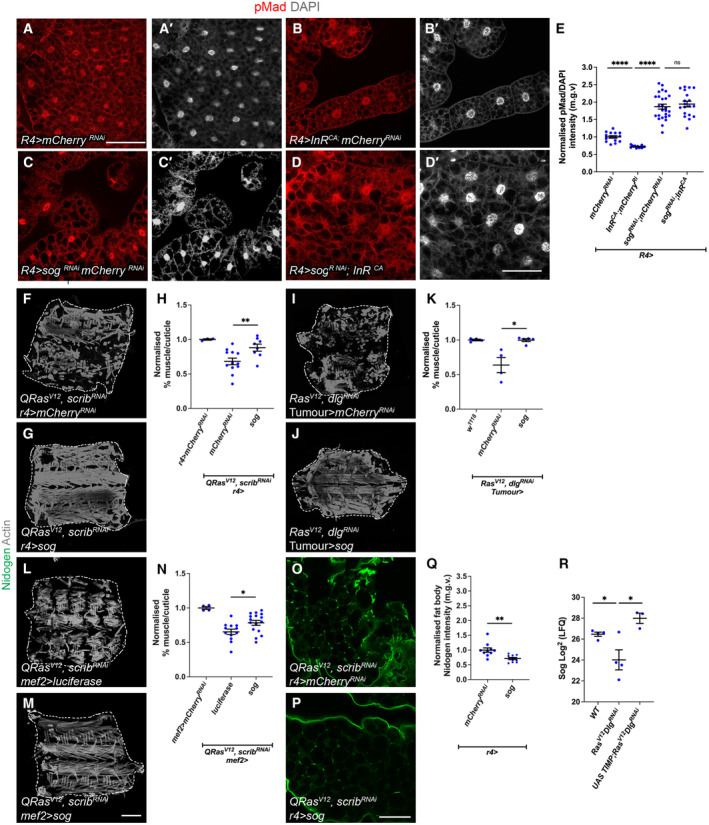
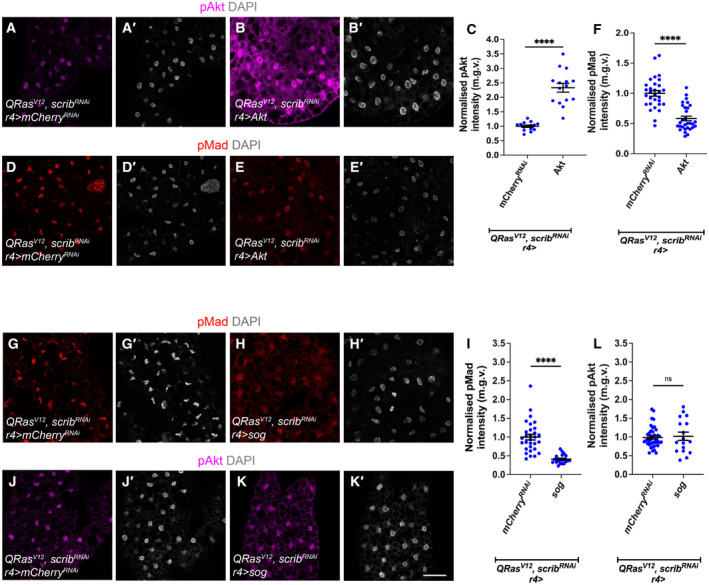
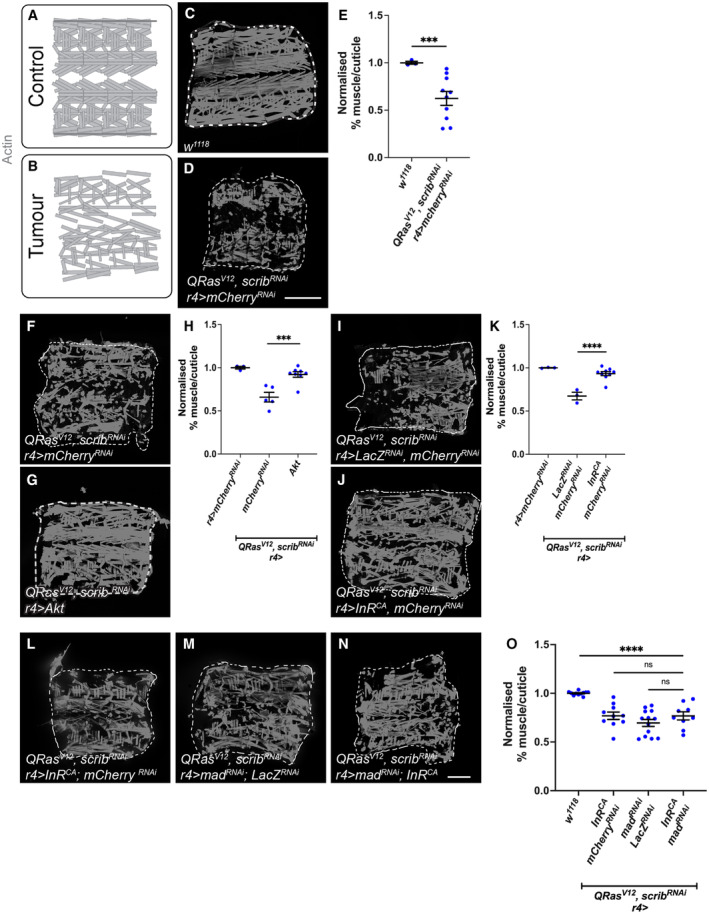
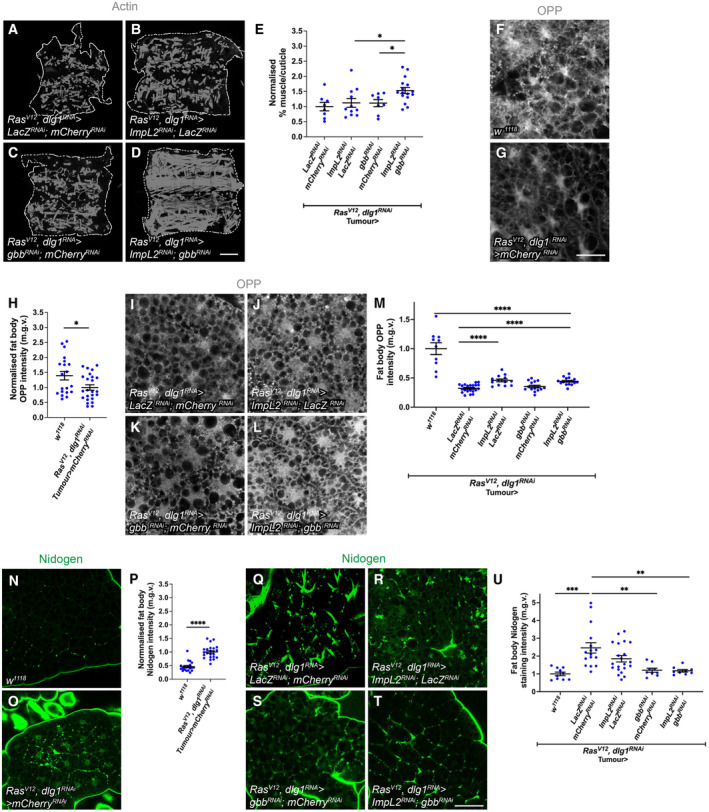
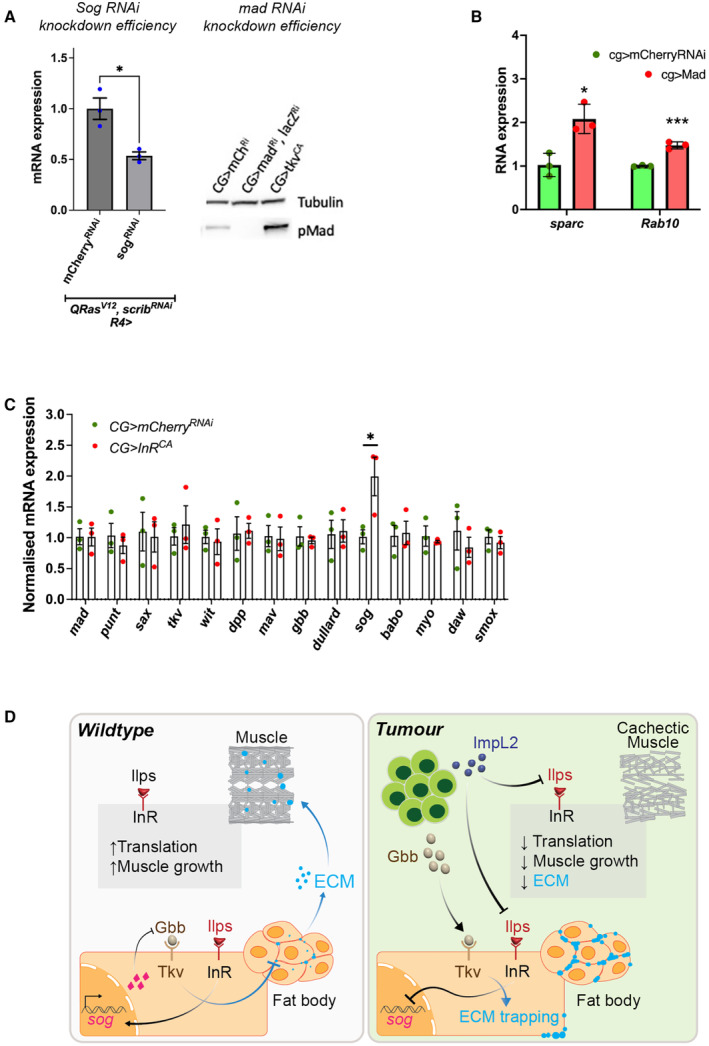
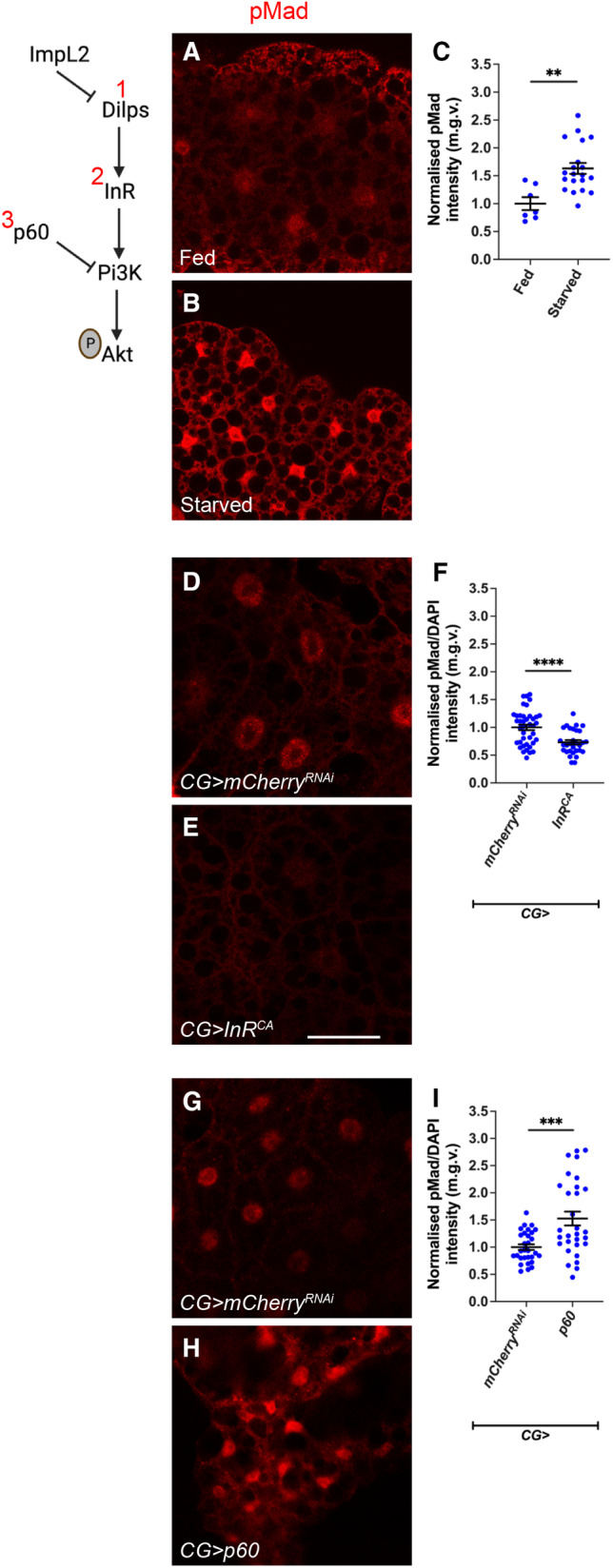
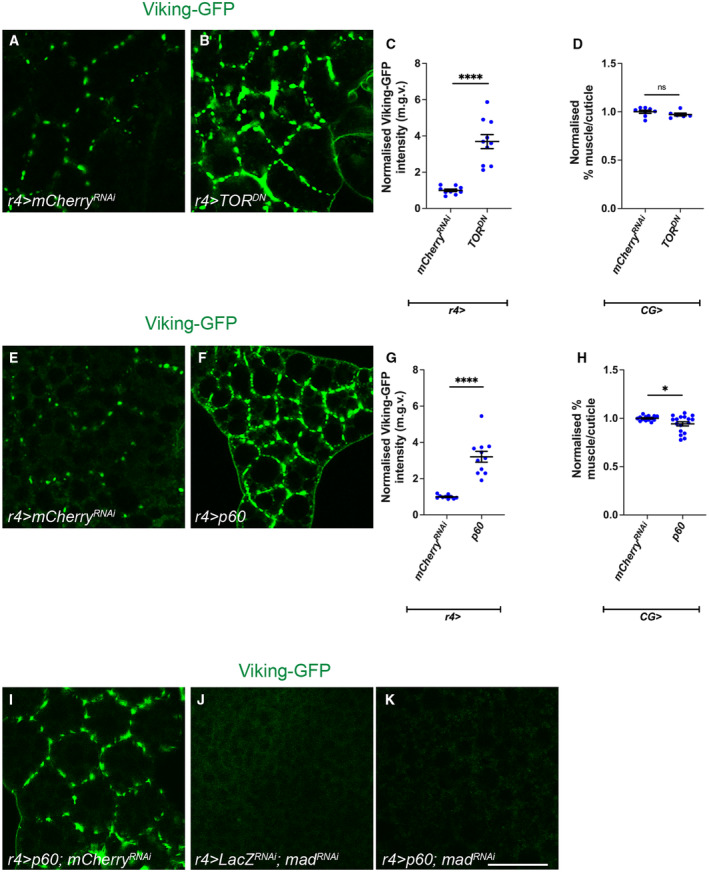
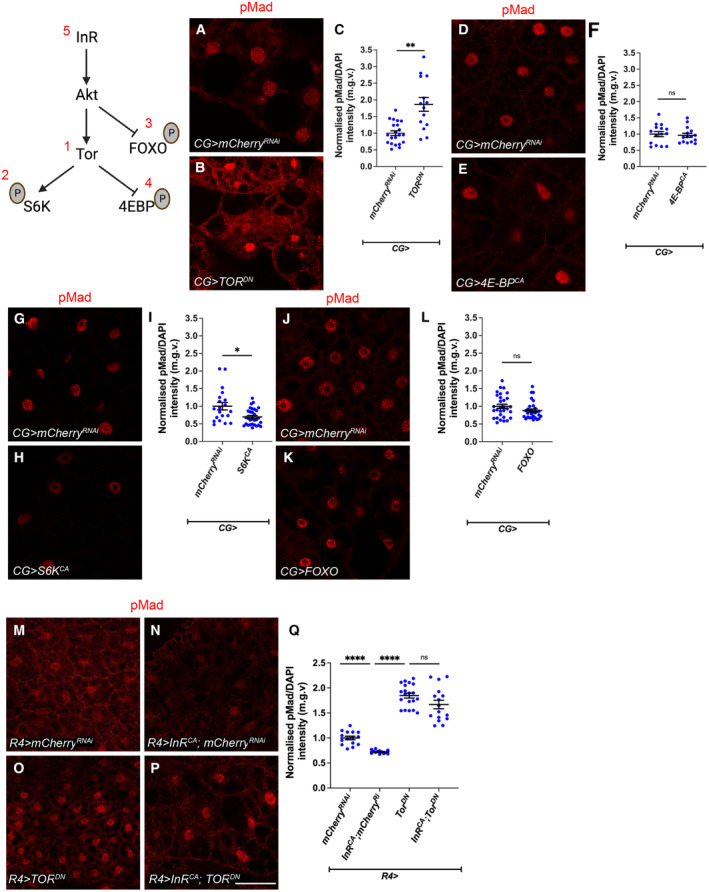
In this study, we found that in the adipose tissue of wildtype animals, insulin and TGF-β signalling converge via a BMP antagonist short gastrulation (sog) to regulate ECM remodelling. In tumour bearing animals, Sog also modulates TGF-β signalling to regulate ECM accumulation in the fat body. TGF-β signalling causes ECM retention in the fat body and subsequently depletes muscles of fat body-derived ECM proteins. Activation of insulin signalling, inhibition of TGF-β signalling, or modulation of ECM levels via SPARC, Rab10 or Collagen IV in the fat body, is able to rescue tissue wasting in the presence of tumour. Together, our study highlights the importance of adipose ECM remodelling in the context of cancer cachexia.

摘要

在这项研究中,我们发现,在野生型动物的脂肪组织中,胰岛素和 TGF-β 信号通过 BMP 拮抗剂短胚层(sog)汇聚,以调节细胞外基质重塑。在肿瘤荷瘤动物中,Sog 还调节 TGF-β 信号以调节脂肪体中的细胞外基质积累。TGF-β 信号导致脂肪体中细胞外基质的保留,随后耗尽肌肉中脂肪体衍生的细胞外基质蛋白。在存在肿瘤的情况下,通过脂肪体中的 SPARC、Rab10 或 Collagen IV 激活胰岛素信号、抑制 TGF-β 信号或调节细胞外基质水平,能够挽救组织消耗。总之,我们的研究强调了癌症恶病质背景下脂肪细胞外基质重塑的重要性。
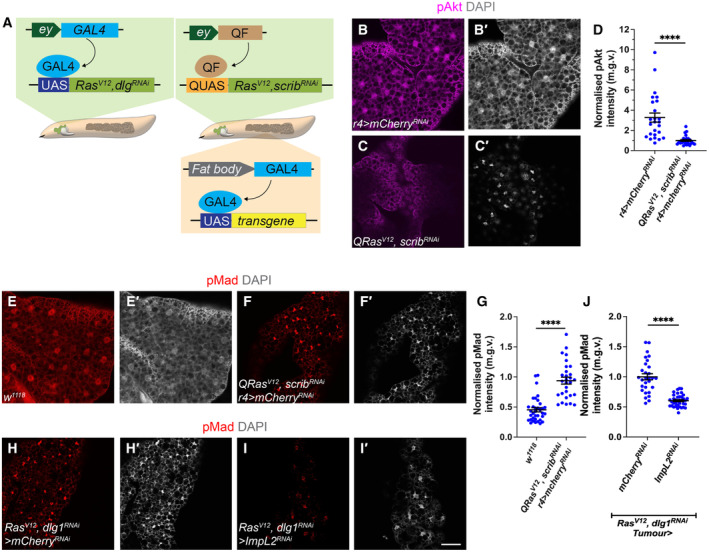
https://cdn.ncbi.nlm.nih.gov/pmc/blobs/202f/10702797/21e7fa6af9b8/EMBR-24-e57695-g010.jpg
https://cdn.ncbi.nlm.nih.gov/pmc/blobs/202f/10702797/ac825aa74748/EMBR-24-e57695-g009.jpg
https://cdn.ncbi.nlm.nih.gov/pmc/blobs/202f/10702797/668a381260e3/EMBR-24-e57695-g008.jpg
https://cdn.ncbi.nlm.nih.gov/pmc/blobs/202f/10702797/3f231a27c890/EMBR-24-e57695-g015.jpg
https://cdn.ncbi.nlm.nih.gov/pmc/blobs/202f/10702797/06997c532fc6/EMBR-24-e57695-g005.jpg
https://cdn.ncbi.nlm.nih.gov/pmc/blobs/202f/10702797/9c05473b91c3/EMBR-24-e57695-g006.jpg
https://cdn.ncbi.nlm.nih.gov/pmc/blobs/202f/10702797/d3b311ce1e01/EMBR-24-e57695-g011.jpg
https://cdn.ncbi.nlm.nih.gov/pmc/blobs/202f/10702797/61fc495e07a3/EMBR-24-e57695-g002.jpg
https://cdn.ncbi.nlm.nih.gov/pmc/blobs/202f/10702797/0d13ea8933fd/EMBR-24-e57695-g001.jpg
https://cdn.ncbi.nlm.nih.gov/pmc/blobs/202f/10702797/b7a96c80c91b/EMBR-24-e57695-g012.jpg
https://cdn.ncbi.nlm.nih.gov/pmc/blobs/202f/10702797/2307dfd4500e/EMBR-24-e57695-g003.jpg
https://cdn.ncbi.nlm.nih.gov/pmc/blobs/202f/10702797/134683bb2f05/EMBR-24-e57695-g007.jpg
https://cdn.ncbi.nlm.nih.gov/pmc/blobs/202f/10702797/c9b4f55f2d86/EMBR-24-e57695-g004.jpg
https://cdn.ncbi.nlm.nih.gov/pmc/blobs/202f/10702797/21e7fa6af9b8/EMBR-24-e57695-g010.jpg
https://cdn.ncbi.nlm.nih.gov/pmc/blobs/202f/10702797/ac825aa74748/EMBR-24-e57695-g009.jpg
https://cdn.ncbi.nlm.nih.gov/pmc/blobs/202f/10702797/668a381260e3/EMBR-24-e57695-g008.jpg
https://cdn.ncbi.nlm.nih.gov/pmc/blobs/202f/10702797/3f231a27c890/EMBR-24-e57695-g015.jpg
https://cdn.ncbi.nlm.nih.gov/pmc/blobs/202f/10702797/06997c532fc6/EMBR-24-e57695-g005.jpg
https://cdn.ncbi.nlm.nih.gov/pmc/blobs/202f/10702797/9c05473b91c3/EMBR-24-e57695-g006.jpg
https://cdn.ncbi.nlm.nih.gov/pmc/blobs/202f/10702797/d3b311ce1e01/EMBR-24-e57695-g011.jpg
https://cdn.ncbi.nlm.nih.gov/pmc/blobs/202f/10702797/61fc495e07a3/EMBR-24-e57695-g002.jpg
https://cdn.ncbi.nlm.nih.gov/pmc/blobs/202f/10702797/0d13ea8933fd/EMBR-24-e57695-g001.jpg
https://cdn.ncbi.nlm.nih.gov/pmc/blobs/202f/10702797/b7a96c80c91b/EMBR-24-e57695-g012.jpg
https://cdn.ncbi.nlm.nih.gov/pmc/blobs/202f/10702797/2307dfd4500e/EMBR-24-e57695-g003.jpg
https://cdn.ncbi.nlm.nih.gov/pmc/blobs/202f/10702797/134683bb2f05/EMBR-24-e57695-g007.jpg
https://cdn.ncbi.nlm.nih.gov/pmc/blobs/202f/10702797/c9b4f55f2d86/EMBR-24-e57695-g004.jpg
https://cdn.ncbi.nlm.nih.gov/pmc/blobs/202f/10702797/21e7fa6af9b8/EMBR-24-e57695-g010.jpg

相似文献

1
Convergent insulin and TGF-β signalling drives cancer cachexia by promoting aberrant fat body ECM accumulation in a Drosophila tumour model.胰岛素和 TGF-β 信号通路的汇聚通过促进果蝇肿瘤模型中脂肪体细胞外基质的异常积累来驱动癌症恶病质。
EMBO Rep. 2023 Dec 6;24(12):e57695. doi: 10.15252/embr.202357695. Epub 2023 Nov 28.
2
Tumour-derived transforming growth factor-β signalling contributes to fibrosis in patients with cancer cachexia.肿瘤衍生的转化生长因子-β信号通路促进癌症恶病质患者的纤维化。
J Cachexia Sarcopenia Muscle. 2019 Oct;10(5):1045-1059. doi: 10.1002/jcsm.12441. Epub 2019 Jul 4.
3
Lipolytic and thermogenic depletion of adipose tissue in cancer cachexia.癌症恶病质中脂肪组织的脂解和产热消耗
Semin Cell Dev Biol. 2016 Jun;54:68-81. doi: 10.1016/j.semcdb.2015.10.039. Epub 2015 Oct 31.
4
Tumor-derived MMPs regulate cachexia in a Drosophila cancer model.肿瘤来源的 MMPs 在果蝇癌症模型中调节恶病质。
Dev Cell. 2021 Sep 27;56(18):2664-2680.e6. doi: 10.1016/j.devcel.2021.08.008. Epub 2021 Sep 1.
5
Macrophages protect against loss of adipose tissue during cancer cachexia.巨噬细胞在癌症恶病质期间保护脂肪组织免于损失。
J Cachexia Sarcopenia Muscle. 2019 Oct;10(5):1128-1142. doi: 10.1002/jcsm.12450. Epub 2019 Jul 18.
6
Analyzing cachectic phenotypes in the muscle and fat body of larvae.分析幼虫肌肉和脂肪体的恶病质表型。
STAR Protoc. 2022 Mar 9;3(1):101230. doi: 10.1016/j.xpro.2022.101230. eCollection 2022 Mar 18.
7
Adipose tissue fibrosis in human cancer cachexia: the role of TGFβ pathway.人类癌症恶病质中的脂肪组织纤维化:转化生长因子β(TGFβ)信号通路的作用
BMC Cancer. 2017 Mar 14;17(1):190. doi: 10.1186/s12885-017-3178-8.
8
Malignant Drosophila tumors interrupt insulin signaling to induce cachexia-like wasting.恶性果蝇肿瘤会中断胰岛素信号传导,从而引发恶病质样消瘦。
Dev Cell. 2015 Apr 6;33(1):47-55. doi: 10.1016/j.devcel.2015.03.001.
9
Fn14: a new player in cancer-induced cachexia.Fn14:癌症诱导的恶病质中的新角色。
Curr Opin Clin Nutr Metab Care. 2016 Jul;19(4):316-8. doi: 10.1097/MCO.0000000000000294.
10
Adipose atrophy in cancer cachexia: morphologic and molecular analysis of adipose tissue in tumour-bearing mice.癌症恶病质中的脂肪萎缩:荷瘤小鼠脂肪组织的形态学和分子分析
Br J Cancer. 2006 Oct 23;95(8):1028-37. doi: 10.1038/sj.bjc.6603360. Epub 2006 Oct 3.

引用本文的文献

1
Metabolic Adaptations in Cancer and the Host Using Models and Advanced Tools.利用模型和先进工具研究癌症与宿主中的代谢适应
Cells. 2024 Nov 29;13(23):1977. doi: 10.3390/cells13231977.
2
Fat body glycolysis defects inhibit mTOR and promote distant muscle disorganization through TNF-α/egr and ImpL2 signaling in Drosophila larvae.脂肪体糖酵解缺陷通过 TNF-α/egr 和 ImpL2 信号通路抑制 mTOR,导致果蝇幼虫远处肌肉组织解体。
EMBO Rep. 2024 Oct;25(10):4410-4432. doi: 10.1038/s44319-024-00241-3. Epub 2024 Sep 9.
3
Medical imaging in cancer cachexia.

本文引用的文献

1
The myokine Fibcd1 is an endogenous determinant of myofiber size and mitigates cancer-induced myofiber atrophy.肌因子 Fibcd1 是肌纤维大小的内源性决定因素,并能减轻癌症引起的肌纤维萎缩。
Nat Commun. 2022 May 2;13(1):2370. doi: 10.1038/s41467-022-30120-1.
2
Analyzing cachectic phenotypes in the muscle and fat body of larvae.分析幼虫肌肉和脂肪体的恶病质表型。
STAR Protoc. 2022 Mar 9;3(1):101230. doi: 10.1016/j.xpro.2022.101230. eCollection 2022 Mar 18.
3
BMP pathway regulation of insulin signaling components promotes lipid storage in Caenorhabditis elegans.
癌症恶病质中的医学影像学。
Radiologie (Heidelb). 2024 Nov;64(Suppl 1):10-15. doi: 10.1007/s00117-024-01346-5. Epub 2024 Jul 12.
4
Mitochondrial fusion and altered beta-oxidation drive muscle wasting in a Drosophila cachexia model.线粒体融合和β氧化的改变导致果蝇恶病质模型中的肌肉减少。
EMBO Rep. 2024 Apr;25(4):1835-1858. doi: 10.1038/s44319-024-00102-z. Epub 2024 Mar 1.
5
Molecular Mechanisms of Cachexia: A Review.恶病质的分子机制:综述。
Cells. 2024 Jan 29;13(3):252. doi: 10.3390/cells13030252.
BMP 信号通路对胰岛素信号组分的调节促进了秀丽隐杆线虫的脂肪储存。
PLoS Genet. 2021 Oct 11;17(10):e1009836. doi: 10.1371/journal.pgen.1009836. eCollection 2021 Oct.
4
An Oatp transporter-mediated steroid sink promotes tumor-induced cachexia in Drosophila.OATP 转运体介导的类固醇“储库”促进果蝇肿瘤诱导性恶病质。
Dev Cell. 2021 Oct 11;56(19):2741-2751.e7. doi: 10.1016/j.devcel.2021.09.009. Epub 2021 Oct 4.
5
Tumor-derived MMPs regulate cachexia in a Drosophila cancer model.肿瘤来源的 MMPs 在果蝇癌症模型中调节恶病质。
Dev Cell. 2021 Sep 27;56(18):2664-2680.e6. doi: 10.1016/j.devcel.2021.08.008. Epub 2021 Sep 1.
6
Coordination of tumor growth and host wasting by tumor-derived Upd3.肿瘤衍生 Upd3 协调肿瘤生长和宿主消耗
Cell Rep. 2021 Aug 17;36(7):109553. doi: 10.1016/j.celrep.2021.109553.
7
Larval Models of Invasive Tumorigenesis for In Vivo Studies on Tumour/Peripheral Host Tissue Interactions during Cancer Cachexia.用于癌症恶病质中肿瘤/外周宿主组织相互作用的体内研究的侵袭性肿瘤发生的幼虫模型。
Int J Mol Sci. 2021 Aug 2;22(15):8317. doi: 10.3390/ijms22158317.
8
Host autophagy mediates organ wasting and nutrient mobilization for tumor growth.宿主自噬介导器官消耗和营养动员以促进肿瘤生长。
EMBO J. 2021 Sep 15;40(18):e107336. doi: 10.15252/embj.2020107336. Epub 2021 Jul 26.
9
Tumors overcome the action of the wasting factor ImpL2 by locally elevating Wnt/Wingless.肿瘤通过局部升高 Wnt/Wingless 来克服消耗因子 ImpL2 的作用。
Proc Natl Acad Sci U S A. 2021 Jun 8;118(23). doi: 10.1073/pnas.2020120118.
10
Serum insulin-like growth factor binding protein 2 levels as biomarker for pancreatic ductal adenocarcinoma-associated malnutrition and muscle wasting.血清胰岛素样生长因子结合蛋白 2 水平作为与胰腺导管腺癌相关的营养不良和肌肉减少症的生物标志物。
J Cachexia Sarcopenia Muscle. 2021 Jun;12(3):704-716. doi: 10.1002/jcsm.12692. Epub 2021 Mar 24.