Center for Pathophysiology, Infectiology and Immunology, Institute of Immunology, Division for Immune Receptors and T cell activation, Medical University of Vienna, Vienna, Austria.
Division of Biomedical Science, University of Applied Sciences FH Campus Wien, Vienna, Austria.
Nat Commun. 2023 Nov 28;14(1):7804. doi: 10.1038/s41467-023-43589-1.
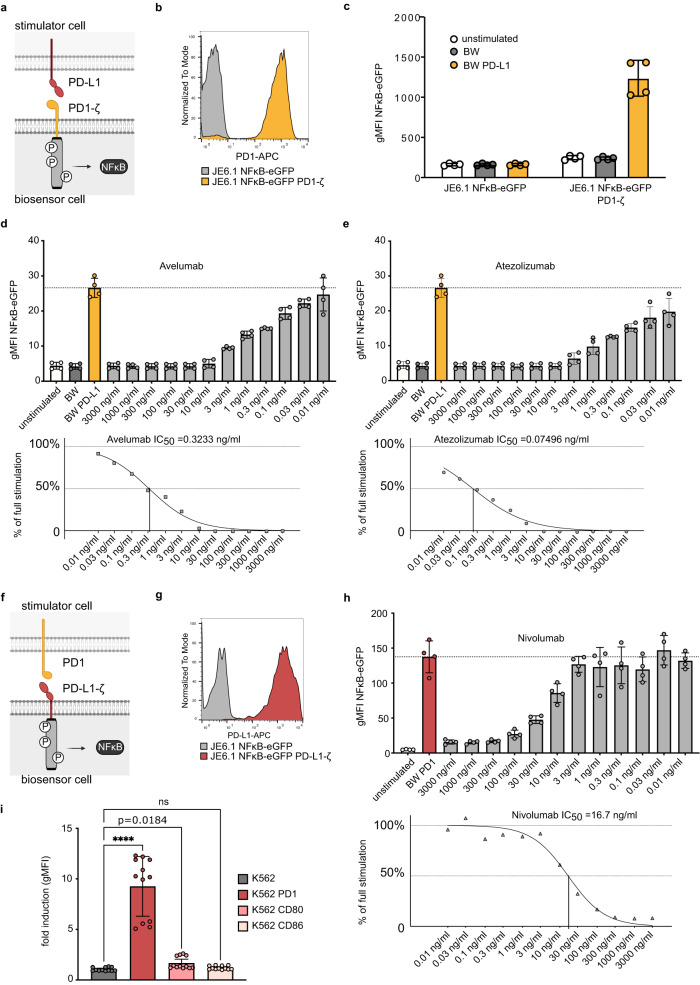
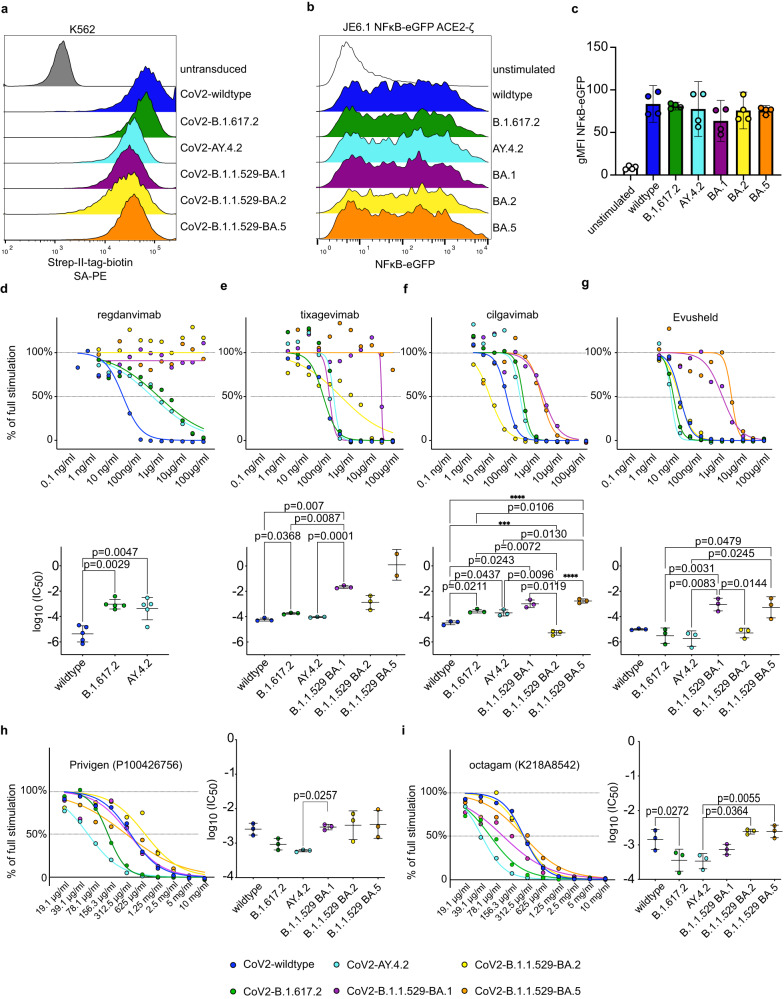
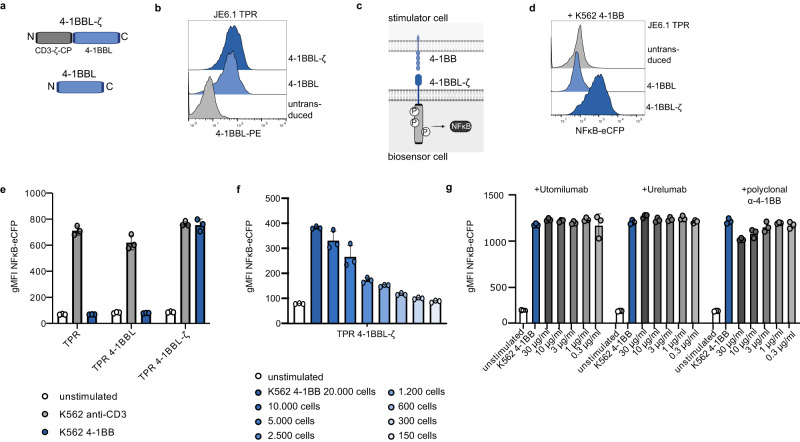
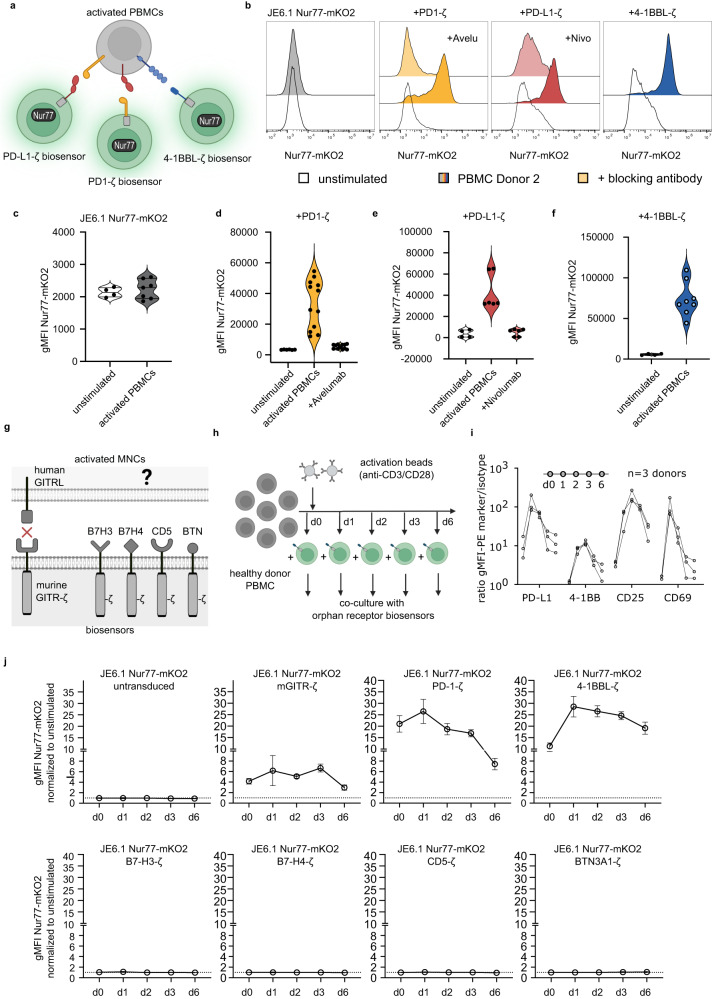
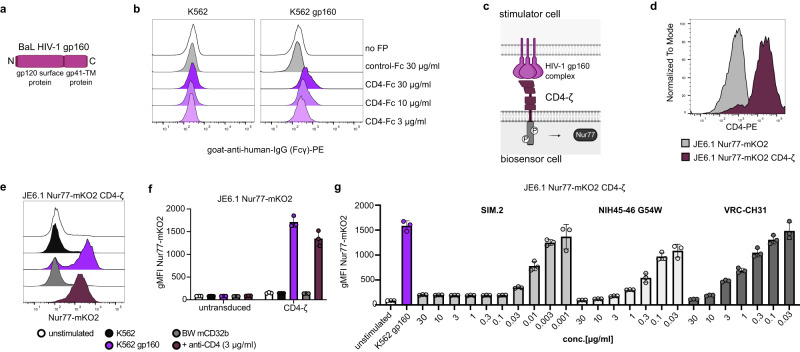
Interactions of membrane-resident proteins are important targets for therapeutic interventions but most methods to study them are either costly, laborious or fail to reflect the physiologic interaction of membrane resident proteins in trans. Here we describe highly sensitive cellular biosensors as a tool to study receptor-ligand pairs. They consist of fluorescent reporter cells that express chimeric receptors harboring ectodomains of cell surface molecules and intracellular signaling domains. We show that a broad range of molecules can be integrated into this platform and we demonstrate its applicability to highly relevant research areas, including the characterization of immune checkpoints and the probing of cells for the presence of receptors or ligands. The platform is suitable to evaluate the interactions of viral proteins with host receptors and to test for neutralization capability of drugs or biological samples. Our results indicate that cellular biosensors have broad utility as a tool to study protein-interactions.
膜驻留蛋白的相互作用是治疗干预的重要靶点,但大多数研究这些相互作用的方法要么成本高昂,要么费力,要么无法反映膜驻留蛋白在转位中的生理相互作用。在这里,我们将高灵敏度细胞生物传感器描述为研究受体-配体对的工具。它们由表达嵌合受体的荧光报告细胞组成,这些嵌合受体包含细胞表面分子的细胞外结构域和细胞内信号转导结构域。我们表明,广泛的分子可以整合到这个平台中,我们证明了它在高度相关的研究领域的适用性,包括免疫检查点的特征描述和细胞受体或配体的探测。该平台适用于评估病毒蛋白与宿主受体的相互作用,并测试药物或生物样本的中和能力。我们的结果表明,细胞生物传感器作为研究蛋白质相互作用的工具具有广泛的用途。