Department of Gynecology and Oncology, Inner Mongolia Medical University, Affiliated Cancer Hospital, 42 Zhaowuda Road, Saihan District, Hohhot, 010000, Inner Mongolia, China.
Department of General Surgery, Inner Mongolia Medical University, Affiliated Cancer Hospital, 42 Zhaowuda Road, Saihan District, Hohhot, 010000, Inner Mongolia, China.
Sci Rep. 2023 Dec 14;13(1):22220. doi: 10.1038/s41598-023-49750-6.
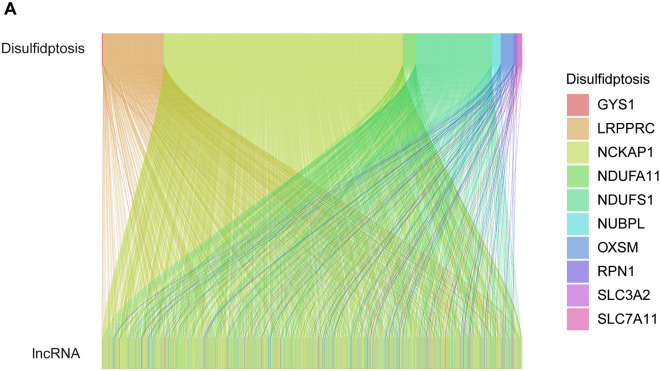
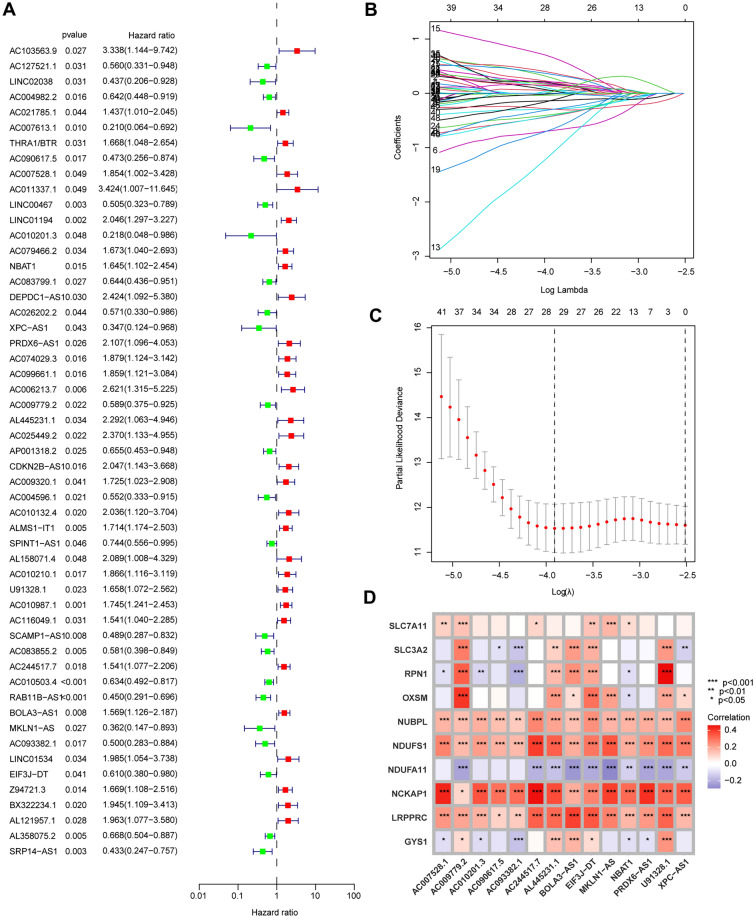
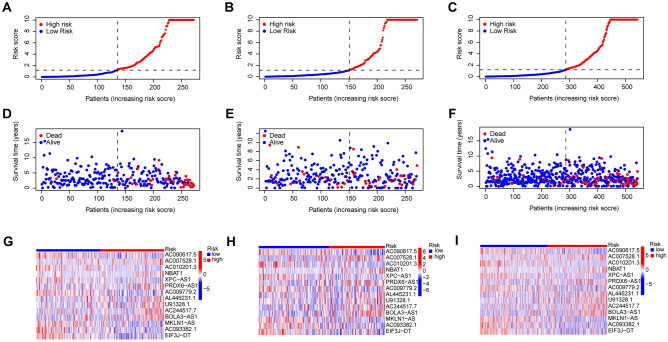
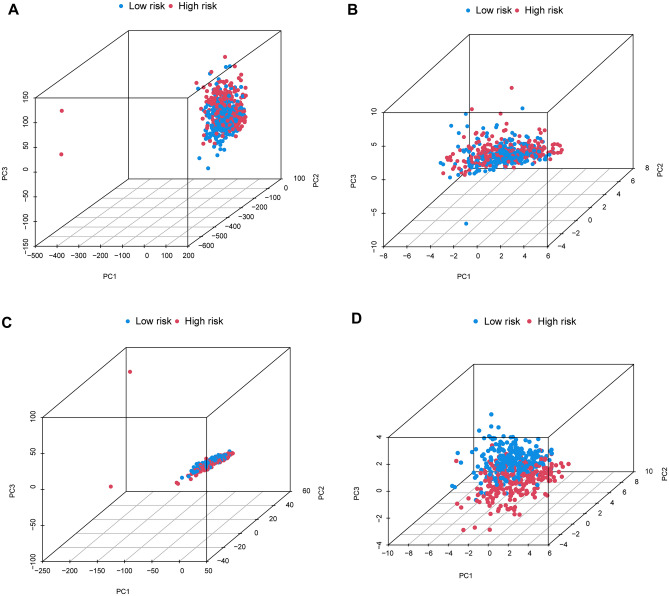
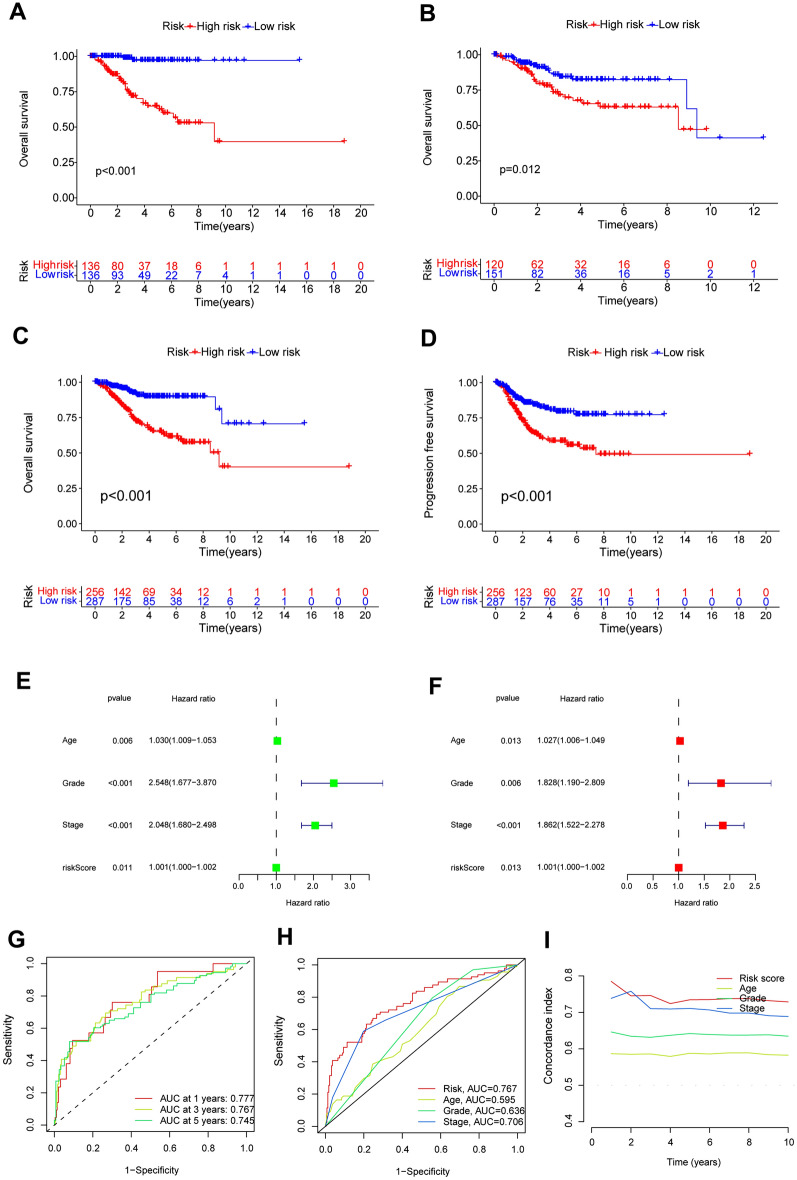
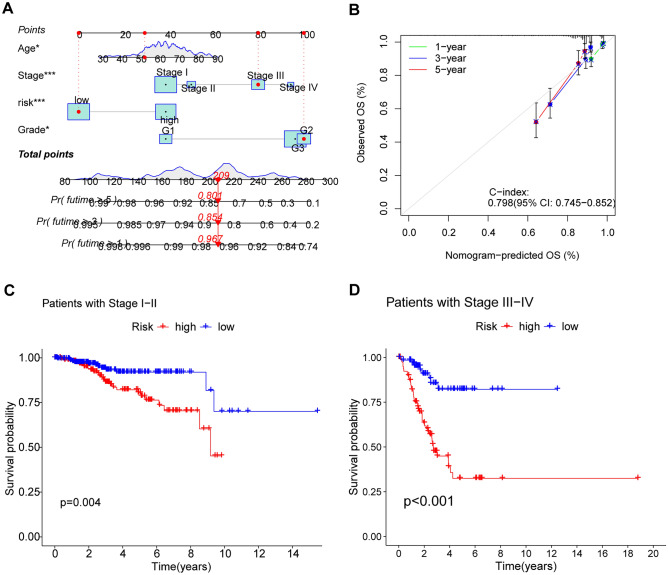
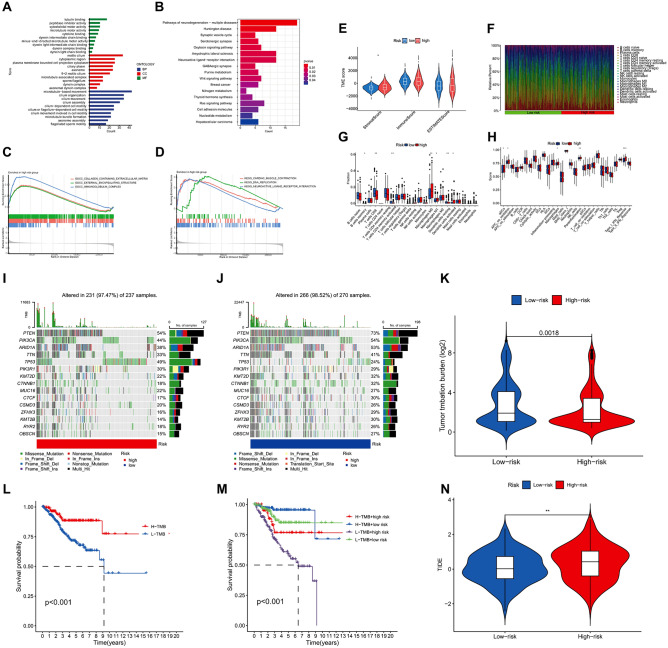
Disulfidptosis, the demise of cells caused by the abnormal breakdown of disulfide bonds and actin in the cytoprotein backbone, has attracted attention in studies concerning disulfide-related cell death and its potential implications in cancer treatment. This study utilized bioinformatics to detect disulfidptosis associated lncRNA prognostic markers (DALPMs) with Uterine Corpus Endometrial Carcinoma (UCEC)-related to investigate the correlation between these indicators and the tumor immune microenvironment. The RNA sequencing data and somatic mutation information of patients with UCEC were obtained from the Cancer Genome Atlas (TCGA) database. Patients were randomly divided into Train and Test groups. The findings revealed a potential prognostic model comprising 14 DALPMs. Both univariate and multivariate Cox analyses demonstrated that the model-derived risk score functioned as a standalone prognostic indicator for patients. Significant disparities in survival outcomes were observed between the high- and low-risk groups as defined by the model. Differences in tumor mutational burden (TMB), tumor immune dysfunction and exclusion (TIDE), and tumor microenvironment (TME) stromal cells between patients of the high- and low-risk groups were also observed. The forecast model comprising long non-coding RNAs (lncRNAs) associated with disulfidptosis can effectively anticipate patients' prognoses.
二硫键程序性细胞死亡,即细胞内二硫键和细胞骨架肌动蛋白异常断裂导致的细胞死亡,在涉及二硫键相关细胞死亡及其在癌症治疗中潜在意义的研究中受到关注。本研究利用生物信息学检测与子宫体子宫内膜癌(UCEC)相关的二硫键程序性细胞死亡相关长链非编码 RNA 预后标志物(DALPMs),以探讨这些指标与肿瘤免疫微环境的相关性。从癌症基因组图谱(TCGA)数据库中获取了与 UCEC 相关的患者 RNA 测序数据和体细胞突变信息。患者被随机分为训练组和测试组。研究结果揭示了一个包含 14 个 DALPM 的潜在预后模型。单因素和多因素 Cox 分析均表明,该模型衍生的风险评分可作为患者独立的预后指标。根据模型定义,高风险和低风险组的生存结果存在显著差异。高风险和低风险组患者的肿瘤突变负担(TMB)、肿瘤免疫功能障碍和排除(TIDE)以及肿瘤微环境(TME)基质细胞也存在差异。由与二硫键程序性细胞死亡相关的长链非编码 RNA(lncRNAs)组成的预测模型可以有效地预测患者的预后。