Department of Cardiovascular Surgery, Renmin Hospital of Wuhan University, 238# Jiefang Road, Wuhan, 430000, Hubei, People's Republic of China.
Central Laboratory, Renmin Hospital of Wuhan University, Wuhan, China.
J Transl Med. 2023 Dec 20;21(1):925. doi: 10.1186/s12967-023-04763-7.
Heart transplantation (HT) has been approved as an optimal therapeutic regimen for patients with terminal-stage cardiac failure. However, cold ischaemia‒reperfusion (I/R) injury remains an unavoidable and outstanding challenge, which is a major factor in early graft dysfunction and an obstacle to long-term survival in HT. Cold I/R injury induces cardiac graft injury by promoting mitochondrial dysfunction and augmenting free radical production and inflammatory responses. We therefore designed a mitochondrion-targeted nanocarrier loaded with Coenzyme Q10 (CoQ10) (CoQ10@TNPs) for treatment of cold I/R injury after cardiac graft in a murine heterotopic cardiac transplantation model.
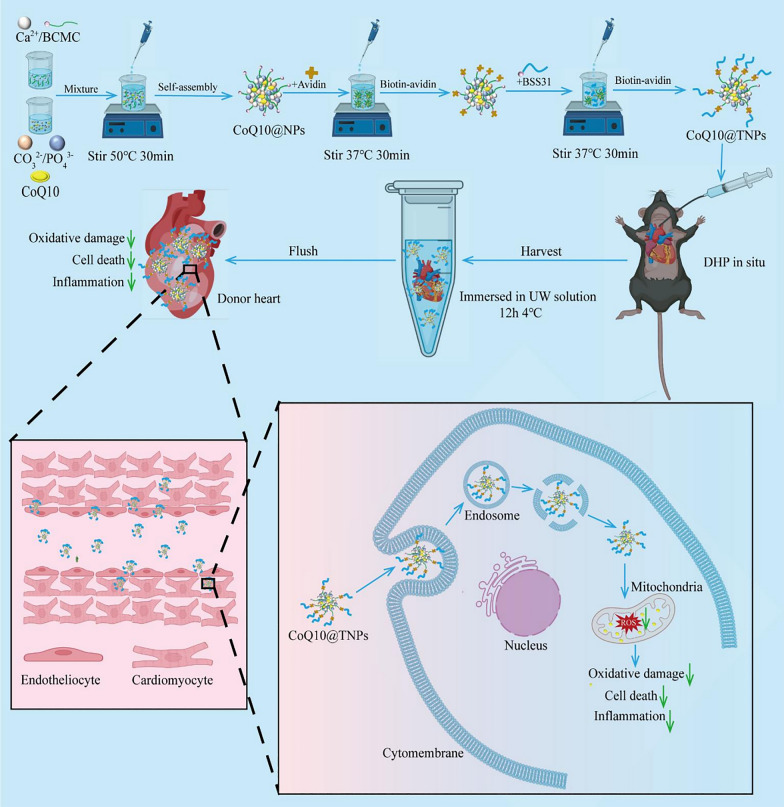
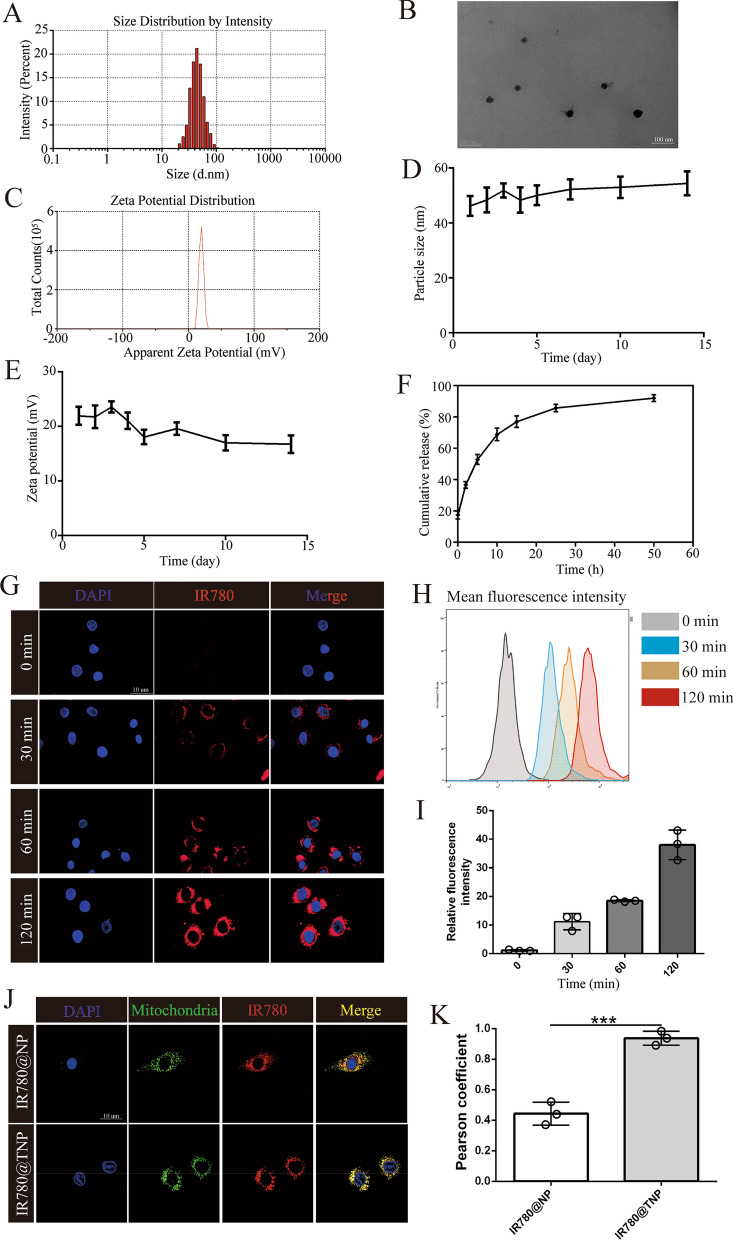
Hybrid nanoparticles composed of CaCO/CaP/biotinylated-carboxymethylchitosan (CaCO/CaP/BCMC) were synthesized using the coprecipitation method, and the mitochondria-targeting tetrapeptide SS31 was incorporated onto the surface of the hybrid nanoparticles through biotin-avidin interactions. Transmission electron microscopy (TEM) and dynamic light scattering (DLS) analysis were used for characterisation. In vitro, the hypoxia-reoxygenation model of H9c2 cells was employed to replicate in vivo cold I/R injury and treated with CoQ10@TNPs. The impact of CoQ10@TNPs on H9c2 cell injury was assessed by analysis of oxidative damage and apoptosis. In vivo, donor hearts (DHs) were perfused with preservation solution containing CoQ10@TNPs and stored in vitro at 4 °C for 12 h. The DHs were heterotopically transplanted and analysed for graft function, oxidative damage, apoptosis, and inflammatory markers 1 day post-transplantation.
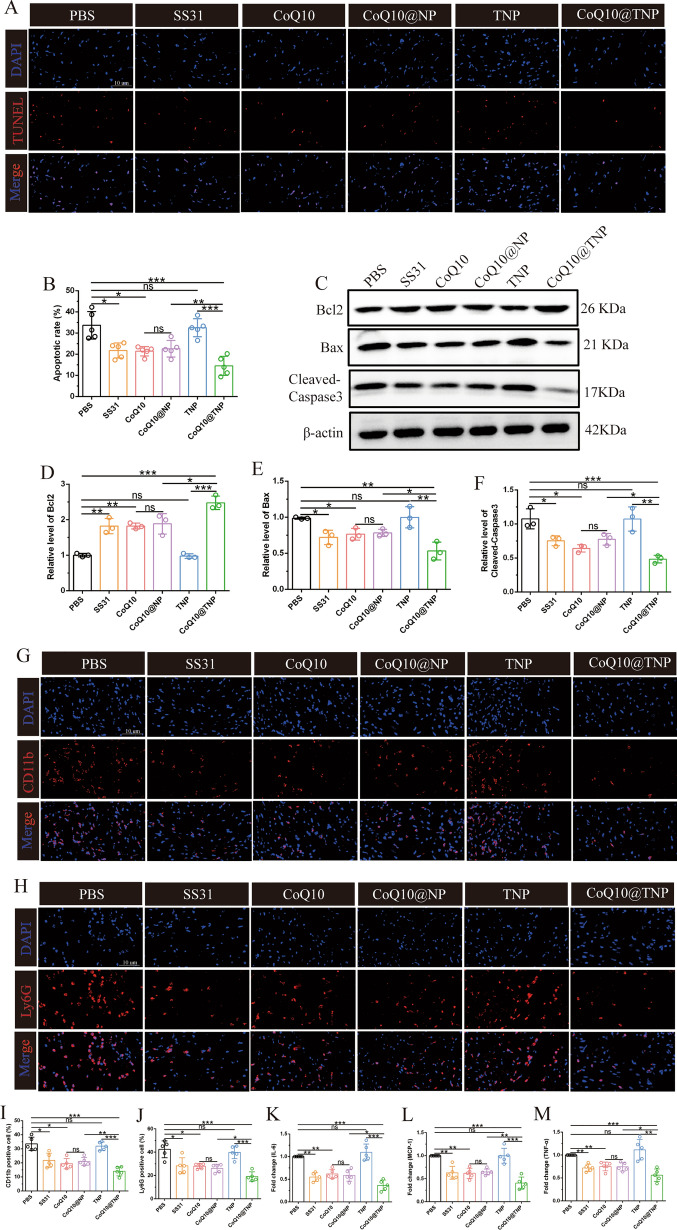
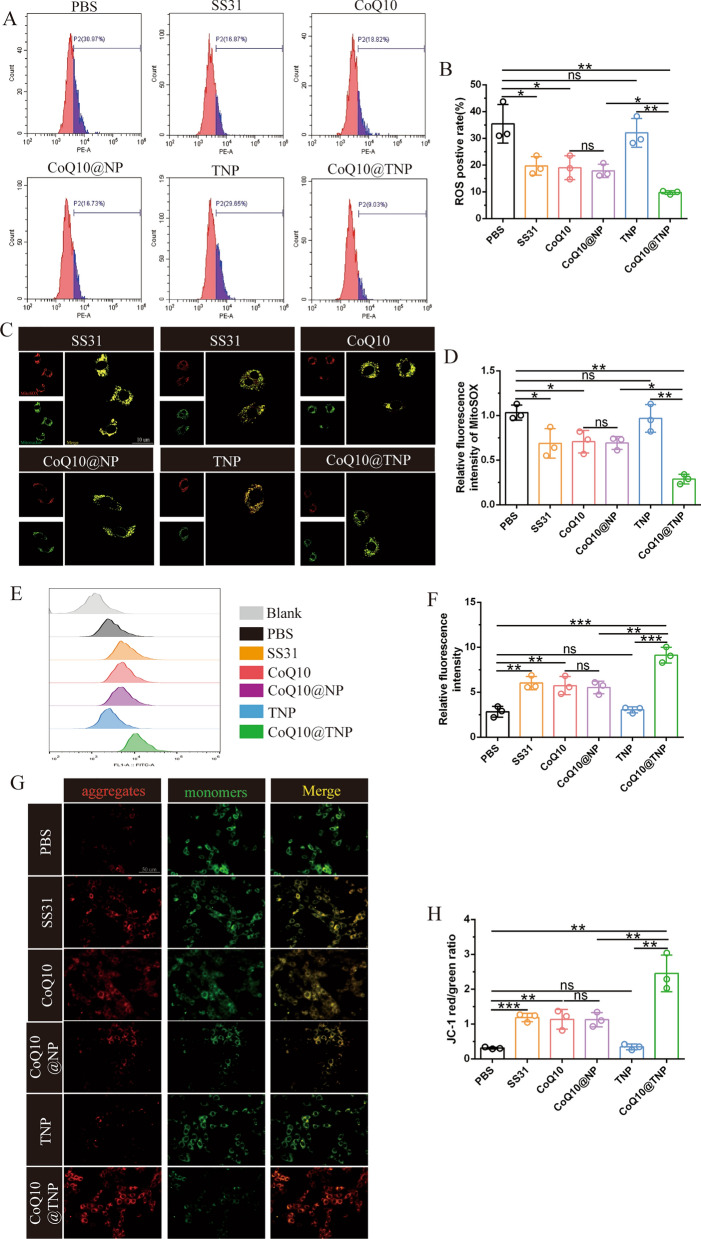
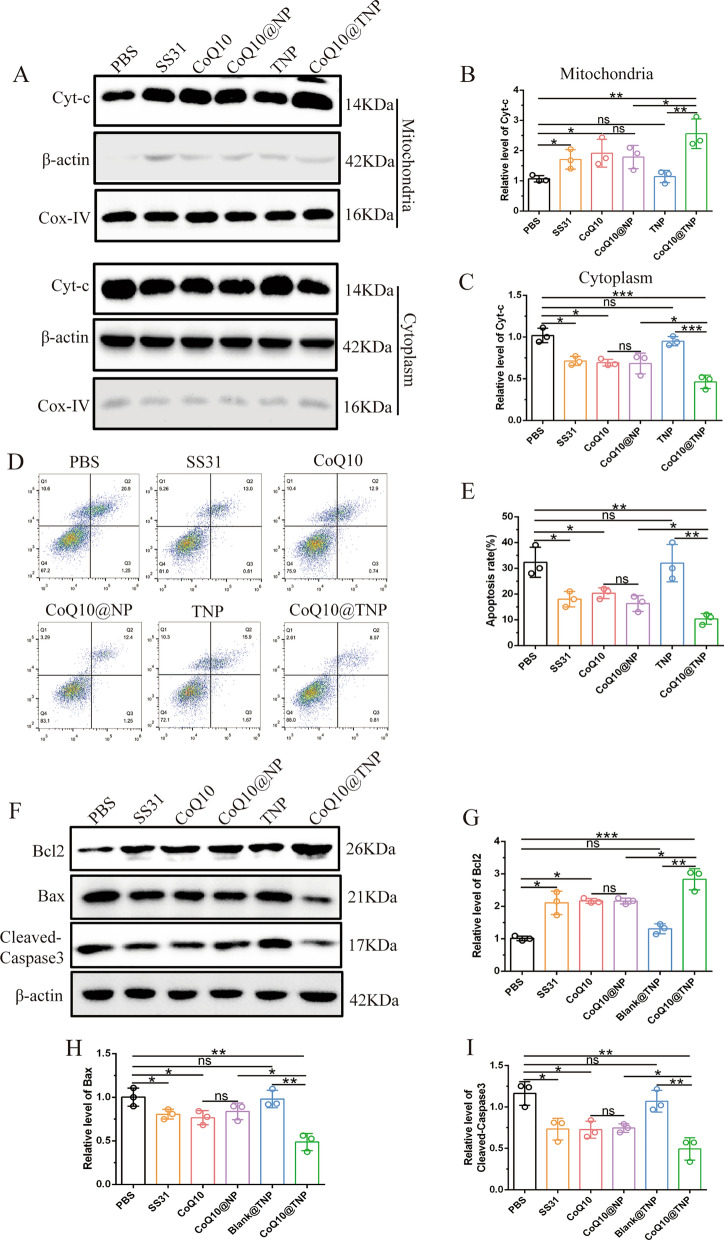
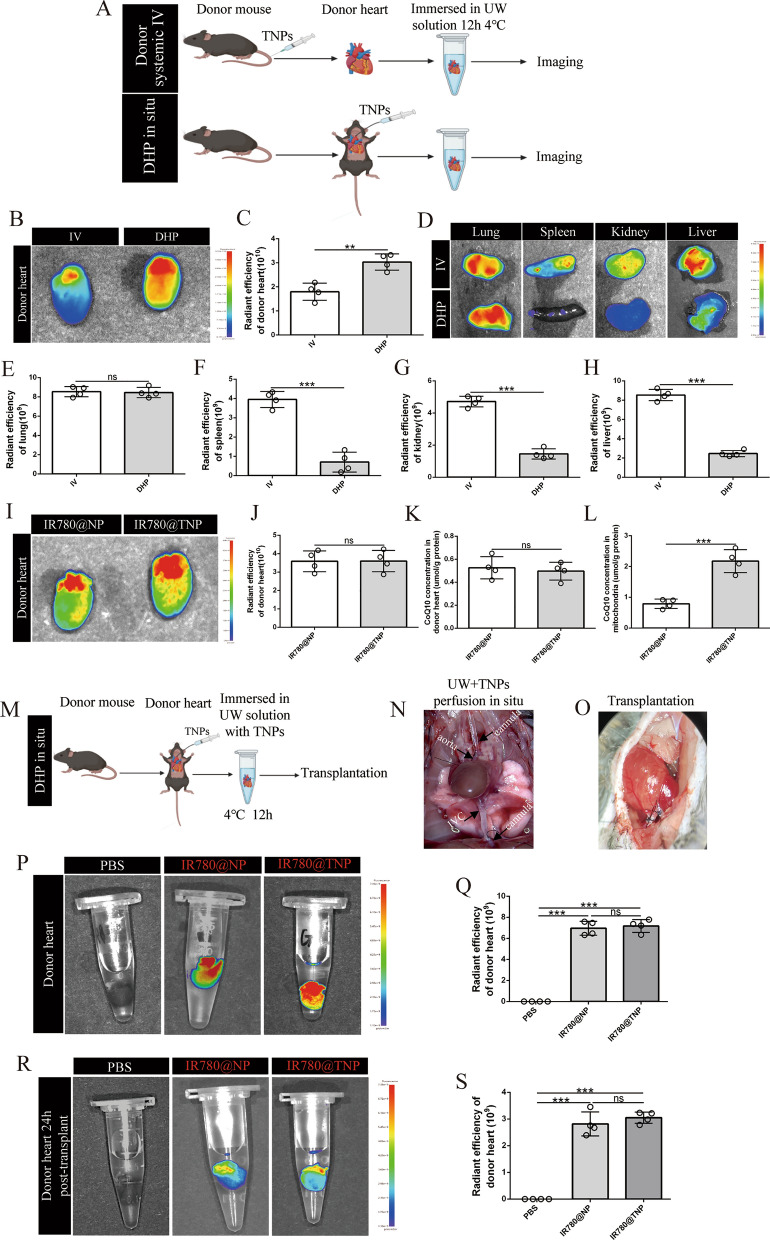
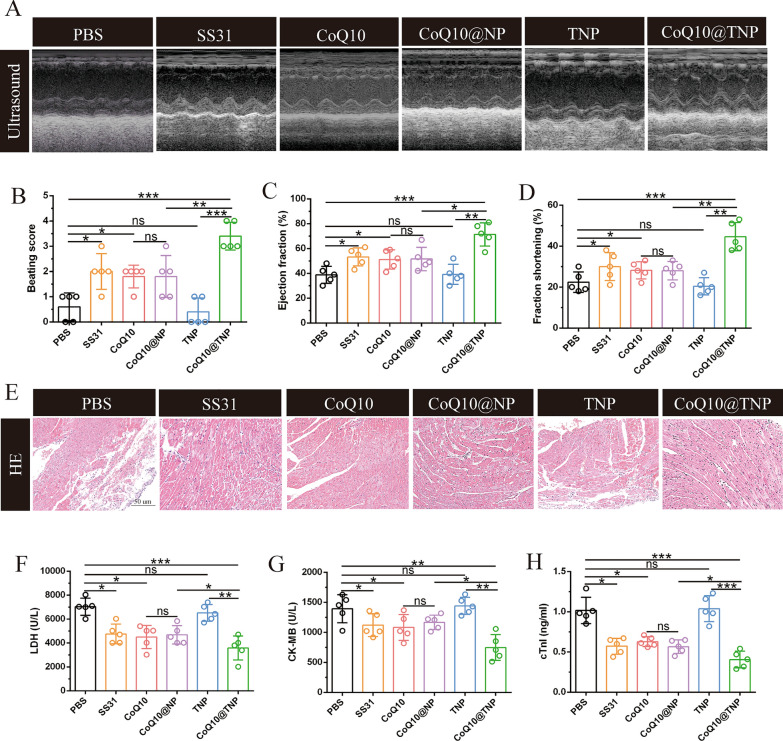
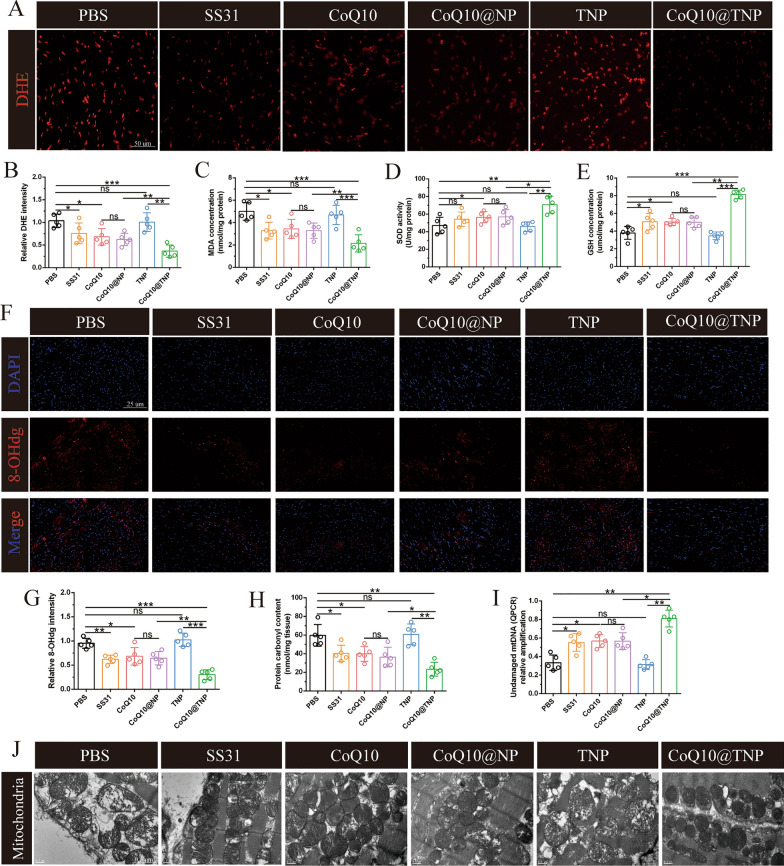
CoQ10@TNPs were successfully synthesized and delivered CoQ10 to the mitochondria of the cold ischaemic myocardium. In vitro experiments demonstrated that CoQ10@TNPs was taken up by H9c2 cells at 4 °C and localized within the mitochondria, thus ameliorating oxidative stress damage and mitochondrial injury in cold I/R injury. In vivo experiments showed that CoQ10@TNPs accumulated in DH tissue at 4 °C, localized within the mitochondria during cold storage and improved cardiac graft function by attenuating mitochondrial oxidative injury and inflammation.
CoQ10@TNPs can precisely deliver CoQ10 to the mitochondria of cold I/R-injured cardiomyocytes to effectively eliminate mitochondrial reactive oxygen species (mtROS), thus reducing oxidative injury and inflammatory reactions in cold I/R-injured graft tissues and finally improving heart graft function. Thus, CoQ10@TNPs offer an effective approach for safeguarding cardiac grafts against extended periods of cold ischaemia, emphasizing the therapeutic potential in mitigating cold I/R injury during HT. These findings present an opportunity to enhance existing results following HT and broaden the range of viable grafts for transplantation.
心脏移植(HT)已被批准为终末期心力衰竭患者的最佳治疗方案。然而,冷缺血再灌注(I/R)损伤仍然是一个不可避免的突出挑战,这是导致移植物早期功能障碍和 HT 长期生存障碍的主要因素。冷 I/R 损伤通过促进线粒体功能障碍、增加自由基产生和炎症反应导致心脏移植物损伤。因此,我们在小鼠异位心脏移植模型中设计了一种载有辅酶 Q10(CoQ10)的靶向线粒体的纳米载体(CoQ10@TNPs)来治疗心脏移植后的冷 I/R 损伤。
采用共沉淀法合成由 CaCO/CaP/生物素化羧甲基壳聚糖(CaCO/CaP/BCMC)组成的混合纳米粒子,并通过生物素-亲和素相互作用将靶向线粒体的四肽 SS31 整合到混合纳米粒子的表面。采用透射电子显微镜(TEM)和动态光散射(DLS)分析进行表征。体外,采用 H9c2 细胞缺氧复氧模型模拟体内冷 I/R 损伤,并采用 CoQ10@TNPs 进行治疗。通过分析氧化损伤和细胞凋亡来评估 CoQ10@TNPs 对 H9c2 细胞损伤的影响。体内,供心(DH)用含 CoQ10@TNPs 的保存液灌注,并在 4°C 下体外保存 12 小时。DH 进行异位移植,并在移植后 1 天分析移植物功能、氧化损伤、细胞凋亡和炎症标志物。
成功合成了 CoQ10@TNPs,并将 CoQ10 递送至冷缺血心肌的线粒体。体外实验表明,CoQ10@TNPs 在 4°C 时被 H9c2 细胞摄取,并定位于线粒体,从而改善冷 I/R 损伤中的氧化应激损伤和线粒体损伤。体内实验表明,CoQ10@TNPs 在 4°C 时在 DH 组织中积累,在冷储存期间定位于线粒体,并通过减轻线粒体氧化损伤和炎症来改善心脏移植物功能。
CoQ10@TNPs 可以精确地将 CoQ10 递送至冷 I/R 损伤的心肌细胞的线粒体,有效清除线粒体活性氧(mtROS),从而减少冷 I/R 损伤组织中的氧化损伤和炎症反应,最终改善心脏移植物功能。因此,CoQ10@TNPs 为保护心脏移植物免受长时间冷缺血提供了一种有效方法,强调了在 HT 中减轻冷 I/R 损伤的治疗潜力。这些发现为增强 HT 后的现有结果并扩大可移植的可行移植物范围提供了机会。