Chen Han, Xue Huaqian, Zeng Huanxuan, Dai Minghai, Tang Chengxuan, Liu Liangle
The Third Affiliated Hospital of Wenzhou Medical University, Wenzhou, 325200, China.
Ningxia Medical University, Ningxia, 750004, China.
Biomater Res. 2023 Dec 24;27(1):137. doi: 10.1186/s40824-023-00460-0.
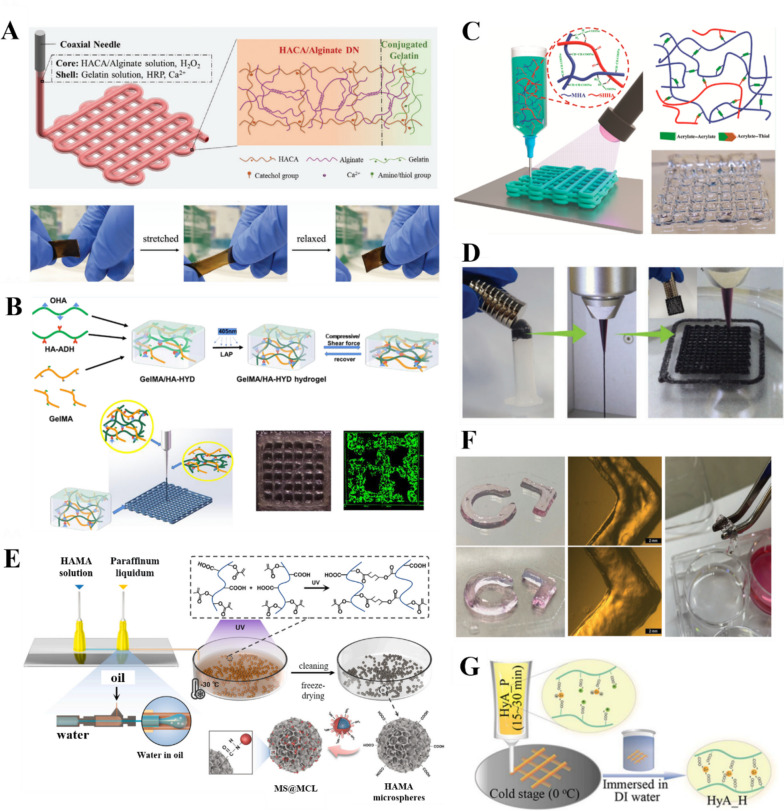
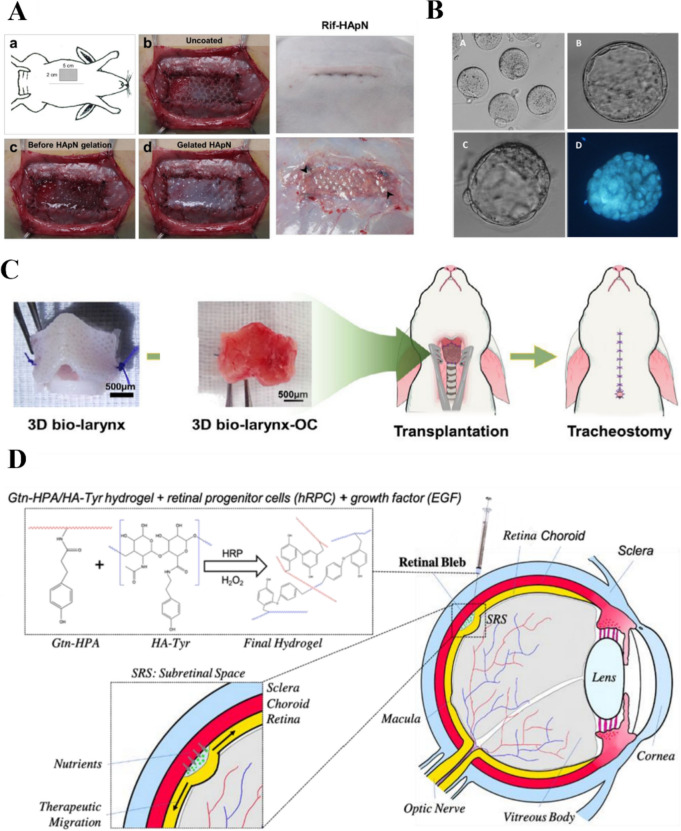
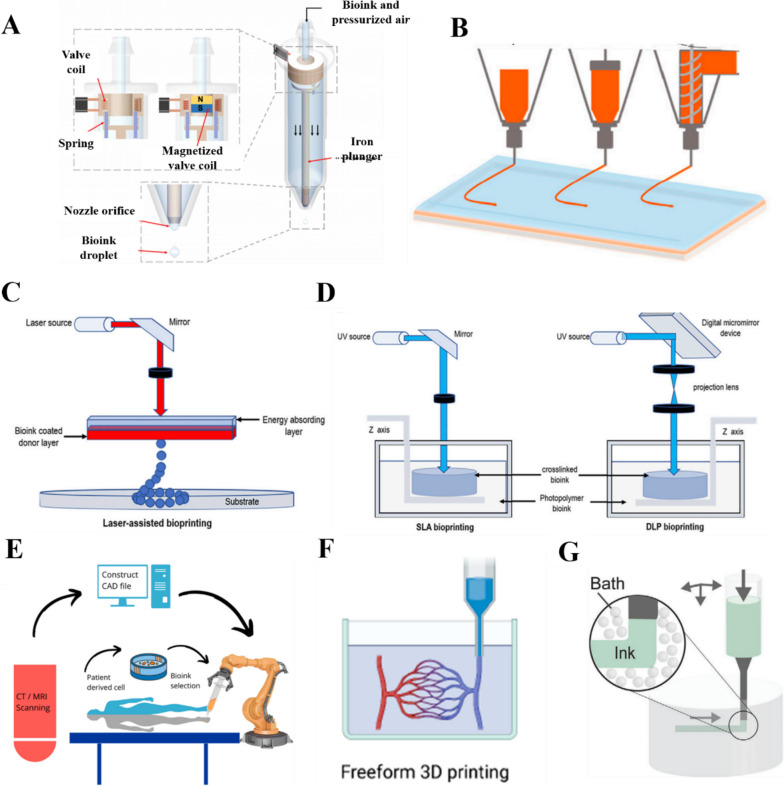
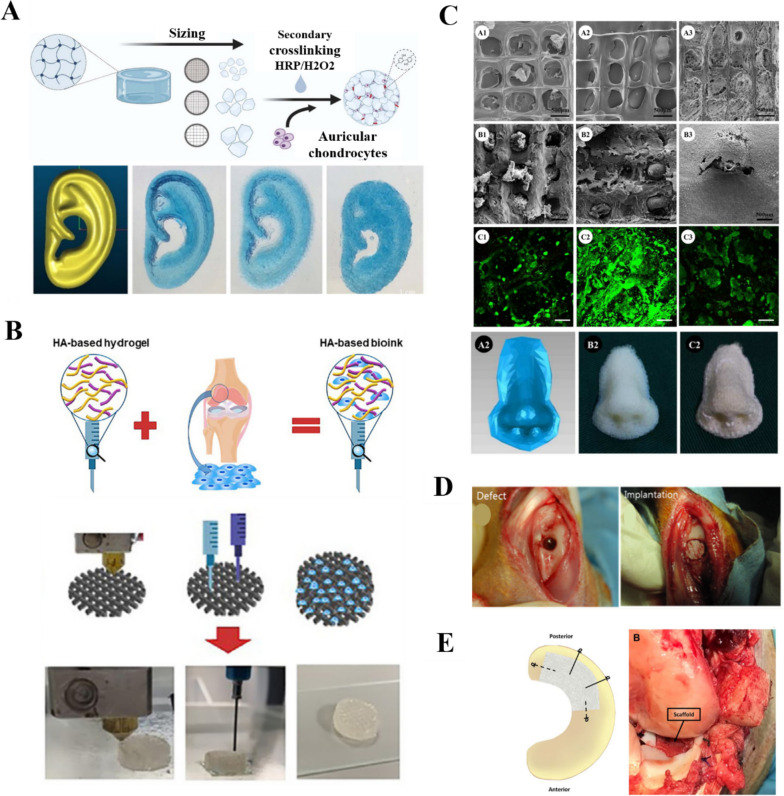
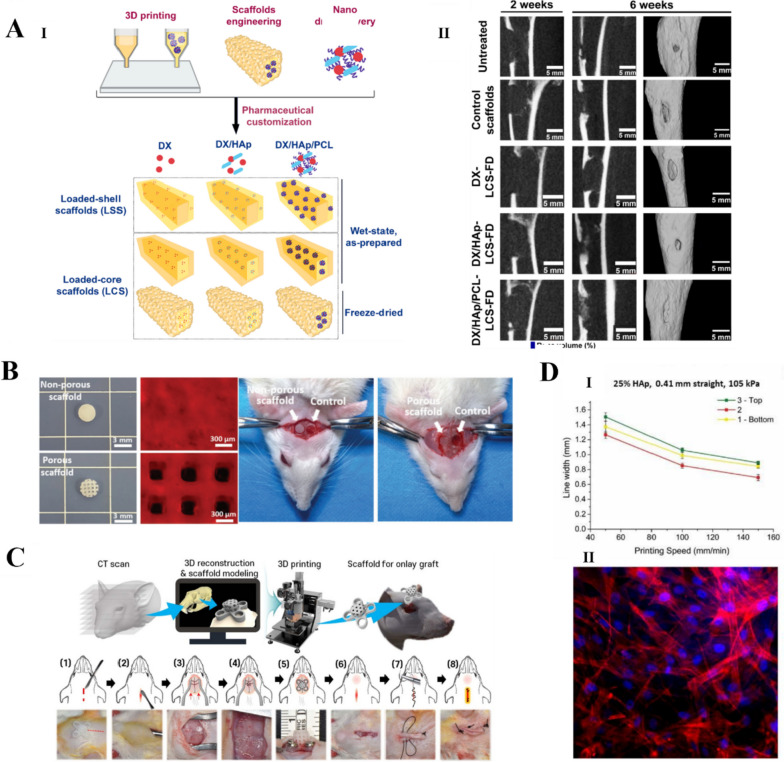
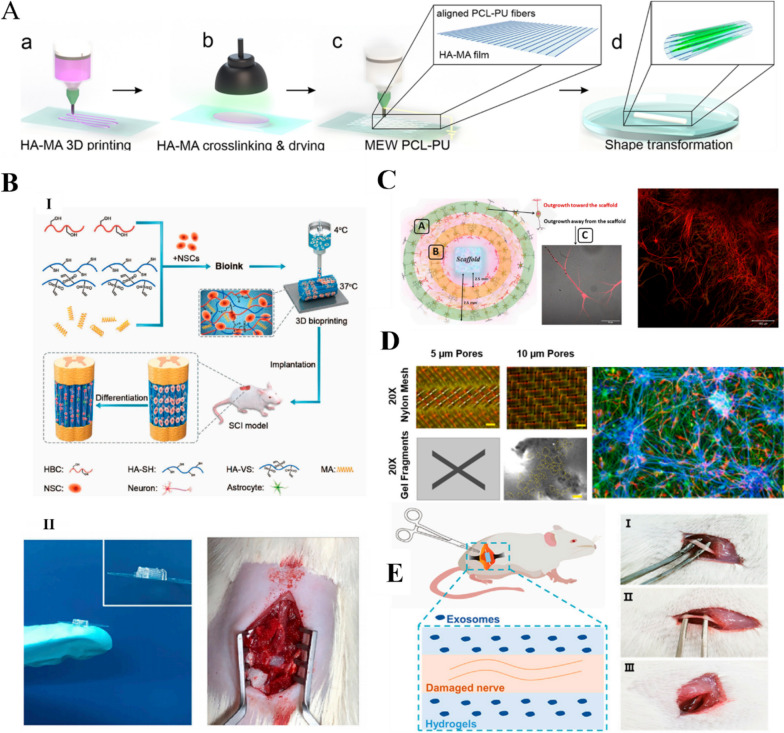
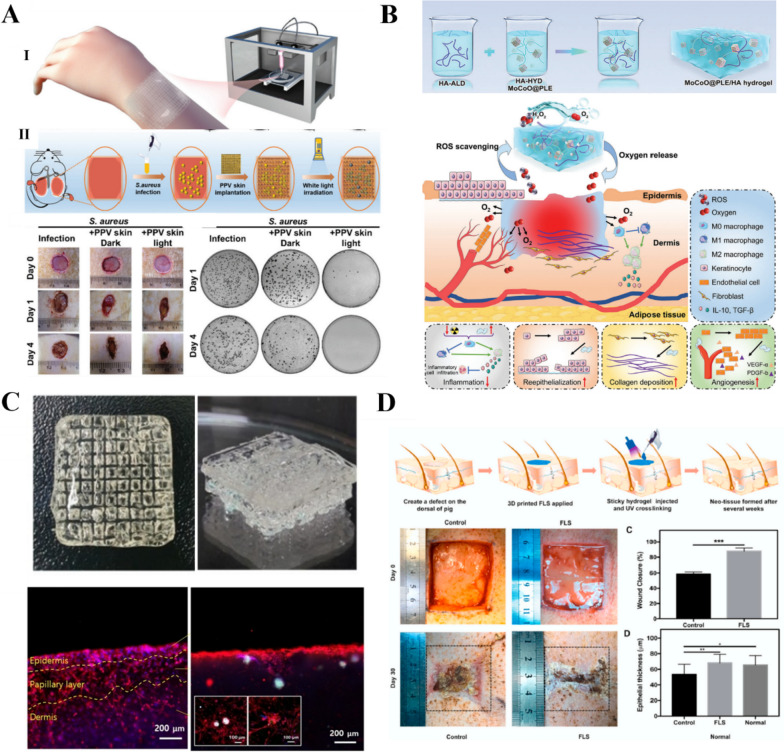
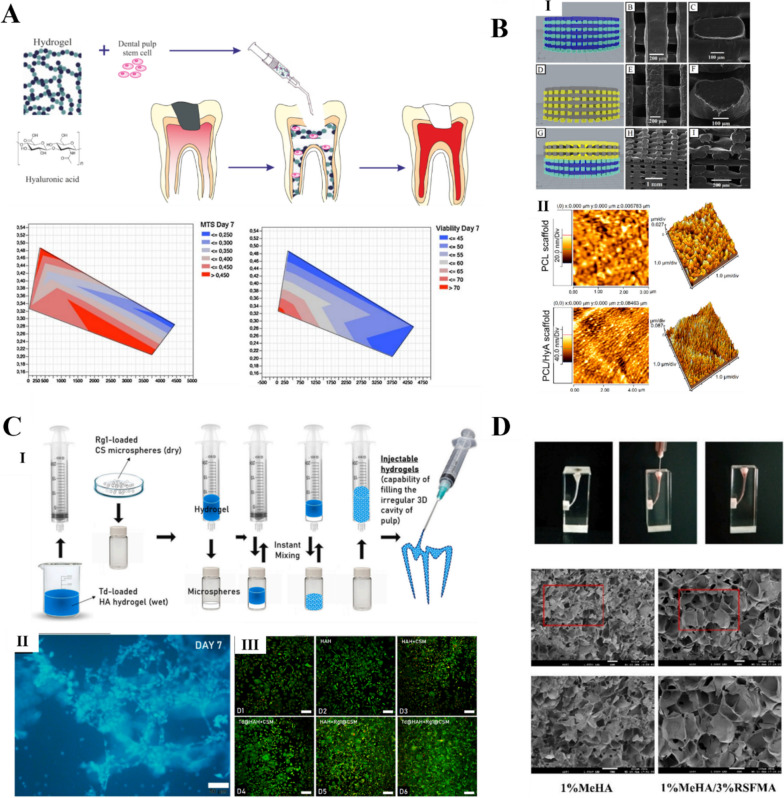
Hyaluronic acid (HA) is widely distributed in human connective tissue, and its unique biological and physicochemical properties and ability to facilitate biological structure repair make it a promising candidate for three-dimensional (3D) bioprinting in the field of tissue regeneration and biomedical engineering. Moreover, HA is an ideal raw material for bioinks in tissue engineering because of its histocompatibility, non-immunogenicity, biodegradability, anti-inflammatory properties, anti-angiogenic properties, and modifiability. Tissue engineering is a multidisciplinary field focusing on in vitro reconstructions of mammalian tissues, such as cartilage tissue engineering, neural tissue engineering, skin tissue engineering, and other areas that require further clinical applications. In this review, we first describe the modification methods, cross-linking methods, and bioprinting strategies for HA and its derivatives as bioinks and then critically discuss the strengths, shortcomings, and feasibility of each method. Subsequently, we reviewed the practical clinical applications and outcomes of HA bioink in 3D bioprinting. Finally, we describe the challenges and opportunities in the development of HA bioink to provide further research references and insights.
透明质酸(HA)广泛分布于人体结缔组织中,其独特的生物学和物理化学性质以及促进生物结构修复的能力,使其成为组织再生和生物医学工程领域三维(3D)生物打印的有前途的候选材料。此外,HA因其组织相容性、非免疫原性、生物可降解性、抗炎特性、抗血管生成特性和可修饰性,是组织工程中生物墨水的理想原料。组织工程是一个多学科领域,专注于哺乳动物组织的体外重建,如软骨组织工程、神经组织工程、皮肤组织工程以及其他需要进一步临床应用的领域。在这篇综述中,我们首先描述了HA及其衍生物作为生物墨水的修饰方法、交联方法和生物打印策略,然后批判性地讨论了每种方法的优点、缺点和可行性。随后,我们回顾了HA生物墨水在3D生物打印中的实际临床应用和结果。最后,我们描述了HA生物墨水开发中的挑战和机遇,以提供进一步的研究参考和见解。