Department of Biological Sciences, University of Toledo, Toledo, OH, USA.
Department of Studies in Genetics and Genomics, University of Mysore, Manasagangotri, Mysuru, India.
Nat Commun. 2024 Jan 2;15(1):117. doi: 10.1038/s41467-023-44411-8.
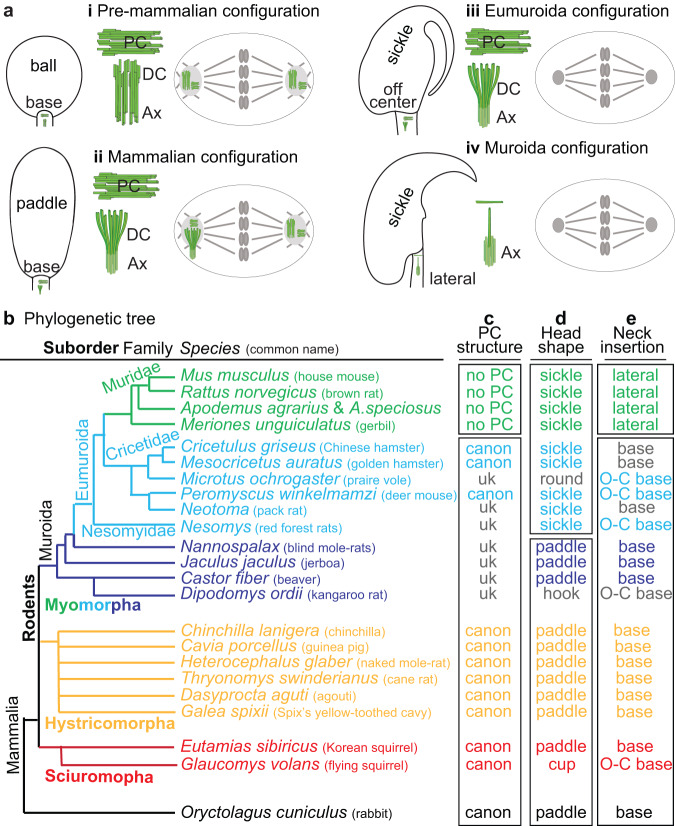
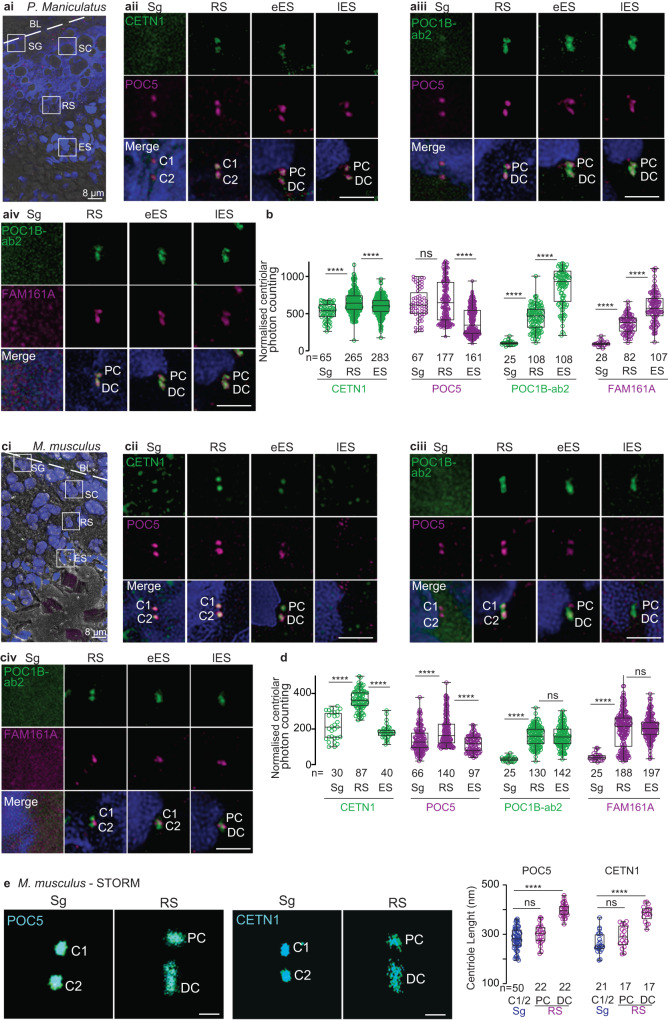
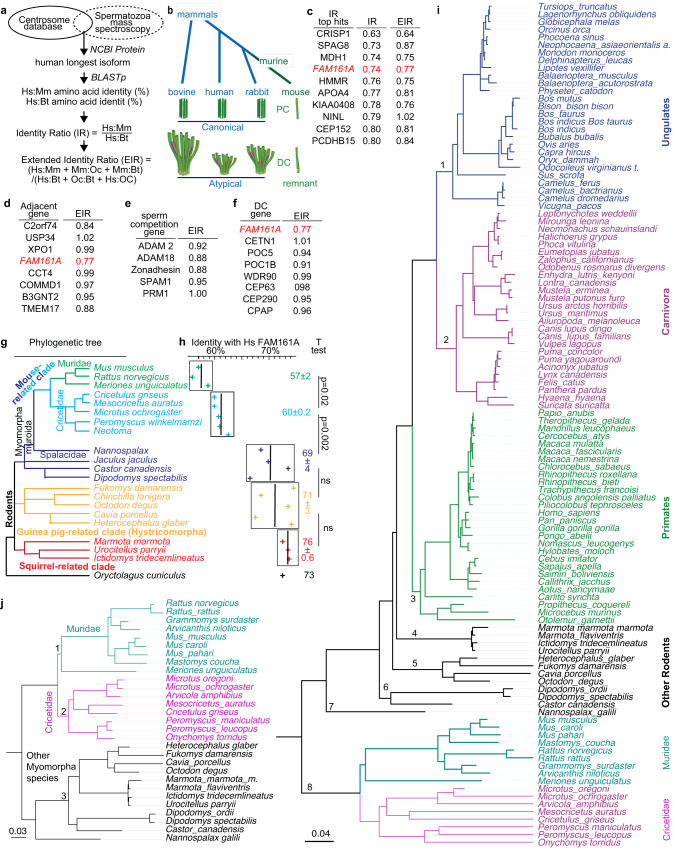
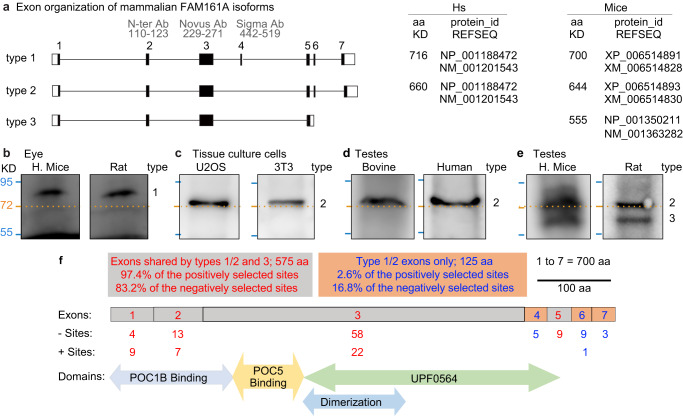
Centrioles are subcellular organelles found at the cilia base with an evolutionarily conserved structure and a shock absorber-like function. In sperm, centrioles are found at the flagellum base and are essential for embryo development in basal animals. Yet, sperm centrioles have evolved diverse forms, sometimes acting like a transmission system, as in cattle, and sometimes becoming dispensable, as in house mice. How the essential sperm centriole evolved to become dispensable in some organisms is unclear. Here, we test the hypothesis that this transition occurred through a cascade of evolutionary changes to the proteins, structure, and function of sperm centrioles and was possibly driven by sperm competition. We found that the final steps in this cascade are associated with a change in the primary structure of the centriolar inner scaffold protein FAM161A in rodents. This information provides the first insight into the molecular mechanisms and adaptive evolution underlying a major evolutionary transition within the internal structure of the mammalian sperm neck.
中心粒是位于纤毛基部的亚细胞细胞器,具有进化上保守的结构和减震器样的功能。在精子中,中心粒位于鞭毛基部,对于基础动物的胚胎发育至关重要。然而,精子中心粒已经进化出多种形式,有时充当传输系统,如在牛中,有时变得可有可无,如在小家鼠中。在某些生物中,必需的精子中心粒如何进化为可有可无的,目前还不清楚。在这里,我们检验了这样一个假设,即这种转变是通过精子中心粒的蛋白质、结构和功能的一系列进化变化发生的,可能是由精子竞争驱动的。我们发现,这个级联反应的最后步骤与啮齿动物中心粒内支架蛋白 FAM161A 的一级结构的变化有关。这些信息为哺乳动物精子颈部内部结构的主要进化转变的分子机制和适应性进化提供了第一个见解。