Department of Urology, Shanghai General Hospital, Shanghai Jiao Tong University School of Medicine, Shanghai 200080, China; Genitourinary Malignancies Research Center, Lerner Research Institute, Cleveland Clinic, Cleveland, OH 44195, USA.
Genitourinary Malignancies Research Center, Lerner Research Institute, Cleveland Clinic, Cleveland, OH 44195, USA.
Cell Rep. 2024 Jan 23;43(1):113575. doi: 10.1016/j.celrep.2023.113575. Epub 2024 Jan 4.
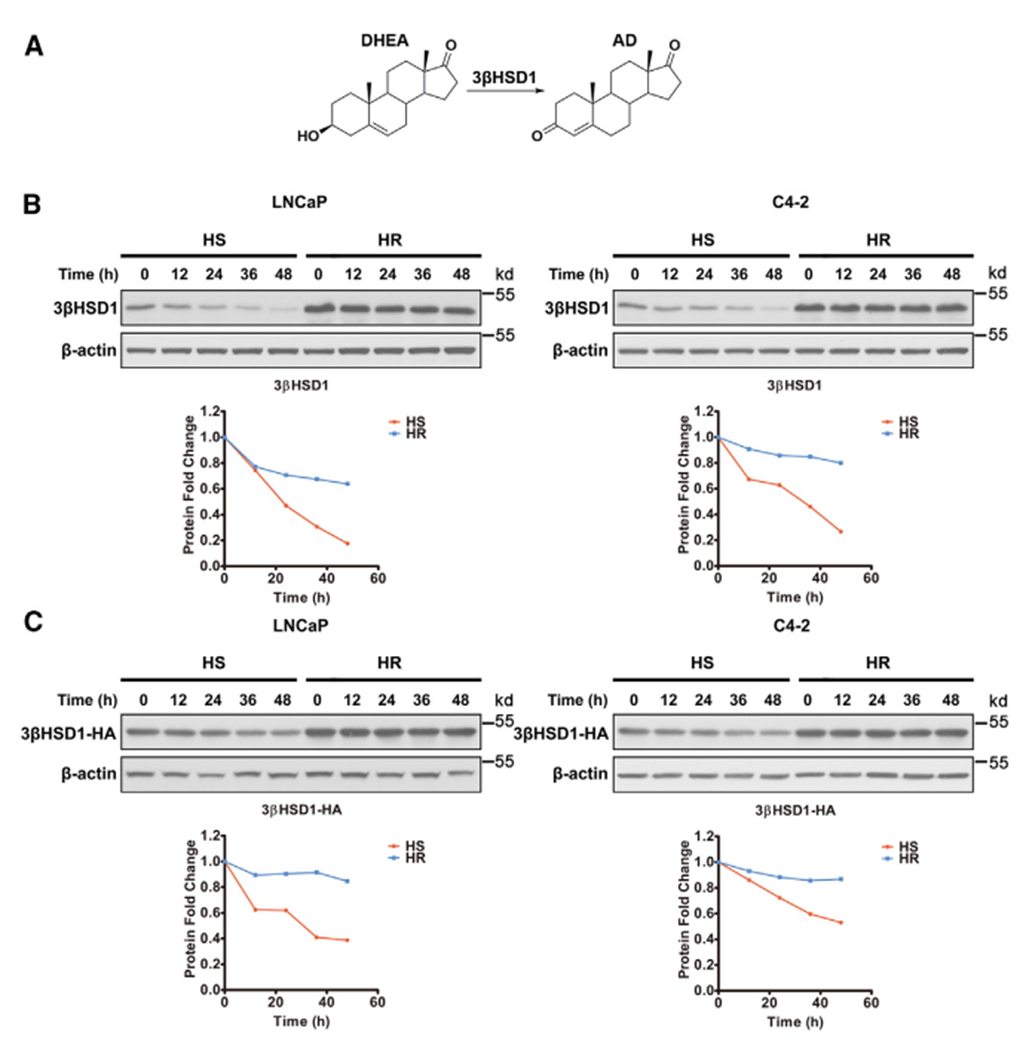
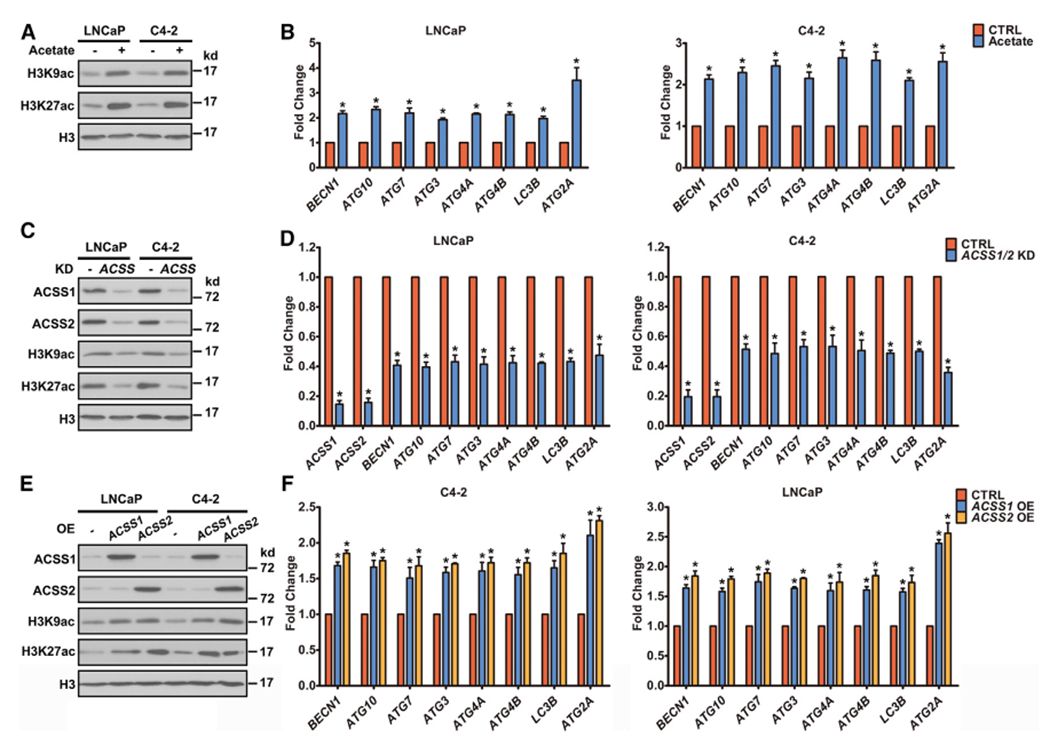
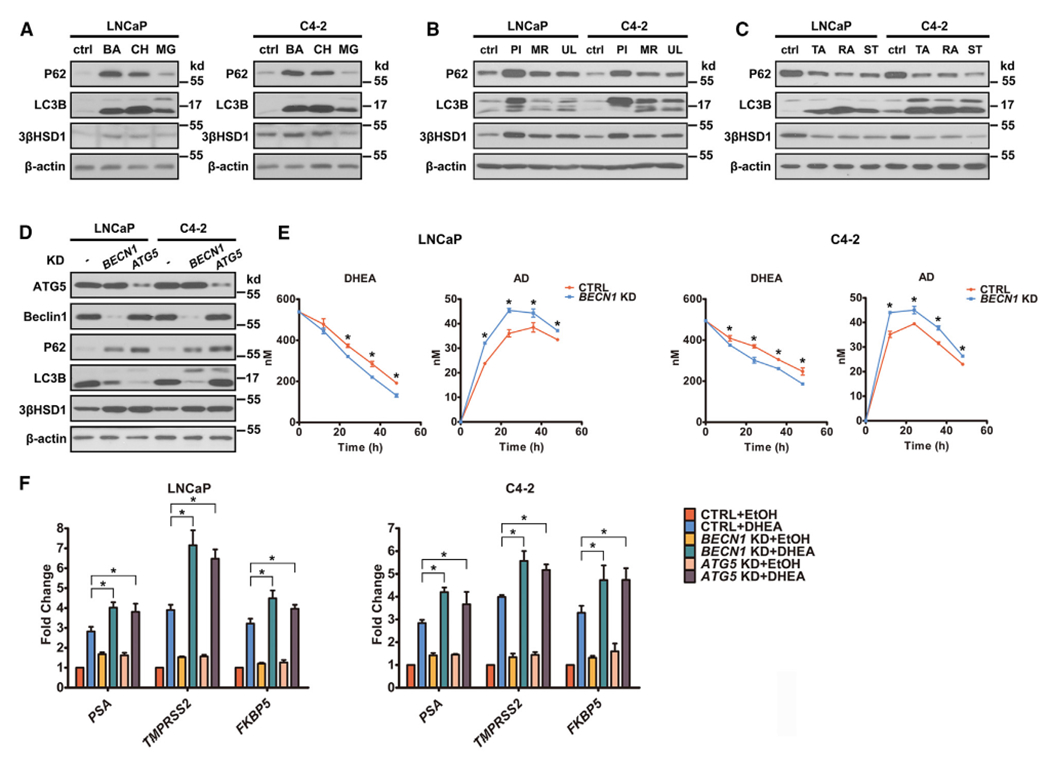
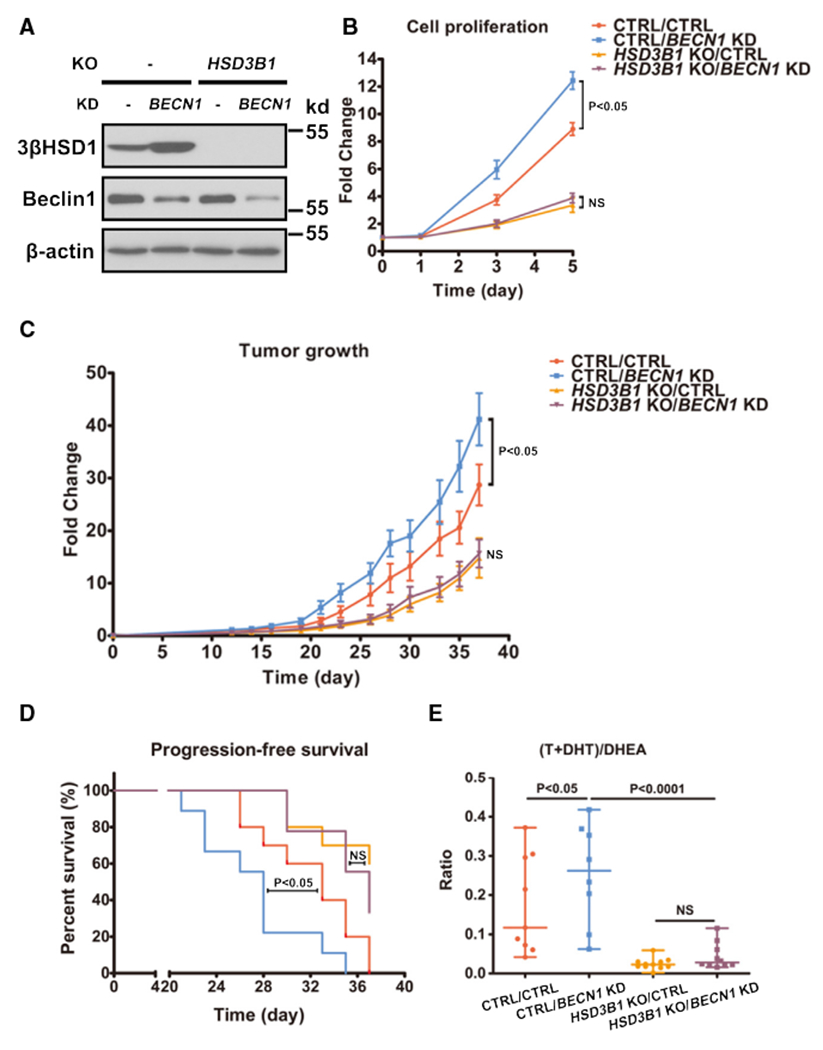
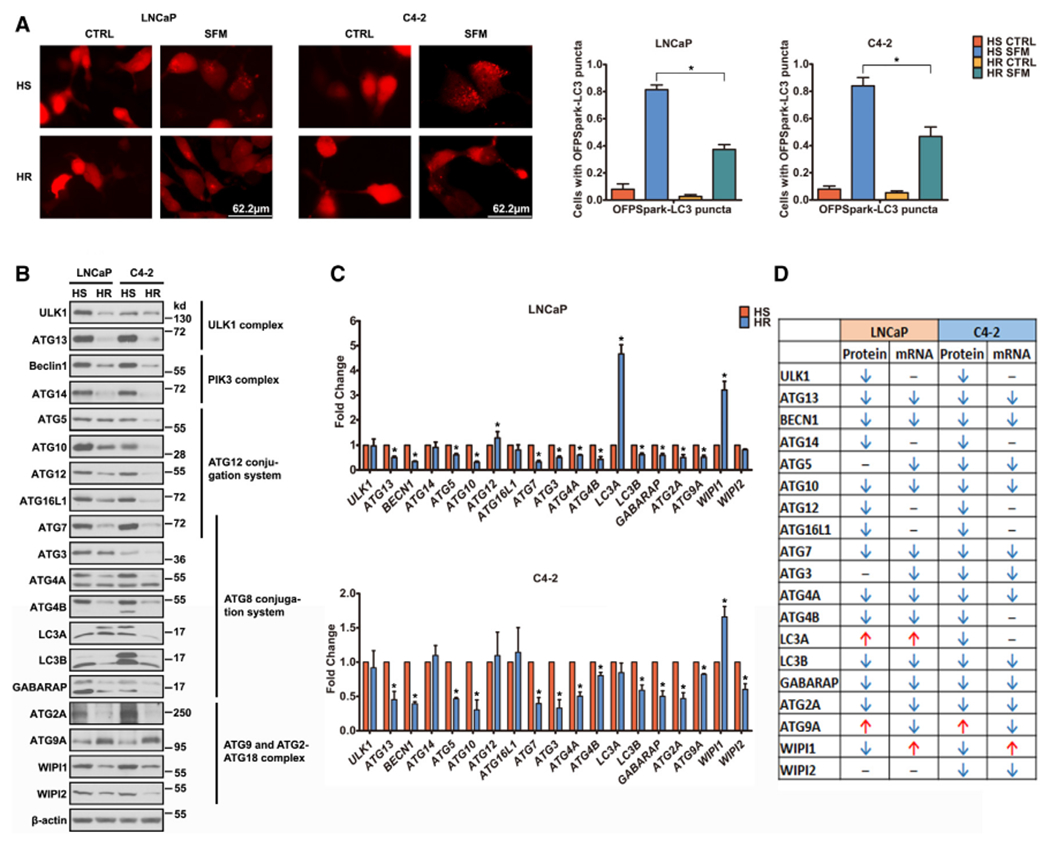
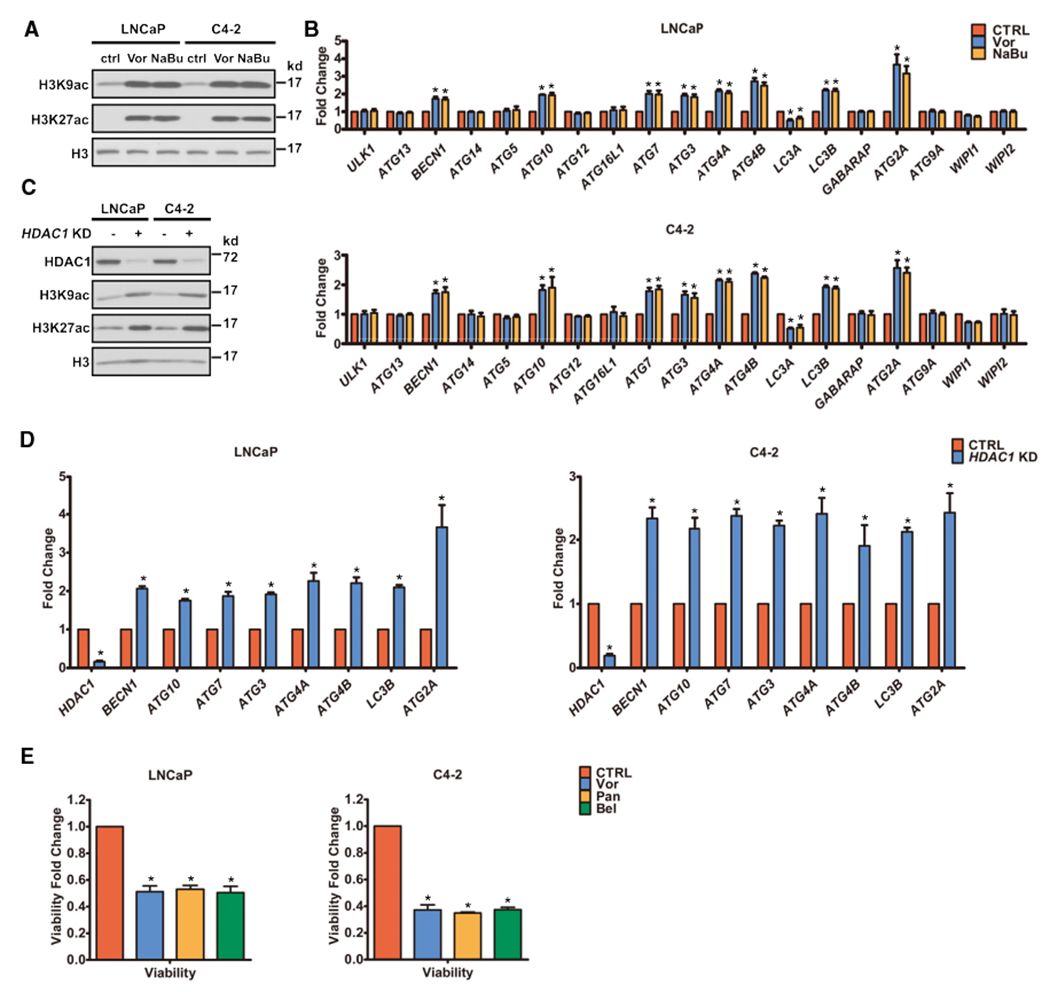
Progression of prostate cancer depends on androgen receptor, which is usually activated by androgens. Therefore, a mainstay treatment is androgen deprivation therapy. Unfortunately, despite initial treatment response, resistance nearly always develops, and disease progresses to castration-resistant prostate cancer (CRPC), which remains driven by non-gonadal androgens synthesized in prostate cancer tissues. 3β-Hydroxysteroid dehydrogenase/Δ isomerase 1 (3βHSD1) catalyzes the rate-limiting step in androgen synthesis. However, how 3βHSD1, especially the "adrenal-permissive" 3βHSD1(367T) that permits tumor synthesis of androgen from dehydroepiandrosterone (DHEA), is regulated at the protein level is not well understood. Here, we investigate how hypoxia regulates 3βHSD1(367T) protein levels. Our results show that, in vitro, hypoxia stabilizes 3βHSD1 protein by suppressing autophagy. Autophagy inhibition promotes 3βHSD1-dependent tumor progression. Hypoxia represses transcription of autophagy-related (ATG) genes by decreasing histone acetylation. Inhibiting deacetylase (HDAC) restores ATG gene transcription under hypoxia. Therefore, HDAC inhibition may be a therapeutic target for hypoxic tumor cells.
前列腺癌的进展取决于雄激素受体,雄激素受体通常被雄激素激活。因此,主要的治疗方法是雄激素剥夺疗法。不幸的是,尽管最初的治疗有反应,但几乎总是会产生耐药性,疾病进展为去势抵抗性前列腺癌(CRPC),这仍然是由前列腺癌组织中合成的非性腺雄激素驱动的。3β-羟类固醇脱氢酶/Δ 异构酶 1(3βHSD1)催化雄激素合成的限速步骤。然而,3βHSD1(特别是允许肿瘤从脱氢表雄酮(DHEA)合成雄激素的“肾上腺允许”3βHSD1(367T))如何在蛋白质水平上受到调节尚不清楚。在这里,我们研究了低氧如何调节 3βHSD1(367T)蛋白水平。我们的结果表明,在体外,低氧通过抑制自噬来稳定 3βHSD1 蛋白。自噬抑制促进了 3βHSD1 依赖性肿瘤的进展。低氧通过降低组蛋白乙酰化来抑制自噬相关(ATG)基因的转录。抑制去乙酰化酶(HDAC)可在低氧下恢复 ATG 基因转录。因此,HDAC 抑制可能是缺氧肿瘤细胞的治疗靶点。