Department of Laboratory, Shandong Daizhuang Hospital, Jining, 272051, China.
Jining No.1 People's Hospital, Shandong First Medical University, Jining, 272000, China.
Oncol Res. 2023 Dec 28;32(2):297-308. doi: 10.32604/or.2023.043138. eCollection 2023.
Colorectal cancer (CRC) belongs to the class of significantly malignant tumors found in humans. Recently, dysregulated fatty acid metabolism (FAM) has been a topic of attention due to its modulation in cancer, specifically CRC. However, the regulatory FAM pathways in CRC require comprehensive elucidation.
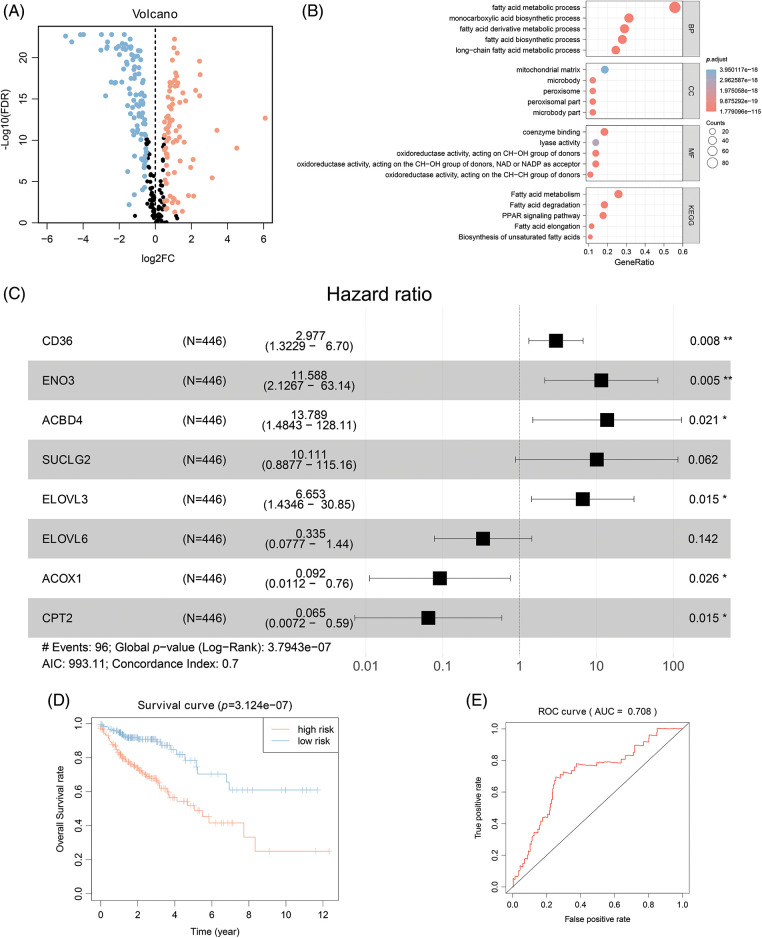
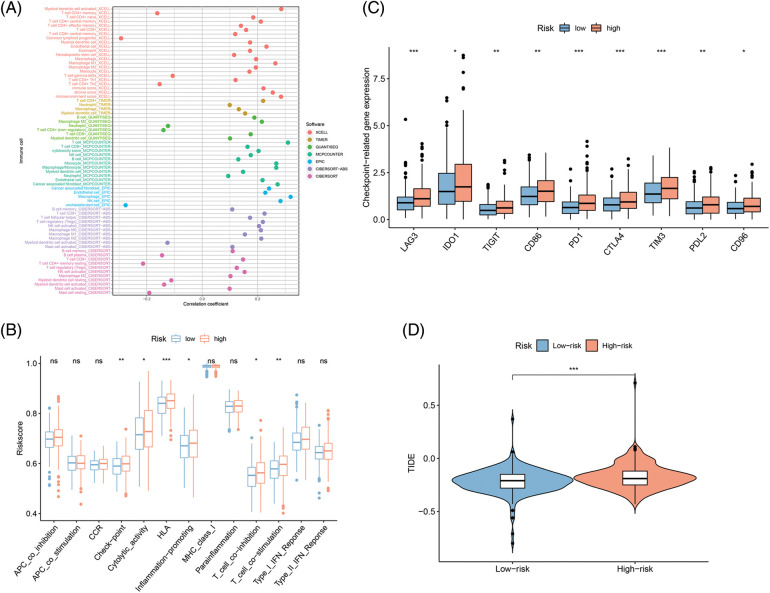
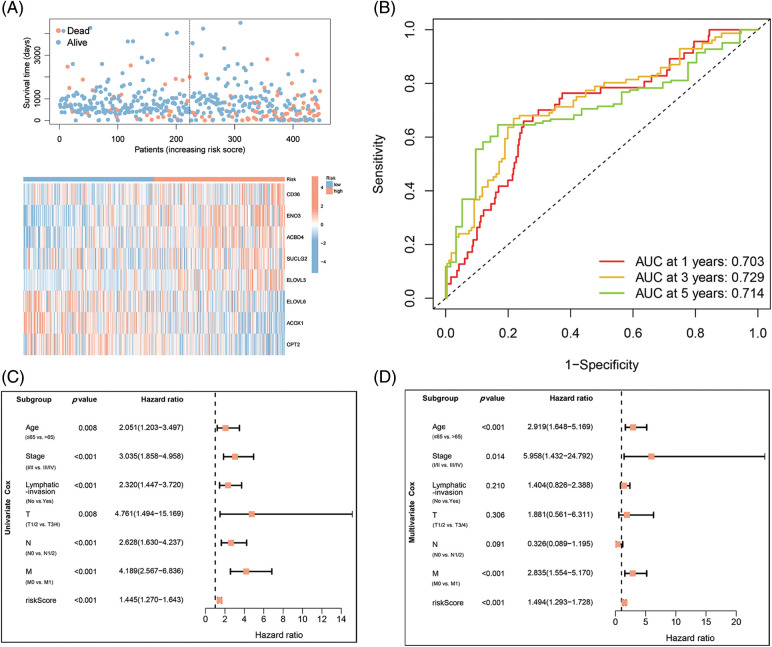
The clinical and gene expression data of 175 fatty acid metabolic genes (FAMGs) linked with colon adenocarcinoma (COAD) and normal cornerstone genes were gathered through The Cancer Genome Atlas (TCGA)-COAD corroborating with the Molecular Signature Database v7.2 (MSigDB). Initially, crucial prognostic genes were selected by uni- and multi-variate Cox proportional regression analyses; then, depending upon these identified signature genes and clinical variables, a nomogram was generated. Lastly, to assess tumor immune characteristics, concomitant evaluation of tumor immune evasion/risk scoring were elucidated.
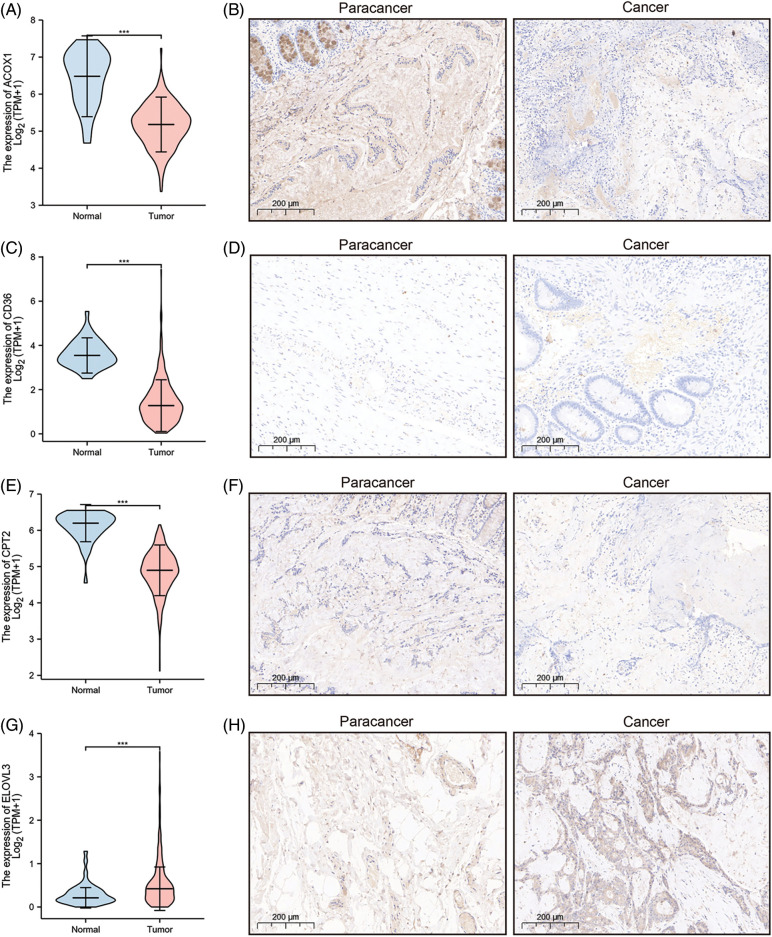
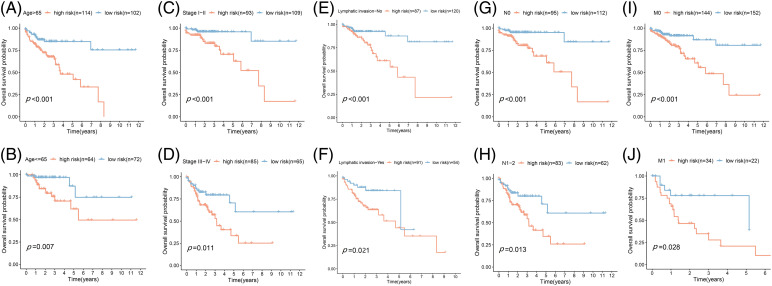
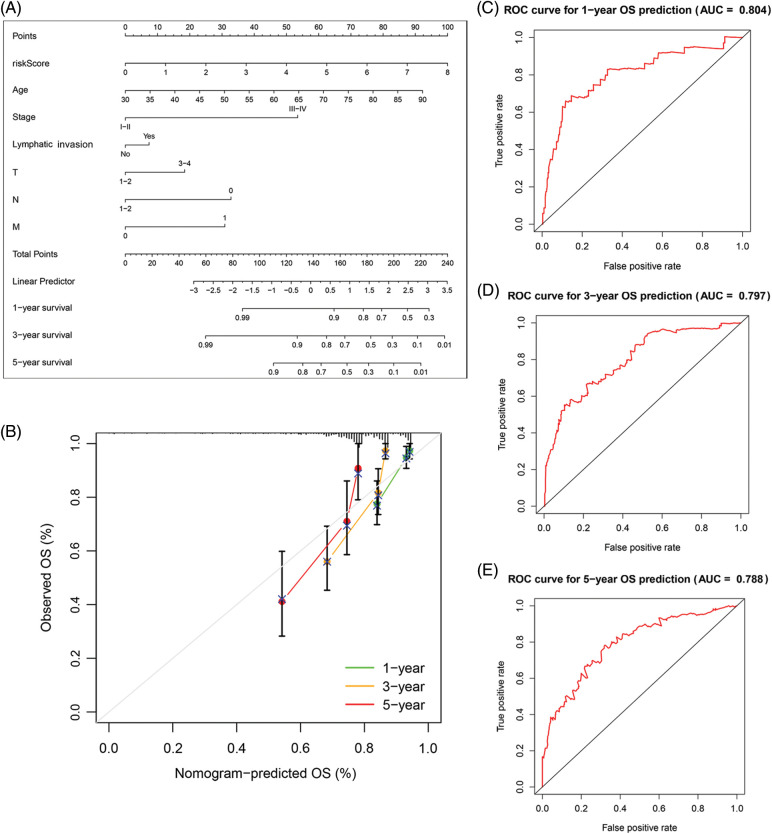
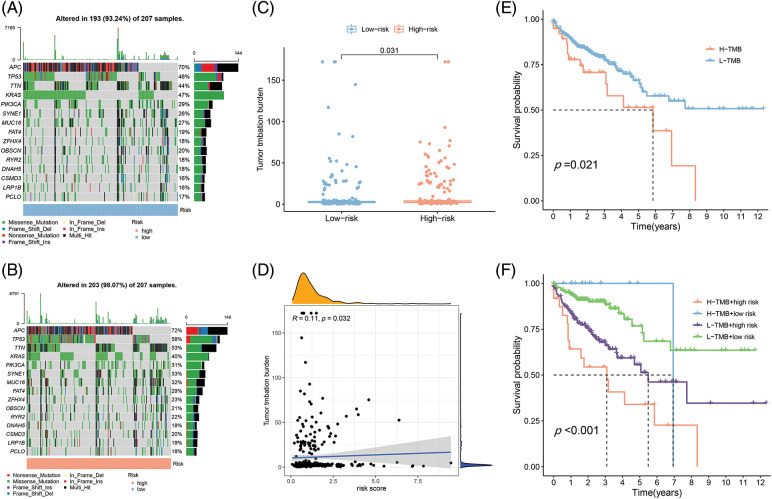
A 8-gene signature, including , and , was generated, and depending upon this, CRC patients were categorized within high-risk (H-R) and low-risk (L-R) cohorts. Furthermore, risk and age-based nomograms indicated moderate discrimination and good calibration. The data confirmed that the 8-gene model efficiently predicted CRC patients' prognosis. Moreover, according to the conjoint analysis of tumor immune evasion and the risk scorings, the H-R cohort had an immunosuppressive tumor microenvironment, which caused a substandard prognosis.
This investigation established a FAMGs-based prognostic model with substantially high predictive value, providing the possibility for improved individualized treatment for CRC individuals.
结直肠癌(CRC)属于人类中显著恶性的肿瘤类别。最近,脂肪酸代谢(FAM)的失调因其在癌症,特别是 CRC 中的调节而受到关注。然而,CRC 中调节 FAM 的途径需要全面阐明。
通过 The Cancer Genome Atlas(TCGA)-COAD 收集了 175 个与结肠腺癌(COAD)相关的脂肪酸代谢基因(FAMG)的临床和基因表达数据,并与分子特征数据库 v7.2(MSigDB)进行了比对。最初,通过单变量和多变量 Cox 比例回归分析选择关键的预后基因;然后,根据这些鉴定的特征基因和临床变量,生成一个列线图。最后,为了评估肿瘤免疫特征,同时阐明了肿瘤免疫逃逸/风险评分的评估。
生成了一个包含、和的 8 基因签名,并根据该签名将 CRC 患者分为高风险(H-R)和低风险(L-R)队列。此外,风险和年龄为基础的列线图表明具有中等的区分度和良好的校准度。数据证实,8 基因模型能有效地预测 CRC 患者的预后。此外,根据肿瘤免疫逃逸和风险评分的联合分析,H-R 队列具有免疫抑制性的肿瘤微环境,导致预后不良。
本研究建立了一个基于 FAMGs 的预后模型,具有很高的预测价值,为改善 CRC 患者的个体化治疗提供了可能。