Liu Yang, Li Yilong, Hang Yuteng, Wang Lei, Wang Jinghan, Bao Ning, Kim Youngeun, Jang Ho Won
School of Public Health, Nantong University, Nantong, 226019, Jiangsu, People's Republic of China.
Department of Materials Science and Engineering, Research Institute of Advanced Materials, Seoul National University, Seoul, 08826, Republic of Korea.
Nano Converg. 2024 Jan 8;11(1):2. doi: 10.1186/s40580-023-00408-z.
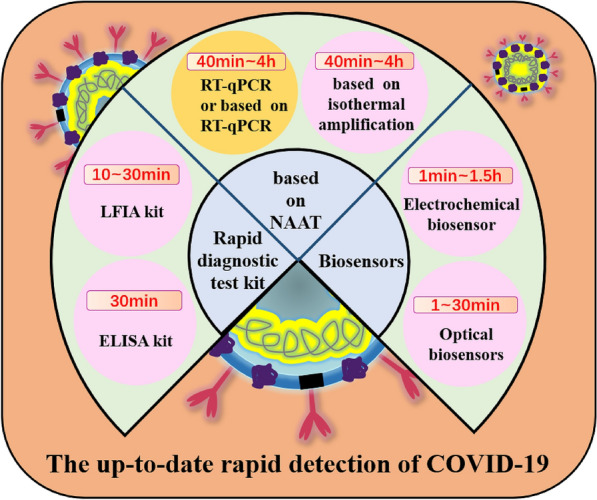
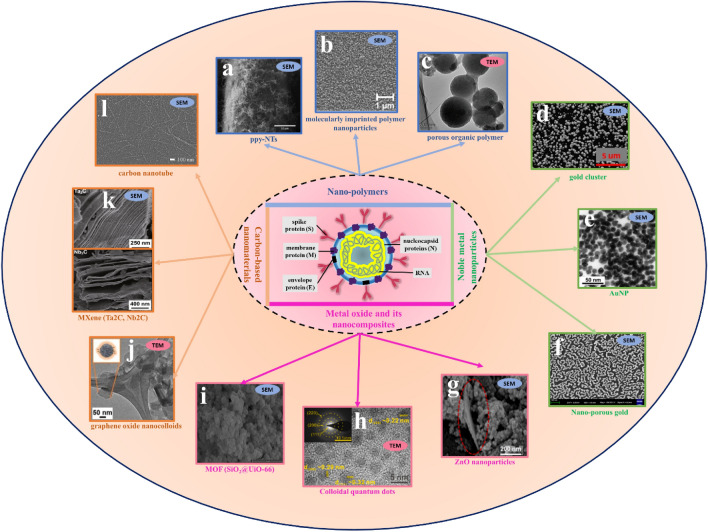
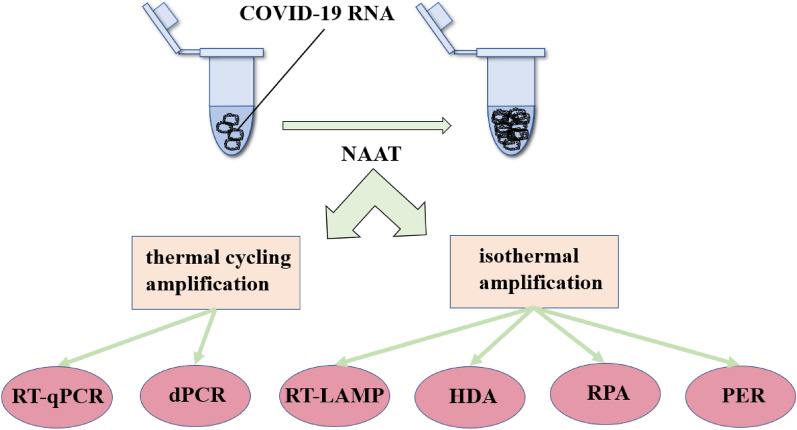
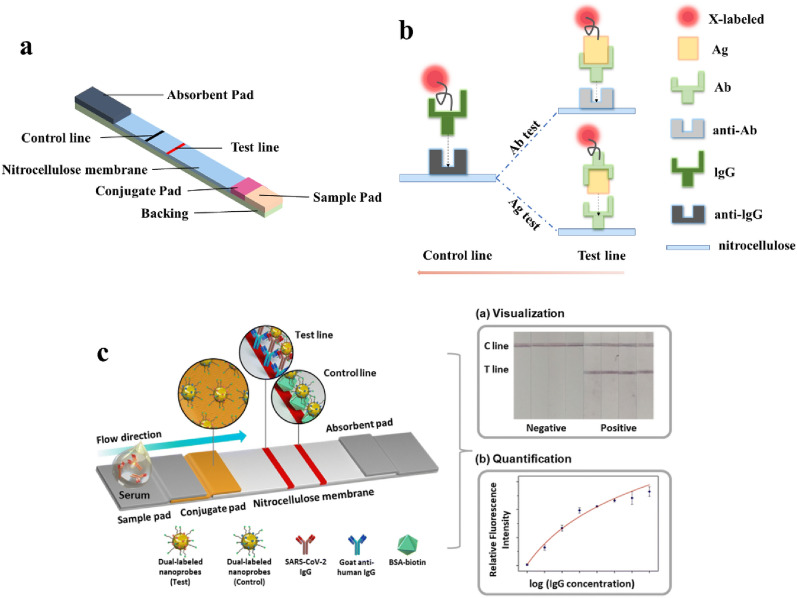
The COVID-19 outbreak caused by SARS-CoV-2 in late 2019 has spread rapidly across the world to form a global epidemic of respiratory infectious diseases. Increased investigations on diagnostic tools are currently implemented to assist rapid identification of the virus because mass and rapid diagnosis might be the best way to prevent the outbreak of the virus. This critical review discusses the detection principles, fabrication techniques, and applications on the rapid detection of SARS-CoV-2 with three categories: rapid nuclear acid augmentation test, rapid immunoassay test and biosensors. Special efforts were put on enhancement of nanomaterials on biosensors for rapid, sensitive, and low-cost diagnostics of SARS-CoV-2 virus. Future developments are suggested regarding potential candidates in hospitals, clinics and laboratories for control and prevention of large-scale epidemic.
2019年末由严重急性呼吸综合征冠状病毒2(SARS-CoV-2)引起的新型冠状病毒肺炎(COVID-19)疫情已在全球迅速蔓延,形成了一场全球性的呼吸道传染病大流行。目前正在加强对诊断工具的研究,以帮助快速识别该病毒,因为大规模快速诊断可能是预防该病毒爆发的最佳方法。这篇综述批判性地讨论了用于快速检测SARS-CoV-2的三类方法的检测原理、制造技术及应用:快速核酸扩增检测、快速免疫分析检测和生物传感器。特别致力于增强生物传感器中的纳米材料,以实现对SARS-CoV-2病毒的快速、灵敏和低成本诊断。针对医院、诊所和实验室中用于控制和预防大规模疫情的潜在候选方案,提出了未来的发展方向。