Dayalbagh Educational Institute, Dayalbagh, Agra, Uttar Pradesh, 282005, India.
Sci Rep. 2024 Jan 12;14(1):1186. doi: 10.1038/s41598-023-44905-x.
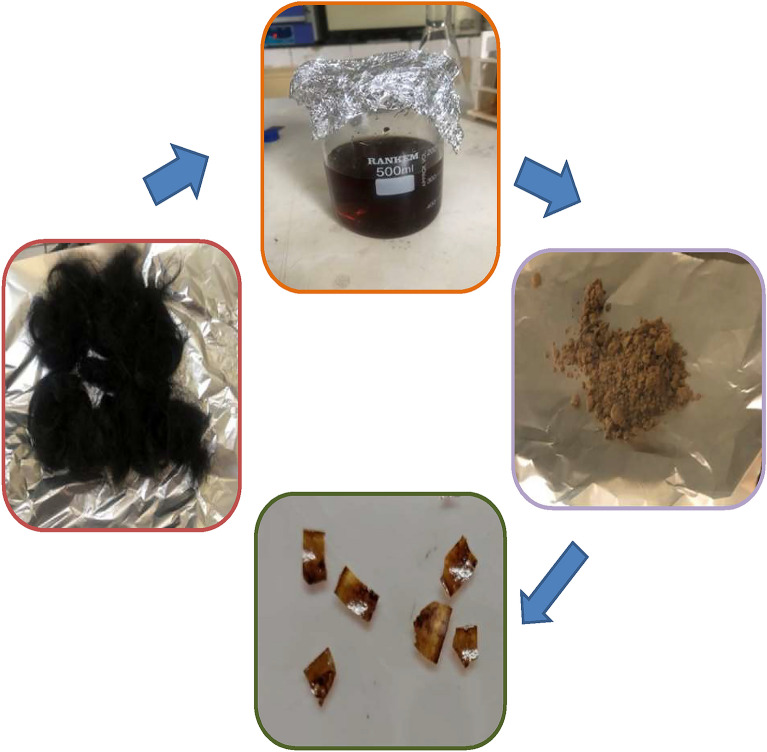
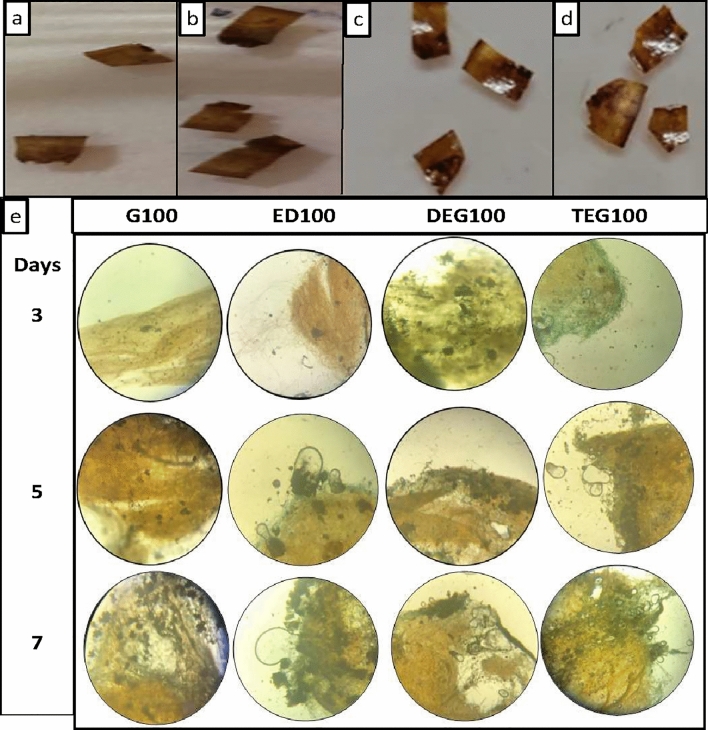
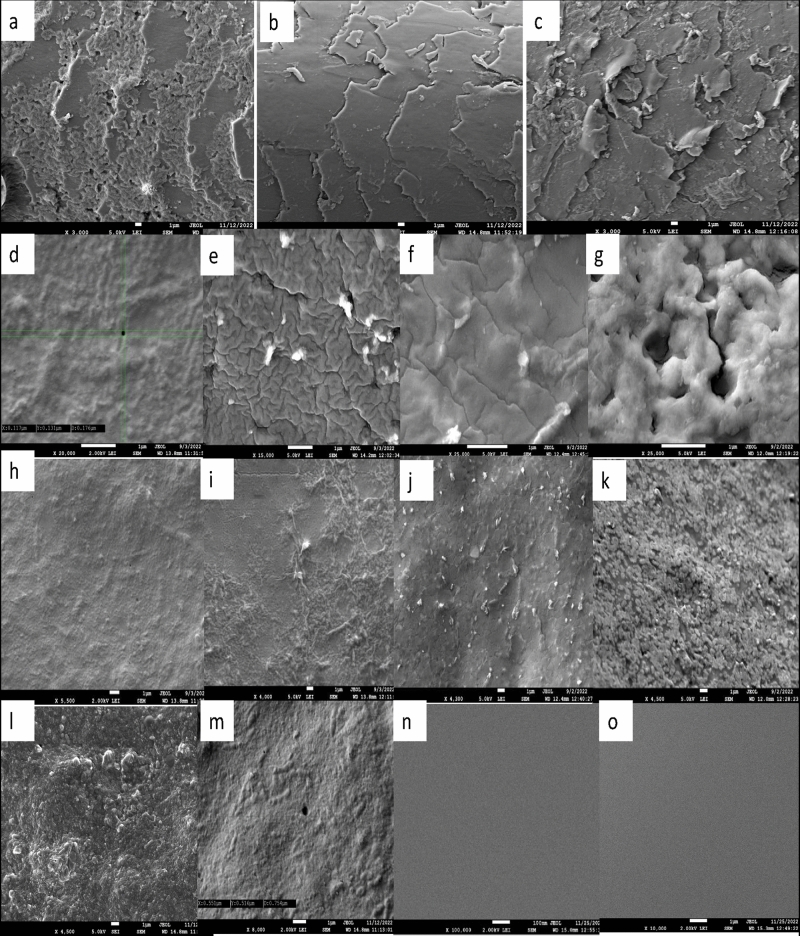
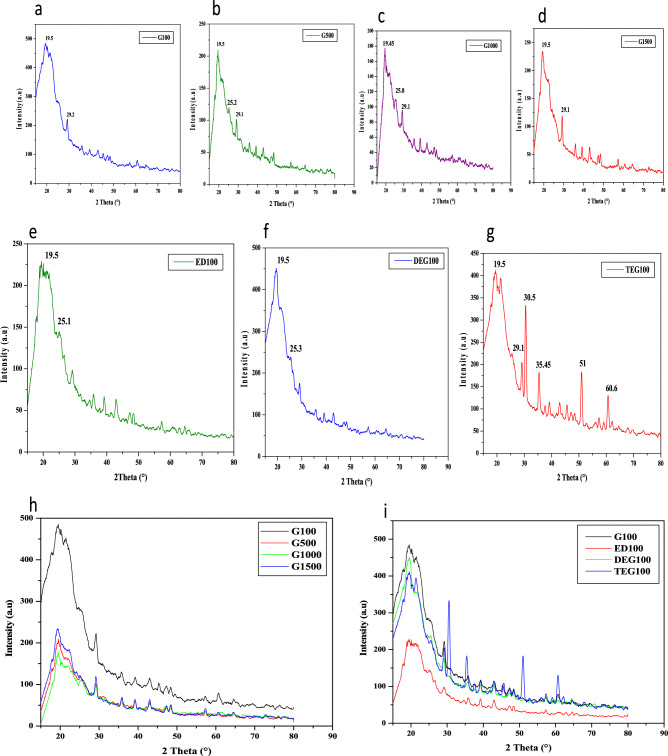
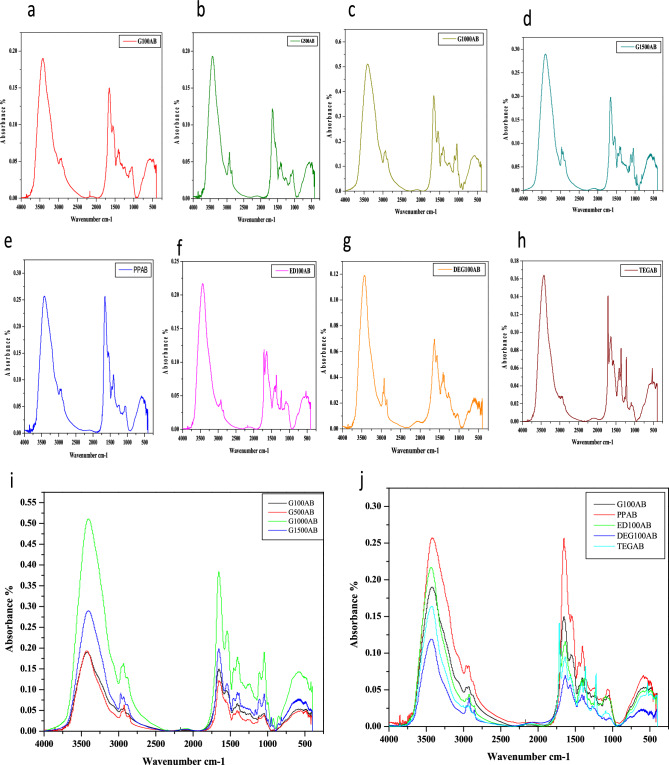
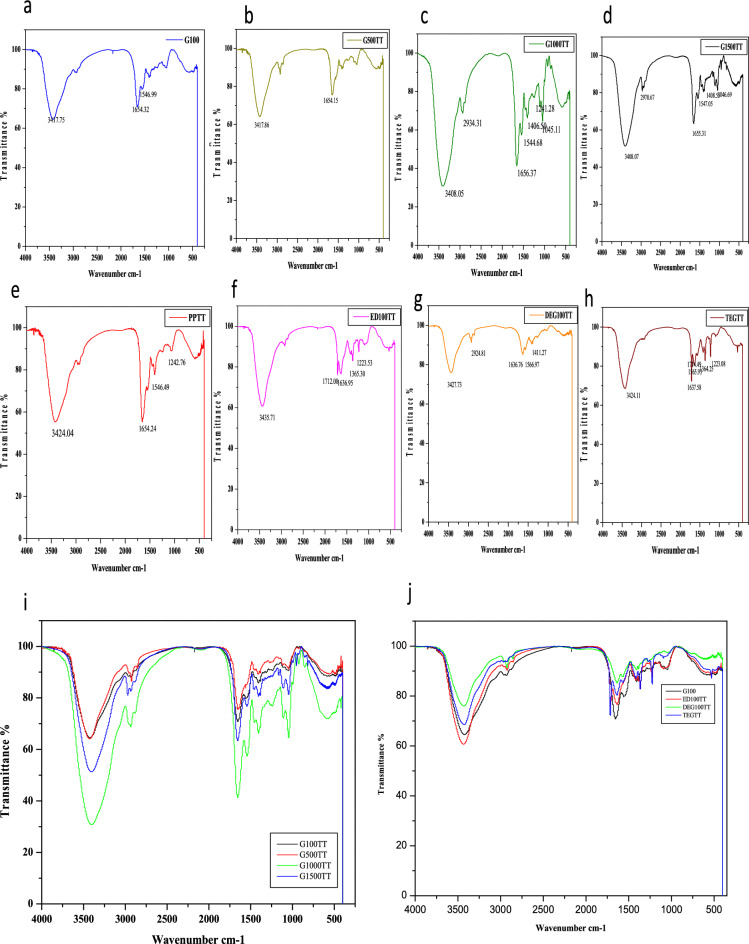
Since their invention, conventional plastics have contributed in the betterment of the society in numerous ways, nevertheless their deleterious impacts on the natural ecosystems and living creatures is irrefutable. The management of plastic waste generated is a concern worldwide and therefore quest for the plastic alternates or bioplastics is imminent. Here, we explore the suitability of keratin from human hair waste as the candidate for the production of bioplastic films. Keratin extracted from hair was used to form the films or 'kertics' by solution casting and curing. Ethanediol, di-ethylene glycol and tri-ethylene glycol were used as novel plasticizers along with glycerol in the keratin film formation. The film prepared were of the thickness 190-220 µm with the area of about 4.54 ± 0.2 cm. Water uptake by G100, ED100, DEG100 and TEG100 films was recorded to be 4.8, 6.2, 4.9 and 6.3% respectively. FESEM analysis revealed that the films with 100 µl of 1% glycerol (G100) had continuous surface morphology except few pits of 0.1 µm, also DEG100 and TEG100 films have the most uniform surface morphology with no evident pits, holes or bulges. X-ray diffractogram showed characteristic peak of keratin at 19.5° and the d-spacing value observed was 0.45 nm. The FTIR studies suggested that the films retained keratin in non degraded form, and possessed the characteristic Amide peaks. The films were also found to be biodegradable in studies involving keratinophilic fungal strain of A. oryzae. These films could found potential applications in packaging industry, disposable items manufacturing and biomaterial generation.
自发明以来,传统塑料在许多方面都促进了社会的进步,但它们对自然生态系统和生物的有害影响是不可否认的。塑料废物的管理是一个全球性的关注点,因此对塑料替代品或生物塑料的探索迫在眉睫。在这里,我们探讨了从人类毛发废物中提取的角蛋白作为生物塑料薄膜生产的候选材料的适用性。从头发中提取的角蛋白通过溶液浇铸和固化形成薄膜或“kertics”。乙二醇、二甘醇和三甘醇与甘油一起被用作新型增塑剂,用于角蛋白薄膜的形成。所制备的薄膜厚度为 190-220 µm,面积约为 4.54 ± 0.2 cm。记录了 G100、ED100、DEG100 和 TEG100 薄膜的吸水率分别为 4.8%、6.2%、4.9%和 6.3%。FESEM 分析表明,含有 100 µl 1%甘油(G100)的薄膜具有连续的表面形貌,除了少数 0.1 µm 的凹坑外,DEG100 和 TEG100 薄膜也具有最均匀的表面形貌,没有明显的凹坑、孔或凸起。X 射线衍射图显示角蛋白在 19.5°处有特征峰,观察到的 d 间距值为 0.45 nm。FTIR 研究表明,薄膜以非降解形式保留了角蛋白,并具有特征酰胺峰。在涉及嗜角质真菌菌株 A. oryzae 的研究中,还发现这些薄膜具有生物降解性。这些薄膜在包装工业、一次性物品制造和生物材料生产方面具有潜在的应用前景。