Adhiya Jigar, Barghi Behrad, Azadeh-Fard Nasibeh
Industrial and Systems Engineering Department, Kate Gleason College of Engineering, Rochester Institute of Technology (RIT), Rochester, NY, United States.
Front Artif Intell. 2024 Jan 5;6:1213378. doi: 10.3389/frai.2023.1213378. eCollection 2023.
Even with modern advancements in medical care, one of the persistent challenges hospitals face is the frequent readmission of patients. These recurrent admissions not only escalate healthcare expenses but also amplify mental and emotional strain on patients.
This research delved into two primary areas: unraveling the pivotal factors causing the readmissions, specifically targeting patients who underwent dermatological treatments, and determining the optimal machine learning algorithms that can foresee potential readmissions with higher accuracy.
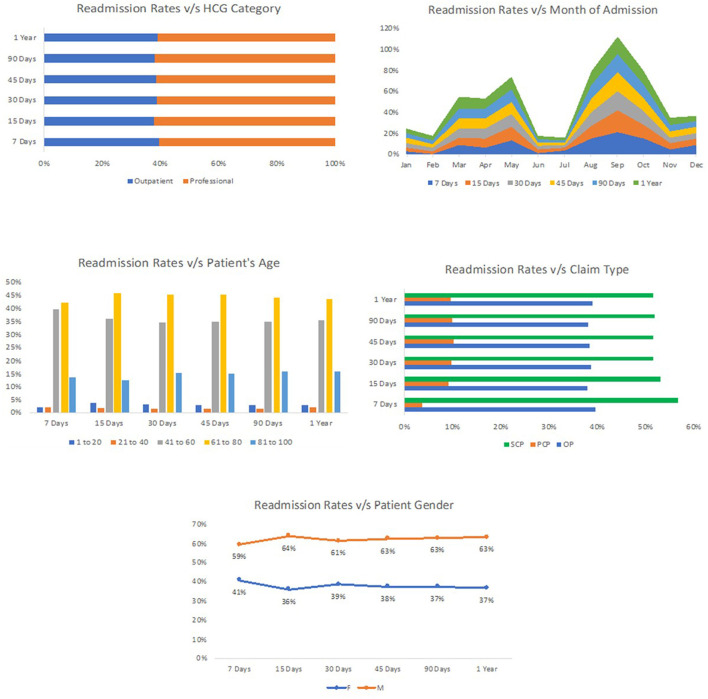
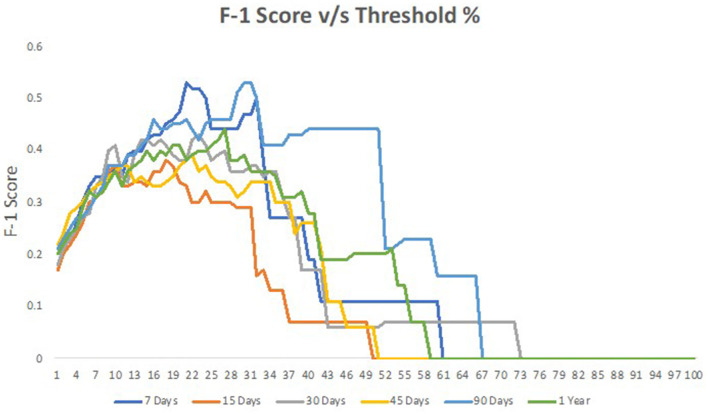
Among the multitude of algorithms tested, including logistic regression (LR), support vector machine (SVM), random forest (RF), Naïve Bayesian (NB), artificial neural network (ANN), xgboost (XG), and k-nearest neighbor (KNN), it was noted that two models-XG and RF-stood out in their prediction prowess. A closer inspection of the data brought to light certain patterns. For instance, male patients and those between the ages of 21 and 40 had a propensity to be readmitted more frequently. Moreover, the months of March and April witnessed a spike in these readmissions, with ~6% of the patients returning within just a month after their first admission.
Upon further analysis, specific determinants such as the patient's age and the specific hospital where they were treated emerged as key indicators influencing the likelihood of their readmission.
即使在现代医疗护理取得进步的情况下,医院面临的一个持续挑战仍是患者频繁再次入院。这些反复入院不仅会增加医疗费用,还会加剧患者的精神和情感压力。
本研究深入探讨了两个主要领域:剖析导致再次入院的关键因素,特别是针对接受皮肤科治疗的患者;确定能够更准确预测潜在再次入院情况的最佳机器学习算法。
在测试的众多算法中,包括逻辑回归(LR)、支持向量机(SVM)、随机森林(RF)、朴素贝叶斯(NB)、人工神经网络(ANN)、极端梯度提升(XG)和k近邻(KNN),发现XG和RF这两种模型在预测能力方面表现突出。对数据的进一步检查揭示了某些模式。例如,男性患者以及年龄在21岁至40岁之间的患者更容易再次入院。此外,3月和4月这些再次入院情况出现激增,约6%的患者在首次入院后仅一个月内就再次入院。
经过进一步分析,诸如患者年龄和接受治疗的具体医院等特定决定因素成为影响其再次入院可能性的关键指标。