Hubei Hongshan Laboratory, Wuhan, China.
Zhengzhou Tobacco Research Institute of CNTC, Zhengzhou, China.
Elife. 2024 Jan 29;13:e93517. doi: 10.7554/eLife.93517.
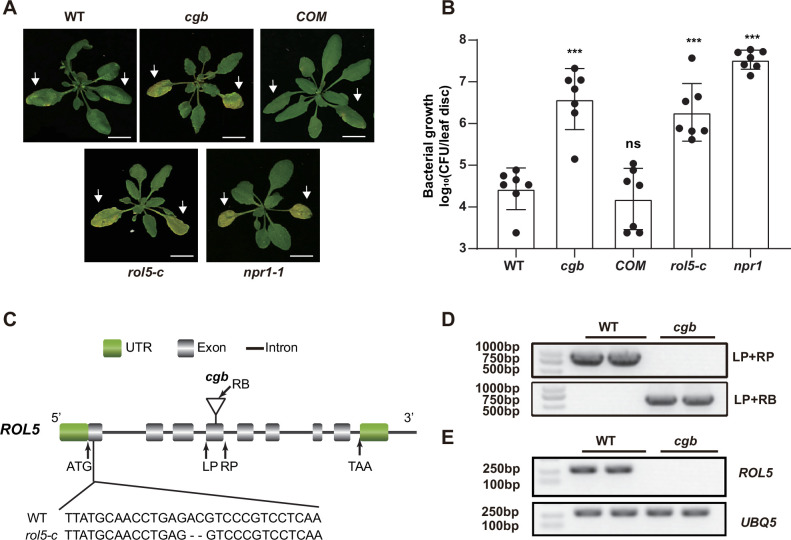
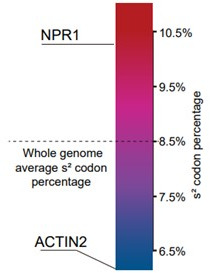
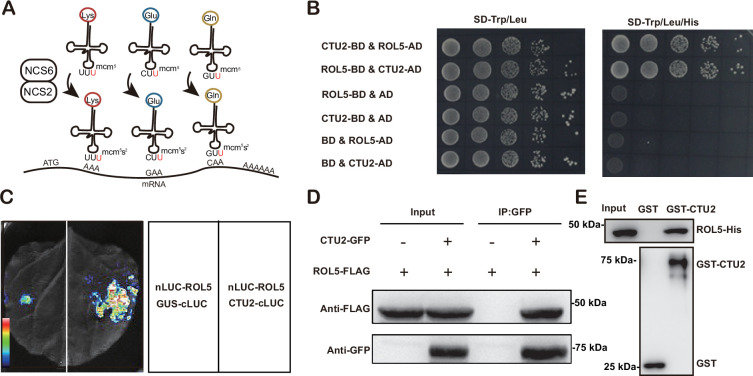
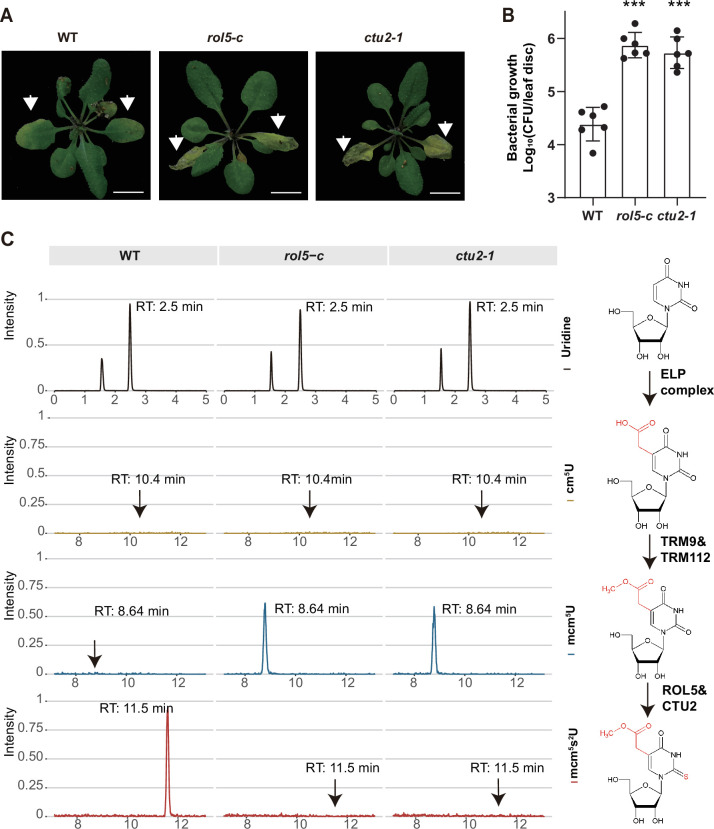
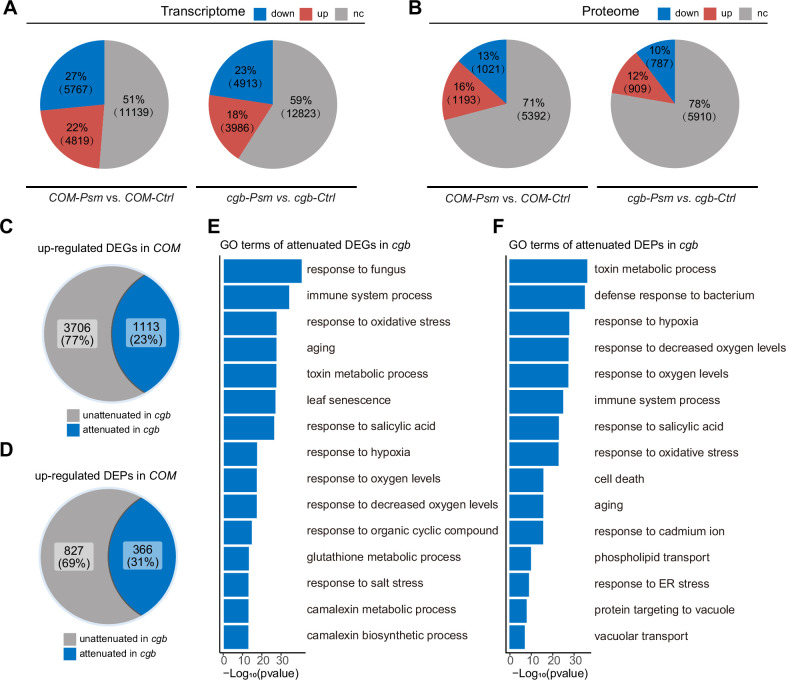
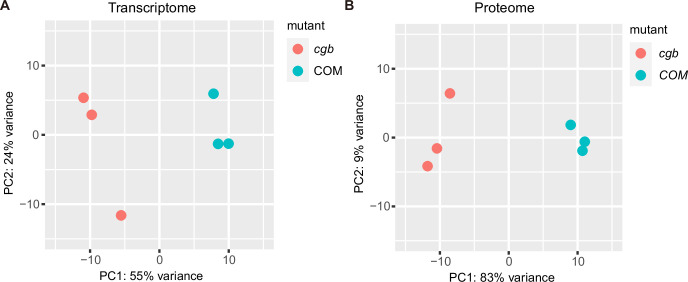
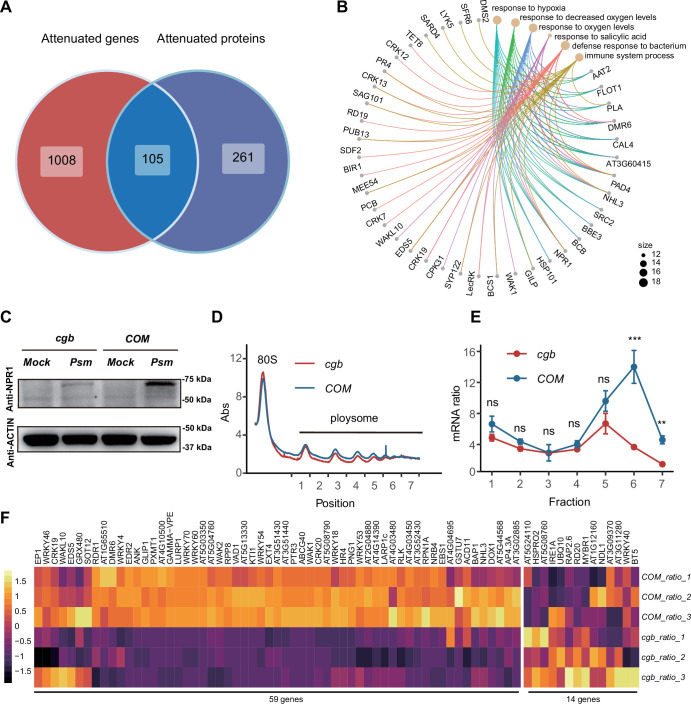
Plants have evolved sophisticated mechanisms to regulate gene expression to activate immune responses against pathogen infections. However, how the translation system contributes to plant immunity is largely unknown. The evolutionarily conserved thiolation modification of transfer RNA (tRNA) ensures efficient decoding during translation. Here, we show that tRNA thiolation is required for plant immunity in . We identify a mutant that is hyper-susceptible to the pathogen encodes ROL5, a homolog of yeast NCS6 required for tRNA thiolation. ROL5 physically interacts with CTU2, a homolog of yeast NCS2. Mutations in either or result in loss of tRNA thiolation. Further analyses reveal that both transcriptome and proteome reprogramming during immune responses are compromised in . Notably, the translation of salicylic acid receptor NPR1 is reduced in , resulting in compromised salicylic acid signaling. Our study not only reveals a regulatory mechanism for plant immunity but also uncovers an additional biological function of tRNA thiolation.
植物已经进化出了复杂的机制来调节基因表达,以激活针对病原体感染的免疫反应。然而,翻译系统如何促进植物免疫在很大程度上仍是未知的。转移 RNA(tRNA)的进化上保守的硫醇化修饰确保了翻译过程中的高效解码。在这里,我们表明 tRNA 硫醇化对于 中的植物免疫是必需的。我们鉴定了一个 突变体,该突变体对病原体 高度敏感,该基因编码 ROL5,它是酵母 NCS6 的同源物,后者是 tRNA 硫醇化所必需的。ROL5 与 CTU2 发生物理相互作用,后者是酵母 NCS2 的同源物。 或 中的突变导致 tRNA 硫醇化的缺失。进一步的分析表明,在免疫反应过程中,转录组和蛋白质组的重编程都受到了损害。值得注意的是, 在 中,水杨酸受体 NPR1 的翻译减少,导致水杨酸信号受损。我们的研究不仅揭示了植物免疫的调节机制,还揭示了 tRNA 硫醇化的另一个生物学功能。