Department of Neurology, Tongji Hospital, Tongji Medical College, Huazhong University of Science and Technology, Wuhan 430030, China.
Hubei Key Laboratory of Neural Injury and Functional Reconstruction, Huazhong University of Science and Technology, Wuhan 430030, China.
Proc Natl Acad Sci U S A. 2024 Feb 6;121(6):e2315990121. doi: 10.1073/pnas.2315990121. Epub 2024 Jan 30.
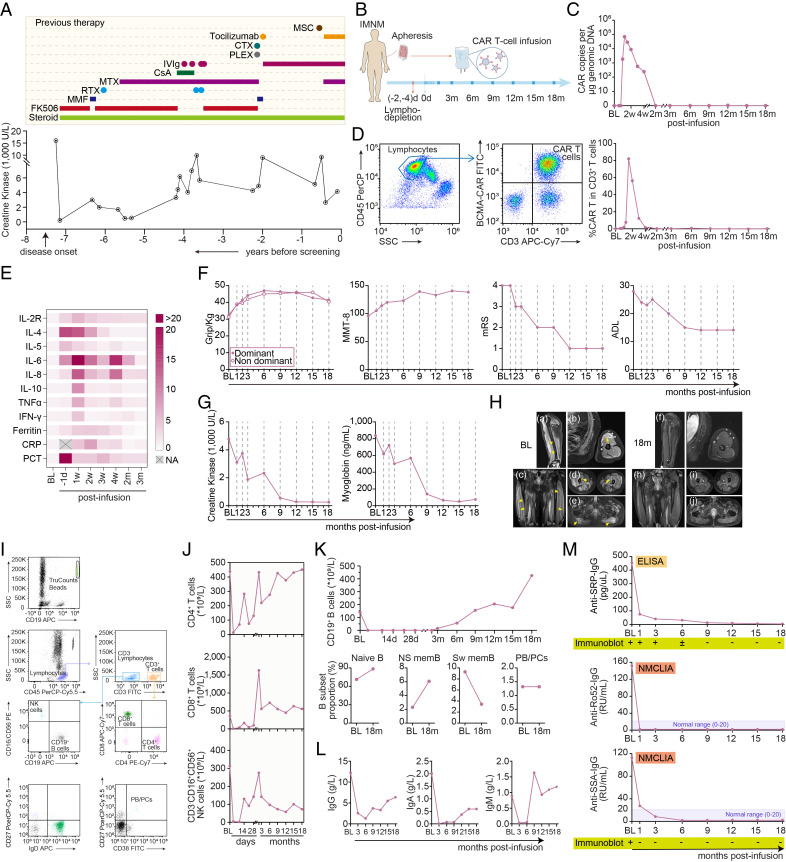
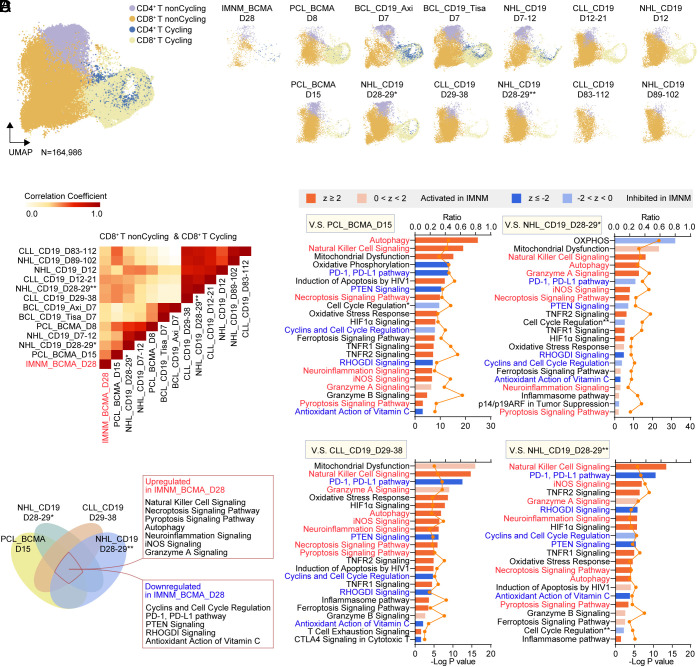
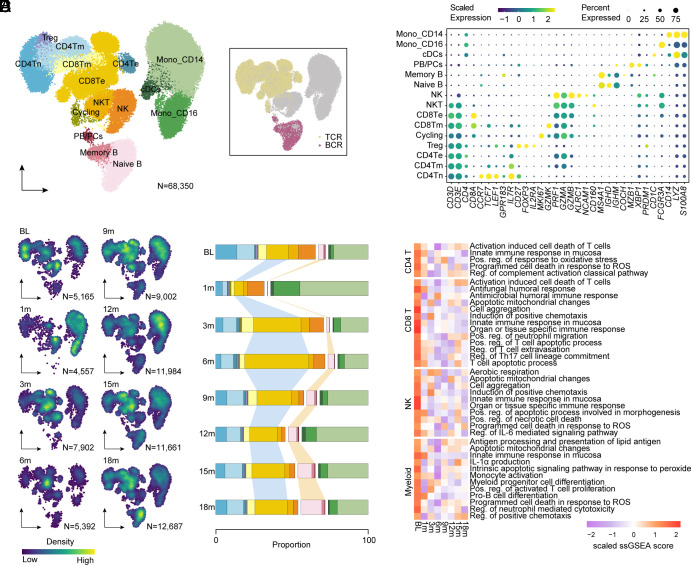
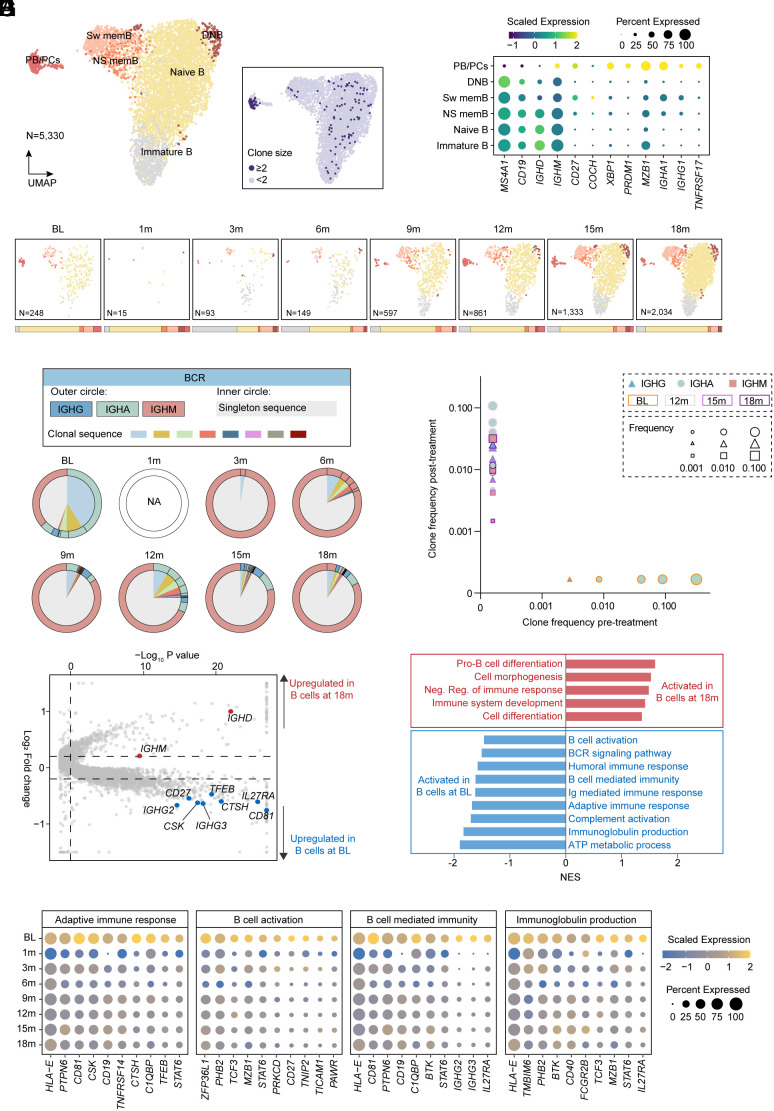
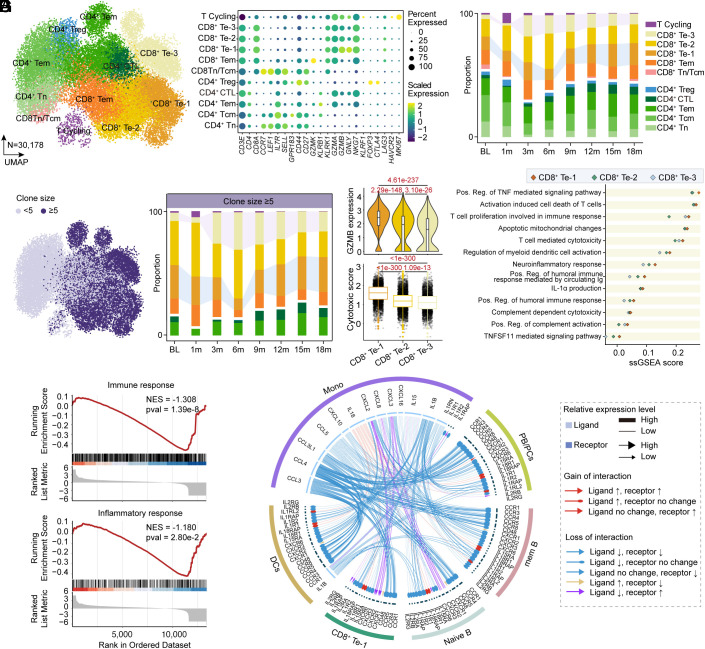
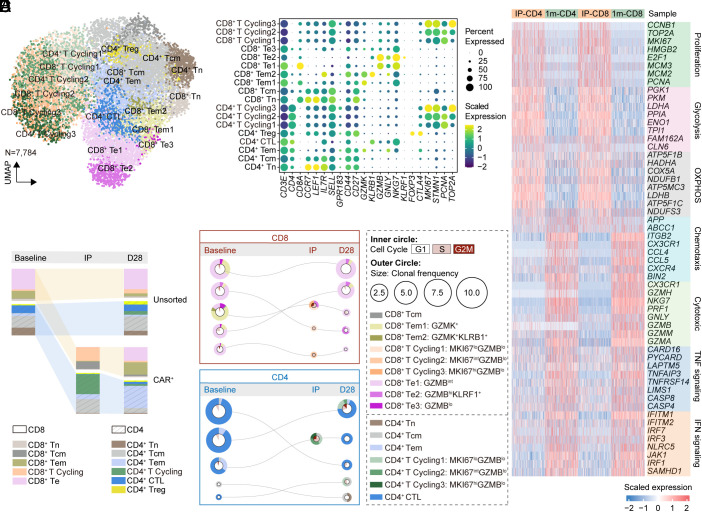
Immune-mediated necrotizing myopathy (IMNM) is an autoimmune disorder associated with the presence of autoantibodies, characterized by severe clinical presentation with rapidly progressive muscular weakness and elevated levels of creatine kinase, while traditional pharmacological approaches possess varying and often limited effects. Considering the pathogenic role of autoantibodies, chimeric antigen receptor (CAR)-T cells targeting B cell maturation antigen (BCMA) have emerged as a promising therapeutic strategy. We reported here a patient with anti-signal recognition particle IMNM refractory to multiple available therapies, who was treated with BCMA-targeting CAR-T cells, exhibited favorable safety profiles, sustained reduction in pathogenic autoantibodies, and persistent clinical improvements over 18 mo. Longitudinal single-cell RNA, B cell receptor, T cell receptor sequencing analysis presented the normalization of immune microenvironment after CAR-T cell infusion, including reconstitution of B cell lineages, replacement of T cell subclusters, and suppression of overactivated immune cells. Analysis on characteristics of CAR-T cells in IMNM demonstrated a more active expansion of CD8 CAR-T cells, with a dynamic phenotype shifting pattern similar in CD4 and CD8 CAR-T cells. A comparison of CD8 CAR-T cells in patients with IMNM and those with malignancies collected at different timepoints revealed a more NK-like phenotype with enhanced tendency of cell death and neuroinflammation and inhibited proliferating ability of CD8 CAR-T cells in IMNM while neuroinflammation might be the distinct characteristics. Further studies are warranted to define the molecular features of CAR-T cells in autoimmunity and to seek higher efficiency and longer persistence of CAR-T cells in treating autoimmune disorders.
免疫介导的坏死性肌病(IMNM)是一种与自身抗体存在相关的自身免疫性疾病,其特征是严重的临床症状,表现为迅速进展的肌肉无力和肌酸激酶水平升高,而传统的药物治疗方法效果各异,且往往有限。鉴于自身抗体的致病作用,靶向 B 细胞成熟抗原(BCMA)的嵌合抗原受体(CAR)-T 细胞已成为一种有前途的治疗策略。我们在此报告了一例抗信号识别颗粒 IMNM 患者,该患者对多种现有治疗方法均无反应,接受了 BCMA 靶向 CAR-T 细胞治疗,表现出良好的安全性特征,致病性自身抗体持续减少,并且在 18 个月的时间里持续临床改善。纵向单细胞 RNA、B 细胞受体、T 细胞受体测序分析显示,CAR-T 细胞输注后免疫微环境得到正常化,包括 B 细胞谱系的重建、T 细胞亚群的替代以及过度激活的免疫细胞的抑制。对 IMNM 中 CAR-T 细胞特征的分析表明,CD8 CAR-T 细胞的扩增更为活跃,其表型动态变化模式与 CD4 和 CD8 CAR-T 细胞相似。对 IMNM 患者和不同时间点收集的恶性肿瘤患者的 CD8 CAR-T 细胞进行比较,发现 IMNM 中 CD8 CAR-T 细胞具有更类似于 NK 的表型,具有增强的细胞死亡和神经炎症趋势,以及抑制 CD8 CAR-T 细胞增殖的能力,而神经炎症可能是其独特的特征。需要进一步的研究来确定自身免疫中 CAR-T 细胞的分子特征,并寻求在治疗自身免疫性疾病时提高 CAR-T 细胞的效率和持久性。