Wang Zelong, Jiang Dongmei, Wang Xin, Jiang Yilong, Sun Qian, Ling Weikang, An Xiaoguang, Ji Chengweng, Li Shuo, Qi Yuxin, Kang Bo
State Key Laboratory of Swine and Poultry Breeding Industry, Farm Animal Genetic Resource Exploration and Innovation Key Laboratory of Sichuan Province, College of Animal Science and Technology, Sichuan Agricultural University, Chengdu, China.
Front Microbiol. 2024 Jan 16;14:1292984. doi: 10.3389/fmicb.2023.1292984. eCollection 2023.
Intestinal health is very important to the health of livestock and poultry, and is even a major determining factor in the performance of livestock and poultry production. Spermidine is a type of polyamine that is commonly found in a variety of foods, and can resist oxidative stress, promote cell proliferation and regulate intestinal flora.
In this study, we explored the effects of spermidine on intestinal health under physiological states or oxidative stress conditions by irrigation with spermidine and intraperitoneal injection of 3-Nitropropionic acid (3-NPA) in Sichuan white goose.
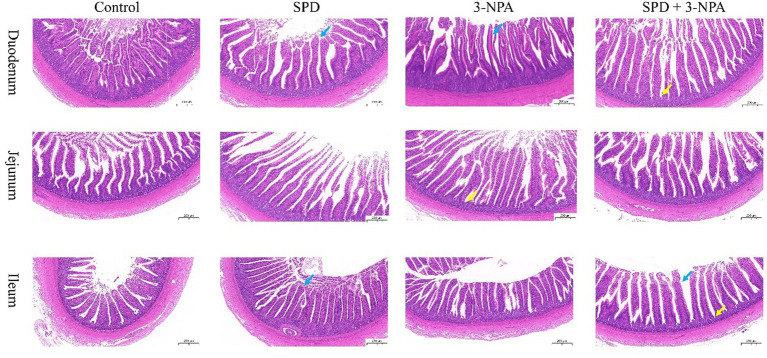
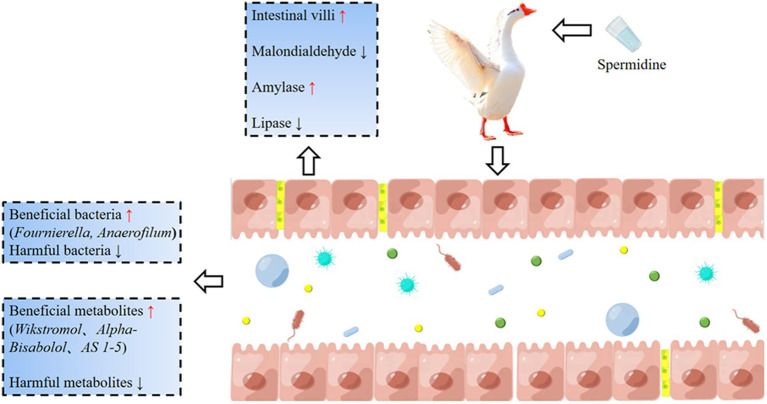
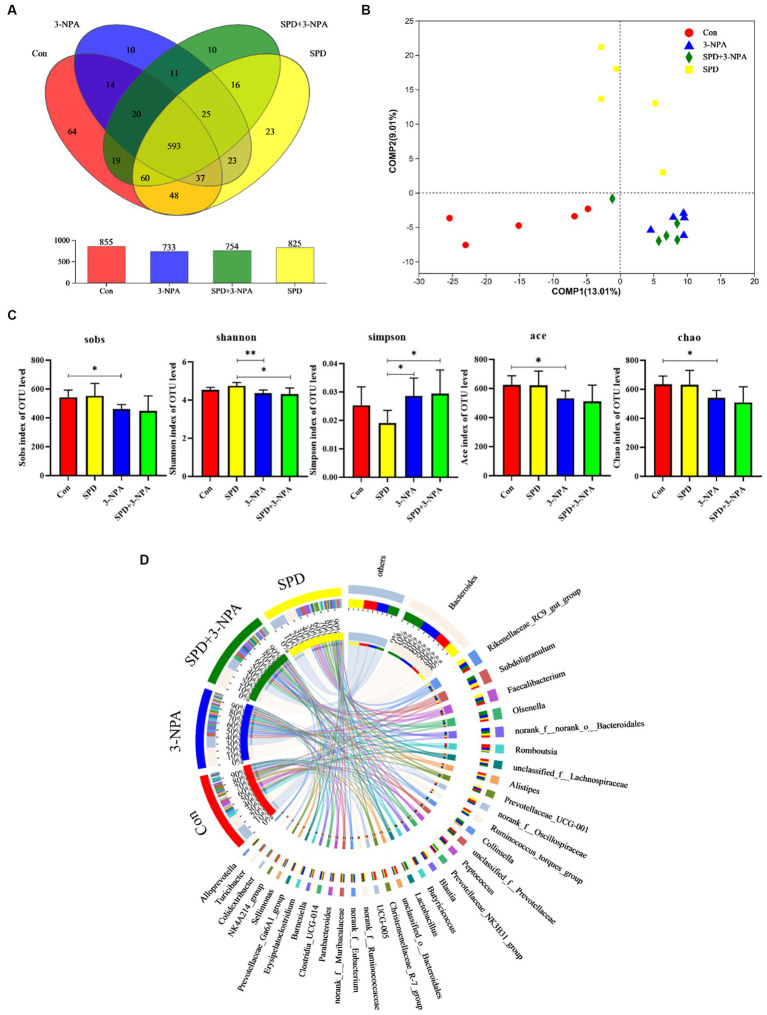
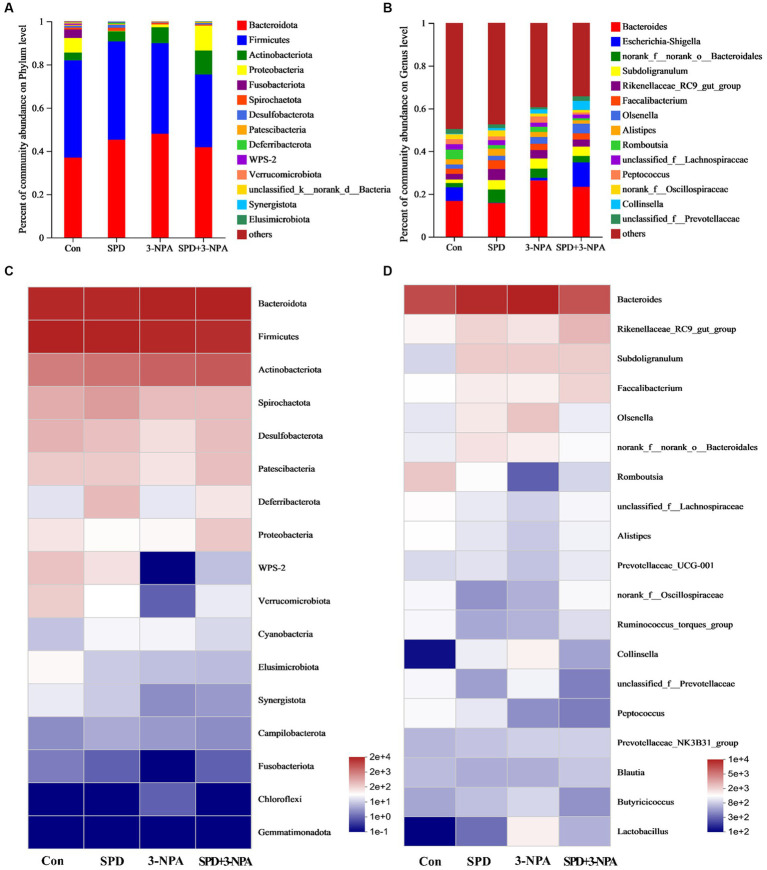
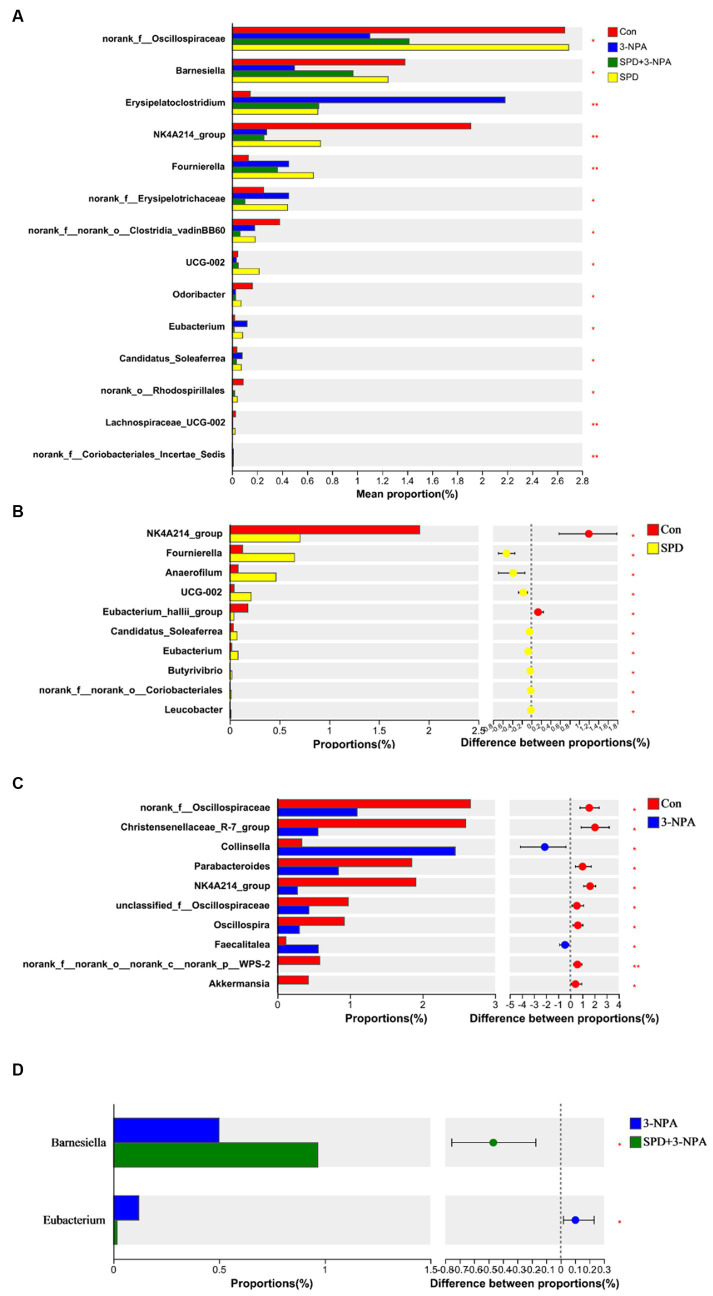
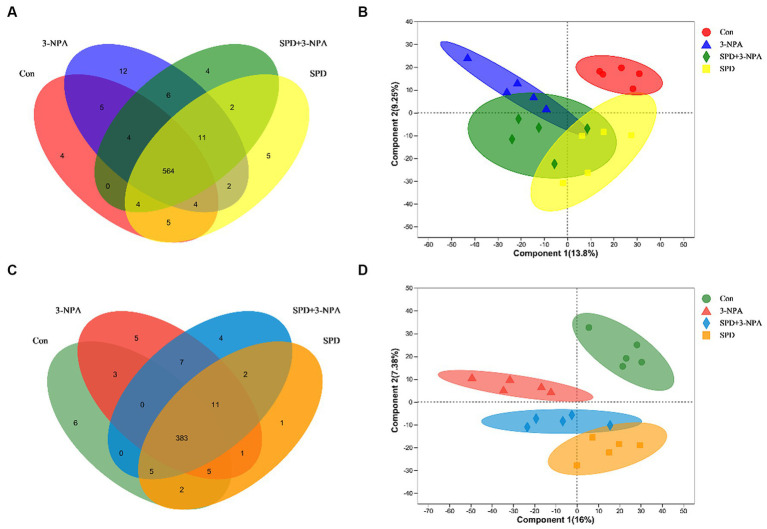
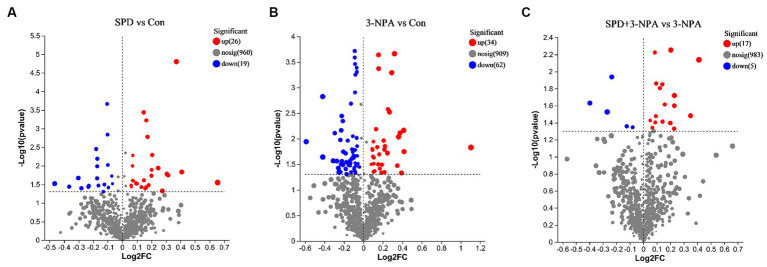
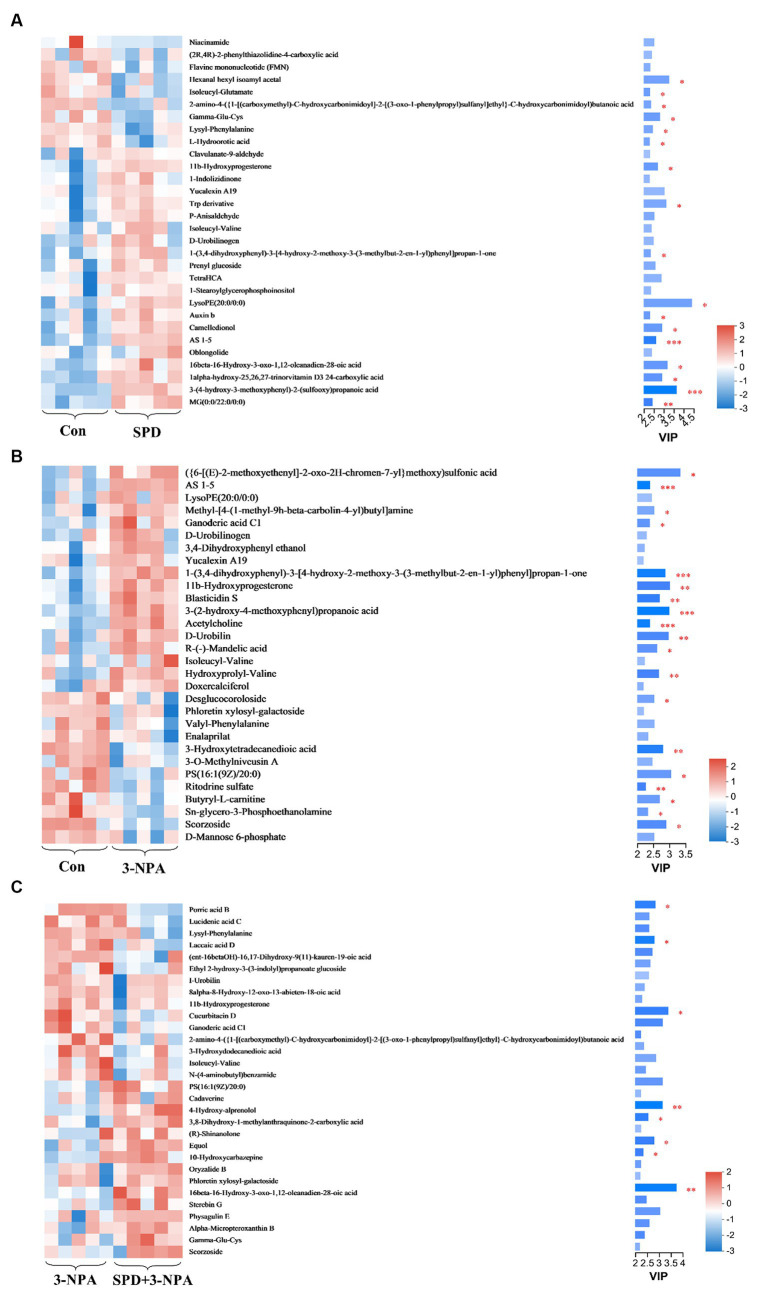
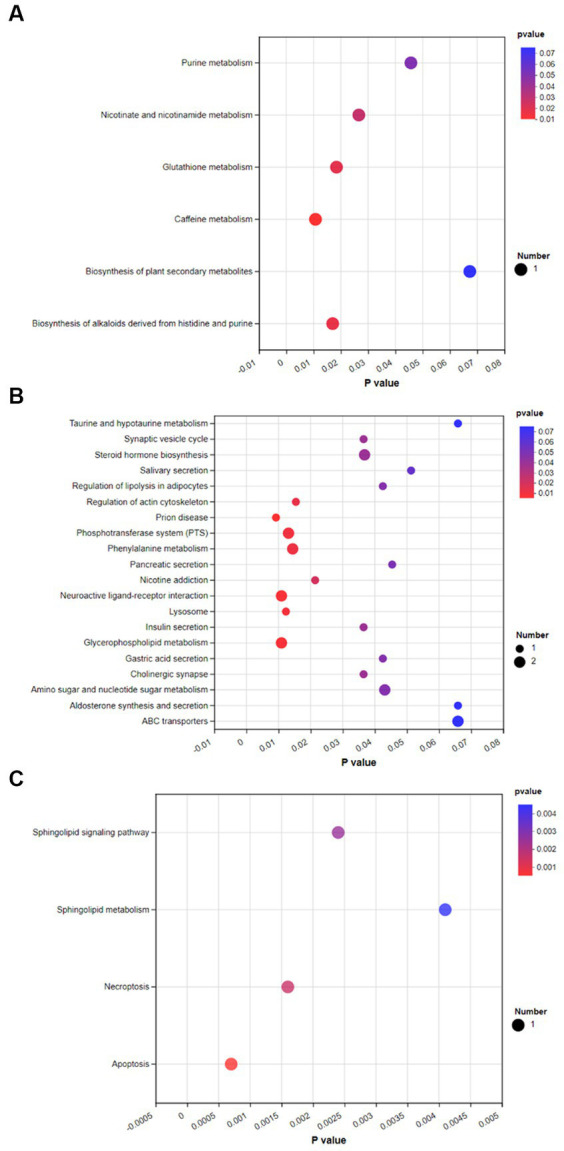
Our results showed that spermidine could increase the ratio of intestinal villus to crypt and improve intestinal morphology. In addition, spermidine can also reduce malondialdehyde (MDA) accumulation caused by 3-NPA by increasing superoxide dismutase (SOD), catalase (CAT), and glutathione peroxidase (GPX) enzyme activity, thus alleviating intestinal damage. Furthermore, spermidine can regulate intestinal digestive enzyme activities and affect intestinal digestion and absorption ability. Spermidine can also promote an increase in intestinal microbial diversity and abundance and alleviate the change of microflora structure caused by 3-NPA. In conclusion, spermidine promotes the production of beneficial intestinal metabolites such as , and , thus improving the level of intestinal health. Taken together, these results indicate that spermidine can improve intestinal health by improving intestinal morphology, increasing antioxidant capacity and regulating intestinal flora structure.
肠道健康对畜禽健康非常重要,甚至是畜禽生产性能的主要决定因素。亚精胺是一种常见于多种食物中的多胺,具有抗氧化应激、促进细胞增殖和调节肠道菌群的作用。
本研究通过对四川白鹅灌喂亚精胺和腹腔注射3-硝基丙酸(3-NPA),探讨亚精胺在生理状态或氧化应激条件下对肠道健康的影响。
结果表明,亚精胺可增加肠道绒毛与隐窝比值,改善肠道形态。此外,亚精胺还可通过提高超氧化物歧化酶(SOD)、过氧化氢酶(CAT)和谷胱甘肽过氧化物酶(GPX)的酶活性,减少3-NPA引起的丙二醛(MDA)积累,从而减轻肠道损伤。此外,亚精胺可调节肠道消化酶活性,影响肠道消化吸收能力。亚精胺还可促进肠道微生物多样性和丰度增加,缓解3-NPA引起的微生物群落结构变化。总之,亚精胺可促进肠道有益代谢产物如 、 和 的产生,从而提高肠道健康水平。综上所述,这些结果表明亚精胺可通过改善肠道形态、提高抗氧化能力和调节肠道菌群结构来改善肠道健康。