Webb-Robertson Bobbie-Jo M, Nakayasu Ernesto S, Dong Fran, Waugh Kathy C, Flores Javier E, Bramer Lisa M, Schepmoes Athena A, Gao Yuqian, Fillmore Thomas L, Onengut-Gumuscu Suna, Frazer-Abel Ashley, Rich Stephen S, Holers V Michael, Metz Thomas O, Rewers Marian J
Biological Sciences Division, Pacific Northwest National Laboratory, Richland, WA, USA.
Colorado School of Public Health, University of Colorado Anschutz Medical Campus, Aurora, CO, USA.
iScience. 2023 Dec 20;27(2):108769. doi: 10.1016/j.isci.2023.108769. eCollection 2024 Feb 16.
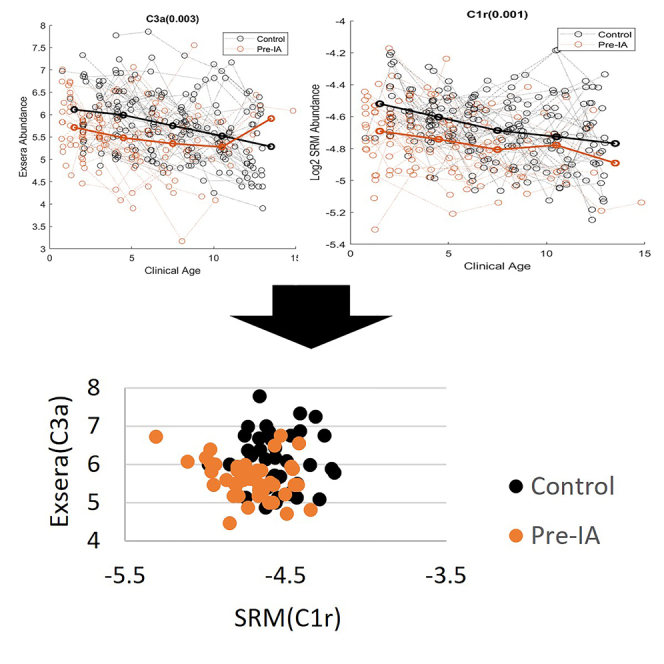
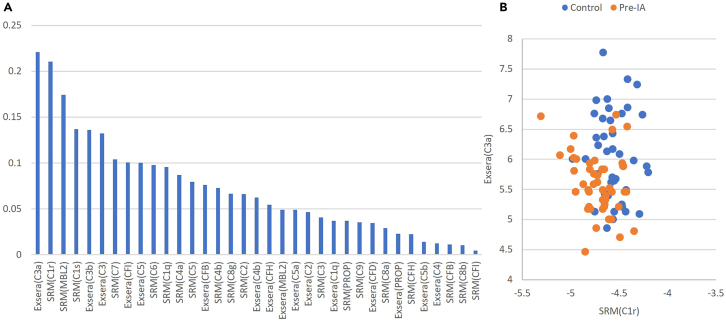
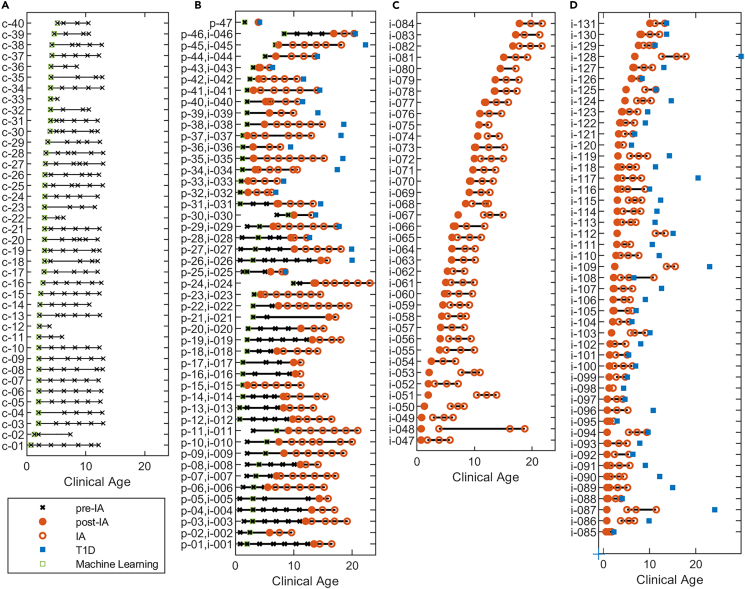
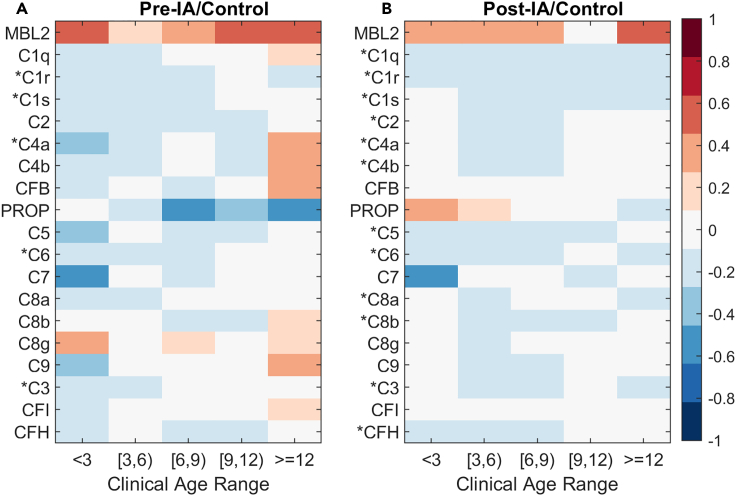
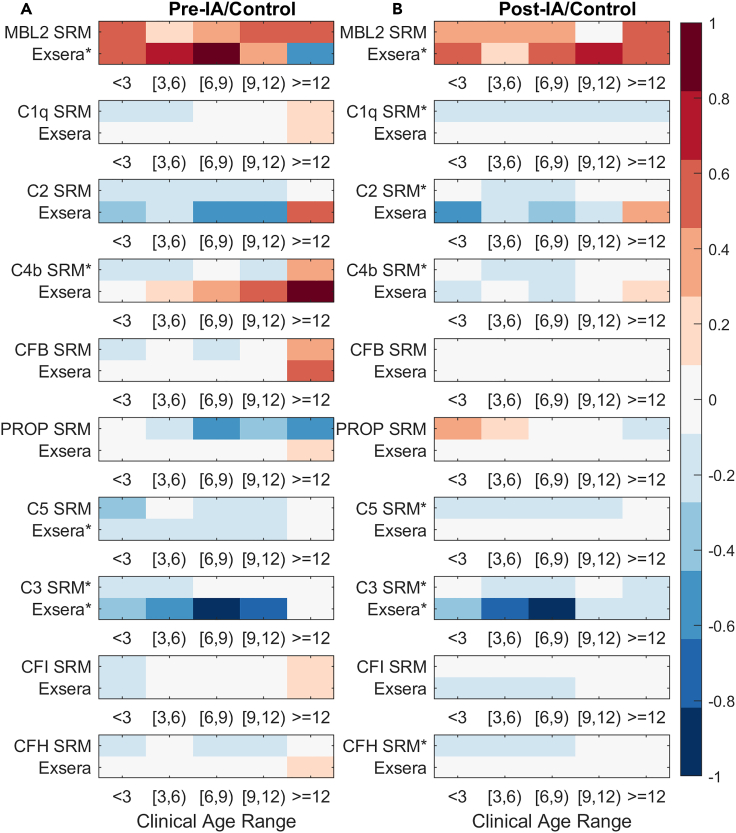
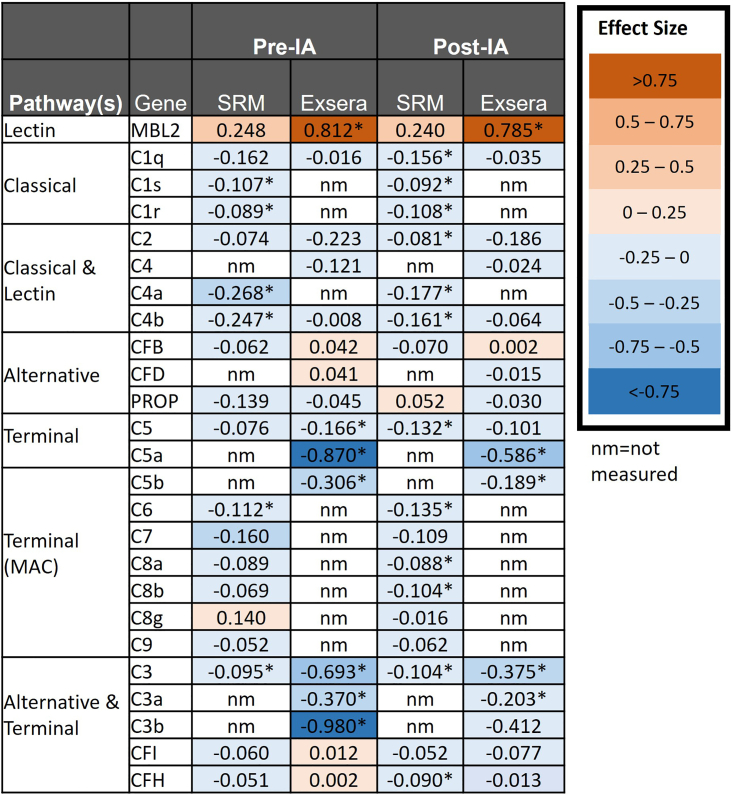
Type 1 diabetes (T1D) is a chronic condition caused by autoimmune destruction of the insulin-producing pancreatic β cells. While it is known that gene-environment interactions play a key role in triggering the autoimmune process leading to T1D, the pathogenic mechanism leading to the appearance of islet autoantibodies-biomarkers of autoimmunity-is poorly understood. Here we show that disruption of the complement system precedes the detection of islet autoantibodies and persists through disease onset. Our results suggest that children who exhibit islet autoimmunity and progress to clinical T1D have lower complement protein levels relative to those who do not progress within a similar time frame. Thus, the complement pathway, an understudied mechanistic and therapeutic target in T1D, merits increased attention for use as protein biomarkers of prediction and potentially prevention of T1D.
1型糖尿病(T1D)是一种由胰岛素生成胰腺β细胞的自身免疫性破坏所导致的慢性疾病。虽然已知基因-环境相互作用在引发导致T1D的自身免疫过程中起关键作用,但导致胰岛自身抗体(自身免疫的生物标志物)出现的致病机制却知之甚少。在此我们表明,补体系统的破坏先于胰岛自身抗体的检测出现,并持续至疾病发作。我们的结果表明,与在相似时间内未进展的儿童相比,表现出胰岛自身免疫并进展为临床T1D的儿童补体蛋白水平较低。因此,补体途径作为T1D中一个研究不足的机制和治疗靶点,值得更多关注,可用作预测和潜在预防T1D的蛋白质生物标志物。