University of Plymouth, Plymouth, PL4 6ABDevon, UK.
British Dietetic Association, Birmingham, UK.
Br J Nutr. 2024 May 28;131(10):1754-1773. doi: 10.1017/S0007114524000291. Epub 2024 Feb 2.
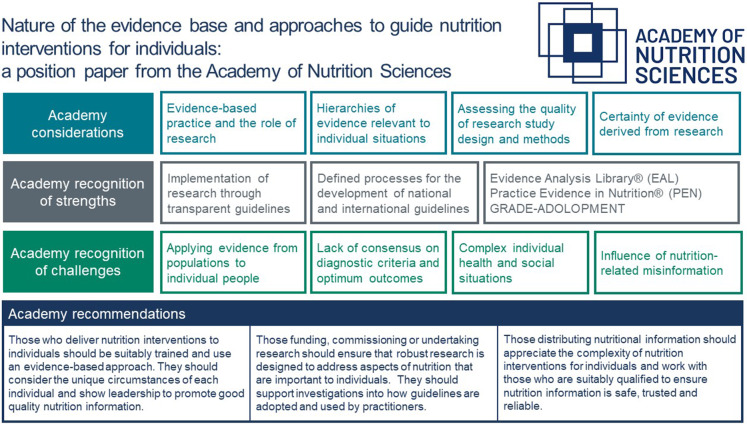
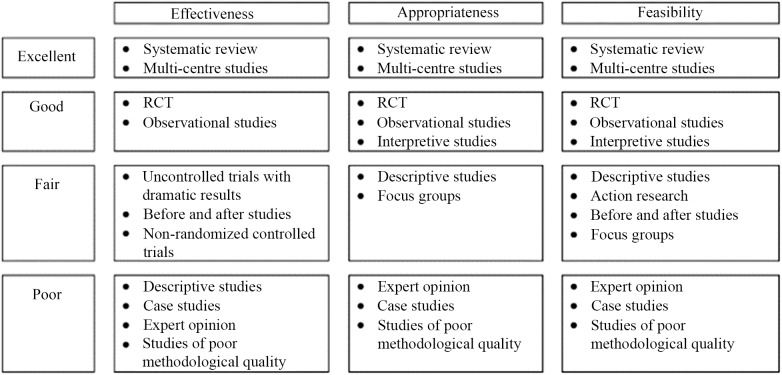
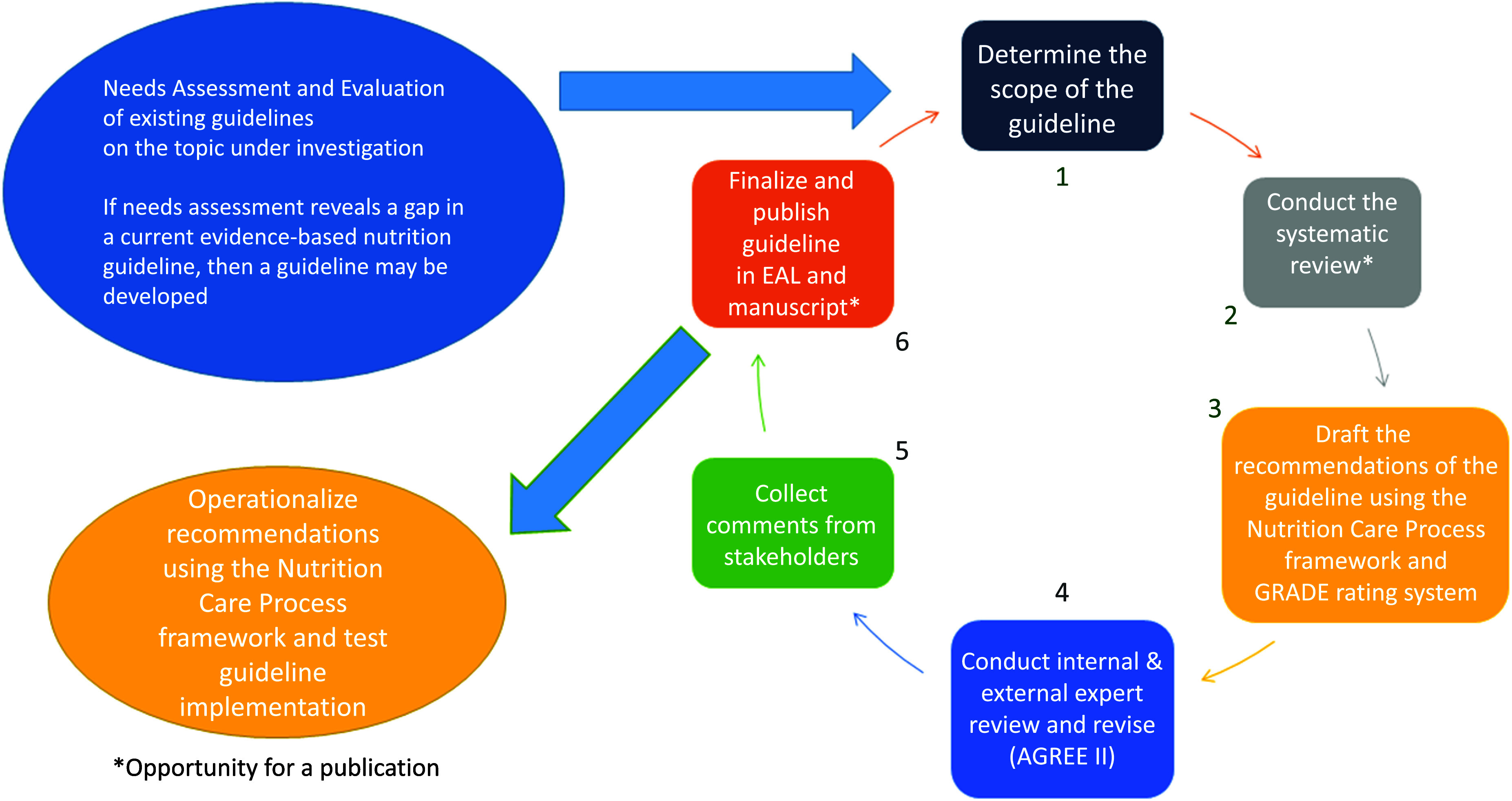
This Position Paper from the Academy of Nutrition Sciences is the third in a series which describe the nature of the scientific evidence and frameworks that underpin nutrition recommendations for health. This paper focuses on evidence which guides the application of dietary recommendations for individuals. In some situations, modified nutrient intake becomes essential to prevent deficiency, optimise development and health, or manage symptoms and disease progression. Disease and its treatment can also affect taste, appetite and ability to access and prepare foods, with associated financial impacts. Therefore, the practice of nutrition and dietetics must integrate and apply the sciences of food, nutrition, biology, physiology, behaviour, management, communication and society to achieve and maintain human health. Thus, there is huge complexity in delivering evidence-based nutrition interventions to individuals. This paper examines available frameworks for appraising the quality and certainty of nutrition research evidence, the development nutrition practice guidelines to support evidence implementation in practice and the influence of other sources of nutrition information and misinformation. The paper also considers major challenges in applying research evidence to an individual and suggests consensus recommendations to begin to address these challenges in the future. Our recommendations target three groups; those who deliver nutrition interventions to individuals, those funding, commissioning or undertaking research aimed at delivering evidence-based nutrition practice, and those disseminating nutritional information to individuals.
本立场文件是营养科学学会发布的系列文件中的第三份,旨在描述支持健康相关营养建议的科学证据和框架的本质。本文重点介绍了指导个体饮食建议应用的证据。在某些情况下,需要调整营养素的摄入量,以预防营养不足、优化发育和健康,或控制症状和疾病进展。疾病及其治疗也会影响味觉、食欲以及获取和准备食物的能力,并带来相关的经济影响。因此,营养和饮食学的实践必须整合并应用食品、营养、生物学、生理学、行为、管理、沟通和社会科学,以实现和维持人类健康。因此,为个体提供循证营养干预措施存在巨大的复杂性。本文探讨了评估营养研究证据质量和确定性的现有框架,制定支持实践中证据实施的营养实践指南,以及其他营养信息和错误信息来源的影响。本文还考虑了将研究证据应用于个体时面临的主要挑战,并提出了一些共识建议,以在未来开始解决这些挑战。我们的建议针对三个群体:为个体提供营养干预措施的人、为旨在提供循证营养实践的研究提供资金、委托或进行研究的人,以及向个体传播营养信息的人。