Center for Immuno-Oncology, Center for Cancer Research, National Cancer Institute, National Institutes of Health, Bethesda, MD, USA.
Cancer Biol Ther. 2024 Dec 31;25(1):2308097. doi: 10.1080/15384047.2024.2308097. Epub 2024 Feb 2.
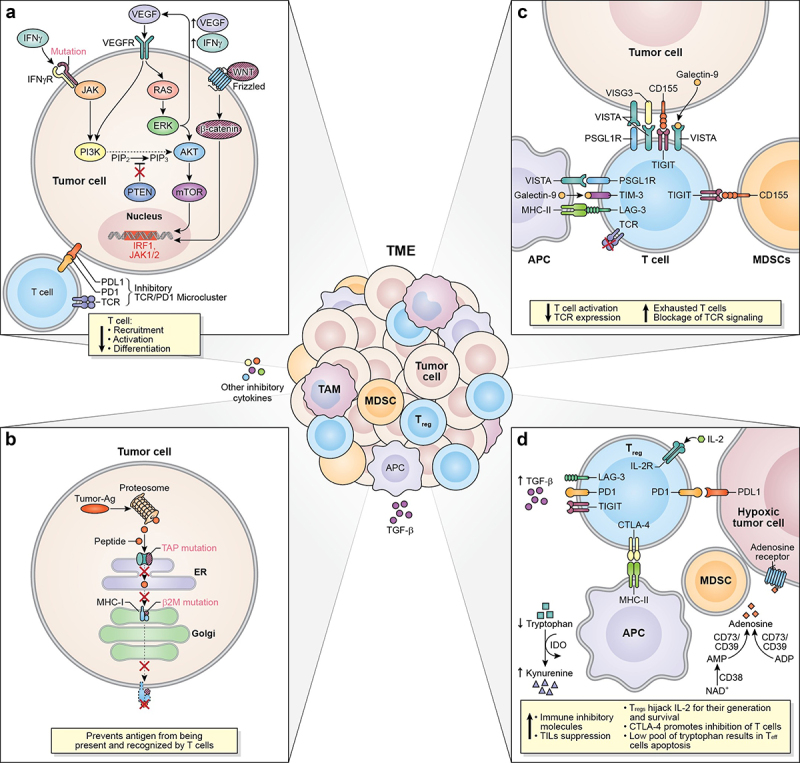
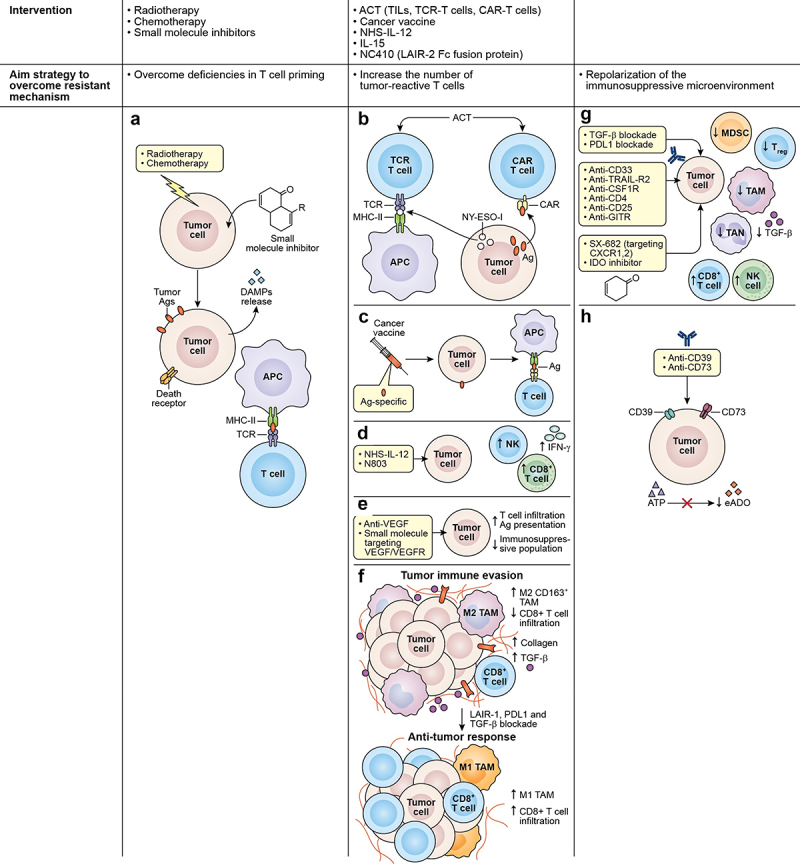
The discovery of immune checkpoints and the development of immune checkpoint inhibitors (ICI) have achieved a durable response in advanced-stage cancer patients. However, there is still a high proportion of patients who do not benefit from ICI therapy due to a lack of response when first treated (primary resistance) or detection of disease progression months after objective response is observed (acquired resistance). Here, we review the current FDA-approved ICI for the treatment of certain solid malignancies, evaluate the contrasting responses to checkpoint blockade in different cancer types, explore the known mechanisms associated with checkpoint blockade resistance (CBR), and assess current strategies in the field that seek to overcome these mechanisms. In order to improve current therapies and develop new ones, the immunotherapy field still has an unmet need in identifying other molecules that act as immune checkpoints, and uncovering other mechanisms that promote CBR.
免疫检查点的发现和免疫检查点抑制剂(ICI)的开发在晚期癌症患者中实现了持久的反应。然而,仍有相当一部分患者在首次治疗时(原发性耐药)或在观察到客观缓解后数月发现疾病进展时(获得性耐药)对 ICI 治疗无反应。在这里,我们回顾了目前 FDA 批准用于治疗某些实体恶性肿瘤的 ICI,评估了不同癌症类型对检查点阻断的反应差异,探讨了与检查点阻断耐药(CBR)相关的已知机制,并评估了目前旨在克服这些机制的领域中的策略。为了改善现有疗法并开发新疗法,免疫疗法领域仍需要识别其他作为免疫检查点的分子,并揭示其他促进 CBR 的机制。