Faculty of Medicine, Universidade Nove de Julho, São Paulo, SP, Brazil.
Department of Dermatology, Santa Casa de Misericórdia do Rio de Janeiro, Rio de Janeiro, RJ, Brazil.
An Bras Dermatol. 2024 May-Jun;99(3):327-341. doi: 10.1016/j.abd.2023.10.001. Epub 2024 Feb 2.
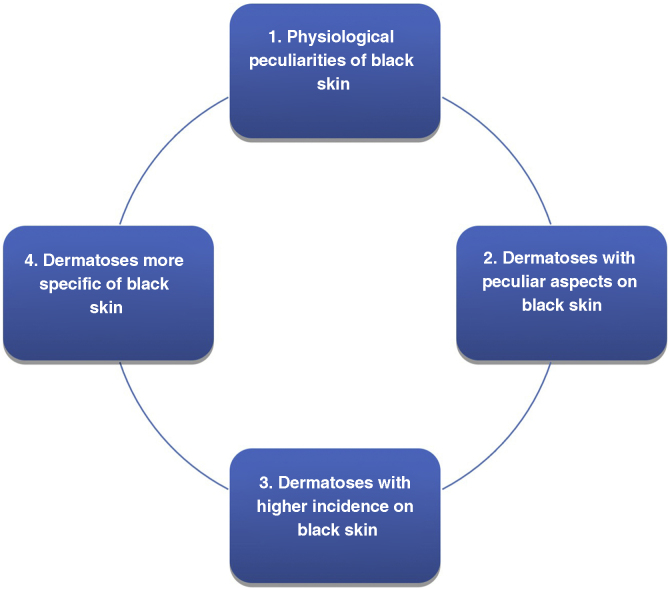
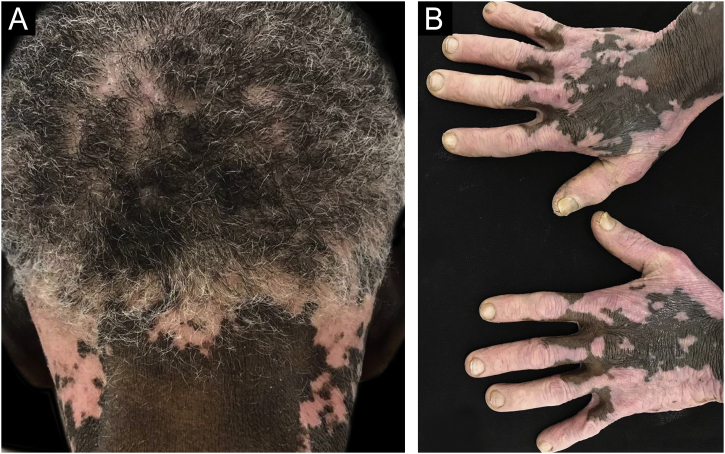
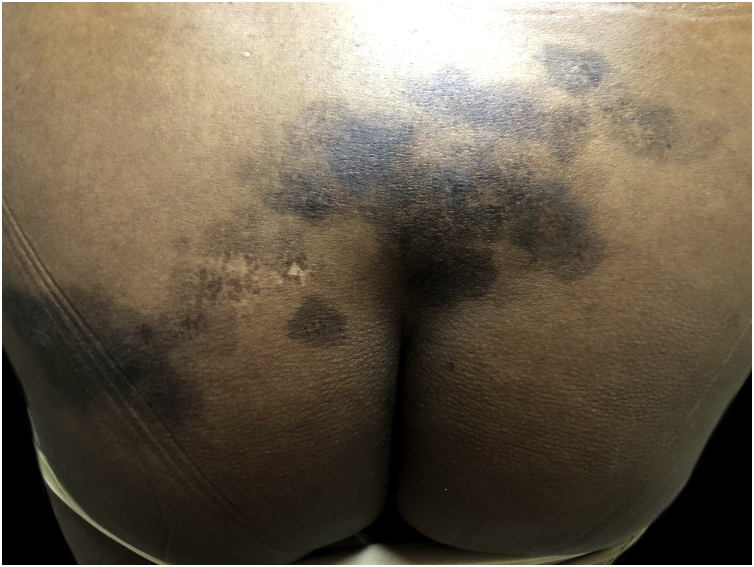
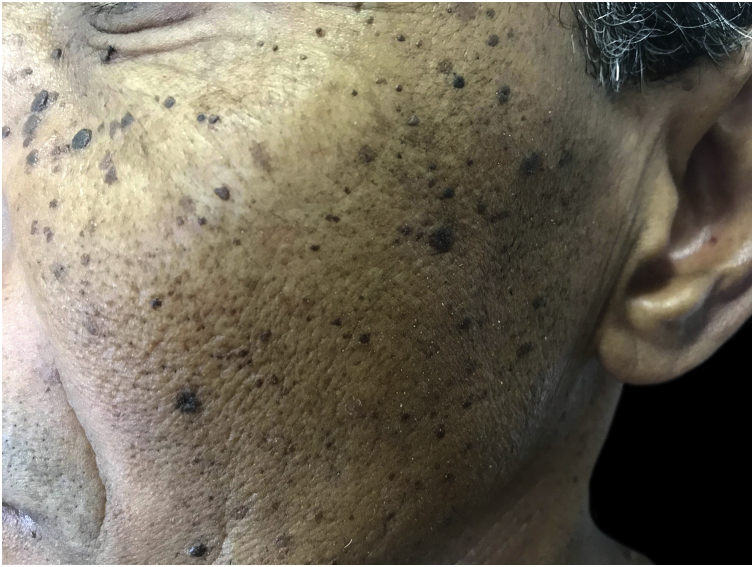
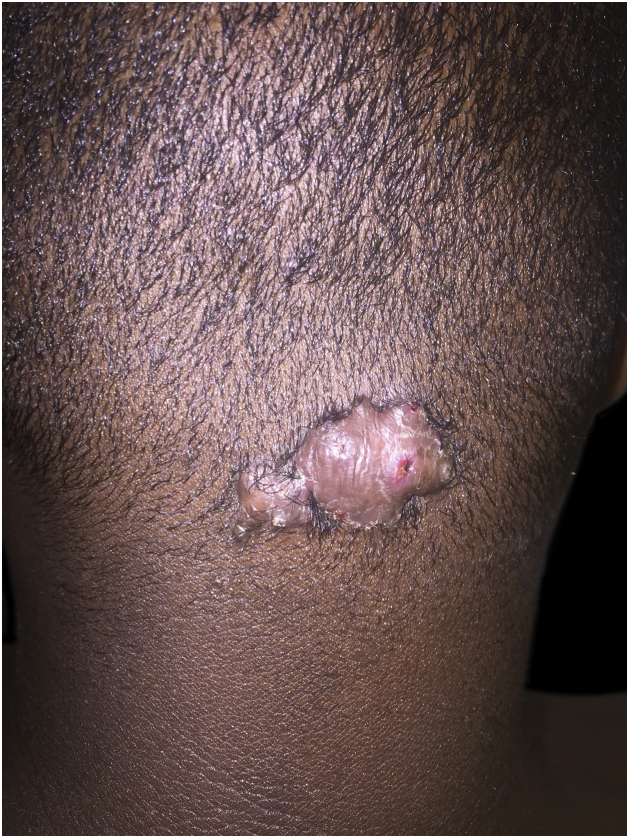
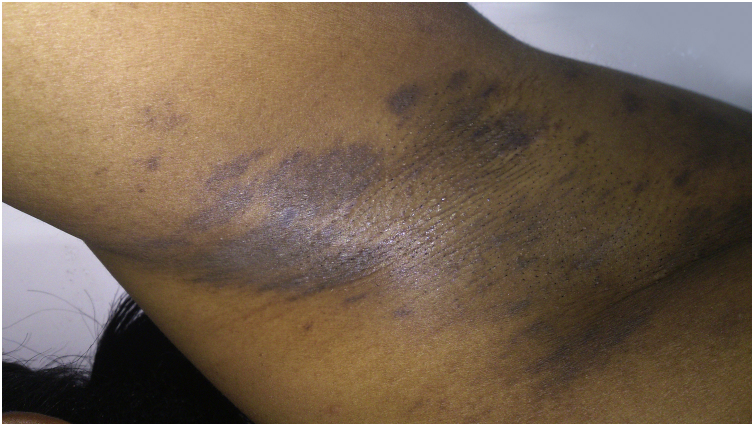
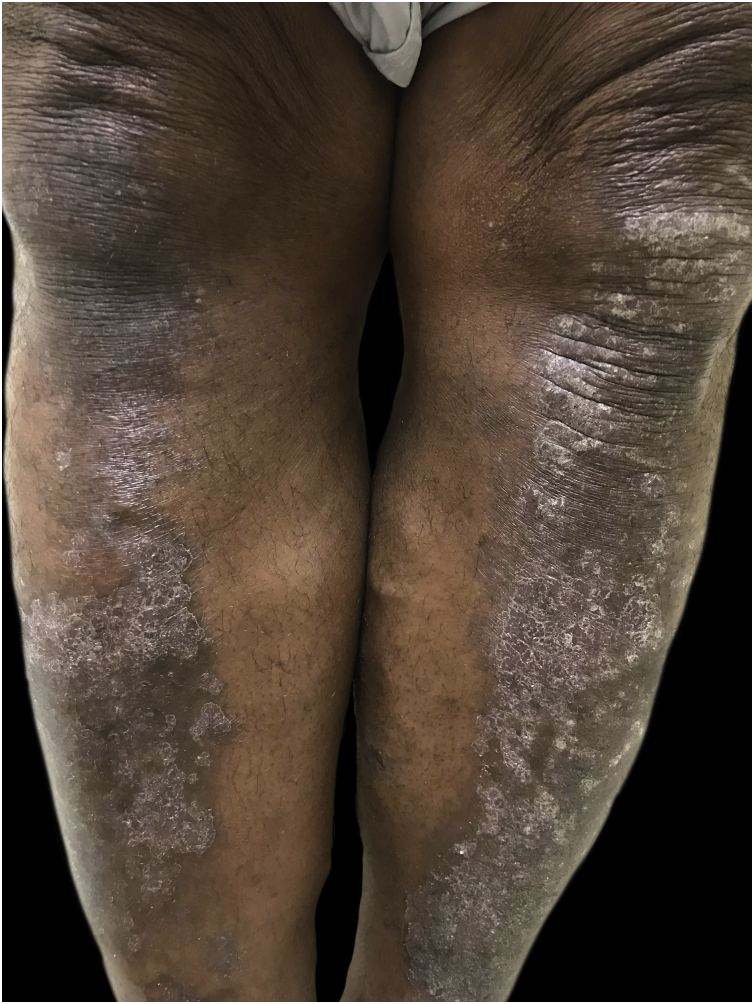
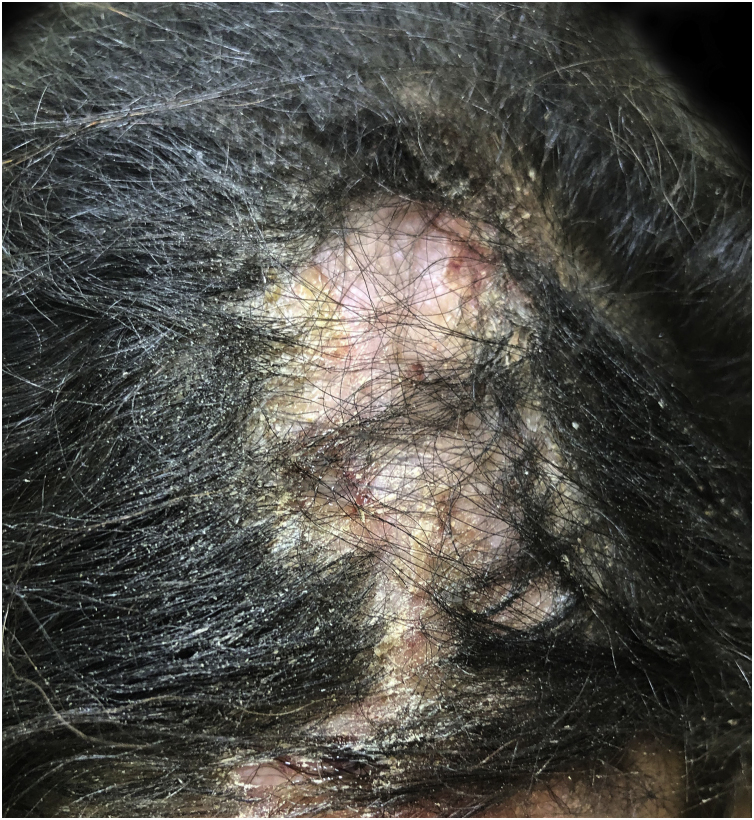
The vast majority of publications in dermatology refer to lightly pigmented skin, with few addressing the peculiarities of black skin. In addition there is no consensus on what it means to be black in different regions of the world. The lack of knowledge on the subject makes it difficult to recognize and manage dermatoses in this type of skin. This article aims to review the literature on intrinsic characteristics, as well as epidemiological and clinical aspects of the cutaneous manifestations of different dermatoses in black skin. It was found that there are sometimes striking differences, in the structural, biological, and functional aspects when comparing lightly pigmented and black skin. There are also physiological changes that need to be recognized to avoid unnecessary interventions. Some dermatoses have a higher incidence in black skin, such as acne, eczema, dyschromia and dermatophytosis. On the other hand, several dermatoses are more specific to black skin, such as pseudofolliculitis barbae, keloid, dermatosis papulosa nigra, ulcers caused by sickle-cell anemia, dactylolysis spontanea, confluent and reticulated papillomatosis of Gougerot and Carteaud, and some diseases of the hair and scalp (including fragile and brittle hair, traction alopecia, folliculitis keloidalis nuchae, folliculitis dissecans and central centrifugal cicatricial alopecia). A spectrum of peculiar aspects of specific dermatoses, including sarcoidosis, lichen planus (with emphasis on the pigmentosus variant), psoriasis, lupus erythematosus, vitiligo, syphilis, pityriasis versicolor, and neoplasms are highlighted. In the latter, characteristics of basal cell carcinoma, squamous cell carcinoma, and melanoma are compared, in addition to highlighting unusual aspects of primary cutaneous T-cell lymphoma, endemic Kaposi sarcoma, and dermatofibrosarcoma protuberans.
皮肤科的绝大多数出版物都涉及浅色皮肤,很少涉及黑色皮肤的特点。此外,对于世界不同地区的“黑”意味着什么,也没有达成共识。由于缺乏这方面的知识,使得很难识别和处理这种类型皮肤的皮肤病。本文旨在综述文献中关于不同黑色皮肤人群的内在特征、流行病学和皮肤表现的临床方面。研究发现,在比较浅色和黑色皮肤时,在结构、生物学和功能方面有时存在显著差异。此外,还有一些需要认识的生理变化,以避免不必要的干预。一些皮肤病在黑色皮肤中的发病率更高,如痤疮、湿疹、色素异常和皮肤癣菌病。另一方面,一些皮肤病更特定于黑色皮肤,如假性毳毛性毛囊炎、瘢痕疙瘩、黑棘皮病、镰状细胞贫血性溃疡、自发性断甲、Gougerot-Carteaud 融合性网状乳头瘤病和一些毛发和头皮疾病(包括脆弱和易碎的头发、牵引性脱发、项部瘢痕性毛囊炎、匐行性穿凿性毛囊角化病和中心性离心性瘢痕性脱发)。本文还强调了一些特定皮肤病(包括结节病、扁平苔藓(重点介绍色素性变体)、银屑病、红斑狼疮、白癜风、梅毒、花斑癣和肿瘤)的一些独特方面。在后者中,比较了基底细胞癌、鳞状细胞癌和黑色素瘤的特征,并强调了原发性皮肤 T 细胞淋巴瘤、地方性卡波西肉瘤和隆突性皮肤纤维肉瘤的一些不常见方面。