Kohara Saeko, Kamijo Yoshito, Kyan Ryoko, Okada Ichiro, Hasegawa Eiju, Yamada Soichiro, Imai Koichi, Kaizaki-Mitsumoto Asuka, Numazawa Satoshi
Department of Critical Care Medicine and Trauma, National Hospital Organization Disaster Medical Center, Tokyo 1900014, Japan.
Department of Clinical Toxicology, Saitama Medical University, Saitama 3500495, Japan.
World J Clin Cases. 2024 Jan 16;12(2):399-404. doi: 10.12998/wjcc.v12.i2.399.
Most species of aconite contain highly toxic aconitines, the oral ingestion of which can be fatal, primarily because they cause ventricular arrhythmias. We describe a case of severe aconite poisoning that was successfully treated through veno-arterial extracorporeal membrane oxygenation (VA-ECMO) and in which detailed toxicological analyses of the aconite roots and biological samples were performed using liquid chromatography-tandem mass spectrometry (LC-MS/MS).
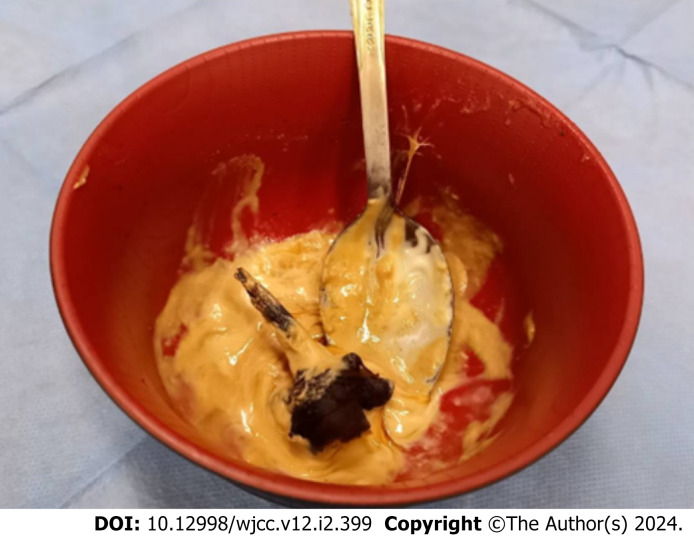
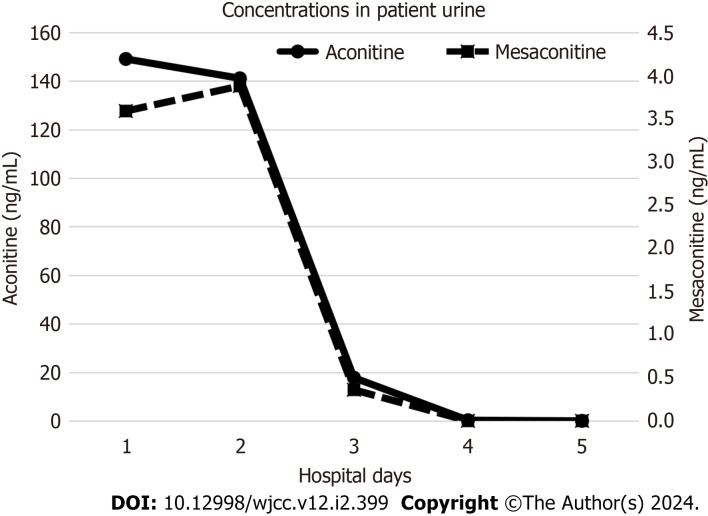
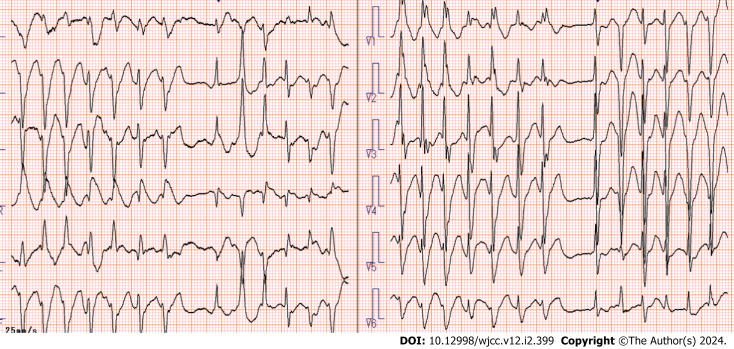
A 23-year-old male presented to the emergency room with circulatory collapse and ventricular arrhythmia after ingesting approximately half of a root labeled, " Thunb". Two hours after arrival, VA-ECMO was initiated as circulatory collapse became refractory to antiarrhythmics and vasopressors. Nine hours after arrival, an electrocardiogram revealed a return to sinus rhythm. The patient was weaned off VA-ECMO and the ventilator on hospital days 3 and 5, respectively. On hospital day 15, he was transferred to a psychiatric hospital. The other half of the root and his biological samples were toxicologically analyzed using LC-MS/MS, revealing 244.3 mg/kg of aconitine and 24.7 mg/kg of mesaconitine in the root. Serum on admission contained 1.50 ng/mL of aconitine. Beyond hospital day 2, neither were detected. Urine on admission showed 149.09 ng/mL of aconitine and 3.59 ng/mL of mesaconitine, but these rapidly decreased after hospital day 3.
The key to saving the life of a patient with severe aconite poisoning is to introduce VA-ECMO as soon as possible.
大多数乌头属植物含有剧毒的乌头碱,口服可致命,主要是因为它们会导致室性心律失常。我们描述了一例严重乌头中毒病例,该病例通过静脉-动脉体外膜肺氧合(VA-ECMO)成功治疗,并使用液相色谱-串联质谱法(LC-MS/MS)对乌头根和生物样本进行了详细的毒理学分析。
一名23岁男性在摄入约一半标有“Thunb”的根后,因循环衰竭和室性心律失常被送往急诊室。到达后两小时,由于循环衰竭对抗心律失常药物和血管升压药无效,启动了VA-ECMO。到达后九小时,心电图显示恢复窦性心律。患者分别在住院第3天和第5天撤掉了VA-ECMO和呼吸机。住院第15天,他被转至精神病院。使用LC-MS/MS对另一半根和他的生物样本进行了毒理学分析,结果显示根中含有244.3mg/kg的乌头碱和24.7mg/kg的中乌头碱。入院时血清中含有1.50ng/mL的乌头碱。住院第2天之后,均未检测到。入院时尿液中显示含有149.09ng/mL的乌头碱和3.59ng/mL的中乌头碱,但在住院第3天之后迅速下降。
挽救严重乌头中毒患者生命的关键是尽快引入VA-ECMO。