Magesh Shruthi, Hurley Amanda I, Nepper Julia F, Chevrette Marc G, Schrope Jonathan H, Li Chao, Beebe David J, Handelsman Jo
Department of Plant Pathology, Wisconsin Institute for Discovery, University of Wisconsin-Madison, Madison, Wisconsin, USA.
Microbiology Doctoral Training Program, University of Wisconsin-Madison, Madison, Wisconsin, USA.
mBio. 2024 Mar 13;15(3):e0342823. doi: 10.1128/mbio.03428-23. Epub 2024 Feb 8.
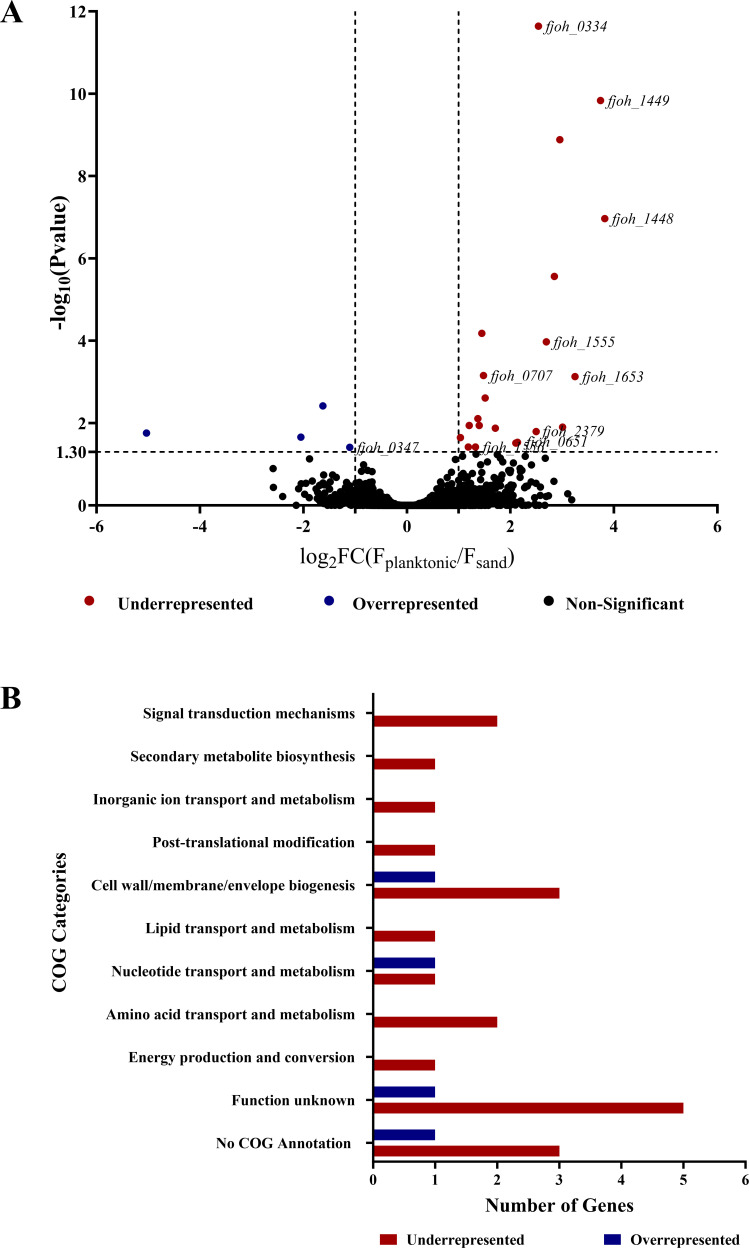
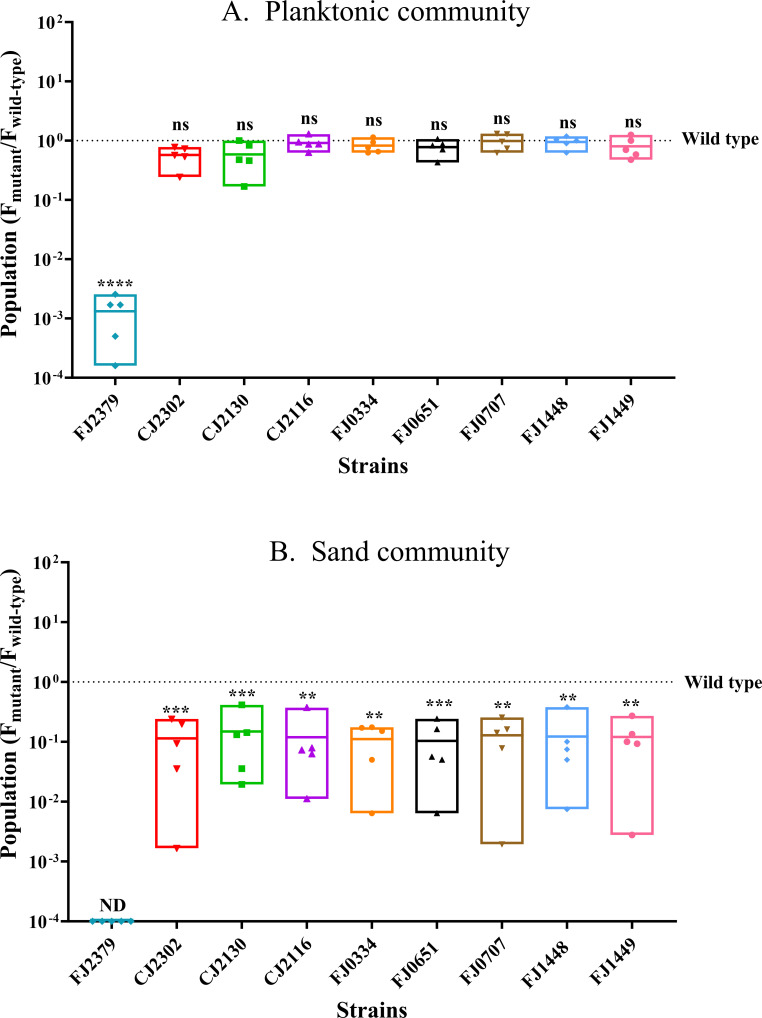
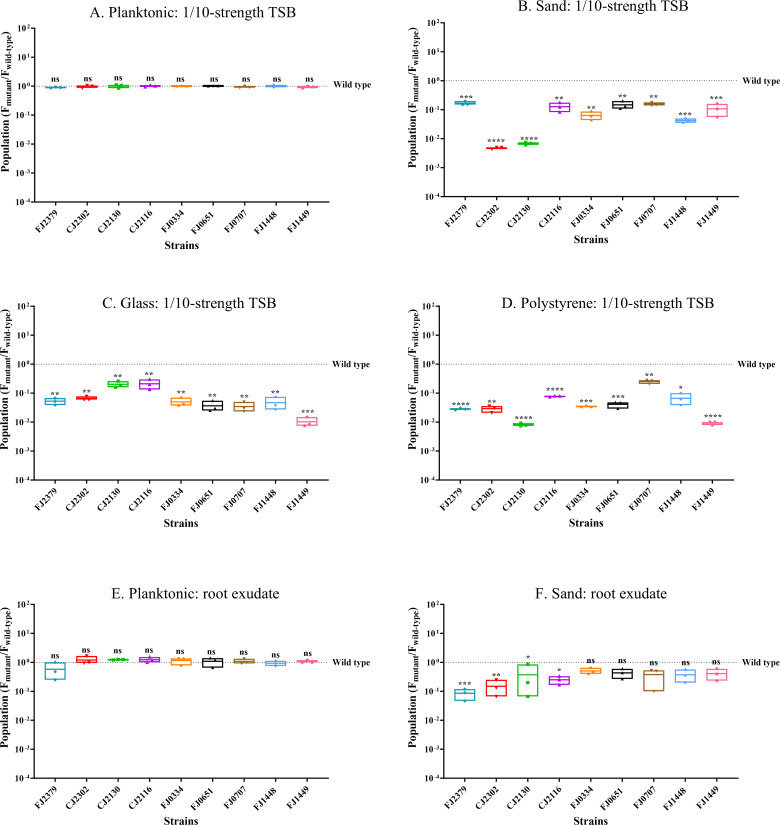
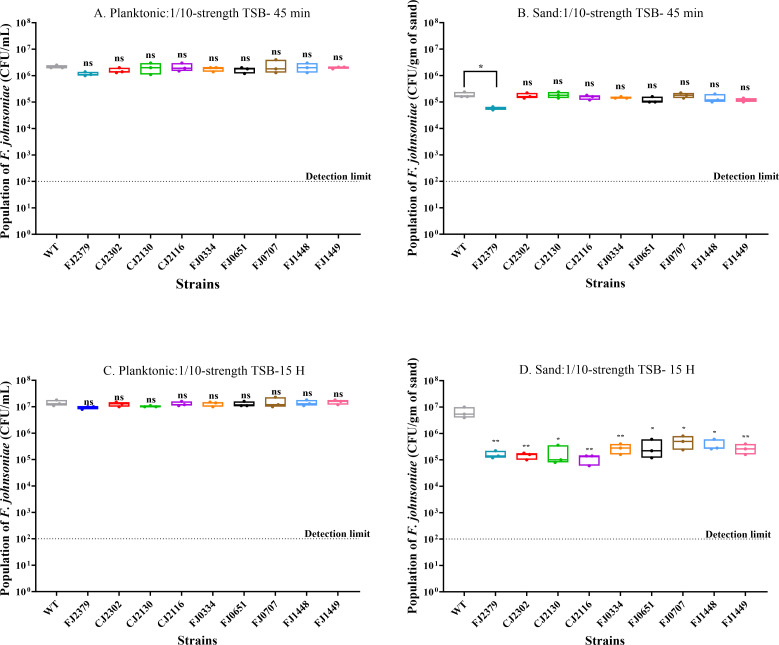
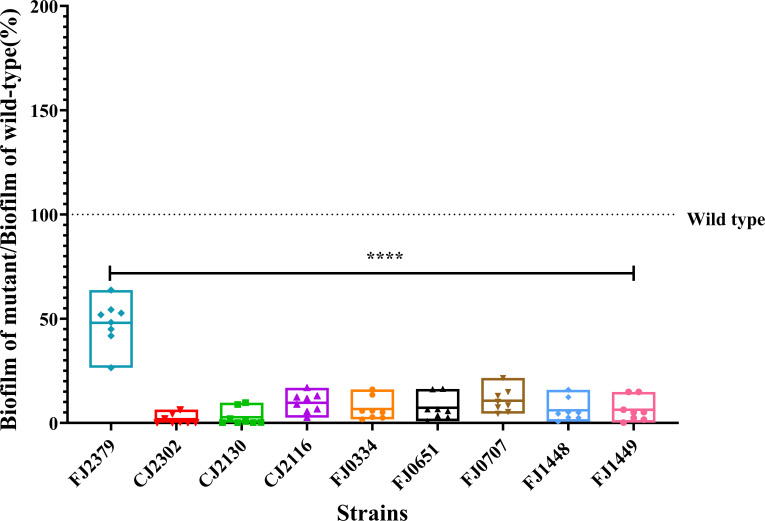
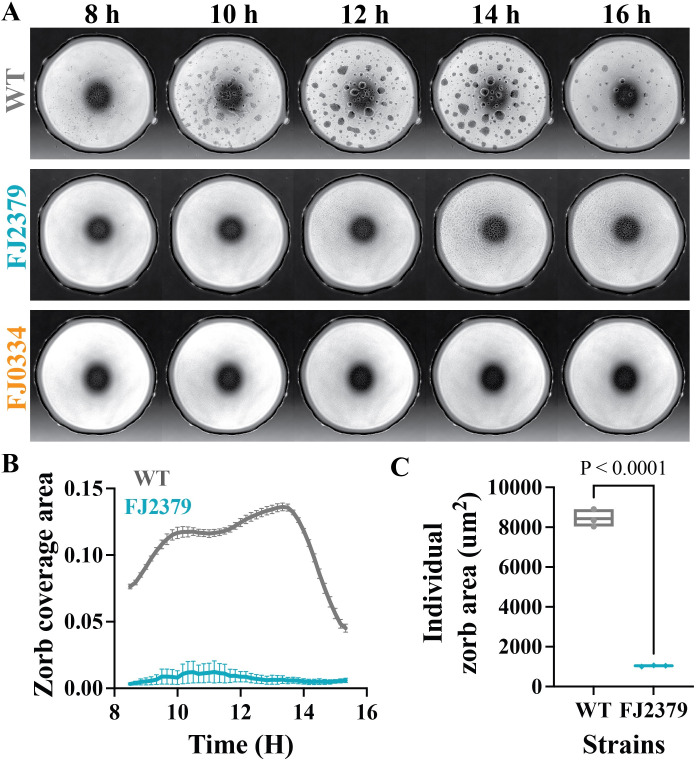
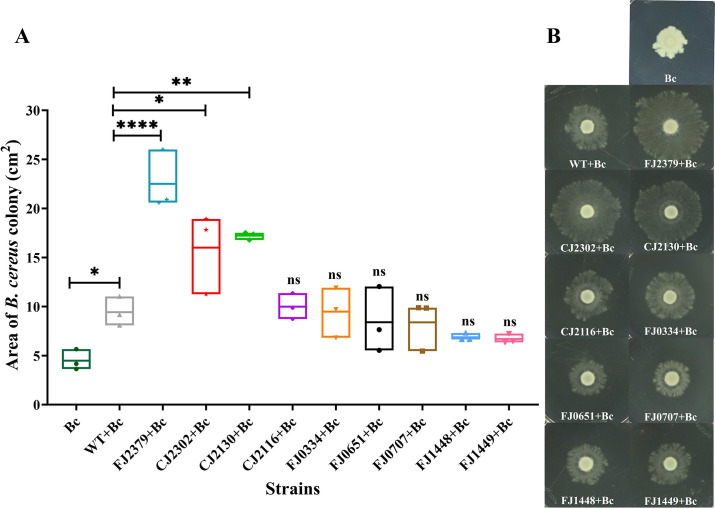
is a ubiquitous soil and rhizosphere bacterium, but despite its abundance, the factors contributing to its success in communities are poorly understood. Using a model microbial community, he itchhikers f the hizosphere (THOR), we determined the effects of colonization on the fitness of in the community. Insertion sequencing, a massively parallel transposon mutant screen, on sterile sand identified 25 genes likely to be important for surface colonization. We constructed in-frame deletions of candidate genes predicted to be involved in cell membrane biogenesis, motility, signal transduction, and transport of amino acids and lipids. All mutants poorly colonized sand, glass, and polystyrene and produced less biofilm than the wild type, indicating the importance of the targeted genes in surface colonization. Eight of the nine colonization-defective mutants were also unable to form motile biofilms or zorbs, thereby suggesting that the affected genes play a role in group movement and linking stationary and motile biofilm formation genetically. Furthermore, we showed that the deletion of colonization genes in affected its behavior and survival in THOR on surfaces, suggesting that the same traits are required for success in a multispecies microbial community. Our results provide insight into the mechanisms of surface colonization by and form the basis for further understanding its ecology in the rhizosphere.
Microbial communities direct key environmental processes through multispecies interactions. Understanding these interactions is vital for manipulating microbiomes to promote health in human, environmental, and agricultural systems. However, microbiome complexity can hinder our understanding of the underlying mechanisms in microbial community interactions. As a first step toward unraveling these interactions, we explored the role of surface colonization in microbial community interactions using he itchhikers f the hizosphere (THOR), a genetically tractable model community of three bacterial species, , , and . We identified genes important for surface colonization in solitary conditions and in the THOR community. Understanding the mechanisms that promote the success of bacteria in microbial communities brings us closer to targeted manipulations to achieve outcomes that benefit agriculture, the environment, and human health.
是一种普遍存在于土壤和根际的细菌,尽管其数量众多,但导致其在群落中成功的因素却知之甚少。利用一个模型微生物群落——根际搭便车者(THOR),我们确定了定殖对该群落中[细菌名称未给出]适应性的影响。在无菌沙子上进行的插入测序,即大规模平行转座子突变体筛选,鉴定出25个可能对表面定殖很重要的基因。我们构建了预测参与细胞膜生物合成、运动性、信号转导以及氨基酸和脂质运输的候选基因的框内缺失突变体。所有突变体在沙子、玻璃和聚苯乙烯上的定殖能力都很差,并且产生的生物膜比野生型少,这表明目标基因在表面定殖中很重要。九个定殖缺陷突变体中的八个也无法形成运动性生物膜或菌团,从而表明受影响的基因在群体运动中起作用,并在基因上连接了静止和运动性生物膜的形成。此外,我们表明[细菌名称未给出]中定殖基因的缺失影响了其在THOR中在表面的行为和存活,这表明在多物种微生物群落中取得成功需要相同的特性。我们的结果为[细菌名称未给出]表面定殖的机制提供了见解,并为进一步理解其在根际的生态学奠定了基础。
微生物群落通过多物种相互作用指导关键的环境过程。理解这些相互作用对于操纵微生物组以促进人类、环境和农业系统中的健康至关重要。然而,微生物组的复杂性可能会阻碍我们对微生物群落相互作用潜在机制的理解。作为解开这些相互作用的第一步,我们利用根际搭便车者(THOR)探索了表面定殖在微生物群落相互作用中的作用,THOR是一个由三种细菌[细菌名称未给出]、[细菌名称未给出]和[细菌名称未给出]组成的遗传上易于处理的模型群落。我们确定了在单独条件下和THOR群落中对表面定殖重要的基因。了解促进细菌在微生物群落中成功的机制使我们更接近有针对性的操纵,以实现有利于农业、环境和人类健康的结果。