School of Natural and Built Environment, Queen's University Belfast, Belfast, Northern Ireland, UK.
School of Biological Sciences, Queen's University Belfast, Belfast, Northern Ireland, UK.
Environ Geochem Health. 2024 Feb 17;46(3):93. doi: 10.1007/s10653-024-01874-y.
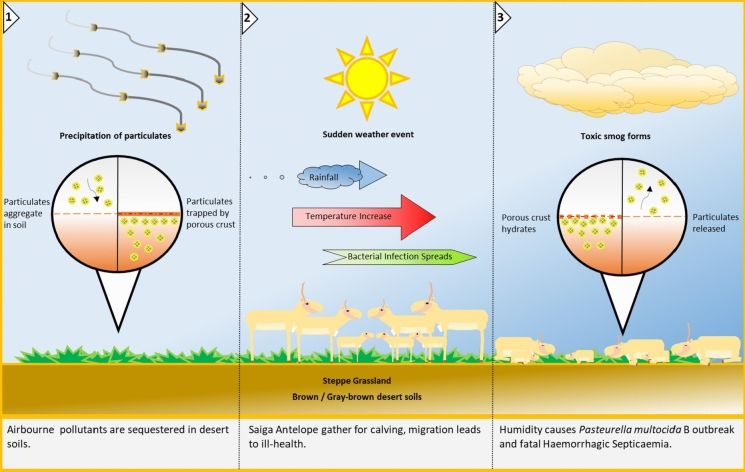
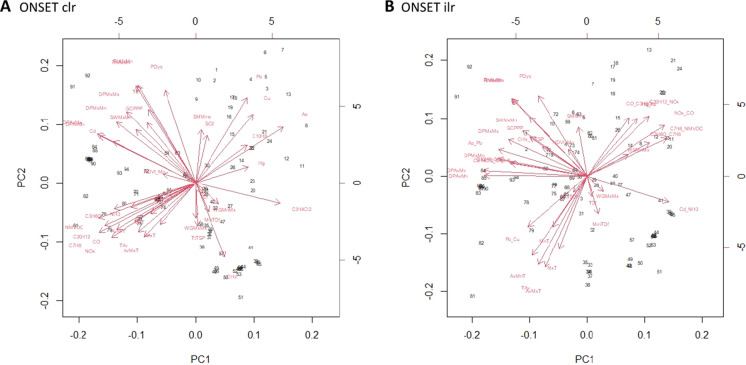
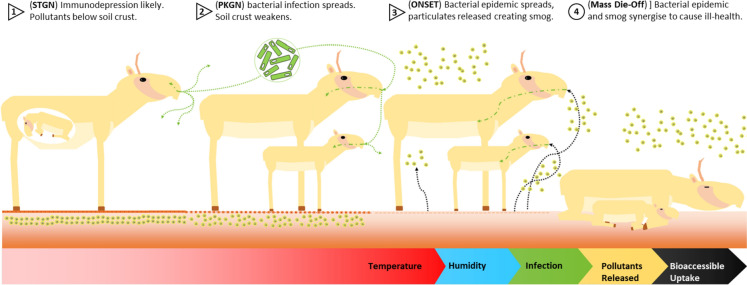
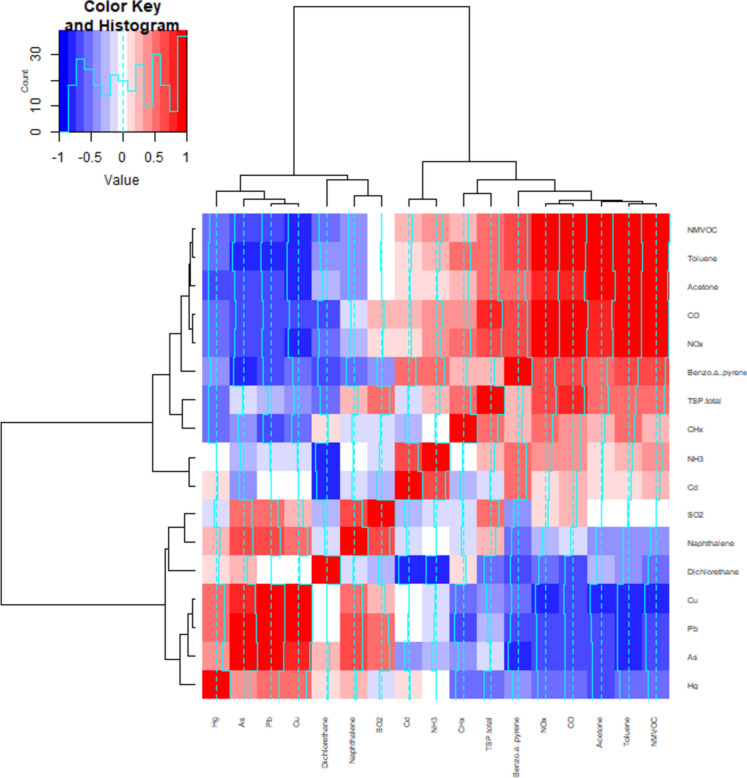
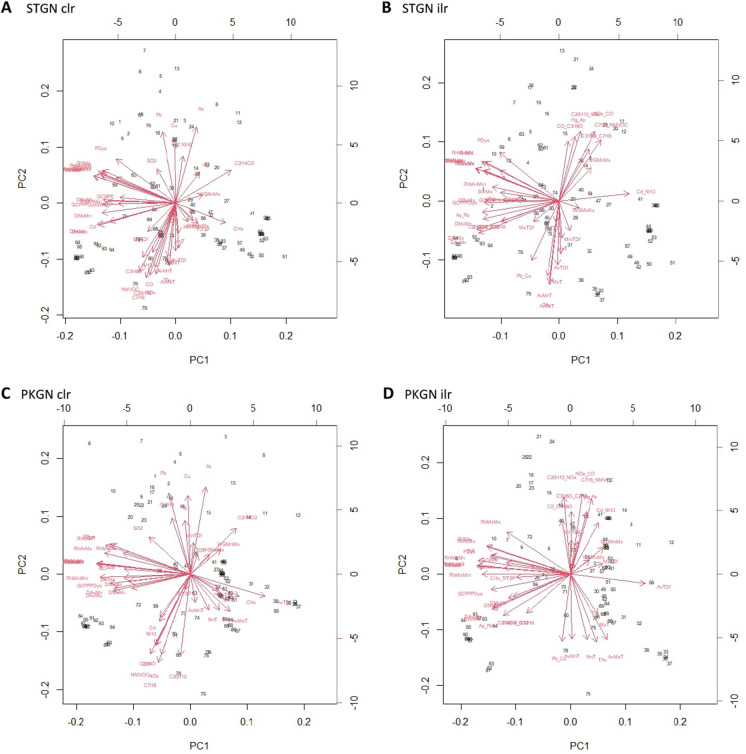
In recent decades, Saiga antelope (Saiga t. tatarica) mass die-offs have become more common. The mass die-off of 2015 in central Kazakhstan, recorded 140,000 individual deaths across multiple herds. Previously, research has shown atmospheric humidity, the bacterium Pasteurella multocida serotype B, and resultant haemorrhagic septicaemia, were the primary cause. However, other synergistic factors may have impacted this process. Here we use a multivariate compositional data analysis (CoDA) approach to assess what other factors may have been involved. We show a pollutant linkage mechanism where relative humidity and dewpoint temperature combine with environmental pollutants, potentially toxic elements (e.g., Hg, As), complex carbon compounds (e.g., Acetone, Toluene), and inorganic compounds (e.g., CHx, SO) which affected the Saiga during the calving season (start and peak) and at the onset of the mass die-off. We suggest a mechanism for this process. Upon arrival at their carving grounds, the Saiga experienced a sudden precipitation event, a spike in temperatures, and resultant high humidity occurs. The infectious bacterium P. multocida serotype B then spreads. Further, environmental pollutants contained within steppe soils are released to the air, forming localised smog events, these synergistically combine, and mass die-off occurs.
近几十年来,赛加羚羊(Saiga t. tatarica)大规模死亡事件变得越来越常见。2015 年在哈萨克斯坦中部发生的大规模死亡事件,记录了多个牧群中有 14 万只个体死亡。此前的研究表明,大气湿度、多杀性巴氏杆菌 B 型和由此产生的出血性败血症是主要原因。然而,其他协同因素也可能影响了这一过程。在这里,我们使用多元组成数据分析(CoDA)方法来评估可能涉及的其他因素。我们展示了一个污染物联系机制,其中相对湿度和露点温度与环境污染物、潜在有毒元素(例如,汞、砷)、复杂碳化合物(例如,丙酮、甲苯)以及无机化合物(例如,CHx、SO)相结合,这些物质在产犊季节(开始和高峰期)以及大规模死亡事件开始时影响了赛加羚羊。我们提出了一个发生机制。当赛加羚羊到达它们的栖息地时,它们突然经历了一场降水事件,温度飙升,导致高湿度。随后,传染性细菌多杀性巴氏杆菌 B 型开始传播。此外,草原土壤中所含的环境污染物释放到空气中,形成局部烟雾事件,这些协同作用结合在一起,就会导致大规模死亡事件的发生。