Derouane Françoise, Desgres Manon, Moroni Camilla, Ambroise Jérôme, Berlière Martine, Van Bockstal Mieke R, Galant Christine, van Marcke Cédric, Vara-Messler Marianela, Hutten Stefan J, Jonkers Jos, Mourao Larissa, Scheele Colinda L G J, Duhoux Francois P, Corbet Cyril
Pole of Medical Imaging, Radiotherapy and Oncology (MIRO), Institut de Recherche Expérimentale et Clinique (IREC), UCLouvain, Avenue Hippocrate 57, 1200, Brussels, Belgium.
Department of Medical Oncology, King Albert II Cancer Institute, Cliniques Universitaires Saint-Luc, Avenue Hippocrate 10, 1200, Brussels, Belgium.
Breast Cancer Res. 2024 Feb 19;26(1):29. doi: 10.1186/s13058-024-01788-8.
Neoadjuvant chemotherapy (NAC) is the standard of care for patients with early-stage triple negative breast cancers (TNBC). However, more than half of TNBC patients do not achieve a pathological complete response (pCR) after NAC, and residual cancer burden (RCB) is associated with dismal long-term prognosis. Understanding the mechanisms underlying differential treatment outcomes is therefore critical to limit RCB and improve NAC efficiency.
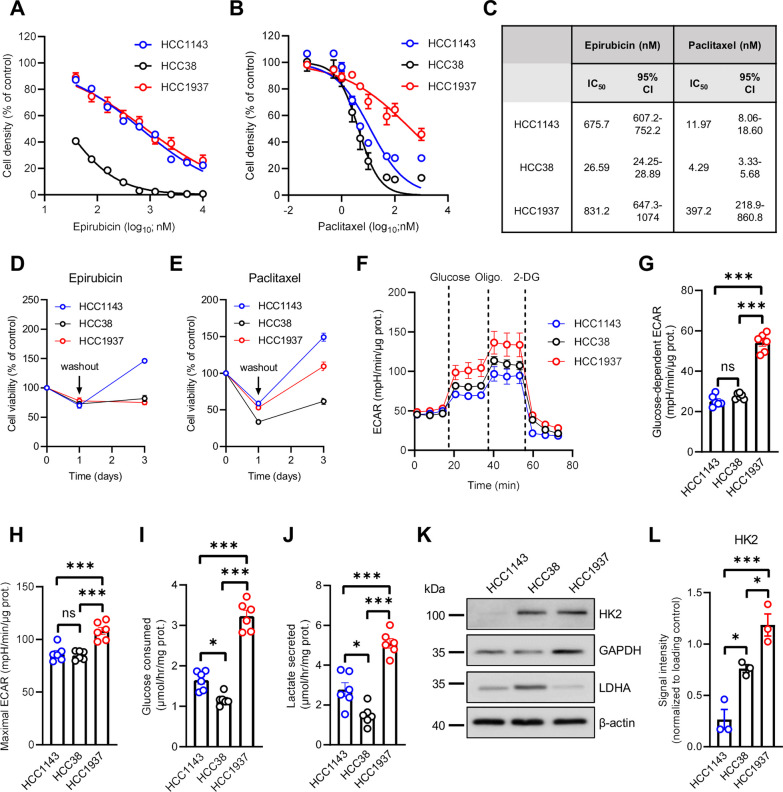
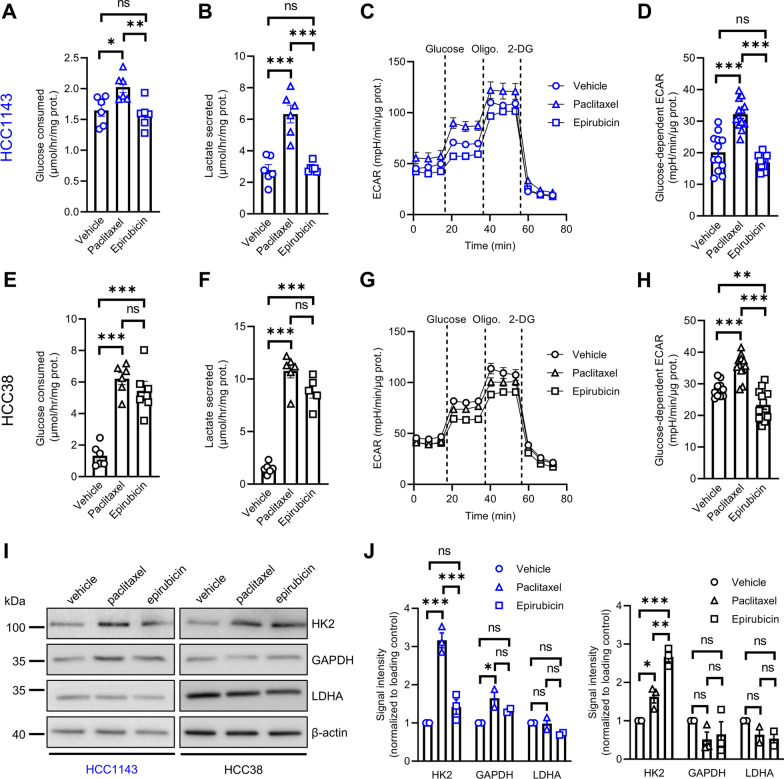
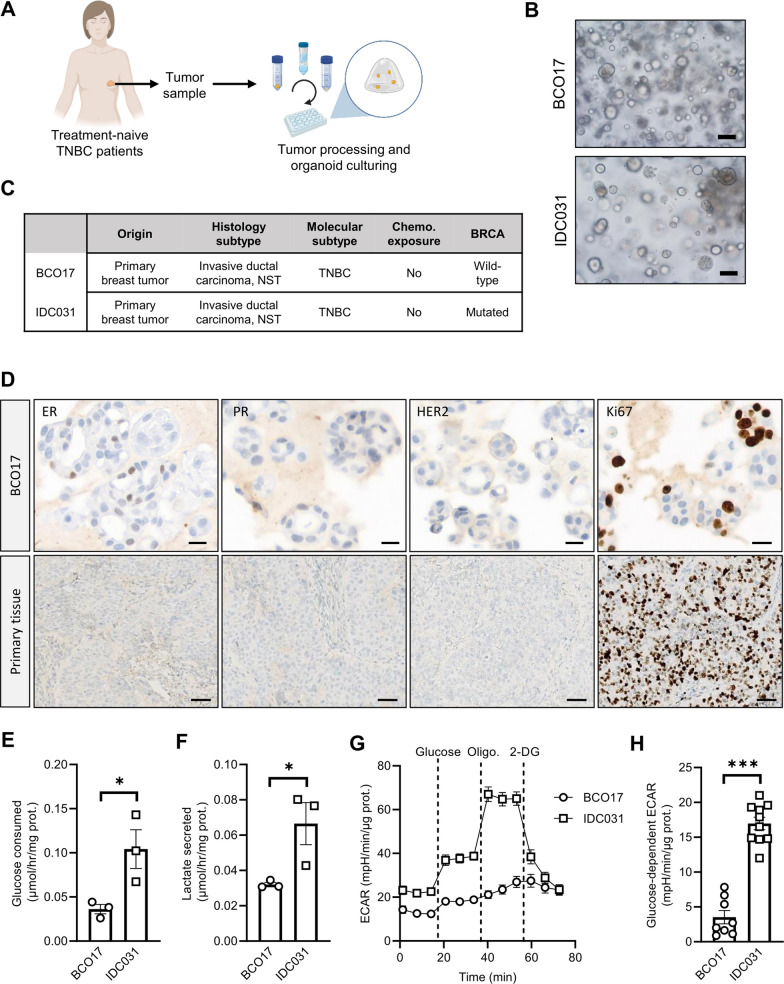
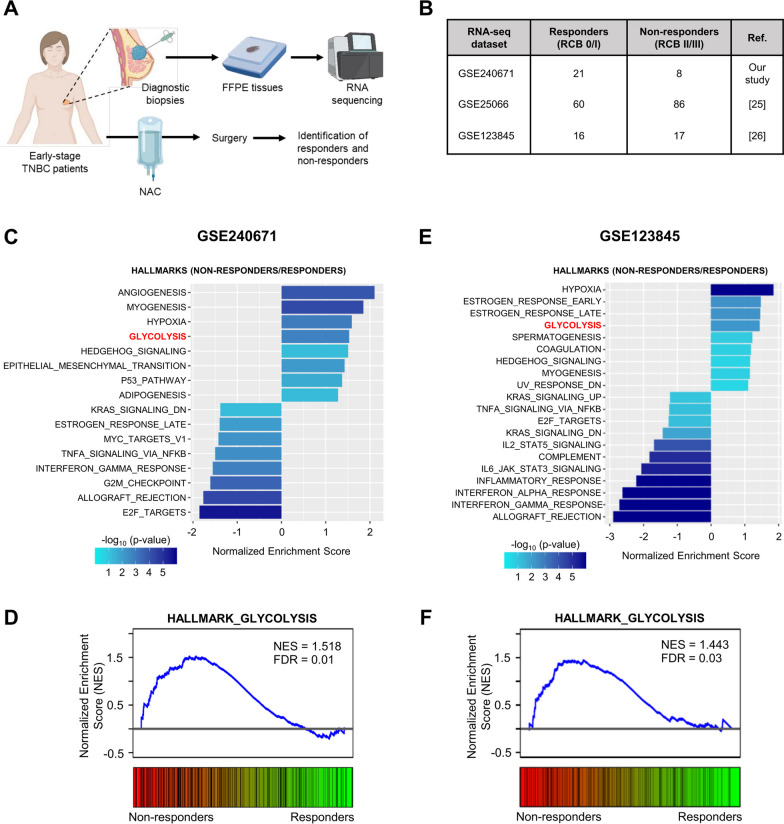
Human TNBC cell lines and patient-derived organoids were used in combination with real-time metabolic assays to evaluate the effect of NAC (paclitaxel and epirubicin) on tumor cell metabolism, in particular glycolysis. Diagnostic biopsies (pre-NAC) from patients with early TNBC were analyzed by bulk RNA-sequencing to evaluate the predictive value of a glycolysis-related gene signature.
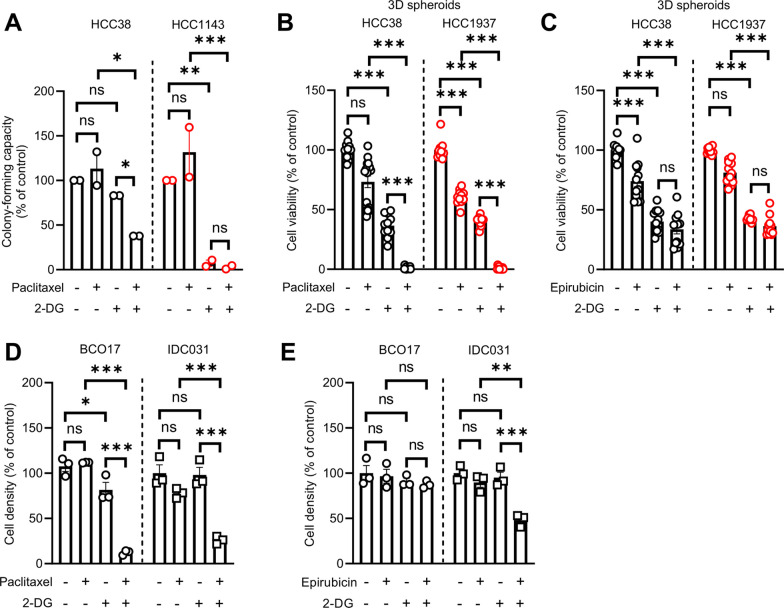
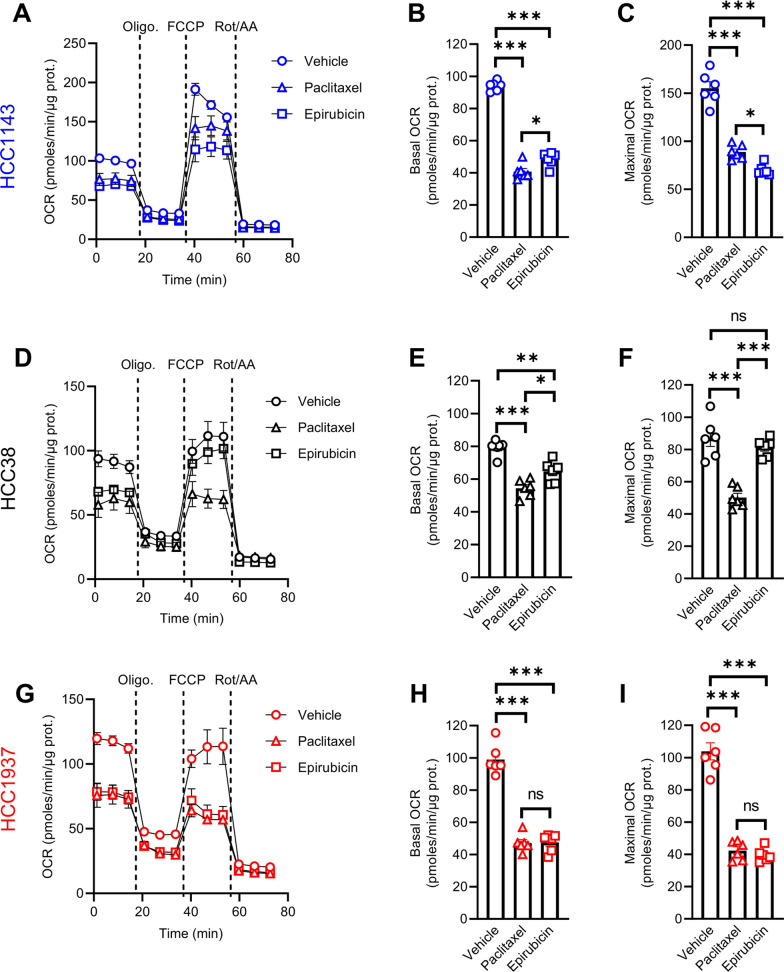
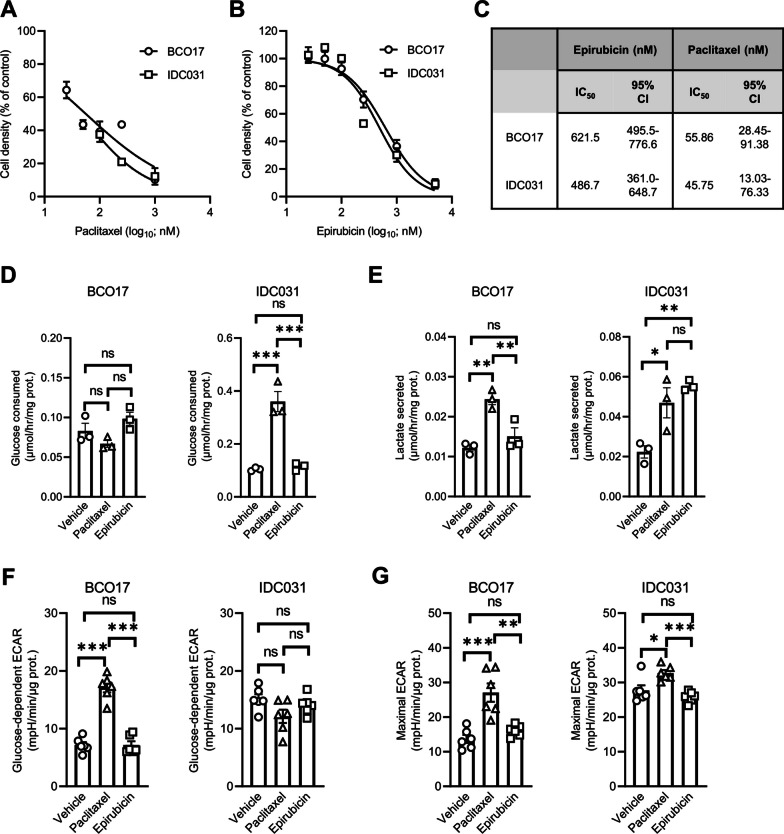
Paclitaxel induced a consistent metabolic switch to glycolysis, correlated with a reduced mitochondrial oxidative metabolism, in TNBC cells. In pre-NAC diagnostic biopsies from TNBC patients, glycolysis was found to be upregulated in non-responders. Furthermore, glycolysis inhibition greatly improved response to NAC in TNBC organoid models.
Our study pinpoints a metabolic adaptation to glycolysis as a mechanism driving resistance to NAC in TNBC. Our data pave the way for the use of glycolysis-related genes as predictive biomarkers for NAC response, as well as the development of inhibitors to overcome this glycolysis-driven resistance to NAC in human TNBC patients.
新辅助化疗(NAC)是早期三阴性乳腺癌(TNBC)患者的标准治疗方案。然而,超过一半的TNBC患者在接受NAC治疗后未达到病理完全缓解(pCR),且残余癌负担(RCB)与不良的长期预后相关。因此,了解不同治疗结果背后的机制对于限制RCB和提高NAC疗效至关重要。
将人TNBC细胞系和患者来源的类器官与实时代谢分析相结合,以评估NAC(紫杉醇和表柔比星)对肿瘤细胞代谢,特别是糖酵解的影响。对早期TNBC患者的诊断性活检(NAC前)进行批量RNA测序分析,以评估糖酵解相关基因特征的预测价值。
在TNBC细胞中,紫杉醇诱导了向糖酵解的一致代谢转变,这与线粒体氧化代谢的降低相关。在TNBC患者的NAC前诊断性活检中,发现无反应者的糖酵解上调。此外,在TNBC类器官模型中,糖酵解抑制极大地改善了对NAC的反应。
我们的研究指出对糖酵解的代谢适应是TNBC中驱动对NAC耐药的一种机制。我们的数据为将糖酵解相关基因用作NAC反应的预测生物标志物,以及开发抑制剂以克服人类TNBC患者中这种由糖酵解驱动的对NAC的耐药性铺平了道路。