Ihsan Sana, Gul Hajera, Jamila Nargis, Khan Naeem, Ullah Riaz, Bari Ahmed, Nee Tan Wen, Hwang Joon Ho, Masood Rehana
Department of Chemistry, Shaheed Benazir Bhutto Women University, Peshawar, 25000, Khyber Pakhtunkhwa, Pakistan.
Department of Chemistry, Kohat University of Science and Technology, Kohat, 26000, Khyber Pakhtunkhwa, Pakistan.
Heliyon. 2024 Feb 6;10(4):e25814. doi: 10.1016/j.heliyon.2024.e25814. eCollection 2024 Feb 29.
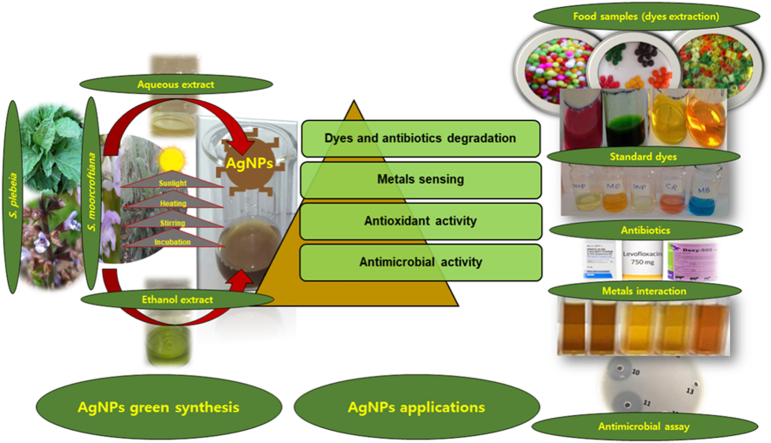
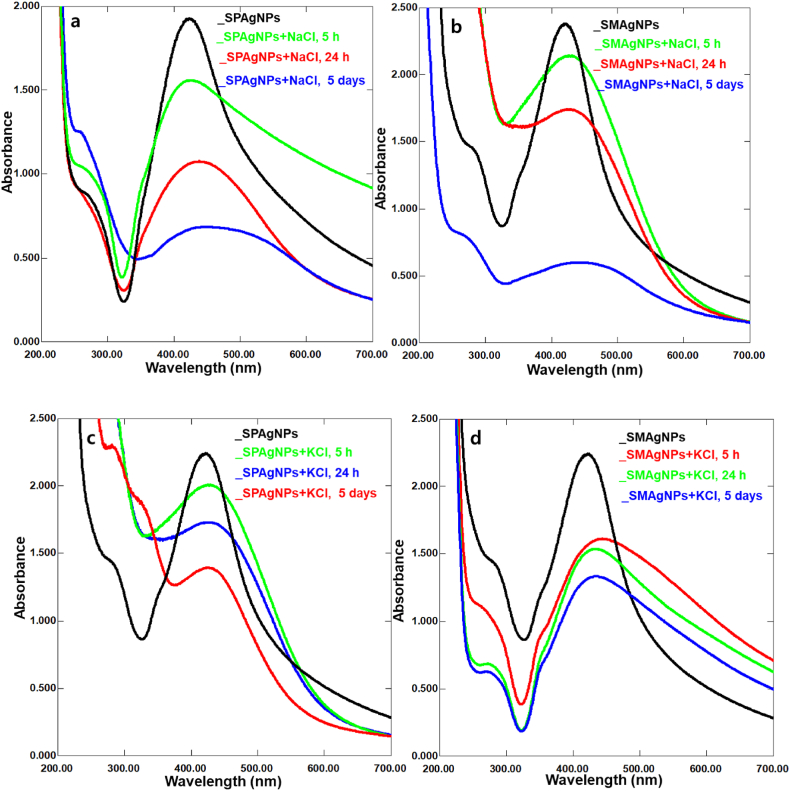
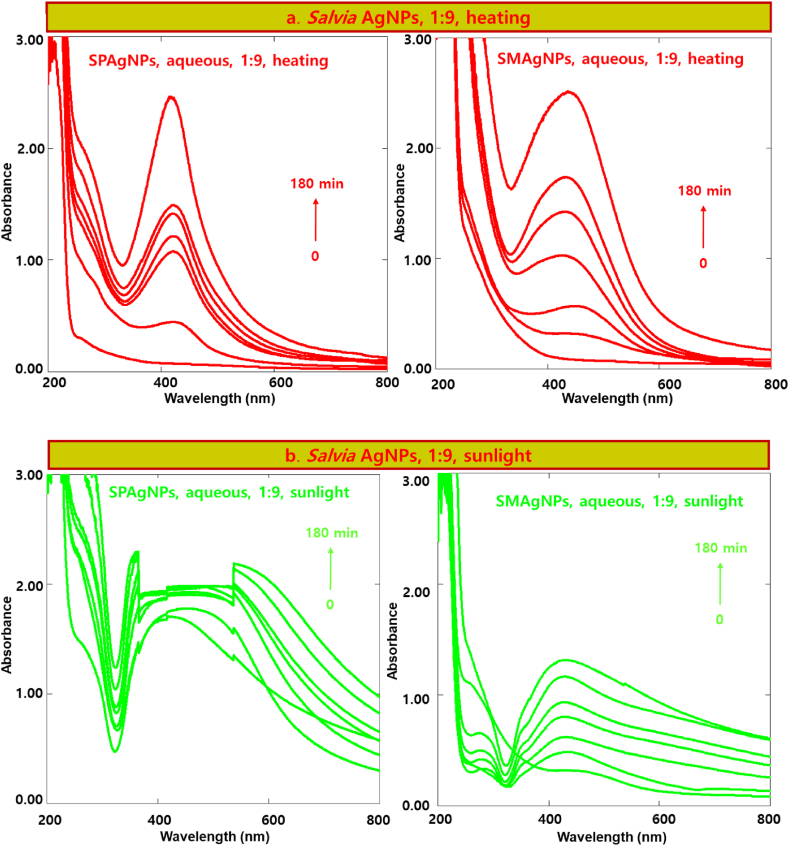
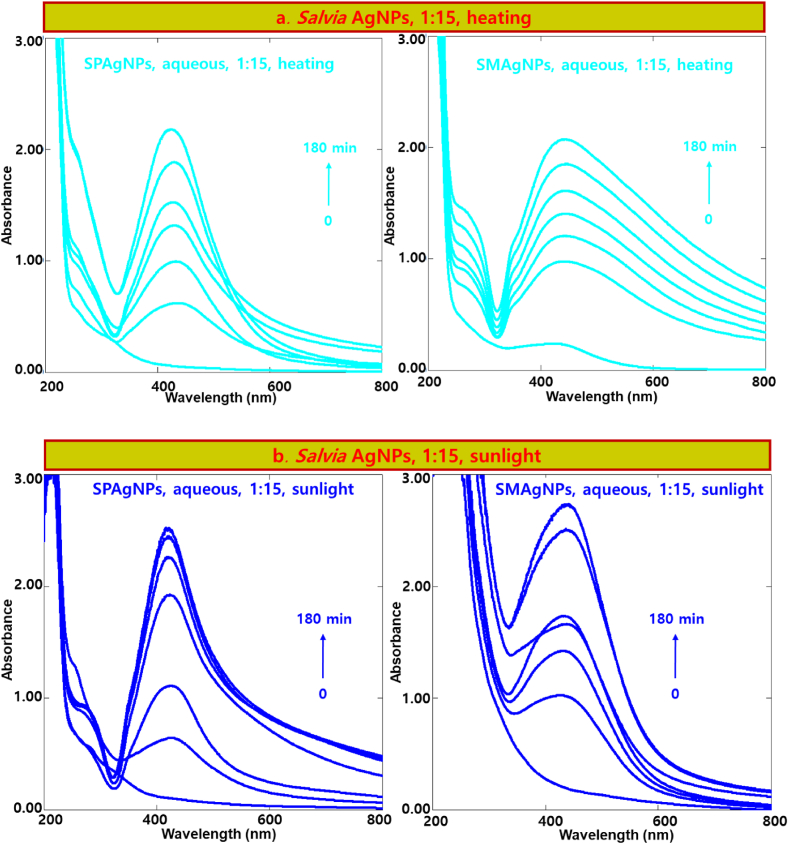
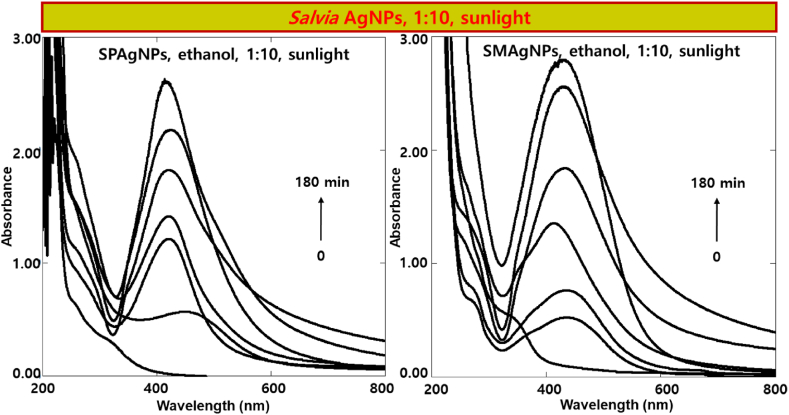
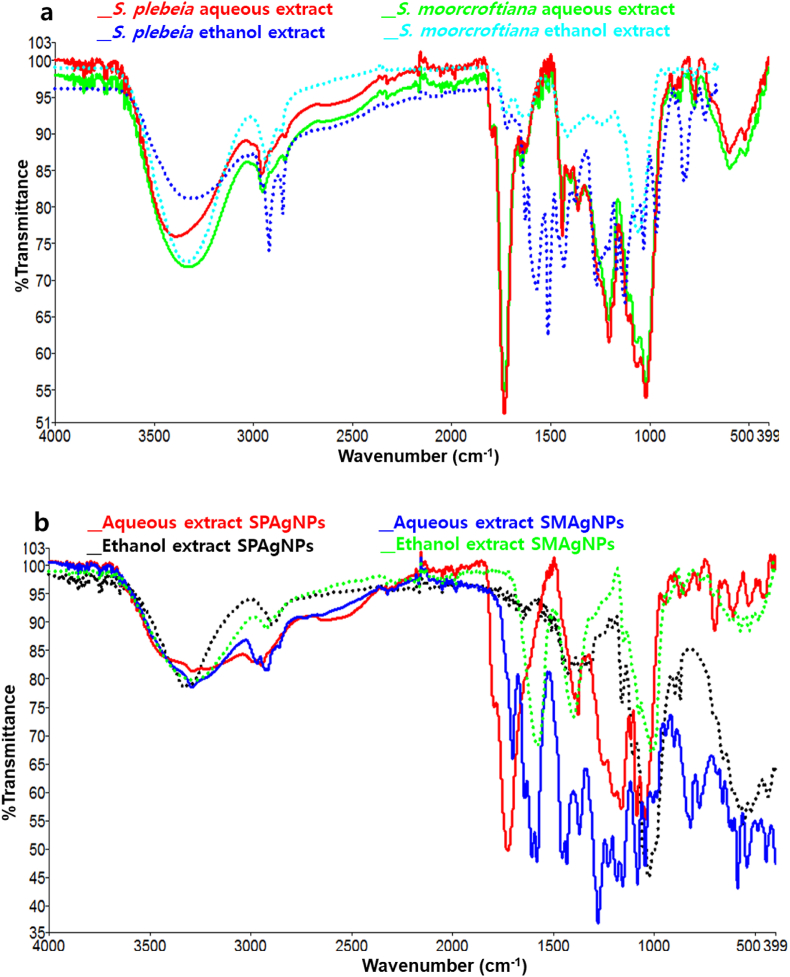
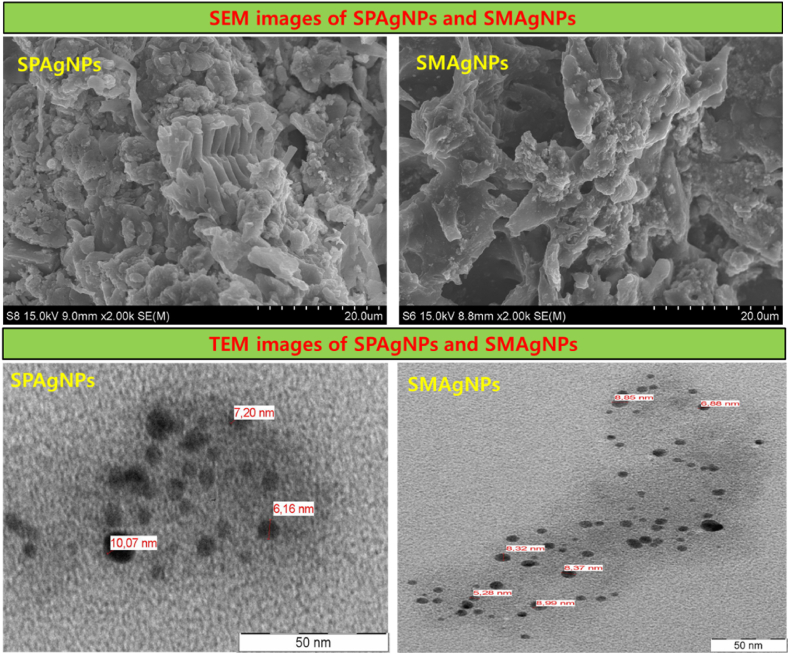
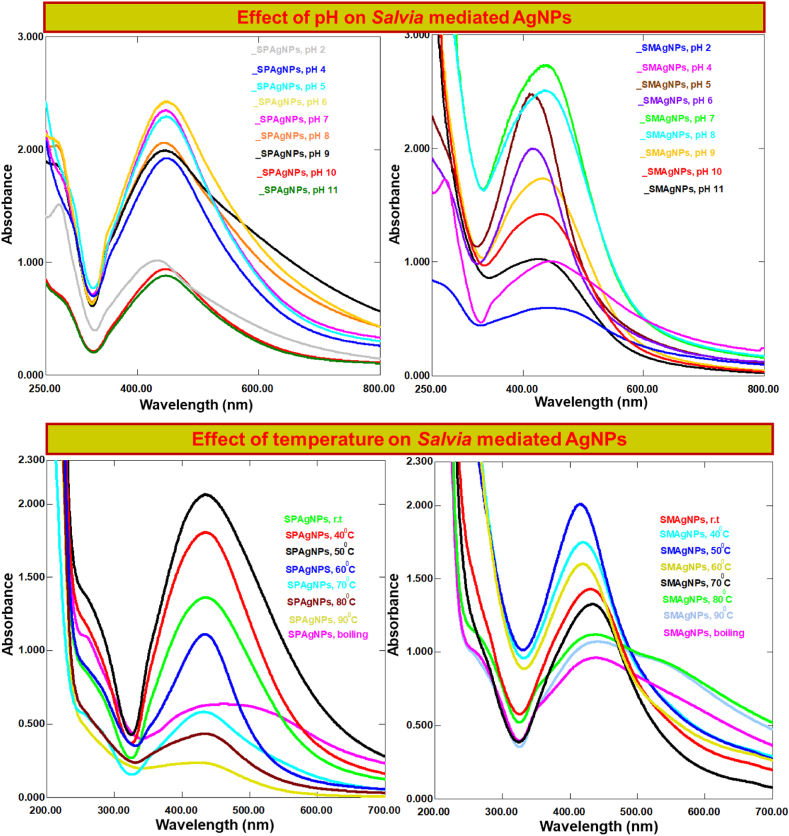
Salvia (Lamiaceae family) is used as a brain tonic to improve cognitive function. The species including and are locally used to cure hepatitis, cough, tumours, hemorrhoids, diarrhoea, common cold, flu, and asthma. To the best of authors' knowledge, no previous study has been conducted on synthesis of and silver nanoparticles (SPAgNPs and SMAgNPs). The study was aimed to synthesize AgNPs from the subject species aqueous and ethanol extracts, and assess catalytic potential in degradation of standard and extracted (from yums, candies, and snacks) dyes, nitrophenols, and antibiotics. The study also aimed at AgNPs as probe in sensing metalloids and heavy metal ions including Pb, Cu, Fe, Ni, and Zn. From the results, it was found that aqueous extract afforded stable AgNPs in 1:9 and 1:15 (quantity of aqueous extract and silver nitrate solution concentration) whereas ethanol extract yielded AgNPs in 1:10 (quantity of ethanol extract and silver nitrate solution concentration) reacted in sunlight. The size of SPAgNPs and SMAgNPs determined by scanning electron microscopy (SEM) and transmission electron microscopy (TEM) were 21.7 nm and 19.9 nm, with spherical, cylindrical, and deep hollow morphology. The synthesized AgNPs demonstrated significant potential as catalyst in dyes; Congo red (85 %), methylene blue (75 %), Rhodamine B (<50 %), nitrophenols; -nitrophenol (95-98 %) and -nitrophenol (95-98 %), dyes extracted from food samples including yums, candies, and snacks. The antibiotics (amoxicillin, doxycycline, levofloxacin) degraded up to 80 %-95 % degradation. Furthermore, the synthesized AgNPs as probe in sensing of Pb, Cu, and Fe in Kabul river water, due to agglomeration, caused a significant decrease and bathochromic shift of SPR band (430 nm) when analyzed after 30 min. The Pb ions was comparatively more agglomerated and chelated. Thus, the practical applicability of AgNPs in Pb sensing was significant. Based on the results of this research study, the synthesized AgNPs could provide promising efficiency in wastewater treatment containing organic dyes, antibiotics, and heavy metals.
鼠尾草(唇形科)被用作补脑剂以改善认知功能。包括[具体物种1]和[具体物种2]在内的该物种在当地被用于治疗肝炎、咳嗽、肿瘤、痔疮、腹泻、普通感冒、流感和哮喘。据作者所知,此前尚未有关于合成[具体成分1]和[具体成分2]银纳米颗粒(SPAgNPs和SMAgNPs)的研究。该研究旨在从目标物种的水提取物和乙醇提取物中合成银纳米颗粒,并评估其对标准染料以及从零食、糖果和小吃中提取的染料、硝基酚和抗生素的催化降解潜力。该研究还旨在将银纳米颗粒用作检测类金属和重金属离子(包括铅、铜、铁、镍和锌)的探针。结果发现,[具体物种1]水提取物在1:9和1:15(水提取物的量与硝酸银溶液浓度)时可得到稳定的银纳米颗粒,而乙醇提取物在1:10(乙醇提取物的量与硝酸银溶液浓度)时在阳光下反应可生成银纳米颗粒。通过扫描电子显微镜(SEM)和透射电子显微镜(TEM)测定的SPAgNPs和SMAgNPs的尺寸分别为21.7纳米和19.9纳米,形态为球形、圆柱形和深空心形。合成的银纳米颗粒在染料降解方面显示出显著潜力;刚果红(85%)、亚甲基蓝(75%)、罗丹明B(<50%)、硝基酚;对硝基酚(95 - 98%)和邻硝基酚(95 - 98%),以及从零食、糖果和小吃等食品样品中提取的染料。抗生素(阿莫西林、强力霉素、左氧氟沙星)的降解率高达80% - 95%。此外,合成的银纳米颗粒作为检测喀布尔河水中铅、铜和铁的探针,由于团聚作用,在30分钟后分析时导致表面等离子体共振(SPR)带(430纳米)显著下降和红移。铅离子的团聚和螯合作用相对更强。因此,银纳米颗粒在铅检测中的实际应用意义重大。基于本研究结果,合成的银纳米颗粒在处理含有有机染料、抗生素和重金属的废水方面可能具有良好的效率。