College of Food and Pharmaceutical Sciences, Ningbo University, Ningbo 315211, China.
State Key Laboratory of Heavy Oil Processing and Center for Bioengineering and Biotechnology, China University of Petroleum (East China), Qingdao 266580, China.
Mar Drugs. 2024 Jan 27;22(2):65. doi: 10.3390/md22020065.
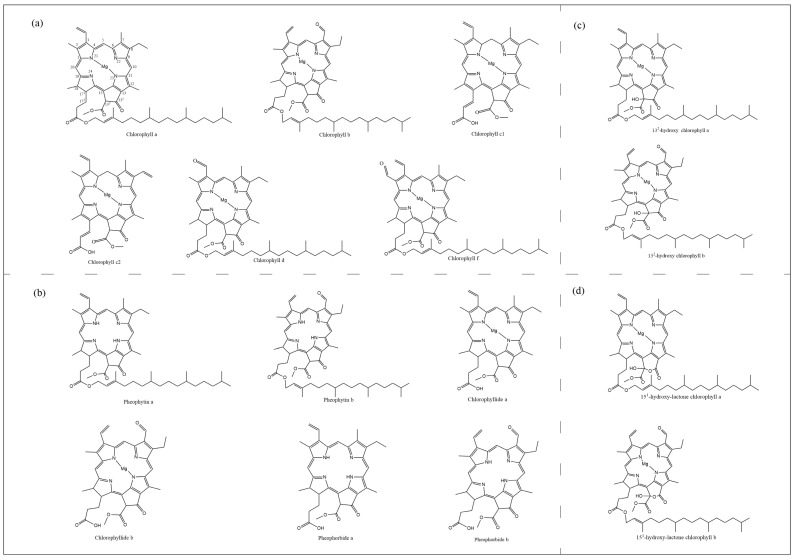
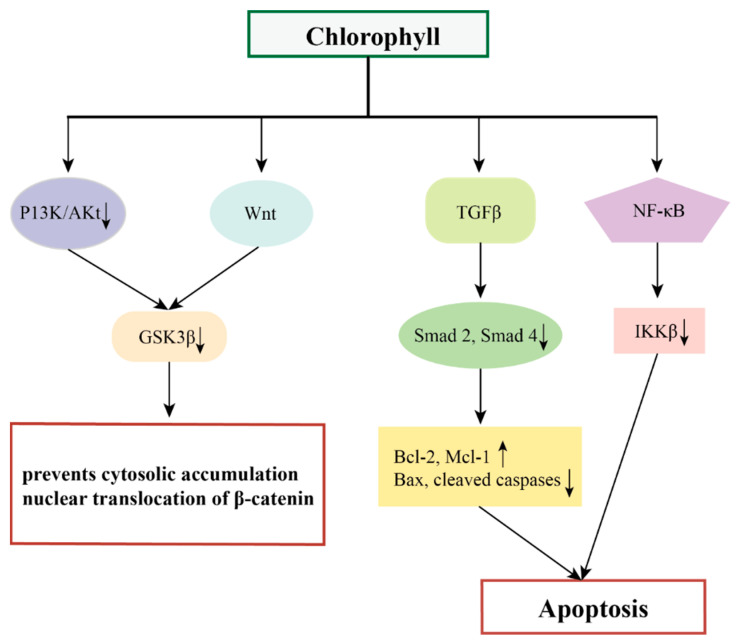
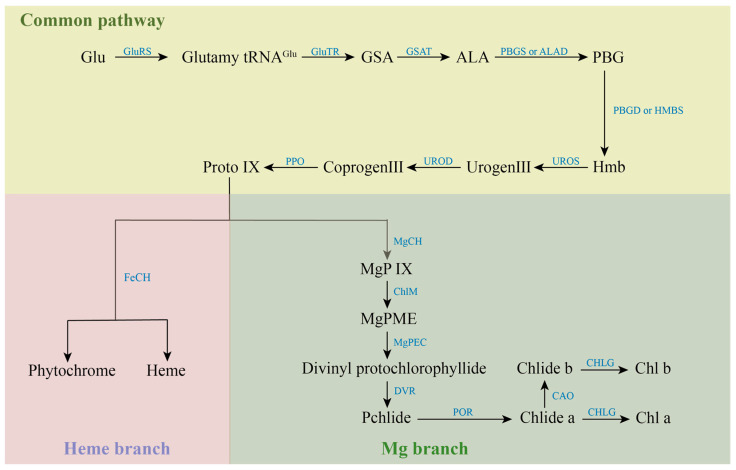
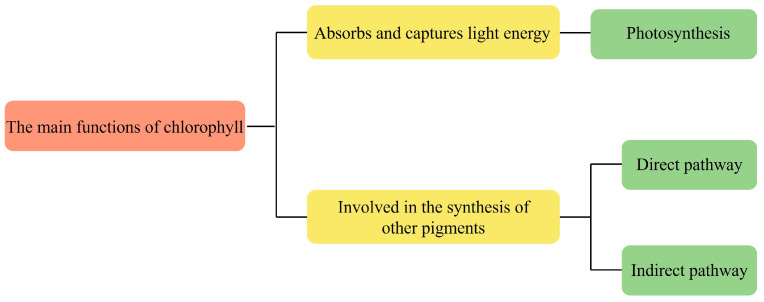
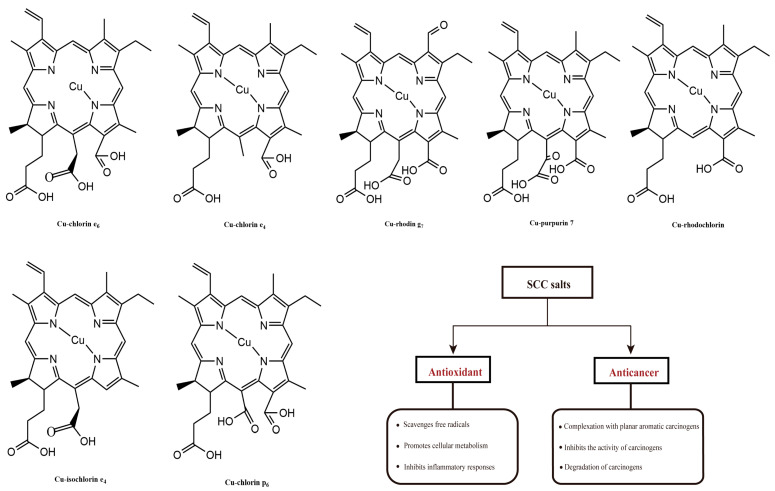
Microalgae are considered to be natural producers of bioactive pigments, with the production of pigments from microalgae being a sustainable and economical strategy that promises to alleviate growing demand. Chlorophyll, as the main pigment of photosynthesis, has been widely studied, but its medicinal applications as an antioxidant, antibacterial, and antitumor reagent are still poorly understood. Chlorophyll is the most important pigment in plants and algae, which not only provides food for organisms throughout the biosphere, but also plays an important role in a variety of human and man-made applications. The biological activity of chlorophyll is closely related to its chemical structure; its specific structure offers the possibility for its medicinal applications. This paper reviews the structural and functional roles of microalgal chlorophylls, commonly used extraction methods, and recent advances in medicine, to provide a theoretical basis for the standardization and commercial production and application of chlorophylls.
微藻被认为是生物活性色素的天然生产者,从微藻中生产色素是一种可持续且经济的策略,有望缓解日益增长的需求。叶绿素作为光合作用的主要色素,已经得到了广泛的研究,但它作为抗氧化剂、抗菌剂和抗肿瘤试剂的药用应用仍知之甚少。叶绿素是植物和藻类中最重要的色素,不仅为整个生物圈中的生物提供食物,而且在各种人类和人为应用中也起着重要作用。叶绿素的生物活性与其化学结构密切相关;其特定的结构为其药用应用提供了可能性。本文综述了微藻叶绿素的结构和功能作用、常用的提取方法以及在医学上的最新进展,为叶绿素的标准化、商业化生产和应用提供了理论依据。