Pillai Kathryn, Pillai Joshua, Ling Jun
Department of Medical Education, School of Medicine, California University of Science and Medicine, 1501 Violet St, Colton, CA 92324, USA.
Department of Biological Sciences, Irvine Virtual Academy Secondary, 3387 Barranca Pkwy, Irvine, CA 92606, USA.
J Clin Med. 2024 Feb 10;13(4):1026. doi: 10.3390/jcm13041026.
Deficiency of interleukin-1 receptor antagonist (DIRA) is a rare life-threatening autosomal recessive autoinflammatory disease with symptoms including but not limited to osteomyelitis, periostitis, and systemic inflammation. DIRA is developed from the loss-of-function biallelic mutations of the IL1RN gene that encodes IL-1 receptor antagonist (IL-1RA), leading to the unchecked pro-inflammatory signaling and subsequent systemic inflammation. Thus, anakinra as the recombinant IL-1RA has become the primary drug to treat DIRA. Although anakinra has been effective for the complete remission of DIRA, it has also shown various side effects. To confirm the efficacy and safety issues associated with DIRA treatment, we conducted a literature review and secondary data analysis to enhance our understanding on this important topic.
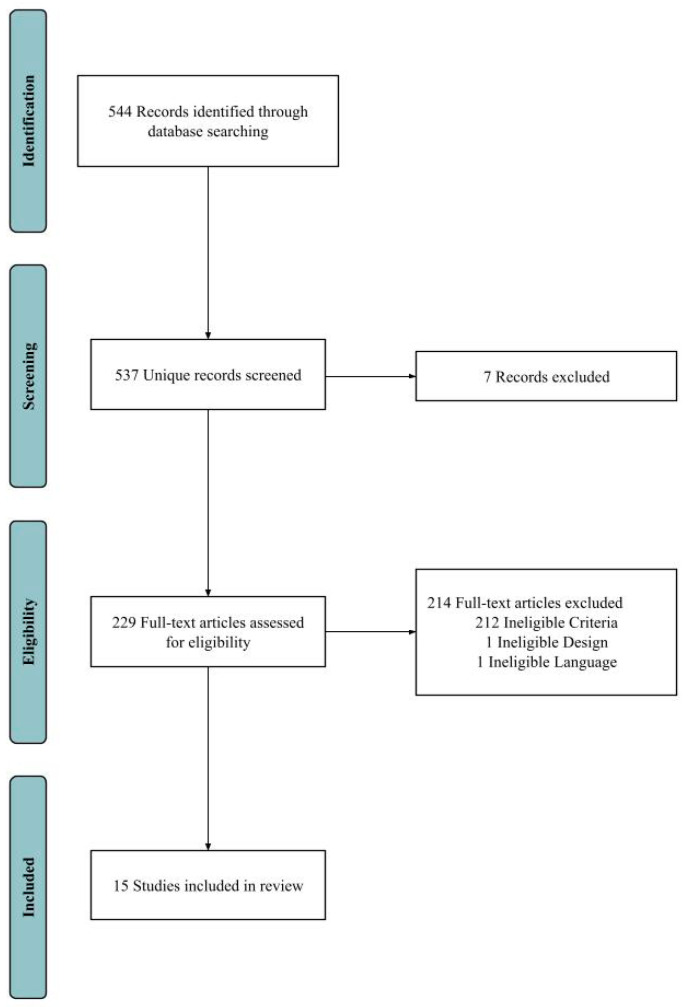
Through comprehensive literature search, we have identified 15 papers with 25 patients studied. The demographic, clinical, and genetic data were extracted, followed by statistical analysis to support the physiological mechanisms of anakinra treatment.
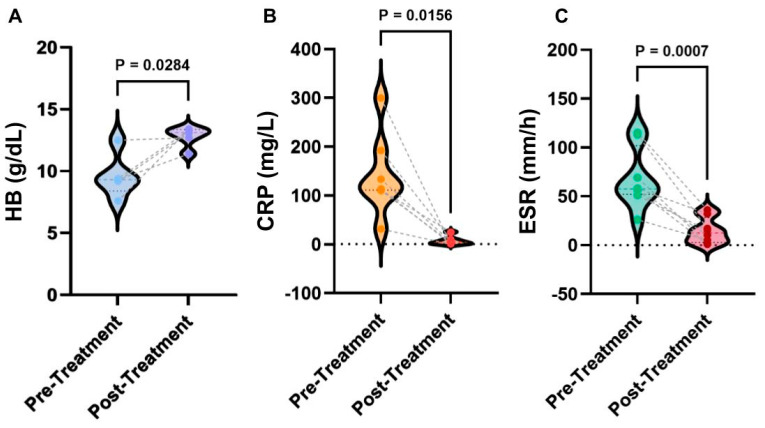
Through the literature review and data analysis, it was found that 88% of patients had complete clinical remission of DIRA upon continual treatment with anakinra; patients had a mean improvement of Hemoglobin (+3.18 g/dL), Erythrocyte Sedimentation Rate (-53.4 mm/h), and C-reactive Protein (-135.45 mg/L) levels, suggesting that the improvement of hematopoietic function and inflammation is a mechanism for anakinra treatment. Various genetic variants were also identified from the patient data that cause the loss of function of IL-1RA, providing real patient genomic data to support the anakinra treatment.
Considering the inconsistency and certain variations from clinical research influenced by specific conditions, this review along with the data analysis confirms the efficacy and safety of anakinra treatment for DIRA.
白细胞介素-1受体拮抗剂缺乏症(DIRA)是一种罕见的、危及生命的常染色体隐性自身炎症性疾病,其症状包括但不限于骨髓炎、骨膜炎和全身炎症。DIRA由编码白细胞介素-1受体拮抗剂(IL-1RA)的IL1RN基因的功能丧失双等位基因突变所致,导致不受控制的促炎信号传导及随后的全身炎症。因此,阿那白滞素作为重组IL-1RA已成为治疗DIRA的主要药物。尽管阿那白滞素对DIRA的完全缓解有效,但也显示出各种副作用。为了确认与DIRA治疗相关的疗效和安全性问题,我们进行了文献综述和二次数据分析,以加深对这一重要课题的理解。
通过全面的文献检索,我们确定了15篇研究25例患者的论文。提取了人口统计学、临床和基因数据,随后进行统计分析以支持阿那白滞素治疗的生理机制。
通过文献综述和数据分析发现,88%的患者在持续使用阿那白滞素治疗后临床完全缓解;患者的血红蛋白(+3.18 g/dL)、红细胞沉降率(-53.4 mm/h)和C反应蛋白(-135.45 mg/L)水平平均有所改善,表明造血功能和炎症的改善是阿那白滞素治疗的一种机制。从患者数据中还鉴定出了导致IL-1RA功能丧失的各种基因变异,提供了真实的患者基因组数据以支持阿那白滞素治疗。
考虑到受特定条件影响的临床研究存在不一致性和某些差异,本综述及数据分析证实了阿那白滞素治疗DIRA的疗效和安全性。