Circulation. 2024 Apr 2;149(14):e1051-e1065. doi: 10.1161/CIR.0000000000001214. Epub 2024 Feb 26.
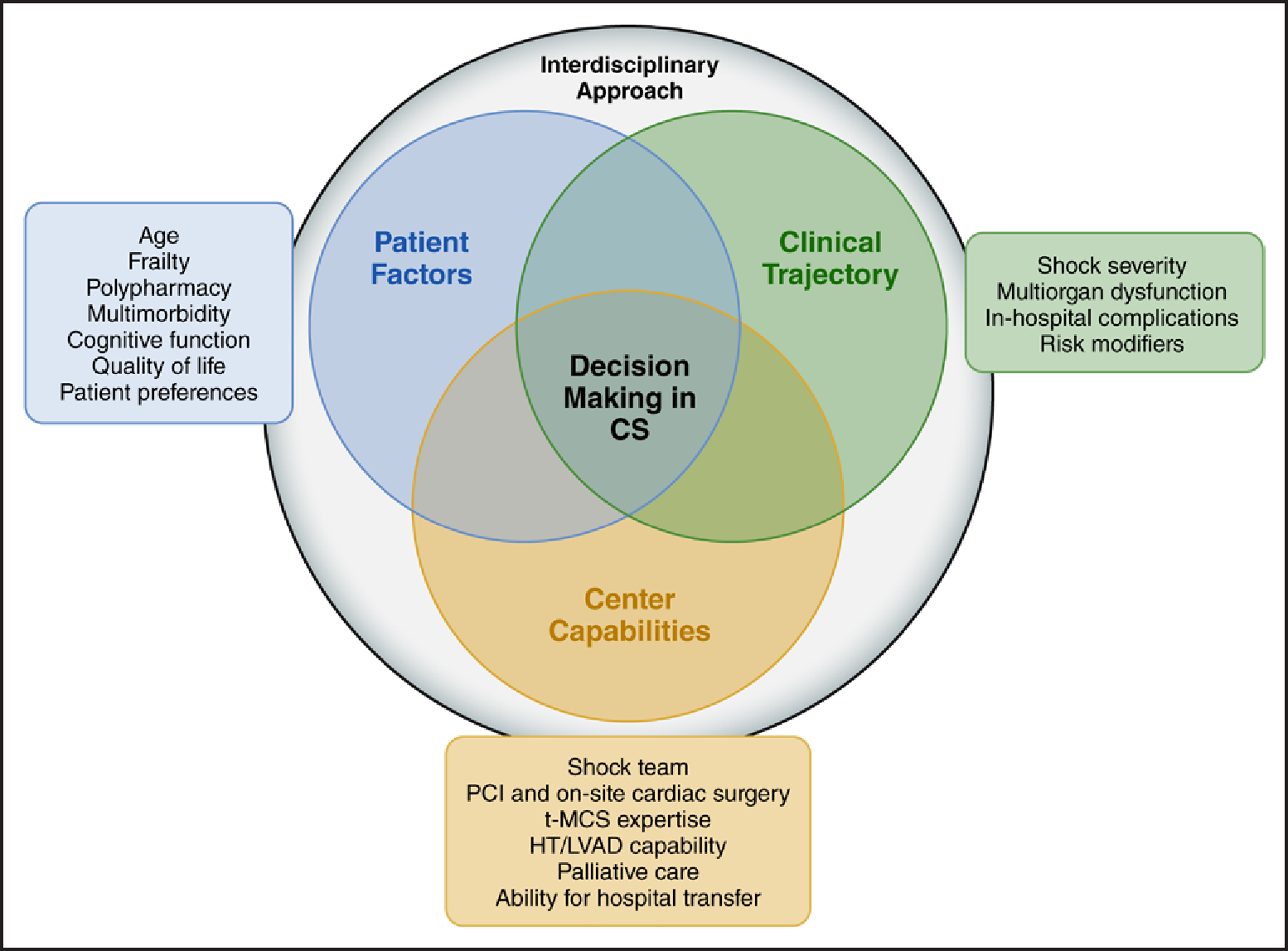
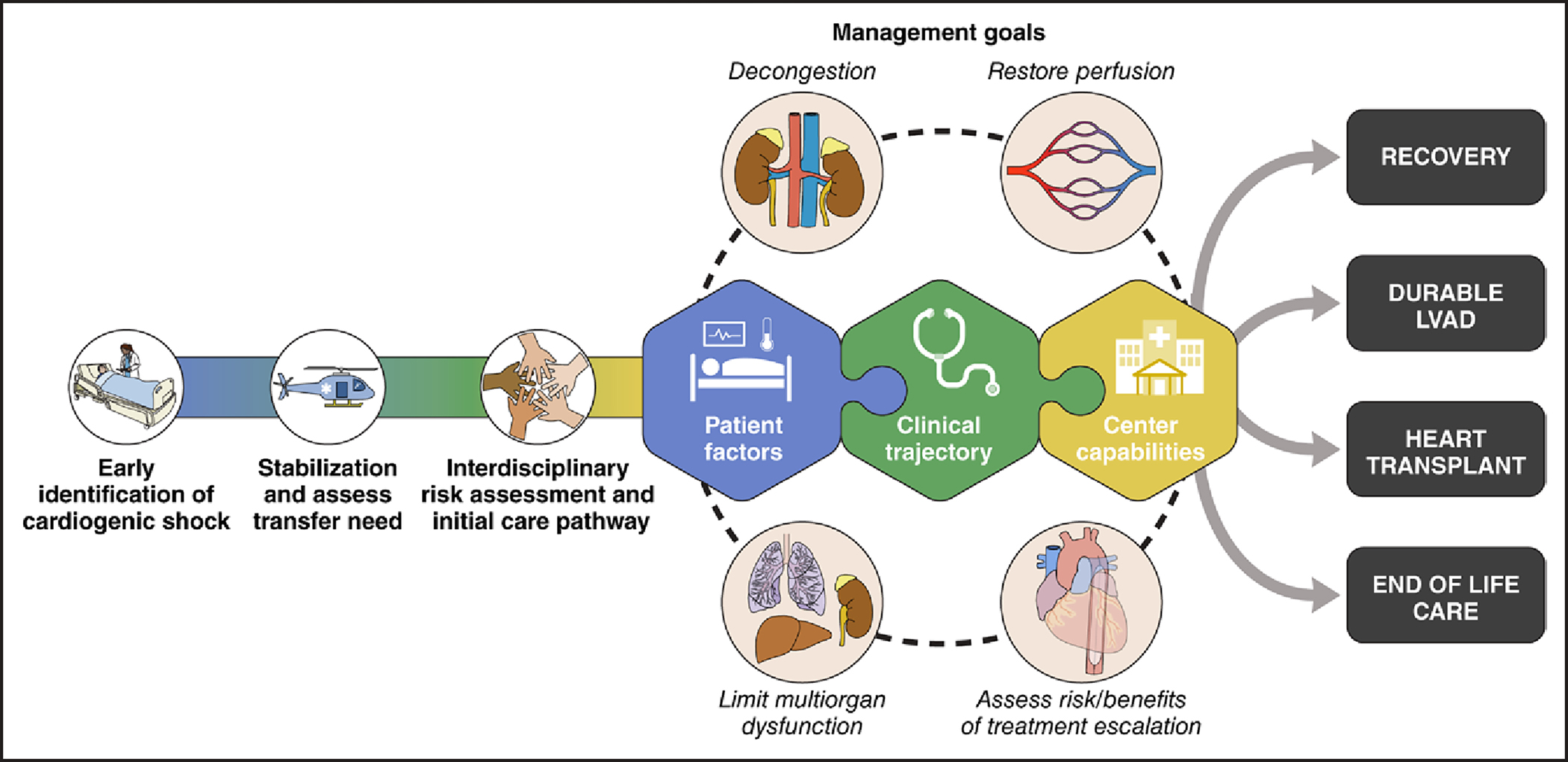
Cardiogenic shock continues to portend poor outcomes, conferring short-term mortality rates of 30% to 50% despite recent scientific advances. Age is a nonmodifiable risk factor for mortality in patients with cardiogenic shock and is often considered in the decision-making process for eligibility for various therapies. Older adults have been largely excluded from analyses of therapeutic options in patients with cardiogenic shock. As a result, despite the association of advanced age with worse outcomes, focused strategies in the assessment and management of cardiogenic shock in this high-risk and growing population are lacking. Individual programs oftentimes develop upper age limits for various interventional strategies for their patients, including heart transplantation and durable left ventricular assist devices. However, age as a lone parameter should not be used to guide individual patient management decisions in cardiogenic shock. In the assessment of risk in older adults with cardiogenic shock, a comprehensive, interdisciplinary approach is central to developing best practices. In this American Heart Association scientific statement, we aim to summarize our contemporary understanding of the epidemiology, risk assessment, and in-hospital approach to management of cardiogenic shock, with a unique focus on older adults.
心原性休克仍然预示着预后不良,尽管最近取得了科学进展,但短期死亡率仍为 30%至 50%。年龄是心原性休克患者死亡的不可改变的危险因素,在决定各种治疗方法的适用性时通常会考虑到这一点。老年人在心原性休克患者的治疗选择分析中基本上被排除在外。因此,尽管年龄较大与预后较差相关,但针对这一高风险和不断增长的人群的心原性休克评估和管理的重点策略仍然缺乏。个别项目通常为其患者制定各种介入策略的最高年龄限制,包括心脏移植和耐用性左心室辅助设备。然而,年龄作为单一参数不应用于指导心原性休克患者的个体管理决策。在心原性休克的老年患者的风险评估中,全面的跨学科方法是制定最佳实践的核心。在美国心脏协会科学声明中,我们旨在总结我们对心原性休克的流行病学、风险评估以及住院管理的当代理解,特别关注老年人。