Liu Hao, Xie Ruitao, Huang Weibin, Yang Yuanzhi, Zhou Menglong, Lu Baiquan, Li Biao, Tan Beiping, Dong Xiaohui
Laboratory of Aquatic Animal Nutrition and Feed, College of Fisheries, Guangdong Ocean University, Zhanjiang 524088, China.
Aquatic Animals Precision Nutrition and High-Efficiency Feed Engineering Research Centre of Guangdong Province, Zhanjiang 524088, China.
Aquac Nutr. 2024 Feb 20;2024:3920254. doi: 10.1155/2024/3920254. eCollection 2024.
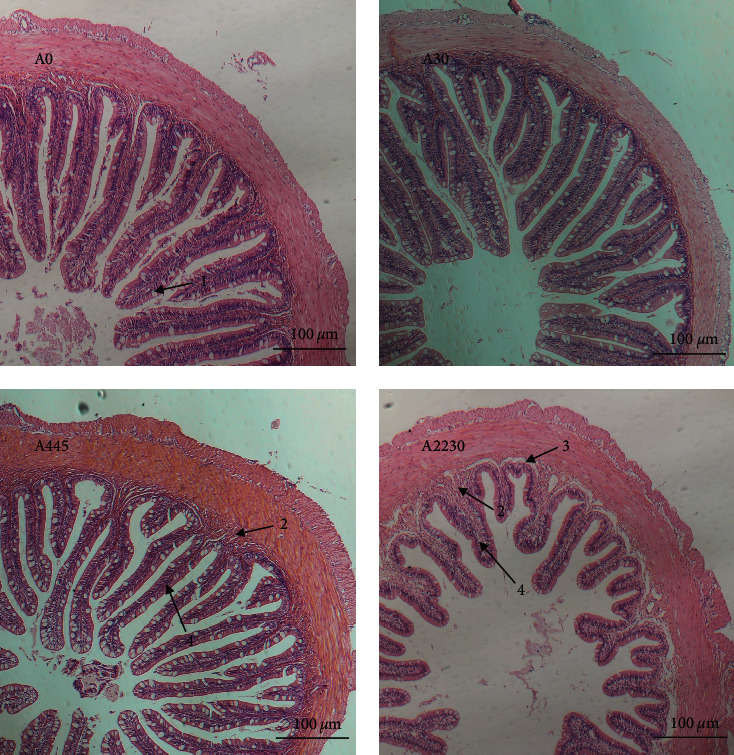
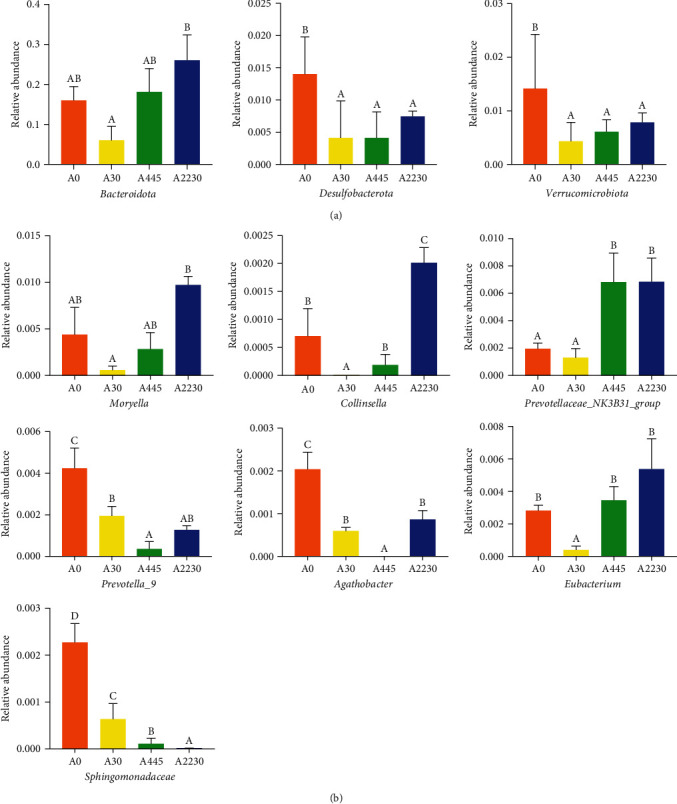
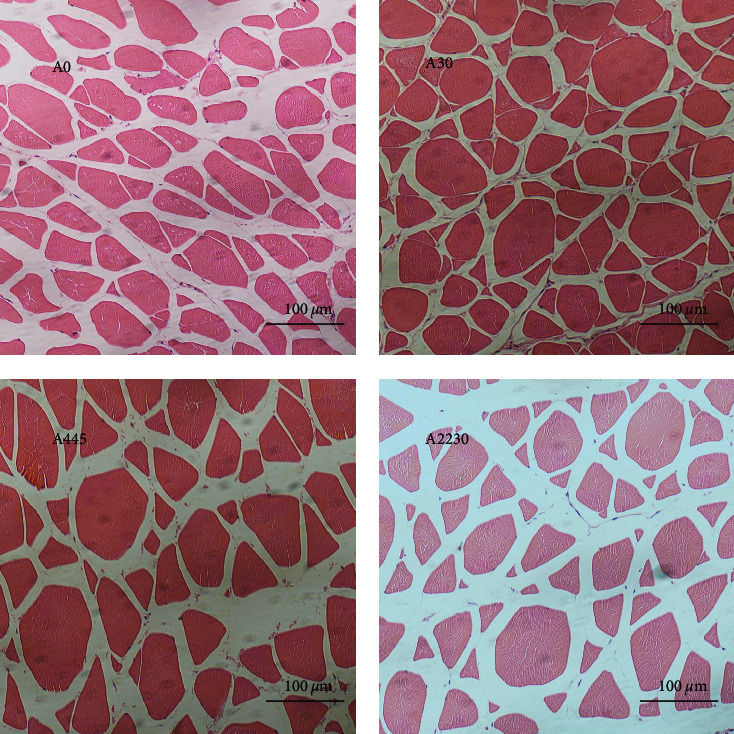
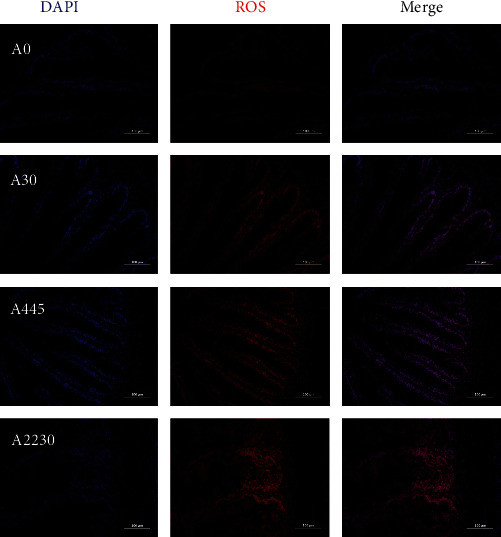
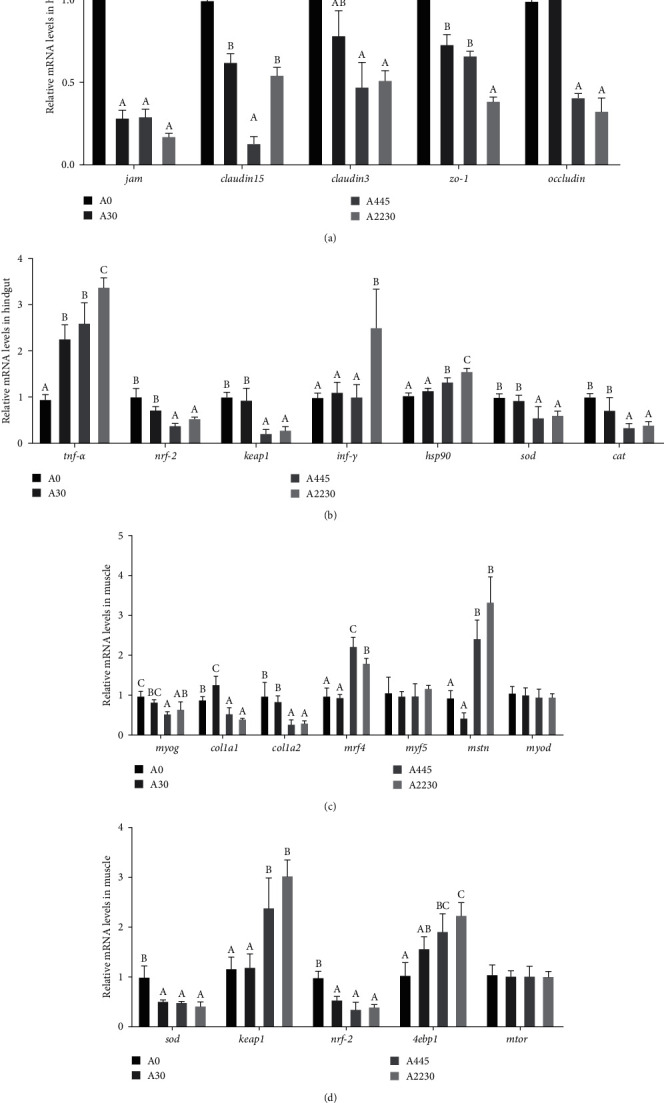
This study investigated the effects of varying doses of dietary aflatoxin B1 (AFB1) on the growth, intestinal health, and muscle quality of hybrid grouper. Four diets with varying AFB1 concentrations (0, 30, 445, and 2,230 g kg) were used. Elevating AFB1 concentrations led to a decline in growth indexes, specifically the weight gain rate and the specific growth rate, although the survival rate remained unchanged. Morphological indicators showed a dose-dependent decline with AFB1 exposure. Intestinal MDA content and hindgut reactive oxygen species (ROS) levels increased, while antioxidant indexes and digestive enzymes decreased with higher AFB1 levels. AFB1 negatively influenced hindgut tight junction protein and antioxidant-related gene expression while promoting inflammation-related gene expression. The presence of AFB1 in the experiment led to a decrease in beneficial intestinal bacteria, such as , and an increase in harmful intestinal bacteria, such as . Muscle lipid and unsaturated fatty acid content significantly decreased, while muscle protein and liver AFB1 content increased dramatically with higher AFB1 concentrations. AFB1 caused myofibrillar cleavage and myofilament damage, leading to increased spaces between muscle fibers. In conclusion, diets with AFB1 levels exceeding 30 g kg inhibited hybrid grouper growth, while levels surpassing 445 g kg resulted in hindgut ROS accumulation, inflammation, elevated intestinal permeability, reduced digestive enzyme activity, and compromised muscle quality.
本研究调查了不同剂量的饲料黄曲霉毒素B1(AFB1)对杂交石斑鱼生长、肠道健康和肌肉品质的影响。使用了四种AFB1浓度不同的饲料(0、30、445和2230 g/kg)。尽管存活率保持不变,但提高AFB1浓度会导致生长指标下降,特别是增重率和特定生长率。形态学指标显示,随着AFB1暴露剂量增加而下降。肠道丙二醛(MDA)含量和后肠活性氧(ROS)水平升高,而抗氧化指标和消化酶随着AFB1水平升高而降低。AFB1对后肠紧密连接蛋白和抗氧化相关基因表达有负面影响,同时促进炎症相关基因表达。实验中AFB1的存在导致有益肠道细菌(如 )数量减少,有害肠道细菌(如 )数量增加。随着AFB1浓度升高,肌肉脂质和不饱和脂肪酸含量显著降低,而肌肉蛋白质和肝脏AFB1含量急剧增加。AFB1导致肌原纤维断裂和肌丝损伤,导致肌肉纤维之间的间隙增大。总之,AFB1水平超过30 g/kg的饲料会抑制杂交石斑鱼生长,而超过445 g/kg的水平会导致后肠ROS积累、炎症、肠道通透性升高、消化酶活性降低和肌肉品质受损。