Department of Genetics, University of Pennsylvania Perelman School of Medicine, Philadelphia, PA, 19102, USA.
Medical Scientist Training Program, University of Pennsylvania Perelman School of Medicine, Philadelphia, PA, 19102, USA.
J Neurodev Disord. 2024 Feb 29;16(1):5. doi: 10.1186/s11689-024-09517-0.
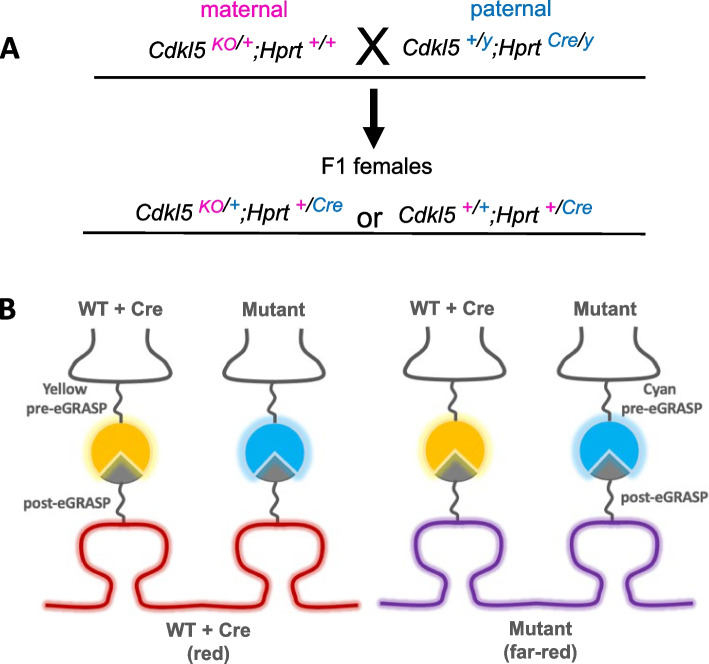
X-linked genetic causes of intellectual disability (ID) account for a substantial proportion of cases and remain poorly understood, in part due to the heterogeneous expression of X-linked genes in females. This is because most genes on the X chromosome are subject to random X chromosome inactivation (XCI) during early embryonic development, which results in a mosaic pattern of gene expression for a given X-linked mutant allele. This mosaic expression produces substantial complexity, especially when attempting to study the already complicated neural circuits that underly behavior, thus impeding the understanding of disease-related pathophysiology and the development of therapeutics. Here, we review a few selected X-linked forms of ID that predominantly affect heterozygous females and the current obstacles for developing effective therapies for such disorders. We also propose a genetic strategy to overcome the complexity presented by mosaicism in heterozygous females and highlight specific tools for studying synaptic and circuit mechanisms, many of which could be shared across multiple forms of intellectual disability.
X 连锁遗传原因导致的智力障碍(ID)占很大比例,但仍未被充分理解,部分原因是 X 连锁基因在女性中的表达具有异质性。这是因为在早期胚胎发育过程中,X 染色体上的大多数基因都会受到随机 X 染色体失活(XCI)的影响,这导致了特定 X 连锁突变等位基因的表达呈现镶嵌模式。这种镶嵌表达产生了很大的复杂性,特别是在试图研究已经很复杂的行为基础神经回路时,从而阻碍了对疾病相关病理生理学的理解和治疗方法的开发。在这里,我们回顾了几种主要影响杂合女性的 X 连锁形式的 ID 和目前开发此类疾病有效治疗方法的障碍。我们还提出了一种克服杂合女性中镶嵌性带来的复杂性的遗传策略,并强调了用于研究突触和回路机制的特定工具,其中许多工具可以在多种智力障碍形式中共享。