Department of Physical Therapy, Riphah College of Rehabilitation and Allied Health Sciences, Riphah International University, Islamabad, Pakistan.
Faculty of Applied Medical Sciences, Department of Health Rehabilitation Sciences, University of Tabuk, Tabuk, Saudi Arabia.
Medicine (Baltimore). 2024 Mar 1;103(9):e37214. doi: 10.1097/MD.0000000000037214.
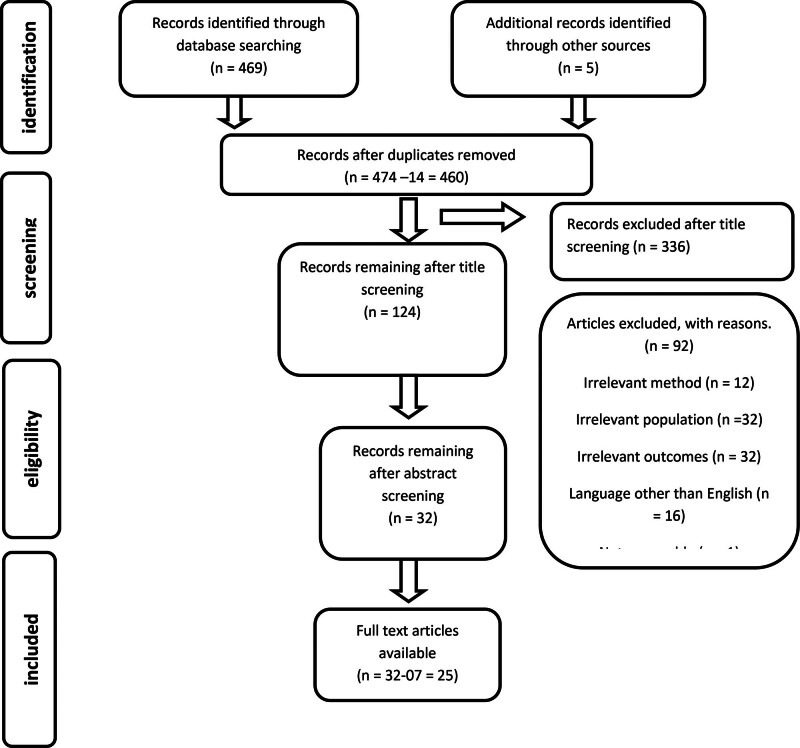
Individuals with cerebral palsy (CP) have limited mobility and are unable to actively participate in tasks that are part of their daily living. Thus, continuous therapeutic sessions are required to keep such individuals active and engaged in the environment. Due to the coronavirus disease of 2019 (COVID-19) lockdowns, rehabilitation for children with CP was inhibited which consequently put them at risk of losing their functional gains which were obtained through previous in-person therapies. In order to avoid this, an alternate to conventional therapy was required and this rendered it necessary to review the role of telerehabilitation (TR) and its various modes for the rehabilitation of children with CP. This study aimed to explore the effectiveness of TR for children with CP during COVID-19 through the present literature and to determine if TR is an alternate to conventional physical therapy in children with CP during the coronavirus outbreak. This scoping review was conducted by searching different databases such as PubMed, Cochrane Collaboration, Medline, and Google Scholar on the basis of inclusion criteria. Screening was performed from January 2019 to June 2022 and the initial screening attempt returned 469 studies. After applying the aforementioned criteria, all impertinent studies were excluded which resulted in 28 studies being included for this review as they contained information about the effectiveness of TR on children with CP during COVID-19. These 28 articles included randomised controlled trials, surveys, reviews, clinical trials, case reports, prospective studies, editorials, and longitudinal studies. Three out of the 7 randomised controlled trial studies revealed that action observation treatment can be a useful approach for TR in child with CP during similar pandemics. The other 3 studies supported the use of computer-based games, robots, nonimmersive virtual reality, and wearable haptic devices as a significant means of TR in child with CP as an alternate to routine therapy during COVID-19. TR is an affable mode of rehabilitation specifically for the pediatric population. In the future, it can be an alternate to routine therapy for those who are unlikely to get daily access to in-person therapeutic sessions due to various reasons or circumstances.
患有脑瘫(CP)的个体行动能力有限,无法主动参与日常生活中的任务。因此,需要持续进行治疗性课程,以保持这些个体在环境中的活跃和参与度。由于 2019 年冠状病毒病(COVID-19)封锁,脑瘫儿童的康复受到了抑制,这使他们面临失去之前面对面治疗获得的功能增益的风险。为了避免这种情况,需要一种替代传统疗法的方法,这就需要审查远程康复(TR)及其用于脑瘫儿童康复的各种模式的作用。本研究旨在通过现有文献探讨 COVID-19 期间 TR 对脑瘫儿童的有效性,并确定在冠状病毒爆发期间,TR 是否是脑瘫儿童传统物理治疗的替代方法。本范围综述通过基于纳入标准在不同数据库(如 PubMed、Cochrane 协作、Medline 和 Google Scholar)中进行搜索来进行。筛选于 2019 年 1 月至 2022 年 6 月进行,最初的筛选尝试返回了 469 项研究。在应用上述标准后,排除了所有不相关的研究,结果有 28 项研究被纳入本综述,因为它们包含了 COVID-19 期间 TR 对脑瘫儿童有效性的信息。这 28 篇文章包括随机对照试验、调查、综述、临床试验、病例报告、前瞻性研究、社论和纵向研究。7 项随机对照试验研究中有 3 项研究表明,动作观察治疗可能是 COVID-19 期间脑瘫儿童 TR 的一种有用方法。另外 3 项研究支持将基于计算机的游戏、机器人、非沉浸式虚拟现实和可穿戴触觉设备作为 COVID-19 期间脑瘫儿童 TR 的重要手段,替代常规治疗。TR 是一种特别适用于儿科人群的康复模式。在未来,它可以作为那些由于各种原因或情况而不太可能每天获得面对面治疗课程的人的替代常规治疗方法。