Broad Institute of Massachusetts Institute of Technology and Harvard, Cambridge, MA 02142.
McGovern Institute for Brain Research at Massachusetts Institute of Technology, Cambridge, MA 02139.
Proc Natl Acad Sci U S A. 2024 Mar 12;121(11):e2307812120. doi: 10.1073/pnas.2307812120. Epub 2024 Mar 4.
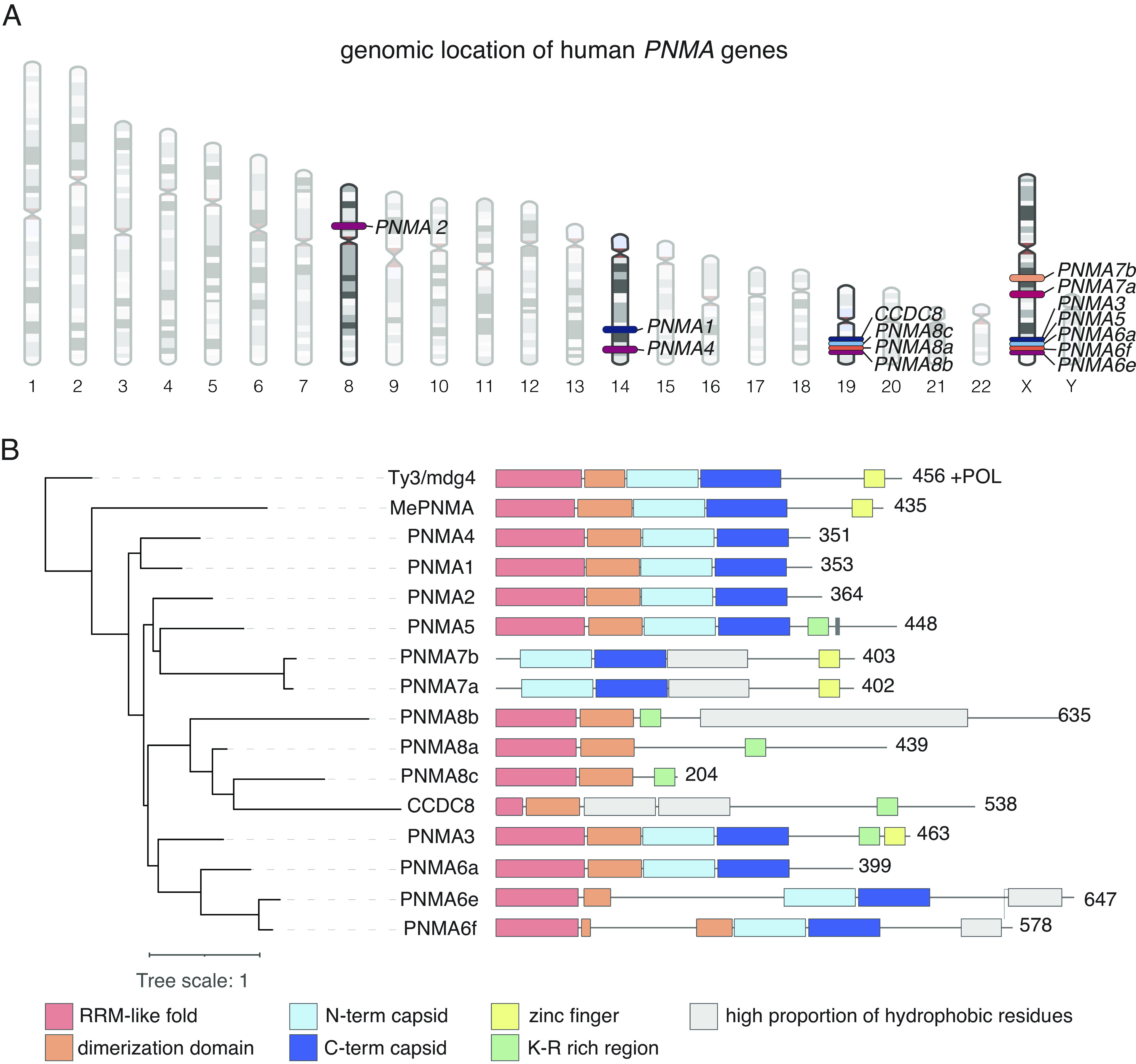
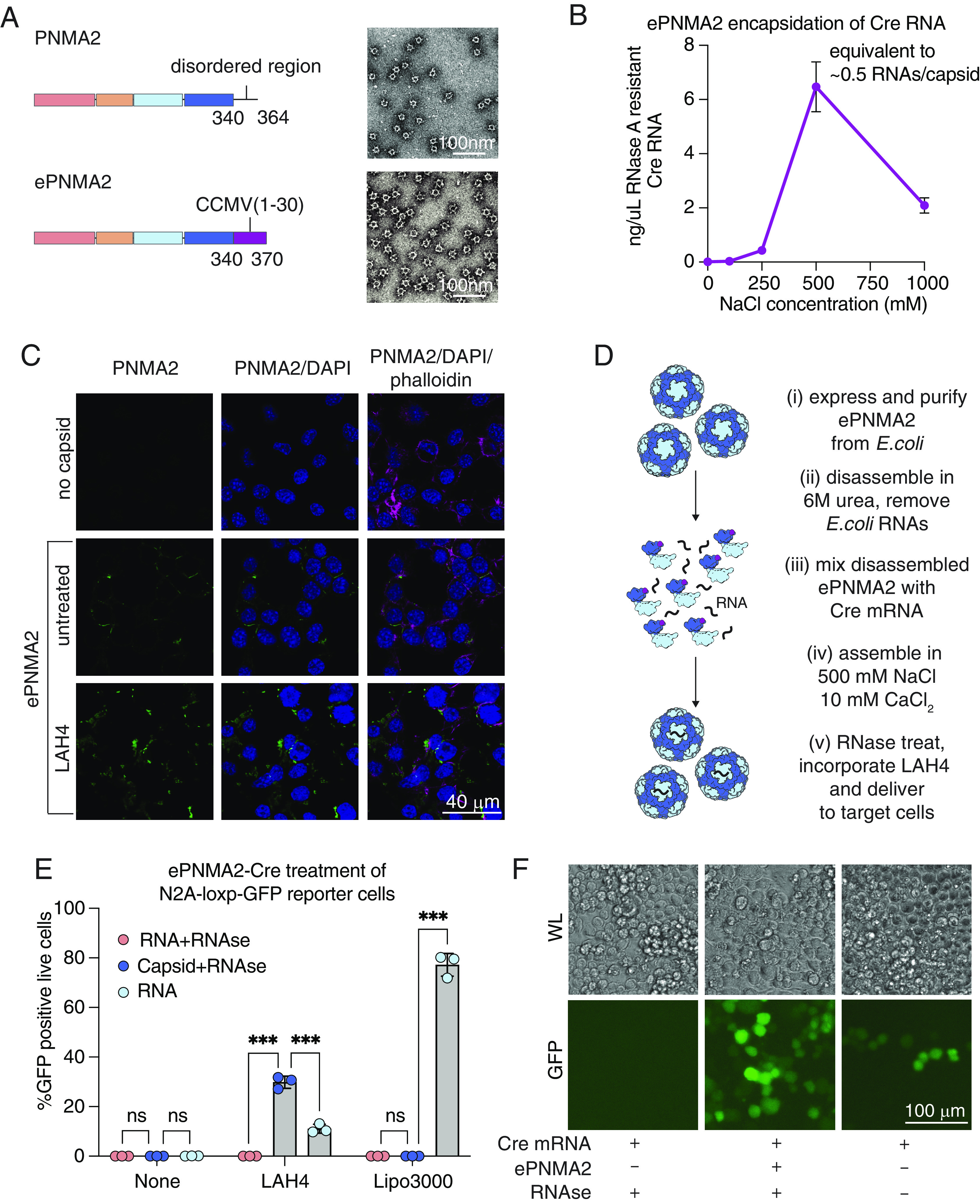
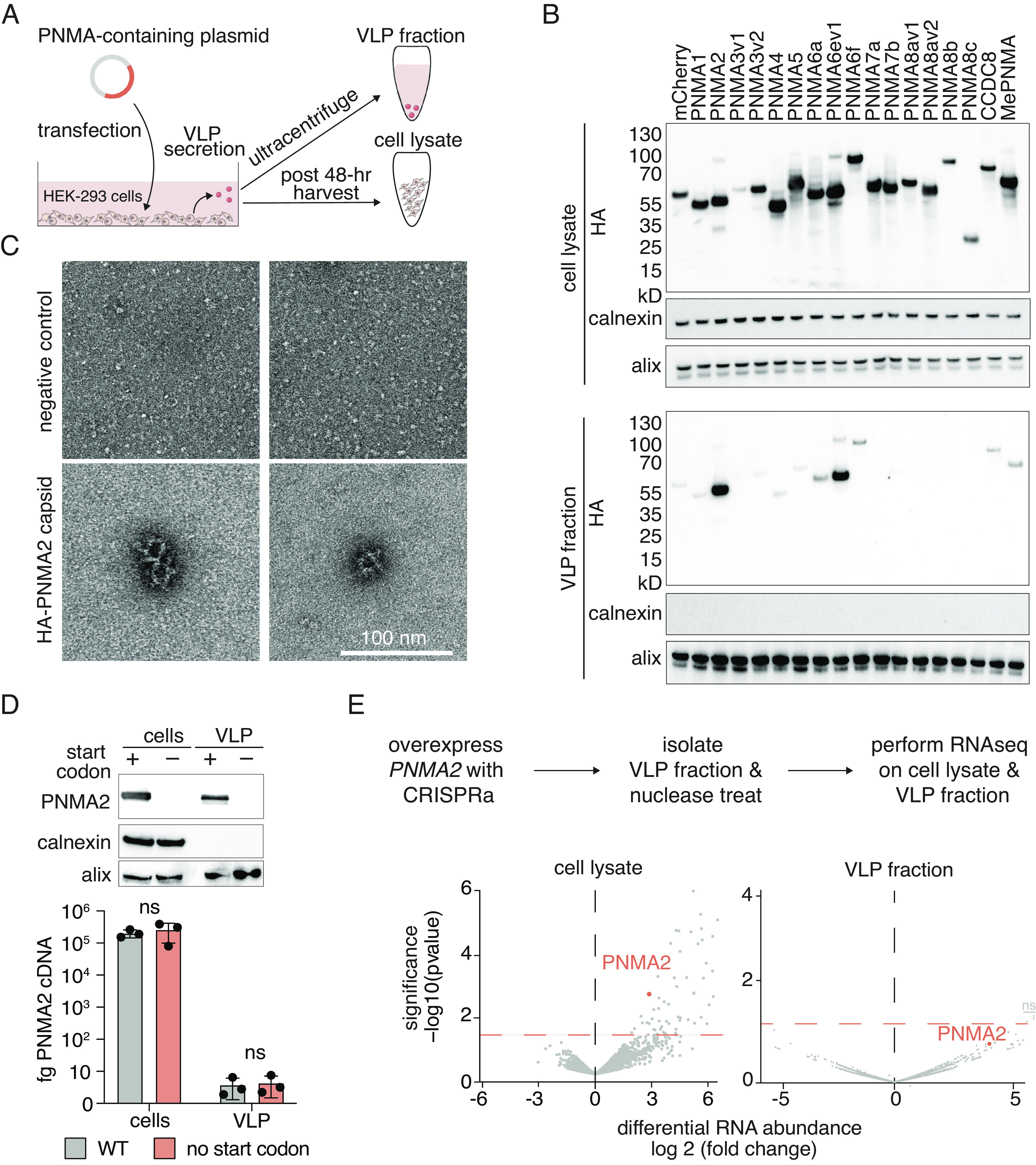
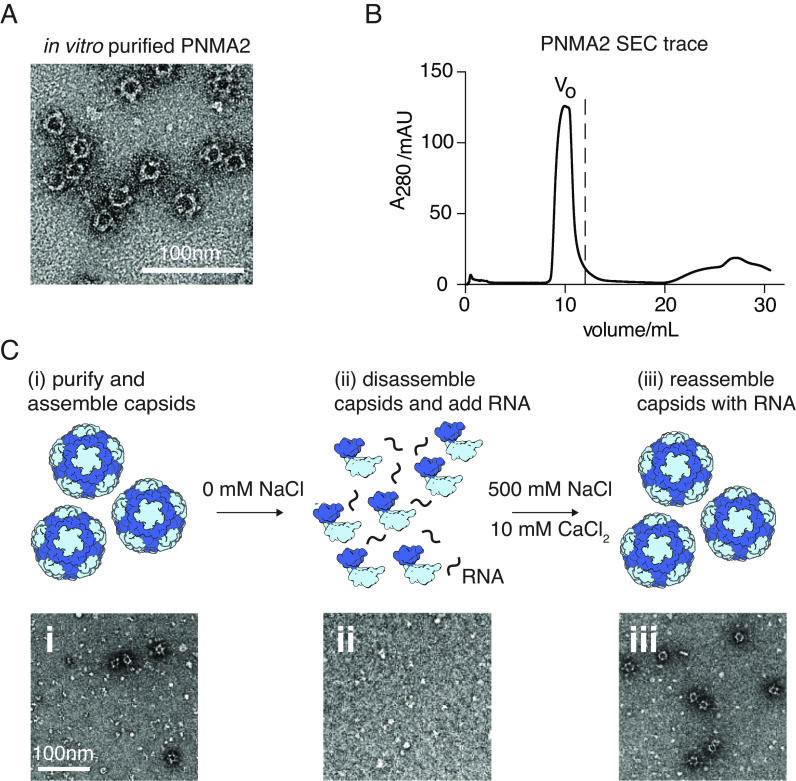
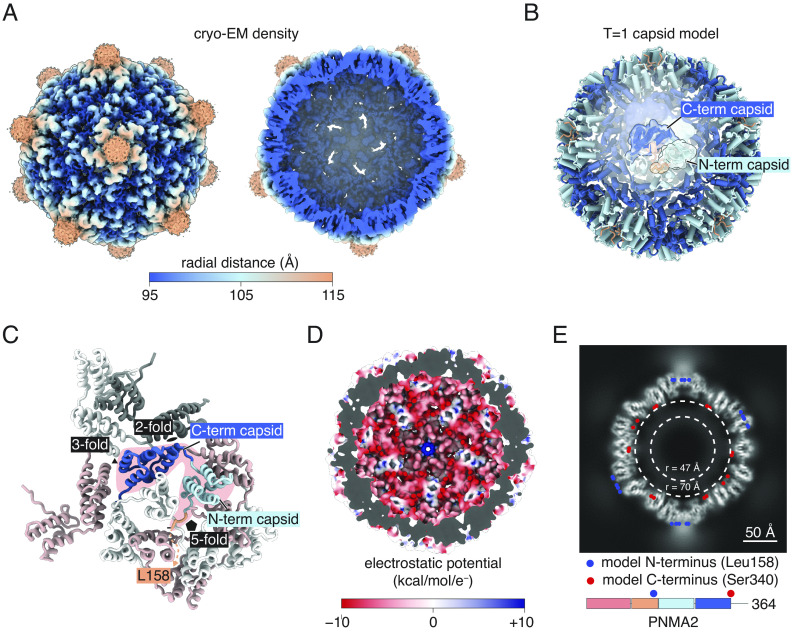
A number of endogenous genes in the human genome encode retroviral -like proteins, which were domesticated from ancient retroelements. The paraneoplastic Ma antigen (PNMA) family members encode a -like capsid domain, but their ability to assemble as capsids and traffic between cells remains mostly uncharacterized. Here, we systematically investigate human PNMA proteins and find that a number of PNMAs are secreted by human cells. We determine that PNMA2 forms icosahedral capsids efficiently but does not naturally encapsidate nucleic acids. We resolve the cryoelectron microscopy (cryo-EM) structure of PNMA2 and leverage the structure to design engineered PNMA2 (ePNMA2) particles with RNA packaging abilities. Recombinantly purified ePNMA2 proteins package mRNA molecules into icosahedral capsids and can function as delivery vehicles in mammalian cell lines, demonstrating the potential for engineered endogenous capsids as a nucleic acid therapy delivery modality.
人体内的许多内源性基因编码类逆转录病毒蛋白,这些蛋白是从古老的逆转录元件中驯化而来的。副肿瘤 Ma 抗原 (PNMA) 家族成员编码类似衣壳的衣壳域,但它们组装成衣壳并在细胞间运输的能力在很大程度上仍未得到表征。在这里,我们系统地研究了人类 PNMA 蛋白,发现许多 PNMAs 是由人类细胞分泌的。我们确定 PNMA2 能够有效地形成二十面体衣壳,但不能自然地包裹核酸。我们解析了 PNMA2 的冷冻电镜 (cryo-EM) 结构,并利用该结构设计了具有 RNA 包装能力的工程化 PNMA2 (ePNMA2) 颗粒。重组纯化的 ePNMA2 蛋白将 mRNA 分子包装到二十面体衣壳中,并可在哺乳动物细胞系中作为递送载体发挥作用,这表明工程内源性衣壳作为核酸治疗递送方式具有潜力。